



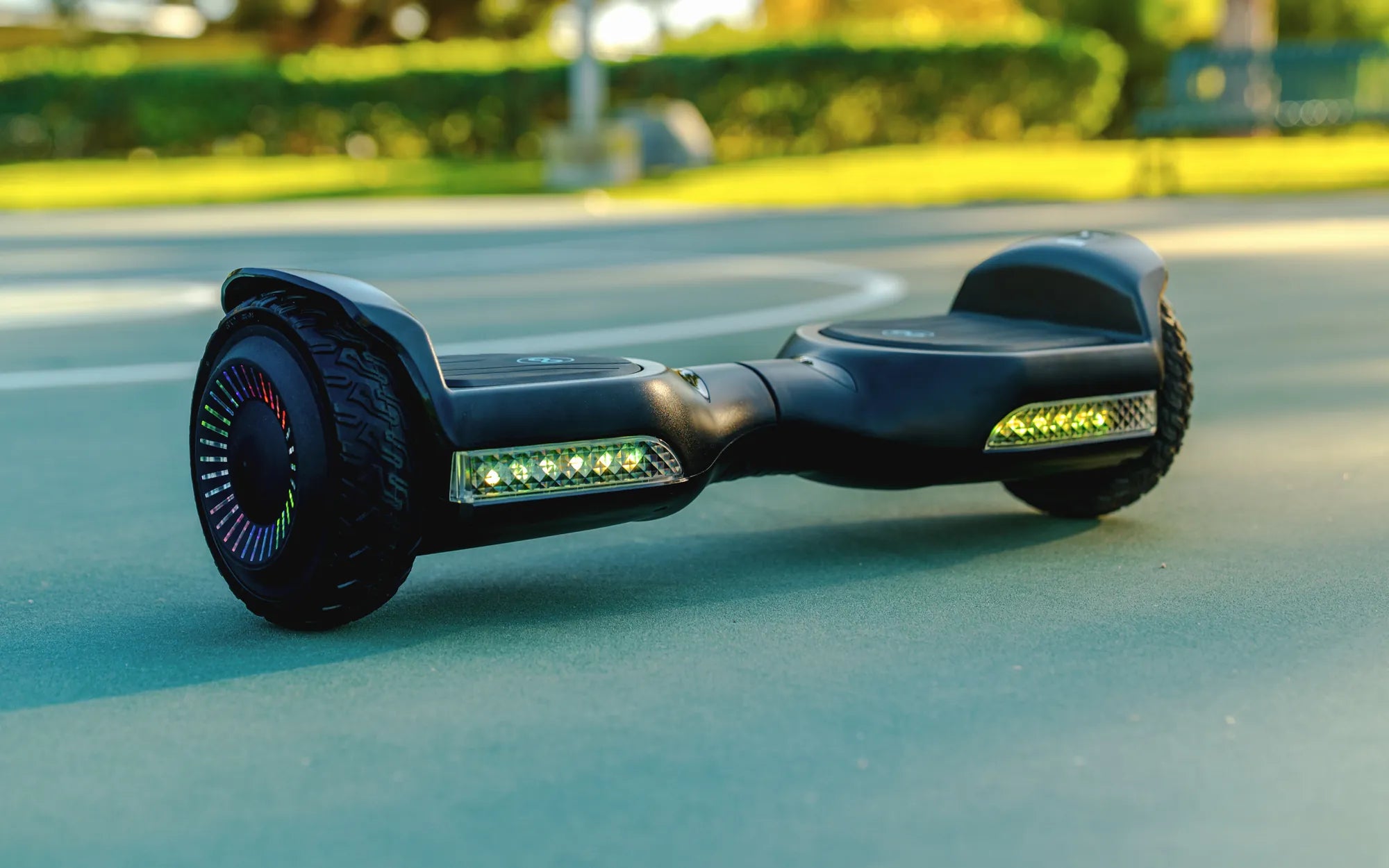
Ever wondered which way a hoverboard goes? These sleek, self-balancing scooters have taken the world by storm, but their movement can be confusing for beginners. Whether you're a first-time rider or just curious about how they work, understanding the mechanics behind hoverboard movement is key to mastering the ride.
How Hoverboards Move: The Basics
Hoverboards are designed to move based on the rider's body movements. Unlike traditional vehicles with steering wheels or handlebars, hoverboards rely on subtle shifts in weight to determine direction. Here's how it works:
- Forward: Lean slightly forward, and the hoverboard will move ahead.
- Backward: Lean back to reverse direction.
- Turning: Apply pressure with one foot to turn in that direction.
The Science Behind Hoverboard Movement
Hoverboards use gyroscopic sensors and accelerometers to detect changes in balance. These sensors send signals to the motors, which adjust the speed of each wheel independently. This allows for smooth turns and precise control.
For example, if you tilt your right foot forward slightly more than your left, the right wheel will spin faster, causing the hoverboard to turn left. The same principle applies in reverse—subtle adjustments make all the difference.
Mastering Hoverboard Control
Riding a hoverboard takes practice. Here are some tips to help you get the hang of it:
- Start Slow: Begin on a flat, open surface to avoid obstacles.
- Keep Your Posture Neutral: Stand straight with knees slightly bent for better balance.
- Practice Turning: Shift weight gently to avoid sudden movements.
- Use Smooth Movements: Jerky motions can cause instability.
Common Mistakes and How to Avoid Them
Many beginners struggle with hoverboard movement because they overcompensate. Leaning too far forward or backward can lead to falls. Instead, focus on small, controlled adjustments.
Another mistake is looking down at your feet—this disrupts balance. Instead, keep your gaze forward to maintain stability.
Safety Tips for Riding a Hoverboard
While hoverboards are fun, safety should always come first. Follow these guidelines:
- Wear protective gear, including a helmet and knee pads.
- Avoid uneven or slippery surfaces.
- Check the battery and wheels before riding.
- Start in beginner mode if your hoverboard has one.
Now that you know which way a hoverboard goes, it's time to put that knowledge into action. With practice and patience, you'll be gliding effortlessly in no time—just remember to stay safe and enjoy the ride!
Where Can You Ride a Hoverboard UK: A Complete Guide to Legal and Safe Locations
What Speed Does a Hoverboard Go: A Complete Guide to Hoverboard Speeds