


Imagine gliding effortlessly above the ground, defying gravity like a scene straight out of a sci-fi movie. The hoverboard, a dream for decades, became a reality thanks to the ingenuity of inventors who dared to turn fantasy into fact. But who made the first hoverboard, and how did this revolutionary device come to be? Let’s dive into the untold story of this iconic invention.
The Early Vision of Hoverboards
Long before hoverboards became a cultural phenomenon, they were a staple of futuristic imagination. The concept of a levitating board dates back to the mid-20th century, inspired by science fiction literature and films. However, turning this idea into a working prototype required groundbreaking innovation.
The First Functional Hoverboard
The first hoverboard wasn’t the sleek, self-balancing scooter we recognize today. Instead, it was a crude yet functional device developed in the late 1980s by a team of engineers and physicists. These pioneers experimented with magnetic levitation and air pressure systems to create a board that could hover above the ground, albeit for short durations.
Key Innovators Behind the Invention
While no single individual can claim sole credit for the hoverboard, several key figures played pivotal roles. Early prototypes were often the result of collaborative efforts between universities, private research labs, and independent inventors. These visionaries combined principles of electromagnetism and aerodynamics to achieve limited levitation.
From Prototype to Pop Culture
The hoverboard gained mainstream attention in the 1990s, thanks to its appearance in blockbuster films. Though the devices depicted in movies were often fictional or exaggerated, they fueled public fascination and demand for a real-world version. This cultural push accelerated research and development in the field.
The Evolution of Modern Hoverboards
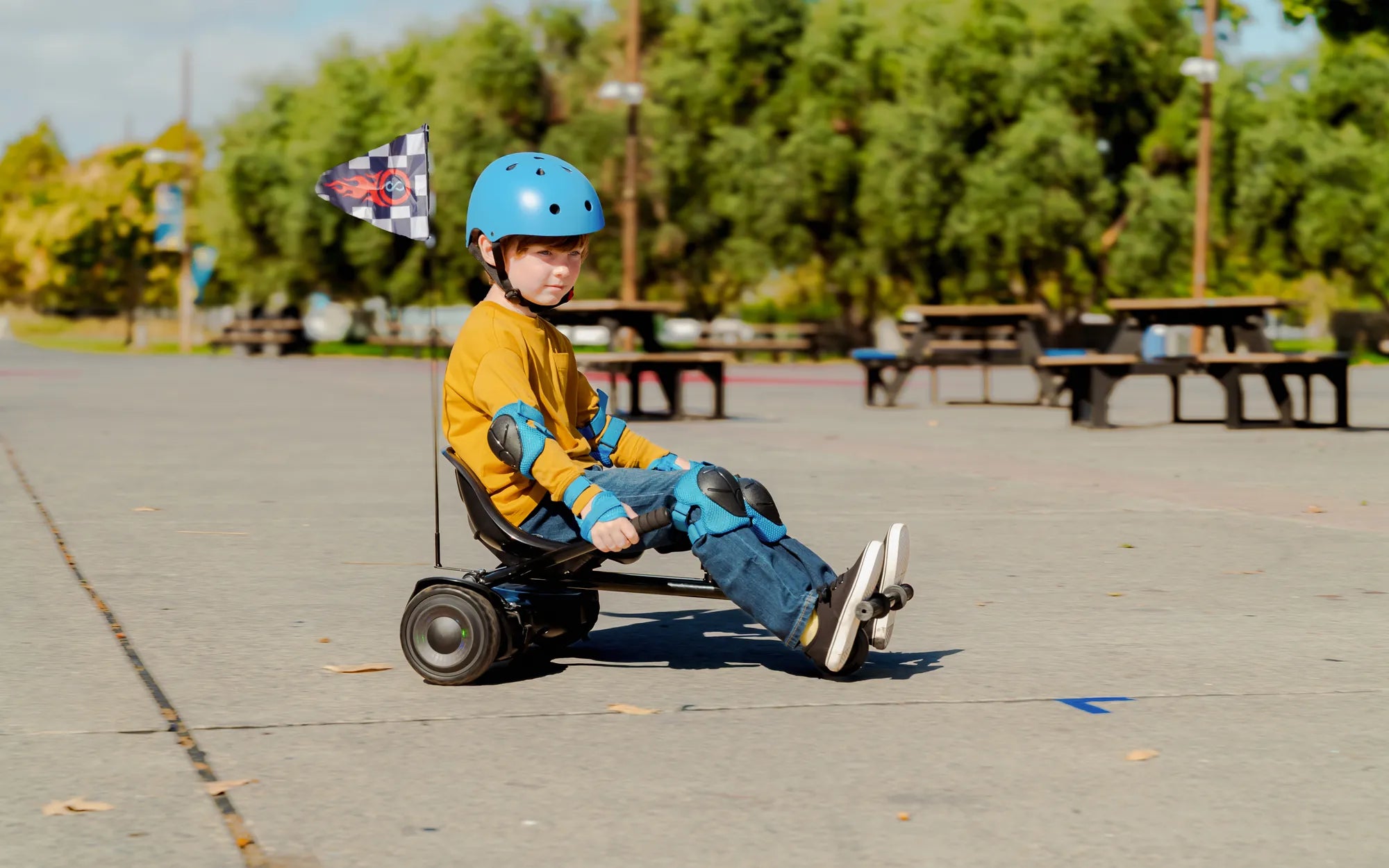
By the early 2000s, advancements in battery technology and gyroscopic sensors led to the creation of self-balancing scooters, often marketed as hoverboards. While these devices don’t truly hover, they captured the spirit of the original concept and became a global sensation.
Challenges and Limitations
Creating a genuine hoverboard—one that levitates without wheels or physical contact with the ground—remains a significant engineering challenge. Issues like energy consumption, stability, and cost have hindered widespread adoption. However, ongoing research continues to push the boundaries of what’s possible.
The Future of Hover Technology
Today, companies and researchers are exploring new ways to make hoverboards a practical reality. From magnetic tracks to air propulsion systems, the quest for a true hoverboard is far from over. Who knows? The next breakthrough could be just around the corner.
The story of the hoverboard is a testament to human creativity and perseverance. From its sci-fi origins to the cutting-edge prototypes of today, this invention continues to captivate our imagination. Will the dream of a fully functional hoverboard ever become a reality? Only time—and innovation—will tell.
Slider Scooter for Kids: The Ultimate Guide to Fun and Safety
Hoverboard Under $90: The Ultimate Budget-Friendly Ride