

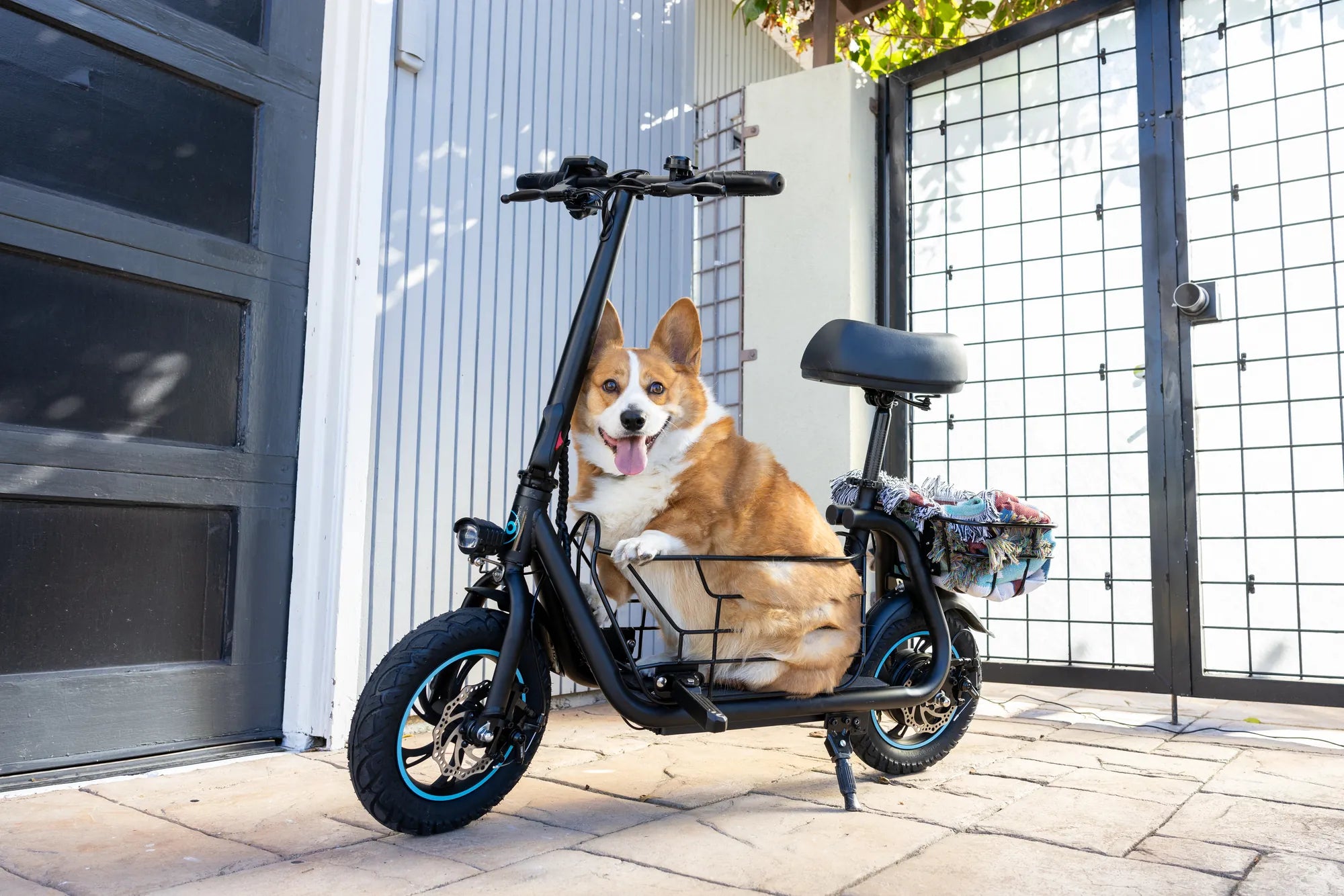
Electric scooters are everywhere these days, zipping through city streets and parked on sidewalks. Yet, despite their ubiquity, thefts are surprisingly rare. Why is that? Let’s dive into the fascinating reasons behind why electric scooters aren’t stolen as often as you might expect.
Built-In Security Features
One of the primary reasons electric scooters aren’t stolen is their advanced security features. Many models come equipped with GPS tracking, which allows owners and authorities to locate them if they’re moved without permission. Additionally, some scooters have tamper-proof locks or require a smartphone app to unlock, making them harder to steal.
Shared Mobility Models
The rise of shared electric scooter services has also contributed to their low theft rates. Since these scooters are owned by companies rather than individuals, they are often monitored closely. Unauthorized use can quickly trigger alarms, and the scooters are designed to be unusable without proper authentication.
Limited Resale Value
Unlike bicycles or cars, electric scooters have a relatively limited resale market. Their unique design and proprietary parts make them harder to sell on the black market. Thieves are less likely to target something that’s difficult to profit from.
Public Awareness and Deterrence
Electric scooters are highly visible, and their theft would likely be noticed quickly. Many cities have surveillance cameras in areas where scooters are commonly parked, adding an extra layer of deterrence. The risk of getting caught often outweighs the potential reward for thieves.
Community Policing
In some areas, community policing efforts have helped reduce scooter theft. Neighborhood watch programs and local law enforcement often keep an eye on shared mobility devices, making it harder for thieves to operate unnoticed.
Battery and Charging Requirements
Electric scooters require regular charging, and stolen scooters would need access to compatible chargers. This added hassle makes them less appealing to thieves, who would have to invest time and resources to keep a stolen scooter operational.
Legal Consequences
The legal consequences of stealing an electric scooter can be severe, especially if the scooter is part of a shared fleet. Many jurisdictions treat such thefts as grand larceny, leading to hefty fines or even jail time. This risk discourages potential thieves.
Social Stigma
There’s also a social stigma attached to stealing something as visible and community-oriented as an electric scooter. Unlike stealing a wallet or a phone, taking a scooter is a more public act, making it less appealing to would-be thieves.
Electric scooters might seem like easy targets, but their design, societal factors, and legal protections make them surprisingly theft-resistant. Next time you see one parked on the street, you’ll know why it’s likely to stay right where it belongs.
How to Park E Scooter: A Complete Guide for Safe and Legal Parking
Electric Bike for Delivery Job: The Ultimate Guide to Efficiency and Savings