



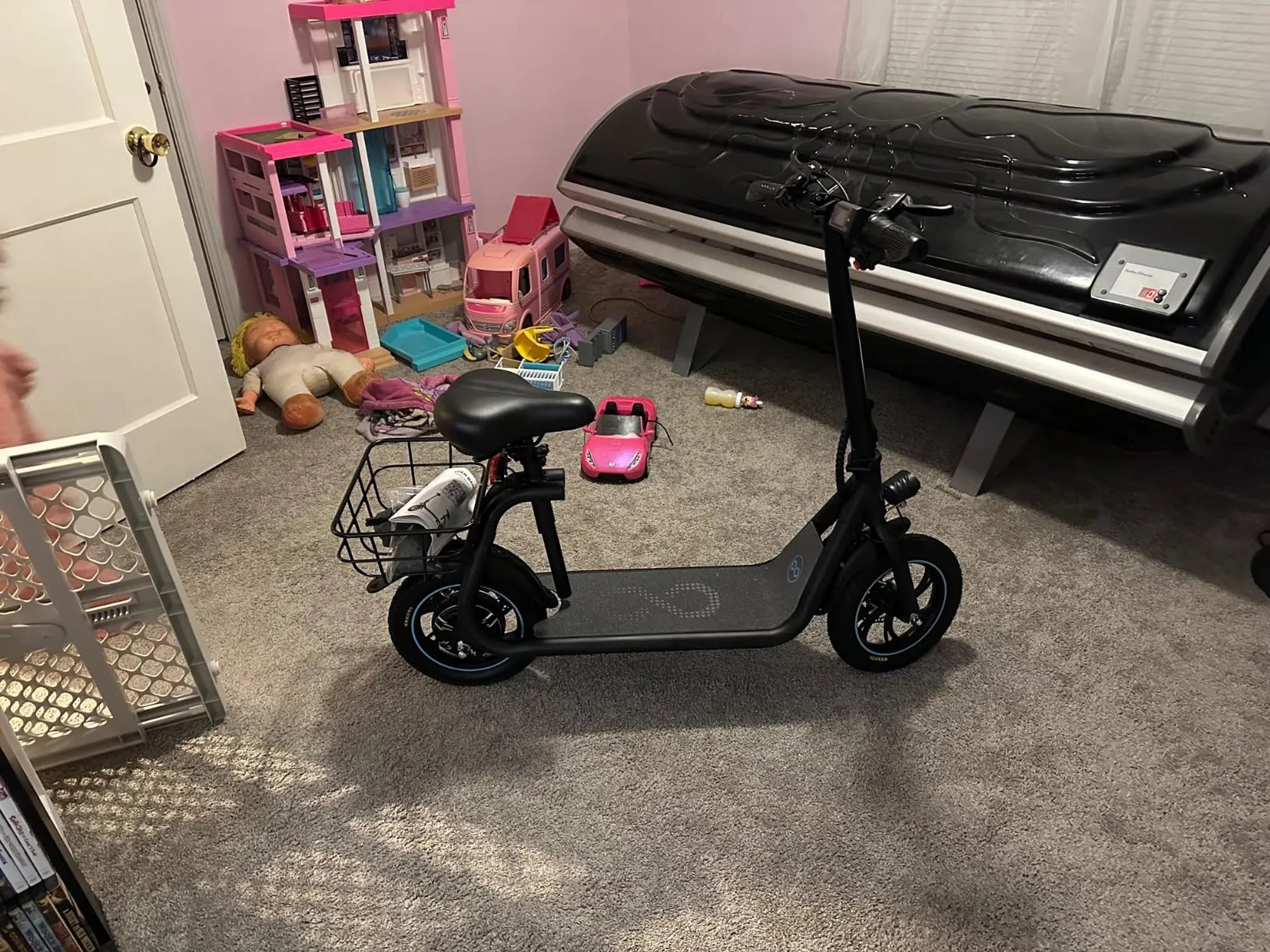
In just a few short years, e-scooters have taken over city streets, becoming a staple of modern urban mobility. Their rapid rise has left many wondering: why did e-scooters grow so fast? From commuters to tourists, these compact electric vehicles have captured the attention of millions, reshaping how people navigate crowded cities. Let’s dive into the reasons behind their meteoric success.
Convenience and Accessibility
One of the biggest drivers of e-scooter adoption is their sheer convenience. Unlike traditional bikes or public transit, e-scooters are lightweight, portable, and require minimal effort to ride. With dockless rental systems, users can pick up and drop off scooters almost anywhere, eliminating the hassle of parking or returning to a fixed station. This on-demand accessibility has made them a favorite for short trips and last-mile connectivity.
Affordability and Cost-Effectiveness
Compared to car ownership or rideshare services, e-scooters offer a much cheaper alternative. Many cities have embraced shared e-scooter programs, allowing users to pay per minute or through affordable subscription plans. For budget-conscious commuters, this cost efficiency is a major selling point. Additionally, e-scooters require minimal maintenance, further reducing long-term expenses.
Eco-Friendly Transportation
As cities worldwide push for greener solutions, e-scooters have emerged as a sustainable option. Unlike gas-powered vehicles, they produce zero emissions, helping reduce urban air pollution. Their small size also means less congestion on roads, contributing to smoother traffic flow. For environmentally conscious riders, e-scooters align perfectly with the growing demand for eco-friendly mobility.
Technological Advancements
The rapid evolution of battery and motor technology has played a crucial role in e-scooter growth. Modern e-scooters boast longer ranges, faster speeds, and improved durability, making them more practical for daily use. Smart features like GPS tracking, app-based rentals, and integrated safety mechanisms have also enhanced user experience, attracting a broader audience.
Urbanization and Traffic Congestion
With cities becoming more crowded, traditional transportation methods often fall short. E-scooters provide a nimble solution to gridlocked streets, allowing riders to weave through traffic and reach destinations faster. Their compact design makes them ideal for densely populated areas where space is limited. As urbanization continues, e-scooters are likely to remain a key player in urban transit.
Changing Consumer Preferences
Millennials and Gen Z, in particular, have embraced e-scooters as part of a broader shift toward shared and flexible transportation. Unlike older generations, younger consumers prioritize convenience and sustainability over car ownership. This cultural shift has fueled demand for micro-mobility options, with e-scooters leading the charge.
Government Support and Infrastructure
Many cities have introduced policies and infrastructure to support e-scooter adoption. Dedicated bike lanes, parking zones, and regulatory frameworks have made it easier for riders to integrate e-scooters into their daily routines. By partnering with local governments, e-scooter companies have been able to scale operations quickly and efficiently.
The e-scooter revolution shows no signs of slowing down. With their unbeatable mix of convenience, affordability, and sustainability, these electric vehicles have cemented their place in the future of urban transportation. Whether you’re a daily commuter or a weekend explorer, e-scooters offer a thrilling and practical way to get around—proving that sometimes, the simplest solutions are the most transformative.
Why Doesn't My Electric Scooter Work? Troubleshooting Common Issues
Electric Bike for Adults Street Legal: The Ultimate Guide to Urban Commuting