


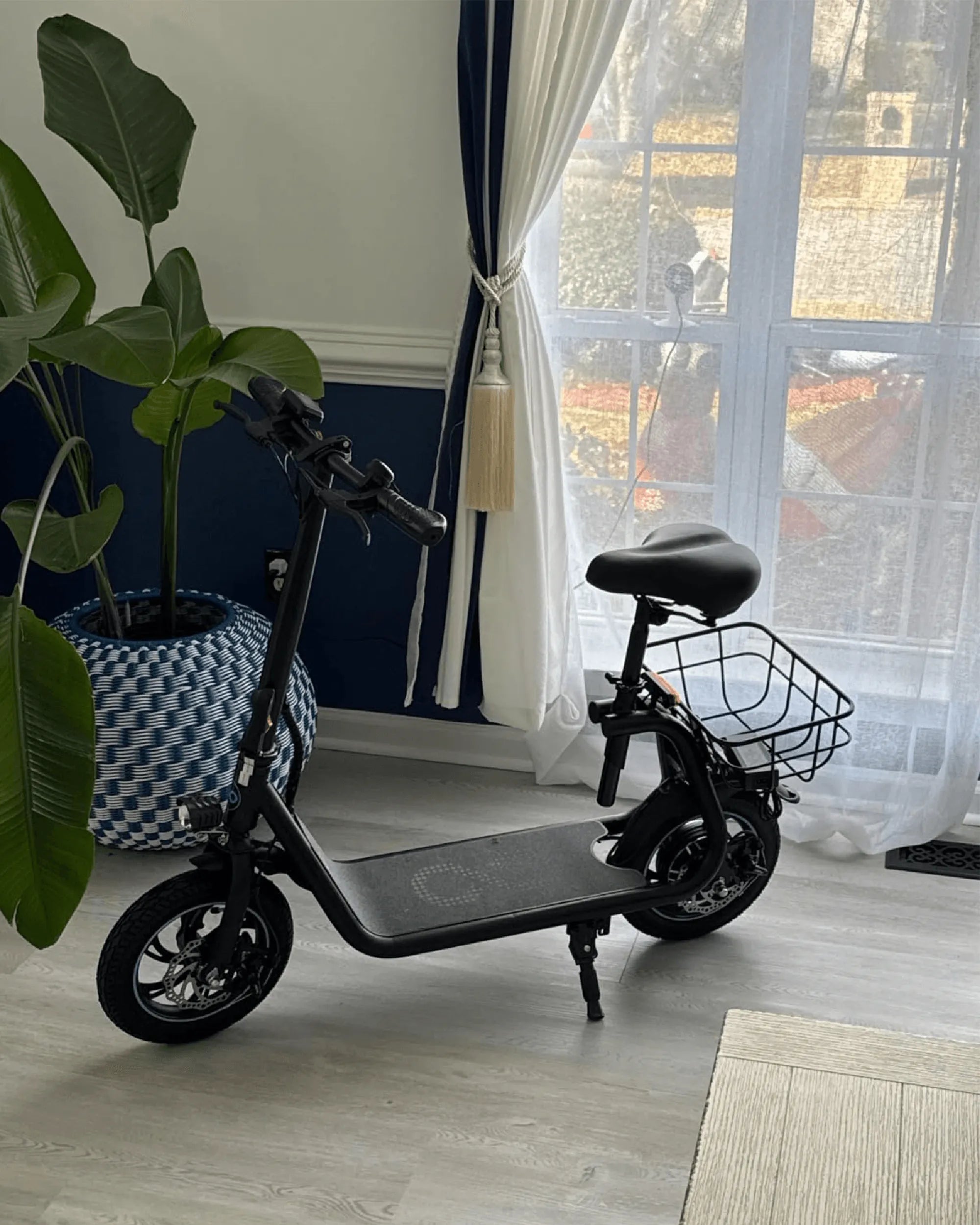
Few things are more frustrating than plugging in your electric scooter only to find it refuses to charge. Whether you rely on it for daily commutes or weekend adventures, a non-charging scooter can bring your plans to a screeching halt. But before you panic, let’s explore the possible reasons—and solutions—for this common issue.
1. Faulty Power Source or Outlet
Before blaming the scooter, check the power source. A dead outlet or unstable power supply could be the culprit. Try plugging another device into the same outlet to confirm it’s working. If not, reset the circuit breaker or test a different outlet.
2. Damaged Charger or Cable
A frayed or broken charging cable can prevent power from reaching your scooter. Inspect the cable for visible damage, bent pins, or loose connections. If possible, test with another compatible charger to rule out this issue.
3. Battery Issues
The battery is the heart of your electric scooter. Over time, it can degrade due to:
- Overcharging or deep discharging
- Extreme temperatures
- Natural wear and tear
If the battery is swollen or fails to hold a charge, it may need replacement.
4. Loose or Corroded Connectors
Dirt, moisture, or oxidation can interfere with the charging port or battery terminals. Clean the connectors with a dry cloth or isopropyl alcohol. Ensure they’re securely fastened to maintain a stable connection.
5. Software or Firmware Glitches
Some electric scooters rely on software to manage charging. A glitch could disrupt the process. Check for firmware updates or try resetting the scooter’s system according to the manufacturer’s instructions.
6. Blown Fuse
Many scooters have an internal fuse to protect the battery. If this fuse blows, charging stops. Locate the fuse (usually near the battery) and replace it if necessary—just make sure to use the correct rating.
7. Overheating Protection
Safety mechanisms may temporarily disable charging if the battery overheats. Let the scooter cool down before attempting to charge again. Avoid leaving it in direct sunlight or hot environments.
8. Water Damage
Exposure to rain or spills can damage internal components. If your scooter got wet recently, dry it thoroughly and inspect for corrosion. Severe water damage may require professional repair.
9. Battery Management System (BMS) Failure
The BMS regulates charging and discharging. If it malfunctions, the battery won’t charge properly. Diagnosing BMS issues often requires specialized tools, so consult a technician if suspected.
10. Age and Wear
Like all electronics, electric scooters have a lifespan. If your scooter is several years old and frequently fails to charge, it might be time for an upgrade.
Don’t let a non-charging scooter ruin your day—most issues have simple fixes. From checking the outlet to inspecting the battery, these troubleshooting steps can save you time and money. If all else fails, a professional can help diagnose deeper problems. Now, grab your charger and get back to riding!
Electric Scooter Max Weight 120kg: The Ultimate Guide for Heavy Riders
Can Under 16 Ride Electric Scooter? Safety, Laws, and Parental Guidance