



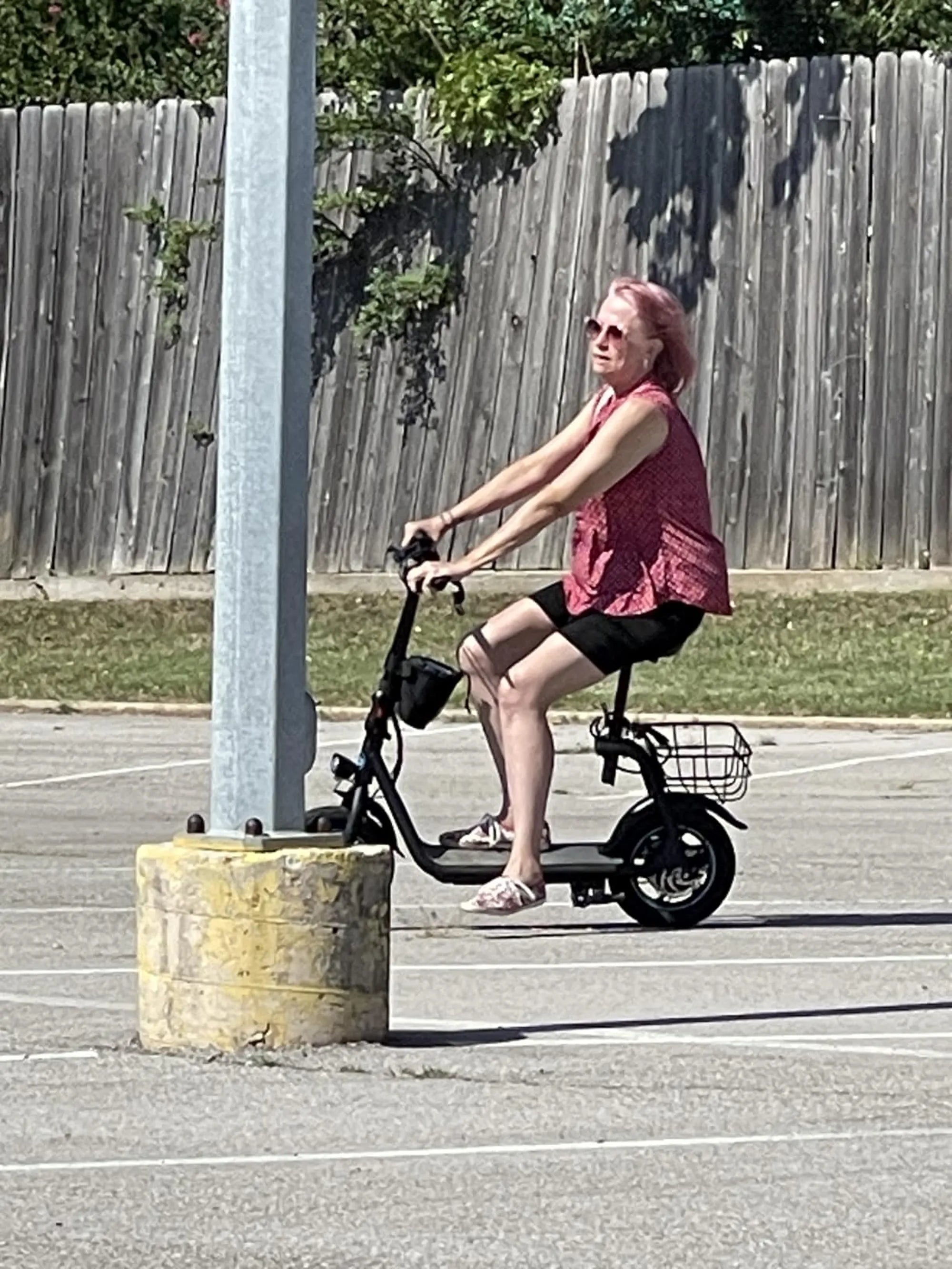
Electric scooters were supposed to revolutionize urban transportation, offering a convenient, eco-friendly alternative to cars. Yet, instead of universal praise, they’ve sparked a wave of frustration and even outright hatred. Why do so many people despise these sleek, silent vehicles? The reasons range from safety hazards to sidewalk chaos—let’s dive into the controversy.
Safety Concerns: A Recipe for Disaster
One of the biggest grievances against electric scooters is their perceived danger. Riders often zip through streets and sidewalks at high speeds, weaving unpredictably between pedestrians and cars. Unlike bicycles, e-scooters require minimal skill to operate, leading to reckless behavior. Many riders ignore traffic rules, skip helmets, and even ride under the influence, resulting in a spike in accidents. Hospitals report a surge in e-scooter-related injuries, from broken bones to traumatic head injuries, further fueling public resentment.
Sidewalk Clutter: The Urban Eyesore
Another major complaint is the clutter left behind by discarded scooters. Companies flood cities with fleets of e-scooters, often abandoning them haphazardly on sidewalks, in bike lanes, or even blocking doorways. Pedestrians, especially those with disabilities, find navigating these obstacles frustrating and hazardous. The sheer volume of scooters can turn walkable areas into obstacle courses, earning them the nickname "sidewalk litter."
Noise and Nuisance: The Silent Menace
While electric scooters are quieter than gas-powered vehicles, their presence isn’t always peaceful. Riders blasting music or shouting as they speed by disrupt the tranquility of neighborhoods. The whirring sound of multiple scooters in busy areas can also become an irritant, especially late at night. For residents, the constant buzz of e-scooters is an unwelcome addition to urban noise pollution.
Legal Gray Areas: Who’s Responsible?
The rapid rise of e-scooters has outpaced regulations, leaving cities scrambling to enforce rules. Are they vehicles? Should they be on roads, bike lanes, or sidewalks? The lack of clear guidelines creates confusion for riders and pedestrians alike. Law enforcement often turns a blind eye to infractions, emboldening reckless behavior. Meanwhile, disputes over liability in accidents—between riders, companies, and municipalities—only add to the frustration.
Environmental Claims: Green or Greenwashing?
Proponents tout e-scooters as an eco-friendly alternative, but critics argue their environmental benefits are overstated. The manufacturing and charging processes still rely on fossil fuels, and the short lifespan of many scooters leads to excessive waste. Additionally, the constant collection and redistribution of scooters via gas-guzzling trucks negate some of their carbon savings. For many, the "green" label feels like a marketing ploy rather than a genuine solution.
Economic Disruption: A Thorn in the Side of Traditional Transport
Taxi drivers, public transit operators, and bike rental services have all felt the pinch of e-scooter competition. While innovation is inevitable, the aggressive rollout of scooters has left many traditional transport workers struggling. Cities often welcome scooter companies with open arms, offering little support to displaced industries. This economic tension fuels resentment among those who see e-scooters as a threat to their livelihoods.
The Social Divide: A Toy for the Privileged?
E-scooters are often marketed as a fun, accessible mode of transport, but their affordability is questionable. Rental fees add up quickly, making them impractical for daily commuters. Meanwhile, their prevalence in affluent neighborhoods highlights a divide—wealthy urbanites joyriding while lower-income residents deal with the fallout. The perception of scooters as a "plaything" for the privileged further deepens public disdain.
Electric scooters promised a transportation revolution, but for many, they’ve delivered little more than headaches. Between safety risks, urban clutter, and regulatory chaos, it’s no wonder backlash is growing. Until these issues are addressed, the love-hate relationship with e-scooters is likely here to stay—leaning heavily toward hate.
Best Bike Lock for Electric Bike: Secure Your Ride with Confidence
3 Wheel Electric Trike: The Future of Urban Mobility and Eco-Friendly Commuting