



Imagine gliding effortlessly above the ground, defying gravity like a scene straight out of a science fiction movie. The hoverboard, a futuristic mode of transportation, has captured the imagination of millions. But will there ever be a hoverboard that lives up to our wildest dreams? Let’s dive into the science, the hurdles, and the exciting possibilities that could make this fantasy a reality.
The Science Behind Hoverboards
Hoverboards, as envisioned in popular culture, rely on magnetic levitation or anti-gravity technology. While magnetic levitation (maglev) is already used in high-speed trains, scaling it down for personal use presents significant challenges. Maglev requires a conductive surface, meaning hoverboards would only work over specific tracks or materials, limiting their practicality.
Anti-gravity, on the other hand, remains purely theoretical. Current physics suggests that manipulating gravity in a way that would allow a hoverboard to float freely is beyond our technological reach. However, breakthroughs in quantum mechanics or undiscovered physics could one day change this.
Current Attempts and Limitations
Several prototypes have emerged over the years, often using fans or electromagnets to achieve limited levitation. These devices, while impressive, are far from the effortless hoverboards seen in movies. They often require heavy batteries, specialized surfaces, or lack stability, making them impractical for everyday use.
Energy efficiency is another major hurdle. Levitating an object, especially one carrying a person, demands immense power. Current battery technology struggles to provide enough energy for sustained flight without frequent recharging or excessive weight.
The Role of Emerging Technologies
Advancements in superconductors, materials science, and energy storage could pave the way for functional hoverboards. Room-temperature superconductors, for instance, would revolutionize magnetic levitation by eliminating the need for extreme cooling. Similarly, lightweight, high-capacity batteries could solve the energy problem.
Artificial intelligence and advanced stabilization systems might also play a role. A hoverboard would need real-time adjustments to maintain balance and respond to user input, much like modern drones but with far greater precision.
Cultural Impact and Demand
The hoverboard isn’t just a technological challenge—it’s a cultural icon. From Back to the Future to viral internet videos, the desire for hoverboards is undeniable. This demand drives innovation, with researchers and hobbyists alike experimenting with new ways to achieve levitation.
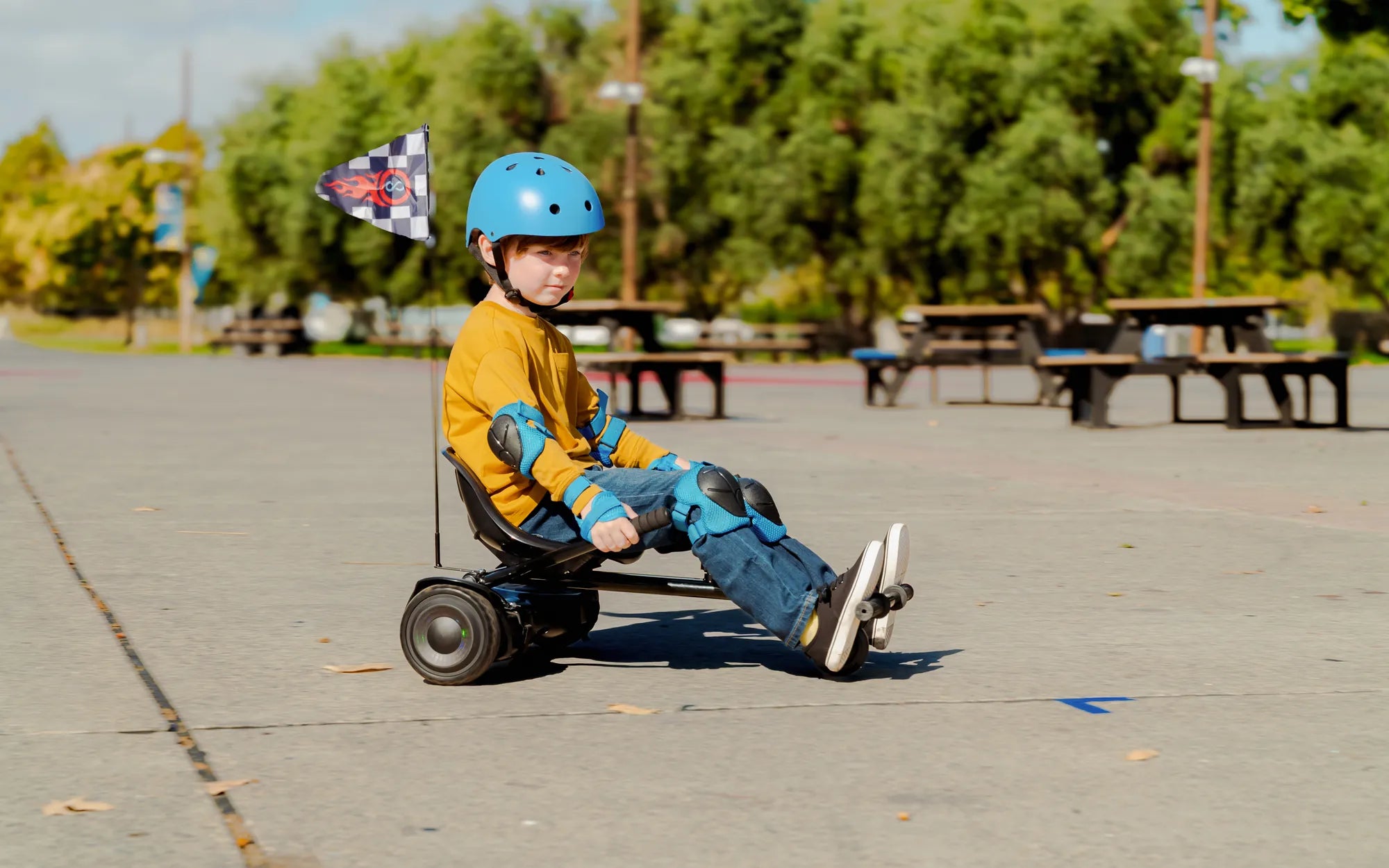
However, hype can also lead to disappointment. Many so-called "hoverboards" on the market are simply wheeled scooters with a futuristic design, far from the levitating dream. Distinguishing between genuine innovation and marketing gimmicks is crucial.
The Future of Hoverboards
While a true hoverboard may still be years or even decades away, the journey toward its creation is filled with exciting discoveries. Each small breakthrough brings us closer to a world where levitating transportation is possible. Whether through maglev, anti-gravity, or an entirely new technology, the hoverboard remains a symbol of human ingenuity and the relentless pursuit of the impossible.
So, will there ever be a hoverboard? The answer lies at the intersection of science, creativity, and perseverance. One thing is certain: the quest for the perfect hoverboard is far from over, and the next big breakthrough could be just around the corner.
Hoverboard That Goes 15 MPH: The Ultimate Guide to Speed and Safety
Hoverboard Beeps and Won't Move: Troubleshooting and Fixes Explained