



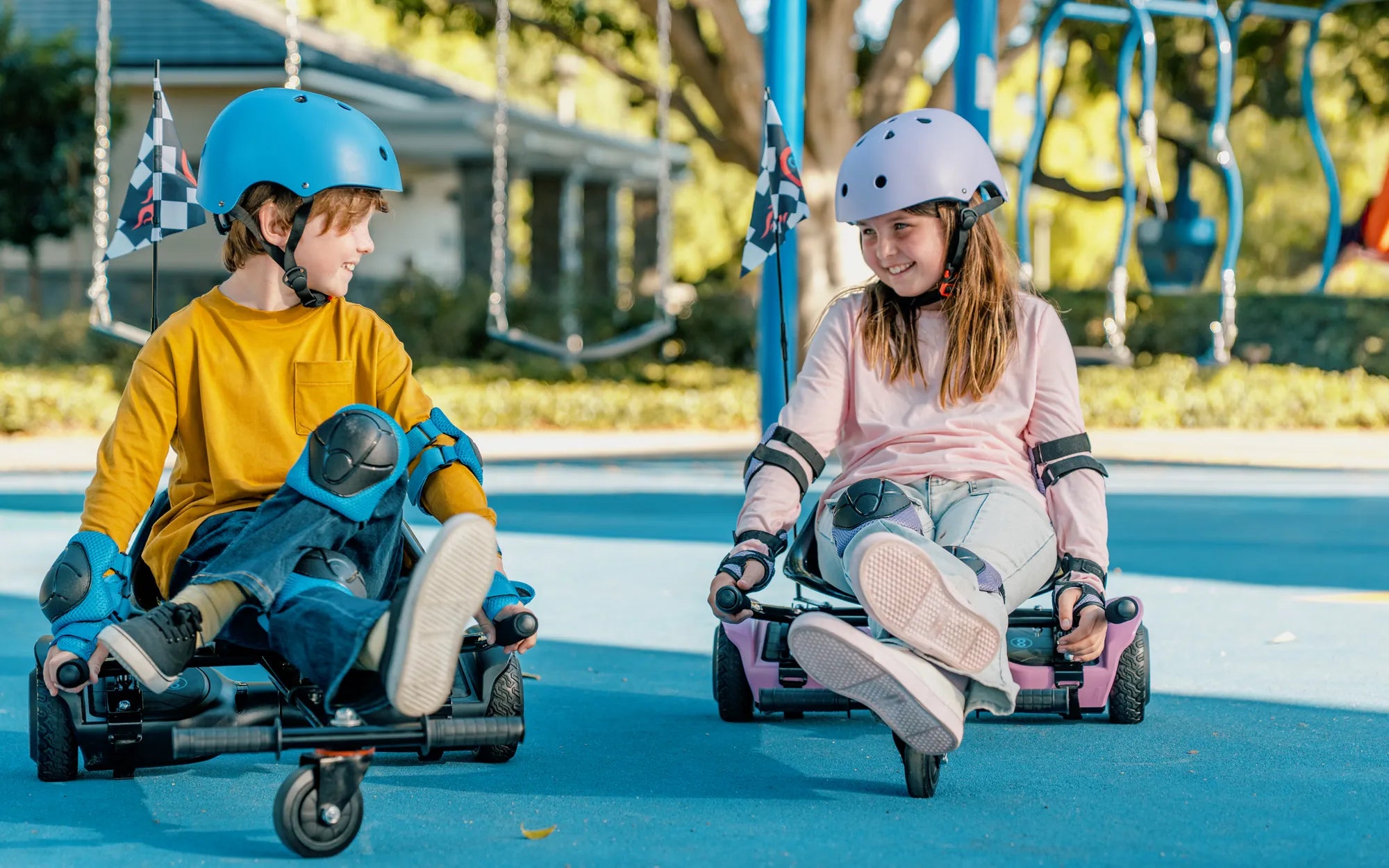
Ever wondered how those sleek, self-balancing scooters gliding effortlessly down sidewalks are made? The hoverboard, a marvel of modern engineering, combines cutting-edge technology with precision manufacturing. Let’s dive into the fascinating journey of how it's made—hoverboard style—from raw materials to the finished product.
The Design and Engineering Phase
Before any hoverboard hits the production line, engineers and designers collaborate to create a blueprint. This phase involves:
- Conceptualization: Sketching initial designs and refining them for functionality.
- 3D Modeling: Using CAD software to create digital prototypes.
- Testing: Simulating weight distribution, balance, and motor performance.
Every detail, from the curvature of the frame to the placement of sensors, is meticulously planned to ensure safety and performance.
Materials and Components
A hoverboard is made up of several key components, each playing a critical role in its operation:
- Frame: Typically constructed from lightweight yet durable materials like aluminum or reinforced plastic.
- Wheels: High-traction rubber tires with built-in motors for smooth movement.
- Battery: Lithium-ion cells provide the necessary power while keeping the device lightweight.
- Gyroscopes and Sensors: These detect shifts in weight and adjust the motors accordingly.
- Control Board: The brain of the hoverboard, processing sensor data and managing power distribution.
The Manufacturing Process
The assembly of a hoverboard is a blend of automated precision and skilled craftsmanship. Here’s a step-by-step breakdown:
1. Frame Construction
The frame is molded or machined to exact specifications. Quality control checks ensure there are no defects that could compromise durability.
2. Motor and Wheel Integration
Each wheel houses an electric motor, which is securely attached to the frame. The wiring is carefully routed to avoid interference with moving parts.
3. Installing the Battery Pack
The lithium-ion battery is placed in a central, well-protected compartment. Safety features like short-circuit protection are integrated to prevent overheating.
4. Sensor and Control Board Assembly
Gyroscopes and accelerometers are mounted near the foot pads, while the control board is connected to all electrical components. Calibration ensures accurate responsiveness.
5. Final Assembly and Testing
Once all parts are in place, the hoverboard undergoes rigorous testing. This includes balance checks, speed tests, and battery performance evaluations.
Quality Assurance and Safety Standards
Before reaching consumers, hoverboards must pass stringent safety certifications. These tests cover:
- Battery stability under extreme conditions.
- Structural integrity during collisions or drops.
- Water and dust resistance for outdoor use.
Only units that meet these standards are packaged and shipped.
The Future of Hoverboard Technology
As innovation continues, hoverboards are becoming smarter, faster, and more energy-efficient. Advances in AI and materials science promise even more exciting developments in the years to come.
From concept to creation, the hoverboard is a testament to human ingenuity. Whether you're a tech enthusiast or just curious about how things work, understanding how it's made—hoverboard edition—reveals the incredible effort behind every ride.
Hoverboard for Sale Price: The Ultimate Guide to Finding the Best Deals
How to Fix a Hoverboard That Got Wet: A Step-by-Step Guide