



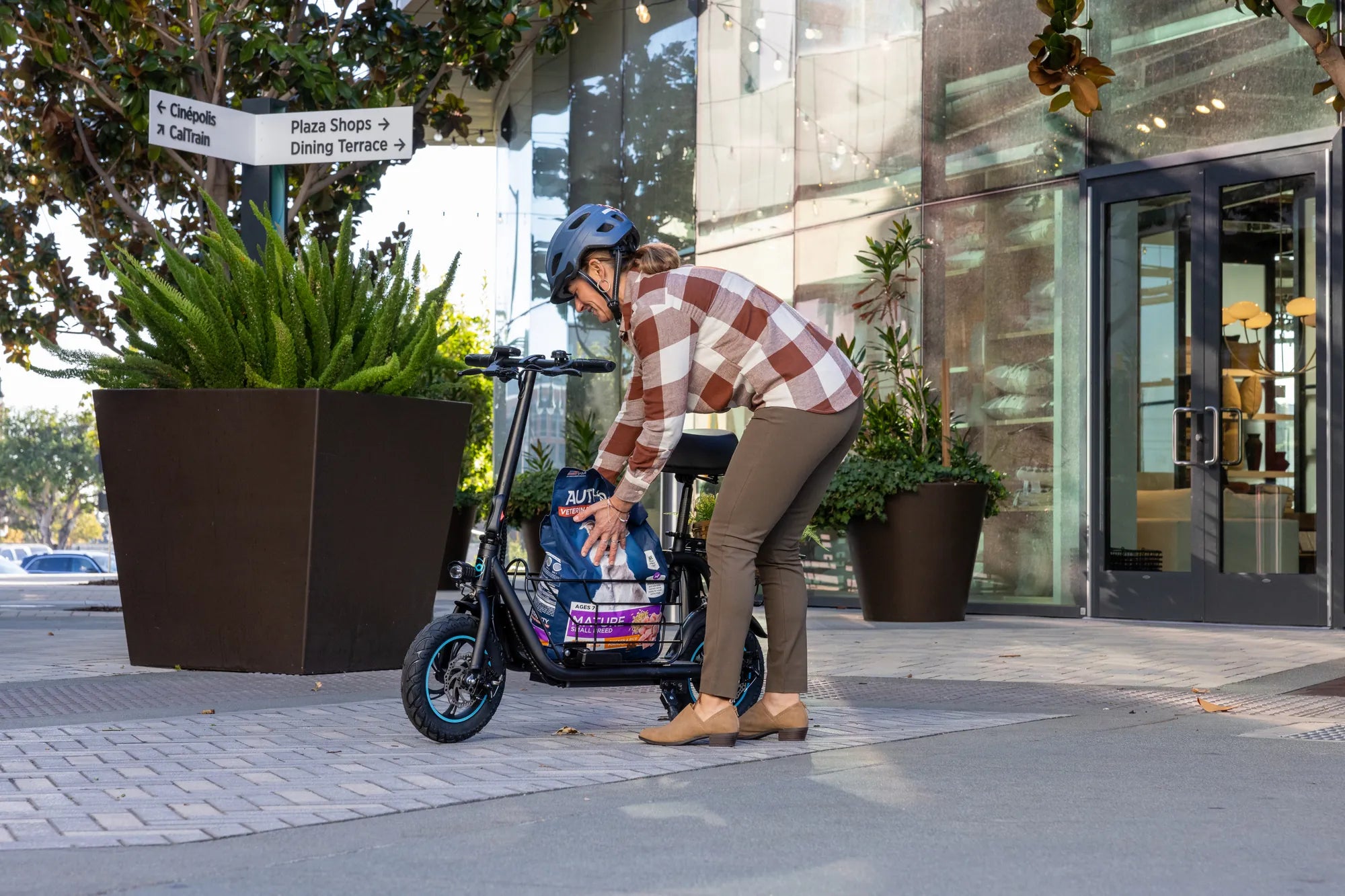
The Urban Mobility Revolution in India
Indian cities are at a crossroads of congestion, pollution, and inefficient transport. The search for a personal mobility solution that is affordable, reliable, and clean has never been more urgent. Electric scooters are emerging as the definitive answer, perfectly aligning with national sustainability goals and the daily realities of millions. This article delves deep into the multifaceted Benefits of Electric Scooters in India: A Sustainable and Cost-Effective Commute, providing a comprehensive analysis of why they represent more than just a vehicle—they are a lifestyle upgrade for the modern commuter.
You will learn about the undeniable economics of ownership, the tangible environmental impact, and the sheer convenience of navigating urban landscapes. We will also address critical factors like safety, reliability, and how to choose a scooter built for Indian conditions. The transition to electric is not a distant future concept; it is a practical, accessible reality transforming commutes today.
The Unbeatable Economics: A Detailed Cost Analysis
The primary driver for the adoption of electric scooters is straightforward: they save money. When compared to internal combustion engine (ICE) two-wheelers, the total cost of ownership (TCO) of an e-scooter is significantly lower. This advantage stems from three core areas: drastically lower "fuel" costs, minimal maintenance, and attractive government incentives.
For the average Indian commuter, transportation is a major monthly expense. The volatile price of petrol directly impacts household budgets. Electric scooters decouple your commute from the oil market, locking in low, predictable energy costs. The savings begin from day one and compound over the scooter's lifespan.
Furthermore, state and central government policies under schemes like FAME II (Faster Adoption and Manufacturing of Electric Vehicles) provide direct subsidies, reducing the upfront purchase price. Many states also offer additional benefits like road tax exemptions and registration fee waivers, making the initial investment even more attractive.
Fuel vs. Electricity: The Per-KM Cost Breakdown
Let's examine the operational cost with a concrete, data-driven comparison. We assume a popular 110cc petrol scooter with an average fuel efficiency of 50 km/liter and an electric scooter with a consumption rate of 30 km per kWh unit of electricity.
| Cost Factor | Petrol Scooter (110cc) | Electric Scooter |
|---|---|---|
| Fuel/Electricity Cost (Assumed) | ₹105 per liter | ₹8 per kWh (Home Charging) |
| Distance per Unit | 50 km per liter | 30 km per kWh |
| Cost to travel 50 km | ₹105 | ≈ ₹13.33 |
| Annual Cost (8,000 km commute) | ₹16,800 | ≈ ₹2,133 |
| Annual Savings with E-Scooter | ₹14,667 | |
This table illustrates a staggering 87% reduction in energy costs. For a daily commute, the electric scooter costs mere paise per kilometer. These savings quickly recover any perceived price premium on the initial purchase.
Lower Maintenance, Fewer Headaches
The mechanical simplicity of an electric scooter is a major economic and practical benefit. Unlike petrol scooters, e-scooters have far fewer moving parts: no internal combustion engine, clutch, gearbox, oil filters, or complex exhaust systems.
This translates to minimal routine maintenance. There are no oil changes, spark plug replacements, or air filter cleanings. Primary maintenance involves checking brake pads, tire pressure, and ensuring the electrical system is intact. The regenerative braking systems on many models also reduce wear on traditional brake components.
The result is significantly lower annual servicing costs and less downtime. For Indian riders, this means fewer trips to the service center, no surprise engine repairs, and a vehicle that is consistently ready for the daily grind, offering unparalleled peace of mind and reliability.
Environmental Impact: Towards Cleaner Air and Cities
Beyond personal economics, the Benefits of Electric Scooters in India: A Sustainable and Cost-Effective Commute have a profound societal dimension. Transportation is a major contributor to urban air pollution, and two-wheelers constitute a large portion of vehicle fleets in cities. Electric scooters produce zero tailpipe emissions, directly improving local air quality where people live and work.
Switching to electric mobility is a direct action against the smog that blankets many Indian metros. It reduces the emission of harmful pollutants like nitrogen oxides (NOx), particulate matter (PM2.5), and carbon monoxide (CO). This leads to tangible public health benefits, including lower rates of respiratory and cardiovascular diseases.
On a national scale, the adoption of EVs is crucial for India to meet its commitments under international climate agreements like COP26. Decarbonizing the transport sector is a key pillar of the nation's strategy for sustainable development and energy security.
Reducing Your Personal Carbon Footprint
While e-scooters use electricity, which may be generated from coal in some regions, their overall carbon footprint is still substantially lower than petrol vehicles. The Indian grid is rapidly greening with solar and wind power, making EVs cleaner every year.
According to studies by agencies like The International Council on Clean Transportation (ICCT), even when accounting for grid emissions, a typical electric two-wheeler in India can reduce greenhouse gas emissions by 30-50% compared to a petrol counterpart over its lifetime. As the grid gets cleaner, this reduction approaches 100%.
For an individual rider commuting 8,000 km annually, switching to an electric scooter can prevent approximately 300-400 kg of CO2 emissions from entering the atmosphere each year. This is a meaningful personal contribution to combating climate change, aligning personal transport choices with global environmental responsibility.
Navigating Urban India: Practicality and Convenience
The design of electric scooters is inherently suited to the challenges of Indian urban infrastructure. Their compact size, lightweight construction (compared to cars), and agile handling make them the ideal tool for navigating crowded streets, narrow lanes, and chaotic traffic conditions.
Parking, a perpetual nightmare in cities like Mumbai, Delhi, or Bangalore, becomes a trivial task. An e-scooter can be parked in a fraction of the space required for a car, often for free or at a minimal cost. This eliminates one of the most significant daily hassles for urban dwellers.
Many models are also eligible to use bicycle lanes in cities that have them, providing a faster, safer alternative to mixing with heavy motor vehicle traffic. The quiet operation of an electric motor also reduces noise pollution, contributing to more pleasant urban environments.
Beating the Traffic Jam
Time is a valuable commodity. Electric scooters, with their instant torque and maneuverability, are exceptionally effective at cutting commute times in congested areas. They can filter through stationary or slow-moving traffic where cars and larger vehicles are stuck.
This ability to maintain a steady, efficient pace during peak hours translates to predictable travel times and less daily stress. The average commuter can save 15-30 minutes each way on a typical urban route, reclaiming hours per week for more productive or enjoyable activities.
The simplicity of operation—often with no gears to change—makes stop-and-go traffic less fatiguing. Features like a reverse mode, available on some premium models, further aid in maneuvering out of tight parking spots, adding another layer of everyday convenience.
Technology and Features: The Modern Riding Experience
Today's electric scooters are not just alternatives to petrol bikes; they offer a superior, tech-integrated riding experience. Digital dashboards provide real-time information on speed, battery level, range, and trip statistics. Many connect to smartphone apps for features like ride analytics, theft detection, geo-fencing, and remote battery status checks.
Keyless start, LED lighting systems for better visibility, and multiple riding modes (Eco, Normal, Sport) allow riders to tailor performance to their needs, optimizing either for range or acceleration. These features, once found only in premium vehicles, are becoming standard in the e-scooter segment.
The driving experience itself is a benefit. Smooth, silent acceleration without engine vibration or gear shifts makes for a more relaxed and enjoyable commute. The low center of gravity, often due to the floorboard-mounted battery pack, enhances stability and handling, inspiring confidence in new and experienced riders alike.
Choosing the Right Partner: Safety and Reliability are Paramount
The benefits discussed are fully realized only when the electric scooter is safe, durable, and dependable. The market has many options, but not all are built to withstand the unique demands of Indian roads, weather, and usage patterns. Choosing a brand with proven engineering and quality standards is critical.
Key concerns for Indian consumers include battery safety (risk of fire), water resistance for monsoons and puddles, build quality for potholed roads, and the availability of after-sales service and warranty support. A reliable brand addresses these concerns directly through its design and business practices.
The Gyroor Assurance: Engineered for Real-World Conditions
As a leading brand trusted by over 100,000 riders across North America and Europe, Gyroor designs its electric scooters with a global standard of quality that translates perfectly to Indian requirements. Understanding the core concerns leads to specific, engineered solutions.
First and foremost is battery safety. Every Gyroor scooter uses UL-certified battery packs, rigorously tested for over 500 charge cycles. This certification is a gold standard for electrical safety, significantly mitigating risks associated with overheating or short circuits—a paramount consideration for any rider.
Second is durability. With an IPX5 water-resistant rating, Gyroor scooters are protected against water jets from any direction. This means riding through monsoon showers or accidental splashes through deep puddles won't compromise the scooter's electrical systems. Coupled with robust construction and reliable motor assemblies, they are built for the long haul on challenging roads.
Finally, peace of mind is sealed with a comprehensive 1-year warranty, covering the vehicle, battery, and motor. This commitment underscores the brand's confidence in its product's reliability. For Indian riders comparing models for different use cases—be it last-mile connectivity, college commutes, or market runs—Gyroor offers a range where safety and performance are never compromised.
Addressing Common Concerns: Electric Scooter FAQ
Prospective buyers often have practical questions. Here are clear answers to the most common concerns.
Q1: What is the real-world range on Indian roads with traffic, weight, and terrain?
A: While manufacturers state a standard range (often 25-60 km per charge), real-world range is affected by rider weight, terrain, speed, and use of accessories like lights. On flat urban roads with moderate traffic, expect 80-90% of the stated range. Choosing a model with a range 20-30% higher than your daily need accommodates these variables comfortably.
Q2: How long does charging take, and what infrastructure is needed?
A> Most electric scooters charge fully in 4 to 8 hours using a standard 220V home socket. No special charging station is required. You can plug in overnight, similar to a phone, and have a full "tank" every morning. Some faster-charging models can reach 80% in 2-3 hours.
Q3: Is servicing and parts availability a problem?
A: Reputable brands have established service networks in major cities and tie-ups with local service centers. Unlike petrol engines, e-scooters have fewer serviceable parts. The most common needs are tire, brake, and suspension repairs, which any competent mechanic can handle. Always check the brand's service network coverage in your area before purchasing.
Q4: Are electric scooters powerful enough for flyovers and gradients?
A> Yes. Modern e-scooters with motors rated 250W and above, especially those with hub motors providing instant torque, handle moderate gradients and flyovers effectively. It's advisable to test-ride your specific route if possible, or choose a model known for good hill-climbing ability.
Q5: What happens if the battery runs out mid-journey?
A> Planning is key, much like watching a fuel gauge. Use the remaining range indicator. If you do run out, the scooter can be pushed or, in many cases, the battery pack is removable and can be taken to a nearby place to charge. Carrying the portable charger for opportunistic top-ups is a good practice during longer exploratory rides.
The Smart Choice for India's Future
The evidence is comprehensive and compelling. Electric scooters offer a powerful synergy of personal financial savings, societal environmental benefit, and unmatched urban practicality. They are not merely a transportation tool but a smarter, cleaner, and more efficient way of life for the Indian commuter.
From slashing daily commute costs by over 80% to contributing to cleaner air and reclaiming time lost in traffic, the advantages are immediate and tangible. The technology is mature, reliable, and supported by government policy. The question is no longer if you should switch, but which model best fits your life.
When making that choice, prioritize safety, durability, and proven performance. Opt for a brand that stands behind its product with robust engineering, like UL-certified batteries and water-resistant builds, and backs it with a solid warranty. Your commute is too important to trust to anything less.
Ready to experience the future of urban mobility? Explore a range designed for reliability and performance. Browse the full Gyroor collection at gyroorboard.com and find the electric scooter that will transform your daily journey into a sustainable, cost-effective, and enjoyable commute.
Mini Electric Balance Scooters: The Future of Urban Mobility
Are Electric Scooters Bad for the Environment? The Truth Behind the Trend