



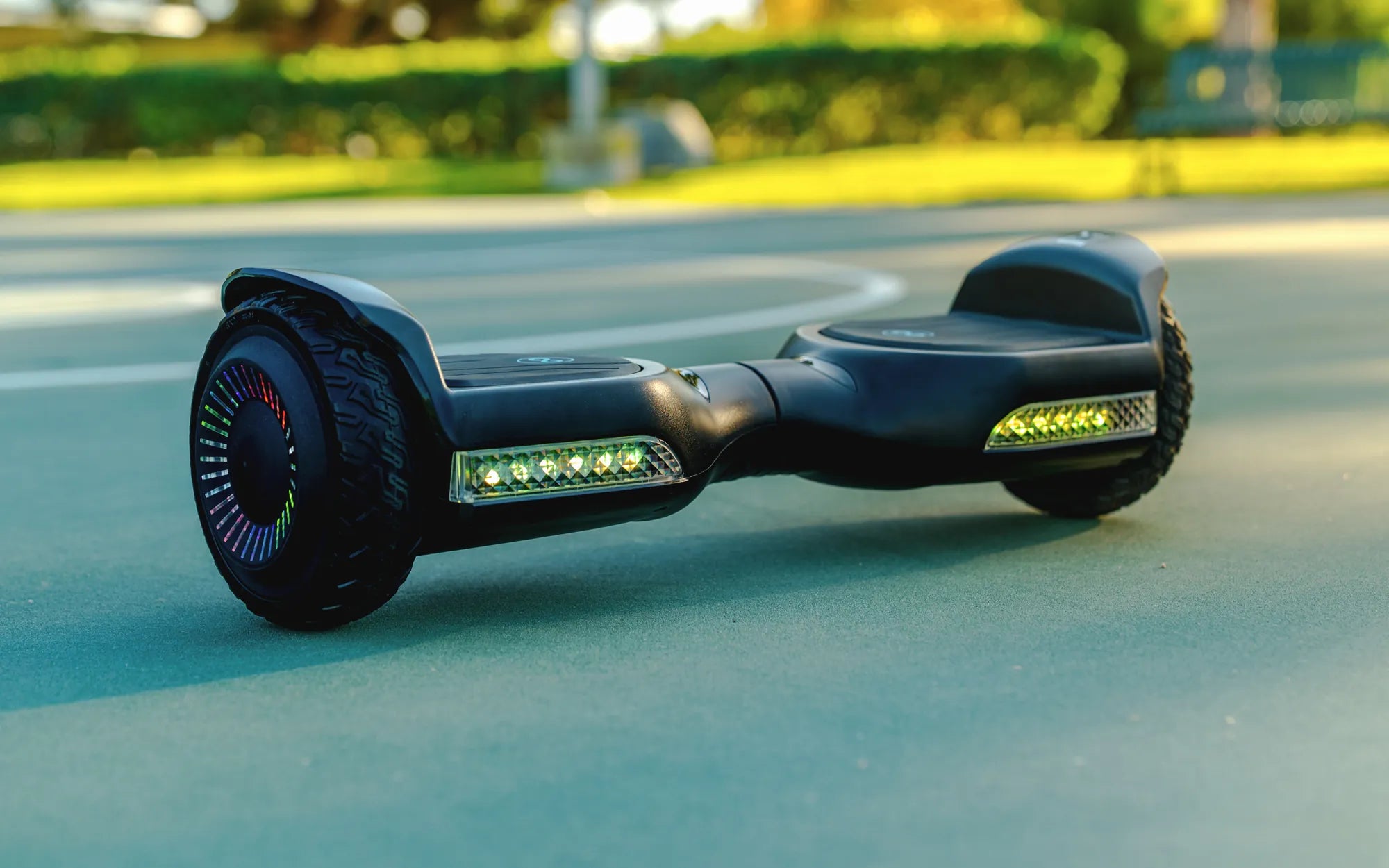
Ever wondered how a hoverboard seems to read your mind, moving smoothly with just a tilt of your feet? These sleek, self-balancing scooters have taken the world by storm, blending cutting-edge technology with intuitive controls. But beneath their futuristic design lies a complex interplay of sensors, motors, and physics that make the magic happen. Let’s dive into the inner workings of hoverboards and uncover the science that keeps you gliding effortlessly.
The Basics of Hoverboard Mechanics
A hoverboard operates on a combination of gyroscopic sensors, electric motors, and microprocessors. When you step onto the platform, pressure sensors detect your foot placement and weight distribution. These sensors communicate with the board’s central processing unit (CPU), which calculates the necessary adjustments to keep you balanced. The CPU then sends signals to the motors in each wheel, dictating speed and direction based on your movements.
Gyroscopic Sensors: The Brain of the Hoverboard
Gyroscopic sensors are the unsung heroes of hoverboard technology. These tiny devices measure angular velocity and orientation, allowing the board to detect even the slightest shifts in your posture. As you lean forward, the sensors relay this information to the CPU, which instructs the motors to accelerate. Leaning backward triggers the opposite response, slowing the wheels or reversing their direction. This real-time feedback loop creates the illusion of seamless motion, as if the board is an extension of your body.
Self-Balancing Technology: How It Keeps You Upright
Self-balancing is the cornerstone of hoverboard functionality. The board’s CPU continuously monitors data from the gyroscopic sensors and adjusts the wheel speeds to counteract any imbalance. For example, if you tilt too far forward, the motors spin faster to prevent a fall. This dynamic stabilization mimics the human body’s natural balance system, making it easy for riders of all skill levels to stay upright. Advanced models even incorporate machine learning algorithms to refine their responsiveness over time.
Electric Motors and Battery Power
Each wheel of a hoverboard is powered by its own electric motor, typically brushless for efficiency and durability. These motors draw energy from a rechargeable lithium-ion battery, which also powers the sensors and CPU. The battery’s capacity determines the hoverboard’s range, with most models offering between 10 and 15 miles on a single charge. Regenerative braking systems can extend battery life by converting kinetic energy back into stored power during deceleration.
Safety Features and Modern Innovations
Modern hoverboards include multiple safety features to protect riders. Overcurrent protection prevents motor burnout, while temperature sensors guard against battery overheating. Some models feature LED lights for nighttime visibility and Bluetooth connectivity for firmware updates. These innovations ensure a smoother, safer ride while pushing the boundaries of personal transportation technology.
From gyroscopic precision to self-balancing wizardry, hoverboards are a marvel of modern engineering. Whether you’re zipping through city streets or mastering tricks in your driveway, understanding the science behind your ride adds a whole new layer of appreciation. Ready to experience the future of mobility? Step on and let the technology do the rest.
How to Make Your Hoverboard Go Faster: Top Tips and Tricks
How to Recalibrate My Hoverboard: A Step-by-Step Guide for Smooth Riding