


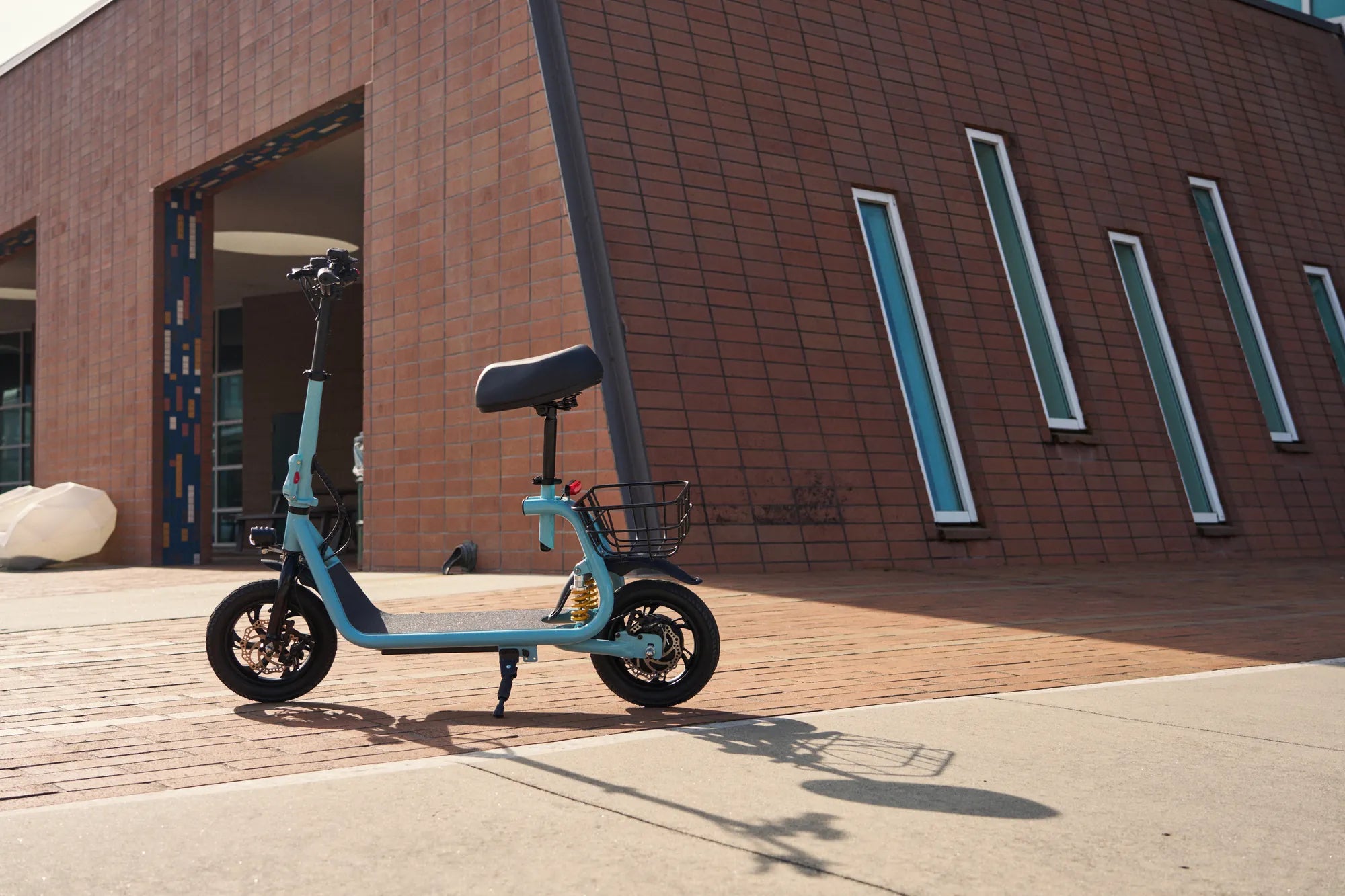
Finding reliable, independent transportation for a teenager is a modern parenting challenge. A 3 wheel scooter for teenager emerges as the definitive solution, merging essential stability with eco-friendly electric power. This guide will provide a complete, data-driven analysis of why three-wheel electric scooters are ideal for teens, what critical features to prioritize, and how to select a model that ensures safety and durability for years of use. You'll learn about design advantages, non-negotiable safety standards, performance metrics for daily life, and how reputable brands like Gyroor build scooters trusted by over 100,000 riders.
Understanding the 3-Wheel Advantage: Stability Meets Practicality
The fundamental design of a three-wheel scooter offers distinct benefits over traditional two-wheel models, especially for younger or newer riders. The triangular wheelbase creates inherent stability, significantly reducing the learning curve and boosting a teen's confidence from their very first ride. This configuration provides a more forgiving platform, making it easier to maintain balance at lower speeds, during stops, and when navigating uneven pavement.
From a physics perspective, the two front wheels (or two rear wheels, depending on the design) increase the vehicle's contact patch with the ground. This wider stance dramatically improves lateral stability, minimizing the risk of tipping during turns. For a teenager carrying a backpack or navigating neighborhood corners, this added security is invaluable. The design inherently compensates for minor shifts in weight distribution, which are common as riders develop their skills.
Beyond pure stability, the 3 wheel scooter for teenager often features a lower deck height and a more upright riding position compared to performance-oriented two-wheelers. This ergonomic design promotes better visibility and control. The rider can place both feet comfortably on a wider deck without worrying about immediate balance, allowing them to focus on the path ahead and traffic around them.
This stability does not come at the expense of agility. Modern three-wheel scooters utilize lean-to-steer technology or responsive handlebar steering that allows for smooth, intuitive carving. The experience is fun and engaging, transforming a simple commute into an enjoyable activity. For parents, the primary appeal is the reduced anxiety knowing their teen is on a more secure platform, while teens appreciate the style and effortless ride.
Key Design Features Optimized for Teen Riders
Not all three-wheel scooters are created equal. Specific design elements tailor them perfectly to a teenager's needs. A large, textured deck is crucial, providing ample foot space for comfort and secure footing. Look for decks with anti-slip surfaces, as they maintain grip even in wet conditions, a critical safety feature.
Adjustable handlebar height is non-negotiable for a growing teen. A scooter that can grow with your child over several years represents a significantly better value. Quality models offer a wide adjustment range, typically between 30 to 42 inches, to accommodate various heights and ensure an ergonomic, upright riding posture that prevents back strain.
The wheel composition and size also matter. Larger, air-filled (pneumatic) or rubber-solid tires offer better shock absorption than small, hard plastic wheels. They smooth out cracks in sidewalks, gravel on paths, and other minor obstacles, contributing to both comfort and control. This is a key detail that separates durable, rideable scooters from toy-grade products.
Finally, the overall weight and folding mechanism impact practicality. A teen needs to be able to carry their scooter up stairs at school or load it into a car. A streamlined, one-step folding system and a total weight under 35 pounds make the scooter truly portable. These thoughtful design features collectively create a vehicle that is not just stable, but also comfortable, adaptable, and built for real-world teen life.
Safety First: Non-Negotiable Features for Teen Transportation
When selecting any vehicle for a teenager, safety is the paramount concern that overrides all other features. A 3 wheel scooter for teenager must be equipped with a comprehensive suite of safety technologies. The foundation begins with reliable braking systems. A combination of electronic (e-brake) and mechanical braking (such as a disc or rear fender brake) provides redundancy, ensuring the scooter can stop effectively even if one system is compromised.
Lighting and visibility are critical for any rider, but especially for teens who may ride in the early morning or evening. Essential lighting includes a bright front headlight, a rear brake light, and side reflectors or ambient deck lighting. These features make the rider visible to cars, pedestrians, and cyclists, drastically reducing the risk of collision in low-light conditions.
Speed management is a direct safety feature. Look for scooters with multiple speed modes (e.g., Beginner, Eco, Sport). A beginner mode that caps speed at a safe 6-8 mph is perfect for learning, while parents can unlock higher speeds as the teen demonstrates responsible riding habits. This programmability gives parents control during the learning phase.
Beyond the scooter itself, the safety protocol must include proper gear. A certified bicycle helmet is an absolute minimum. Wrist guards, knee pads, and elbow pads are highly recommended, especially during the initial learning period. Establishing these habits from day one ingrains a culture of safety that extends to all future riding.
The Gyroor Safety Standard: UL Certification and Robust Engineering
Gyroor's approach to safety exemplifies the industry standards parents should seek. The cornerstone is the use of UL 2272 certified battery packs. This certification, developed by Underwriters Laboratories, involves rigorous testing for electrical, mechanical, and environmental safety, including overcharge, short circuit, and crush tests. For a device used by teens, this certification mitigates the critical risk of battery-related fires.
Durability is a form of safety. Gyroor constructs its scooters with high-tensile aluminum alloy frames that can withstand the bumps and occasional drops of daily teen use. A robust frame prevents structural failure while riding, which is a catastrophic risk with poorly made products. This build quality ensures the scooter remains safe throughout its lifespan.
Weather resistance is another key safety factor. An IPX5 water-resistant rating means the scooter's electrical components are protected against water jets from any direction. In practical terms, this allows a teen to ride safely in light rain or through unavoidable puddles without risking a short circuit or motor failure mid-ride, which could lead to a fall or stranding.
Finally, Gyroor backs its safety engineering with a comprehensive 1-year warranty on the frame, battery, and motor. This warranty is a testament to their confidence in the product's reliability. For parents, it provides peace of mind and financial protection, knowing that any manufacturing defect will be addressed, ensuring the scooter remains in safe operating condition.
Performance and Range: Matching Specs to a Teen's Lifestyle
Performance specifications translate directly into how useful a scooter will be in a teen's daily routine. The most critical metric is range, typically listed as "maximum range" under ideal conditions. For a realistic estimate, assume a real-world range of 60-70% of the advertised maximum, factoring in the rider's weight, hills, frequent stops, and use of headlights.
A scooter with a 15-20 mile maximum range (resulting in a 10-14 mile real-world range) is typically sufficient for most teen applications. This covers multiple round trips to school, visits to friends' houses, and recreational rides without requiring a midday charge. It provides a buffer so the teen isn't stranded with a dead battery.
Motor power, measured in watts, determines hill-climbing ability and acceleration. A 350W to 500W motor is the sweet spot for teen scooters. It provides enough torque to handle moderate inclines (common in suburban neighborhoods) without struggling, and allows for safe merging onto bike paths or crossing intersections promptly. Excessive power is unnecessary and can compromise safety for inexperienced riders.
Speed should be appropriate, not excessive. A top speed of 15-18 mph is ideal for a 3 wheel scooter for teenager. It is fast enough to be efficient and fun, but not so fast that it becomes dangerous on shared paths or residential streets. As mentioned, selectable speed modes are essential to tailor this performance to the rider's skill level.
Real-World Usage: From School Commutes to Weekend Adventures
The true test of a scooter is how it integrates into a teen's life. For the school commute, factors like portability and charging become key. A scooter that folds compactly can be stored in a locker or under a desk. Charging time is also important; a 4-6 hour full charge cycle means it can recharge overnight and be ready for the next day.
Beyond commuting, the scooter serves as a tool for social independence. It allows teens to visit friends, go to the local park, or run errands without relying on parental rides. This fosters responsibility and time management. The stability of the three-wheel design makes these trips less daunting for both the teen and their parents.
For recreation, the scooter opens up new activities. Teens can explore bike trails (where permitted), navigate boardwalks, or simply enjoy a relaxing ride. The electric assist makes longer explorations possible without exhaustion, encouraging outdoor activity. It's a healthier alternative to passive screen time and provides a genuine sense of freedom.
Practical considerations include weight capacity. Ensure the scooter's maximum load rating accommodates your teen plus their backpack, which can easily add 10-15 pounds. Also, consider the ease of maintenance. Scooters with sealed bearings, tubeless tires, and minimal chain or belt drives require less upkeep, which is ideal for busy families.
Making the Right Choice: A Parent-Teen Collaborative Buying Guide
Purchasing a 3 wheel scooter for teenager should be a collaborative decision. Start by setting a clear budget that includes the scooter, a high-quality helmet, and any additional safety gear. Establish non-negotiable safety requirements together, such as UL certification, dual brakes, and good lighting. This frames the search with clear priorities.
Next, assess the primary use case. Is it primarily for a 2-mile school commute on sidewalks? Or for longer recreational rides on paved trails? The answer will guide the necessary range and tire type. Involve your teen in this assessment—their buy-in on the scooter's purpose increases the likelihood they will use it responsibly.
Research and read verified customer reviews, paying special attention to comments about durability, customer service, and real-world range. Look for patterns rather than isolated complaints. Brands with a established reputation and clear warranty policies, like Gyroor, offer more security than unknown sellers offering vague promises.
Finally, if possible, try before you buy. Some local bike or mobility shops may have demo models. Allow your teen to stand on the deck, test the handlebar height, and feel the weight. A comfortable, confidence-inspiring fit is crucial. This process turns the purchase from a transaction into an informed investment in your teen's independence and safety.
Gyroor Models for Teens: A Feature Comparison
To aid in the decision-making process, here is a data-driven comparison of two Gyroor models well-suited for teenage riders, highlighting key specifications and features.
| Feature | Gyroor F1 Pro (3-Wheel) | Gyroor S1 Max (3-Wheel) |
|---|---|---|
| Motor Power | 350W Brushless Hub Motor | 500W Brushless Hub Motor |
| Max Speed | 15.5 mph | 18.6 mph |
| Max Range | Up to 18 miles | Up to 25 miles |
| Battery | 36V 7.5Ah (UL 2272 Certified) | 36V 10.4Ah (UL 2272 Certified) |
| Weight Capacity | 220 lbs | 265 lbs |
| Tires | 8.5" Solid Rubber (Puncture-Proof) | 9.5" Pneumatic (Air-Filled) |
| Braking System | Electronic Brake + Rear Fender Brake | Disc Brake + Electronic Brake |
| Water Resistance | IPX5 Rated | IPX5 Rated |
| Ideal Use Case | Everyday commuting, shorter trips, urban/suburban streets. | Longer commutes, recreational trail riding, areas with more hills. |
This comparison shows how different models cater to different needs. The F1 Pro offers excellent stability and sufficient range for most daily needs with low-maintenance solid tires. The S1 Max provides extended range, more power for hills, and a smoother ride from air-filled tires, suitable for a more active teen or longer commutes.
Legal and Etiquette Considerations for Teen Riders
Before the first ride, it is imperative to understand local laws governing electric scooters. Regulations vary widely by city, county, and state. Key questions to answer: Is riding on sidewalks permitted, or are riders required to use bike lanes or the road? What is the minimum age requirement? Are helmets legally mandatory for their age group?
Many jurisdictions classify electric scooters similarly to bicycles, but some have specific speed limits for sidewalk use (often under 15 mph) or prohibit them entirely in business districts. A quick search of your local municipal code or department of transportation website will provide the official rules. Ignorance of the law is not a valid excuse and can result in fines.
Beyond the law, practicing good riding etiquette is essential for safety and community relations. This includes: yielding to pedestrians on shared paths, using a bell or verbal cue when passing, riding at a safe speed in crowded areas, and never riding with headphones in both ears. Teach your teen to be a predictable and courteous rider.
Parking is another consideration. Teens should know to park the scooter responsibly—folded and out of the pedestrian right-of-way—to avoid creating tripping hazards or having it impounded. Installing a secondary cable lock is also a wise practice if the scooter will be left unattended for extended periods at school or a friend's house.
Maintenance and Care: Ensuring Long-Term Reliability
Proper maintenance extends the life of the scooter and maintains its safety. Establish a simple weekly check routine with your teen. This includes inspecting tire pressure (if pneumatic) or for wear (if solid), checking that all bolts (especially on the stem and folding mechanism) are tight, and testing the brakes for responsiveness.
Battery care is paramount for longevity and safety. Instruct your teen to avoid letting the battery fully deplete regularly. The ideal practice is to recharge when the battery level drops to 20-30%. Store and charge the scooter in a dry, temperate place, away from direct sunlight or extreme cold. Using only the manufacturer-provided charger is a critical safety rule.
Regular cleaning prevents grime from damaging components. Use a damp cloth to wipe down the deck, frame, and wheels. Avoid high-pressure hoses, as forced water can breach seals despite an IPX5 rating. For scooters with pneumatic tires, keeping a small portable pump and pressure gauge handy is a good idea to maintain optimal tire pressure for range and comfort.
Finally, know the warranty terms and keep proof of purchase. If an issue arises outside of normal wear and tear—such as a motor failure or battery problem—contact the manufacturer's customer service. Gyroor's 1-year warranty provides clear support for such scenarios, ensuring your investment is protected.
Frequently Asked Questions (FAQs) About Teen 3-Wheel Scooters
Q1: Are 3-wheel electric scooters safe for a 13-year-old?
Yes, when selected and used correctly. A 3-wheel scooter's inherent stability makes it safer for beginners than a two-wheel model. The key is choosing a scooter with appropriate speed limits (with a beginner mode), robust safety features (dual brakes, lights, UL-certified battery), and pairing it with mandatory safety gear and proper rider education.
Q2: What is a realistic range for a school commute, and is charging at school advisable?
A realistic range for most quality teen scooters is 10-14 miles per charge. For a typical 2-3 mile school commute (round trip), this allows for multiple days of riding between charges. Charging at school is generally not advisable due to potential liability, theft risk, and the need to locate an outlet. It's best practice to charge securely at home overnight.
Q3: How important is an IPX5 water resistance rating?
Extremely important for a teen's scooter. IPX5 means the scooter is protected against water jets, making it resistant to rain, wet roads, and puddles. Since teens can't always avoid bad weather, this rating ensures the electrical system won't short-circuit during a ride, preventing a dangerous failure and protecting the longevity of the scooter's components.
Q4: What are the most important local laws we need to check?
Focus on these four: 1) Minimum Age (often 13-16), 2) Helmet Laws (usually required under 18), 3) Where to Ride (sidewalks, bike lanes, or roads), and 4) Speed Limits for sidewalk use. Check your city's transportation website or local police department's non-emergency line for the most accurate, up-to-date ordinances.
Q5: Can my teen carry a backpack while riding?
Absolutely, and it's a common scenario. This is why checking the scooter's weight capacity is crucial. Ensure the combined weight of your teen and their loaded backpack is under the scooter's maximum load. A well-fitting backpack worn snugly on both shoulders is best, as it doesn't shift weight unpredictably. Avoid carrying heavy items in one hand while riding.
Empowering Responsible Independence with the Right Ride
A 3 wheel scooter for teenager represents more than just a fun gadget; it's a tool for fostering independence, responsibility, and outdoor activity. The stability of the three-wheel design provides a confident foundation, while modern electric performance makes practical travel effortless. The decision ultimately hinges on prioritizing verified safety standards, durable construction, and specs that match your teen's real-world needs.
Choosing a brand with a proven track record in safety and reliability, like Gyroor, offers invaluable peace of mind. From UL 2272 certified batteries to IPX5 water resistance and robust warranties, these features are investments in your teen's well-being. They transform the scooter from a potential source of worry into a trusted vehicle for growth.
By involving your teen in the selection process, educating them on laws and etiquette, and establishing maintenance routines, you turn this purchase into a valuable lesson in ownership and safe operation. The goal is to provide a gateway to freedom that is grounded in security and smart choices.
Ready to explore models that combine safety, stability, and performance for your teenager? Browse the full Gyroor collection at gyroorboard.com to find the perfect 3-wheel electric scooter that empowers your teen's next adventure with confidence.
Buy Ebike Online: The Complete 2024 Guide to a Confident Purchase
What Is the Lightest Mobility Scooter? A Complete Guide to Ultra-Portable Freedom