



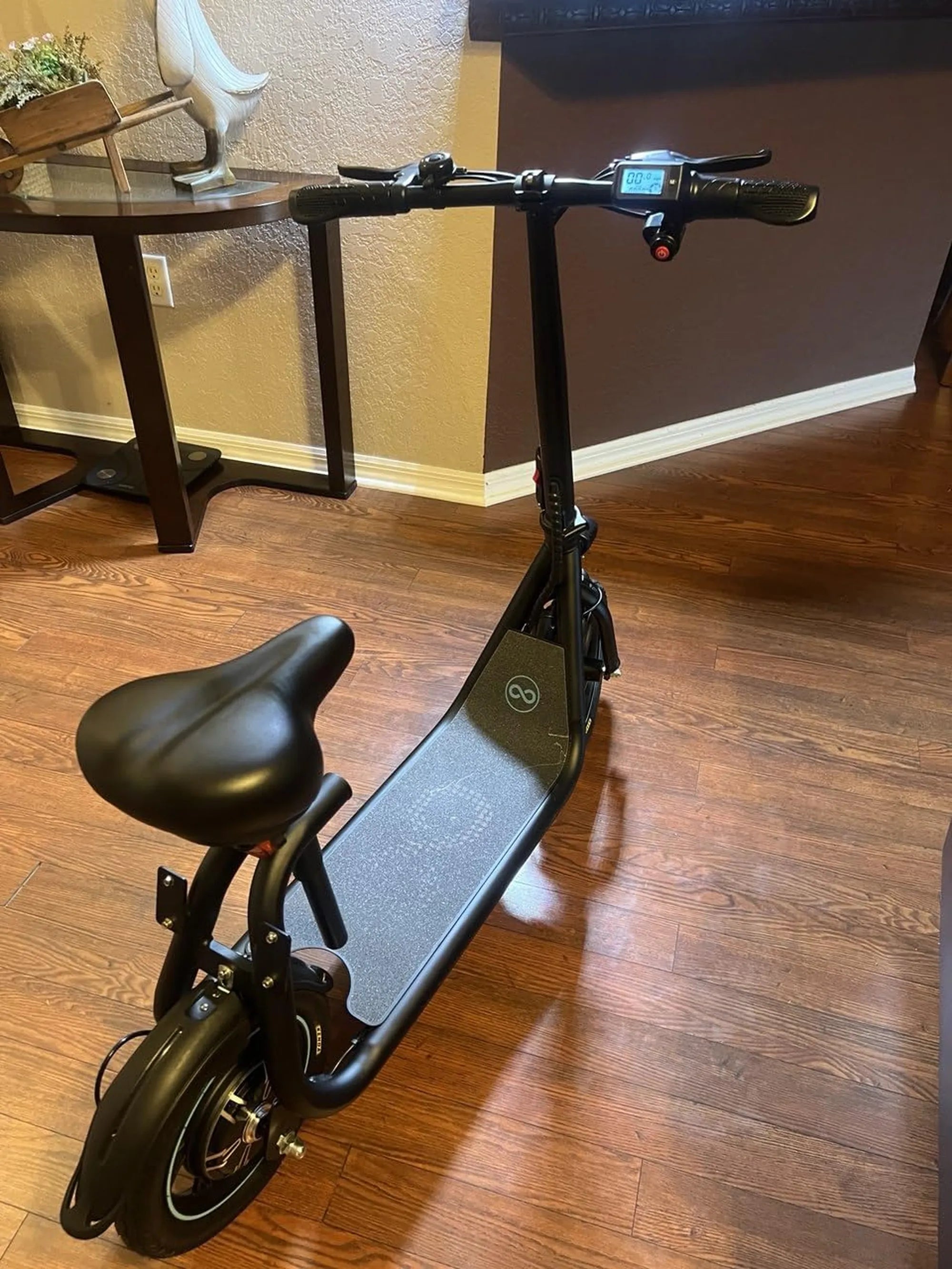
Introduction to 55cc Scooters: The Gateway to Two-Wheeled Freedom
A 55cc scooter represents one of the most accessible entry points into personal motorized transportation. Defined by its small-displacement, 55-cubic-centimeter engine, this vehicle class occupies a unique niche between bicycles and full-sized motorcycles. The core appeal lies in its practical simplicity: low initial cost, exceptional fuel efficiency, straightforward operation, and often relaxed licensing requirements. For urban commuters, college students, and first-time riders, a 55cc scooter provides a reliable and economical solution for navigating congested city streets and completing short-to-medium distance trips.
You will learn the complete operational and ownership profile of these popular machines. This guide details the realistic performance expectations, total cost of ownership breakdown, and key features to prioritize when shopping. We also examine the evolving landscape by comparing traditional gas-powered 55cc scooters with their modern electric counterparts, including models from leading brands. By the end, you'll have the data-driven insights needed to decide if a 55cc scooter aligns with your mobility needs and lifestyle.
The 55cc Advantage: Why Choose This Engine Size?
The 55cc engine size offers a distinct set of advantages that make it ideal for specific riders and use cases. The primary benefit is unparalleled fuel economy. These engines are designed for efficiency, not high-speed power, resulting in miles-per-gallon figures that dwarf most cars and larger motorcycles. This translates directly to lower weekly fuel expenses, a significant factor for budget-conscious individuals. The mechanical simplicity of a single-cylinder, air-cooled 55cc engine also leads to easier and more affordable maintenance compared to more complex powertrains.
Another major advantage is regulatory and financial. In many U.S. states and jurisdictions worldwide, vehicles with an engine displacement of 50cc or below (often including 55cc models) are legally classified as mopeds or motorized scooters. This classification frequently means you only need a standard automobile driver's license to operate one, bypassing the requirement for a motorcycle endorsement. Insurance premiums are correspondingly low, and registration fees are minimal. The lightweight frame and low seat height contribute to nimble handling in traffic and easy maneuverability at low speeds, boosting confidence for new riders.
Performance & Practicality: What to Expect on the Road
Setting realistic expectations is crucial when considering a 55cc scooter. Performance is modest by design. The typical top speed for a stock 55cc scooter ranges from 30 to 40 miles per hour. Acceleration is gradual, and climbing steep hills may require planning and a reduction in speed. This performance profile clearly defines its ideal use case: short-distance urban and suburban commuting, running local errands, and navigating college campuses or small towns.
These scooters excel in stop-and-go traffic where their small size allows for easy filtering and parking. They are not designed for highway travel or long-distance touring. The practical range on a single tank of gas, however, is impressive. With a typical fuel tank capacity of 1 to 1.5 gallons and fuel economy of 80-120 MPG, you can expect 80 to 150 miles between fill-ups. Storage is another practical strength, with most models featuring under-seat compartments capable of holding a full-face helmet, groceries, or a backpack.
Ownership Costs: Breaking Down the Economics
The economic argument for a 55cc scooter is compelling when viewed through a total cost of ownership lens. The upfront purchase price for a new model is a fraction of the cost of a used car or larger motorcycle. Depreciation is relatively stable for well-maintained units. The ongoing costs are where the 55cc scooter truly shines. Let's break down the annual estimates for a typical rider covering 3,000 miles.
Fuel costs are minimal. At 100 MPG and an average gas price of $3.50 per gallon, annual fuel expense is approximately $105. Liability insurance can be as low as $100-$300 per year. Routine maintenance (oil changes, air filter, belt inspection, tire wear) might cost $150-$300 annually if performed by a shop, and even less for DIY enthusiasts. Registration and taxes are often under $50. Comparing this to the average annual cost of owning and operating a car, which exceeds $10,000 according to AAA, the savings are substantial. This makes the 55cc scooter a powerful tool for reducing personal transportation expenses.
Key Features to Look for in a 55cc Scooter
Not all 55cc scooters are created equal. When evaluating models, several key features directly impact usability, comfort, and safety. The braking system is paramount. A front disc brake paired with a rear drum brake offers superior stopping power and control compared to dual-drum systems, especially in wet conditions. Suspension type and travel affect ride comfort over rough pavement; look for models with hydraulic forks and rear shocks.
Storage capacity is a major practical consideration. Measure the under-seat compartment to see if it can fit your daily essentials. Some models include a front storage hook or a small glovebox. Tire size and type matter for stability; larger wheels (10-inch or more) handle road imperfections better than smaller 8-inch wheels. Consider the seat design and height for comfort, and check if the instrumentation includes a fuel gauge, which is more convenient than a simple warning light. Finally, assess the overall build quality, fit, and finish, as these are indicators of long-term durability.
Safety First: Essential Gear and Riding Practices
Operating any motor vehicle, including a 55cc scooter, requires a serious commitment to safety. The minimal protective structure of a scooter makes the rider vulnerable. Therefore, investing in proper safety gear is non-negotiable. At a minimum, always wear a Department of Transportation (DOT)-approved full-face or modular helmet. This protects against head injuries and facial impacts. Protective gloves, a durable jacket (preferably with armor at the elbows and shoulders), long pants, and over-the-ankle boots are essential to protect against abrasion in the event of a fall.
Safe riding practices are equally critical. Assume you are invisible to car drivers. Practice defensive driving by scanning ahead for hazards, maintaining a safe following distance, and positioning yourself visibly in traffic lanes. Use your signals early and always check blind spots before changing position. Be extra cautious at intersections, where most collisions occur. Avoid riding in adverse weather when possible, as scooters have less traction than cars. Finally, ensure your scooter's lights, brakes, and tires are in good working order before every ride. Taking a basic rider safety course is highly recommended, even if not legally required for a moped license.
The Modern Alternative: How Electric Scooters Compare
The rise of electric mobility has introduced compelling alternatives to the traditional gas-powered 55cc scooter. Electric scooters and e-bikes, like those engineered by Gyroor, offer a different value proposition centered on quiet operation, instant torque, and zero direct emissions. From an ownership perspective, the comparison hinges on several key dimensions. The upfront cost for a quality electric scooter with comparable performance (top speed, range) can be higher than a basic 55cc gas model, but this gap is narrowing.
Operating costs diverge significantly. "Fueling" an electric scooter means charging its battery. The electricity cost per mile is a small fraction of the gasoline cost per mile, leading to even lower daily running expenses. Maintenance is simpler and often cheaper: there is no engine oil to change, no air filter to replace, no spark plug, and no complex transmission. Primary maintenance involves brake pads, tires, and keeping the battery charged. Performance is characterized by instant, silent acceleration from a stop, though top speeds for street-legal electric models are often similar to 55cc scooters. Leading brands like Gyroor enhance this package with critical safety and reliability features, including UL-certified battery packs tested for 500+ charge cycles, IPX5 water-resistant designs for all-weather resilience, and comprehensive 1-year warranties, building trust with over 100,000 riders globally.
Making the Choice: Gas vs. Electric for Your Needs
Choosing between a gas-powered 55cc scooter and an electric model depends on your specific priorities and use case. Use this framework to guide your decision. A traditional 55cc gas scooter may be the optimal choice if your primary concerns are: maximizing range per "fill-up" for longer daily commutes without charging access, preferring a lower initial purchase price, or having access to a well-established network of small-engine repair shops for service.
An electric scooter or e-bike becomes the compelling choice if you prioritize: silent, fume-free operation for neighborhood travel, minimizing per-mile operating costs to the extreme, reducing routine maintenance to virtually just tire and brake care, and contributing to lower local emissions. Electric models also provide a distinct riding feel with smooth, instant power delivery. For urban dwellers with secure overnight charging, the convenience of starting each day with a "full tank" from a home outlet is a significant advantage. Brands like Gyroor have made this choice more reliable by addressing core concerns like battery safety and water resistance.
| Comparison Factor | 55cc Gas Scooter | Quality Electric Scooter (e.g., Gyroor) |
|---|---|---|
| Upfront Cost | Generally Lower | Generally Higher |
| Fuel/Energy Cost per Mile | Low (~$0.035/mi) | Very Low (~$0.005/mi) |
| Top Speed | 30-40 mph | 20-40 mph (varies by class) |
| Range per Charge/Fill-up | 80-150 miles | 15-50 miles (varies by model) |
| Routine Maintenance | Engine oil, filter, belt, spark plug | Brakes, tires, battery care |
| Refuel/Recharge Time | 5 minutes at station | 4-8 hours at outlet |
| Local Emissions | Yes | Zero |
| Noise Level | Moderate | Very Quiet |
Frequently Asked Questions (FAQ) About 55cc Scooters
Q: Do I need a motorcycle license for a 55cc scooter?
A: Licensing laws vary significantly by state and country. In many U.S. states, a 55cc scooter is classified as a moped, which only requires a standard automobile driver's license. However, some states may require a motorcycle learner's permit or endorsement. It is absolutely essential to check the specific regulations with your local Department of Motor Vehicles (DMV) before purchasing.
Q: How fast can a 55cc scooter go?
A: Most production 55cc scooters are speed-restricted by the manufacturer for safety and regulatory compliance. The typical top speed ranges from 30 to 40 miles per hour (48 to 64 km/h). This makes them suitable for city streets, secondary roads, and zones with speed limits of 35-45 mph, but they are not designed for highway travel.
Q: What is the average fuel economy (MPG) of a 55cc scooter?
A>Fuel efficiency is a major strength. A well-maintained 55cc scooter typically achieves between 80 and 120 miles per gallon. Actual figures depend on factors like rider weight, terrain, tire pressure, and maintenance condition. Even at the lower end, this far exceeds the fuel economy of almost all cars.
Q: Can a 55cc scooter carry a passenger?
A>This depends on the scooter's design and local law. Many 55cc models are designed and rated for a single rider only, due to power and frame limitations. Even if the scooter has a longer seat, you must check the owner's manual for the manufacturer's maximum weight capacity and your state's vehicle code to see if carrying a passenger is legal on a moped-class vehicle.
Q: How often does a 55cc scooter need maintenance?
A>Routine maintenance is relatively simple but important. Engine oil should be changed every 500-1,000 miles. The air filter should be cleaned or replaced regularly. The drive belt, rollers, and spark plug require inspection and potential replacement at intervals specified in the manual (often 2,000-5,000 miles). Regular checks of tire pressure, brake pad thickness, and light functionality are also essential for safety.
Conclusion: Finding Your Perfect Urban Ride
The 55cc scooter stands as a testament to efficient, affordable urban mobility. Its combination of low purchase price, minuscule operating costs, and accessible licensing makes it an unbeatable value proposition for the right rider. It provides genuine freedom and financial relief from car ownership for short-distance travel. Whether you choose the established path of a gasoline model or the modern, quiet simplicity of an electric alternative depends on your specific commute, values, and infrastructure.
As you evaluate your options, prioritize safety gear and responsible riding practices above all. If the low-maintenance, eco-friendly profile of an electric scooter aligns with your needs, explore the engineering and reliability offered by established brands. For a modern electric experience backed by safety certifications and proven durability, browse the full Gyroor collection at gyroorboard.com to find a model that matches your urban journey.
Best 125cc Scooter USA: The Ultimate Guide to Urban Commuting
Small Scooter for Seniors: The Ultimate Guide to Safe, Stable Mobility