


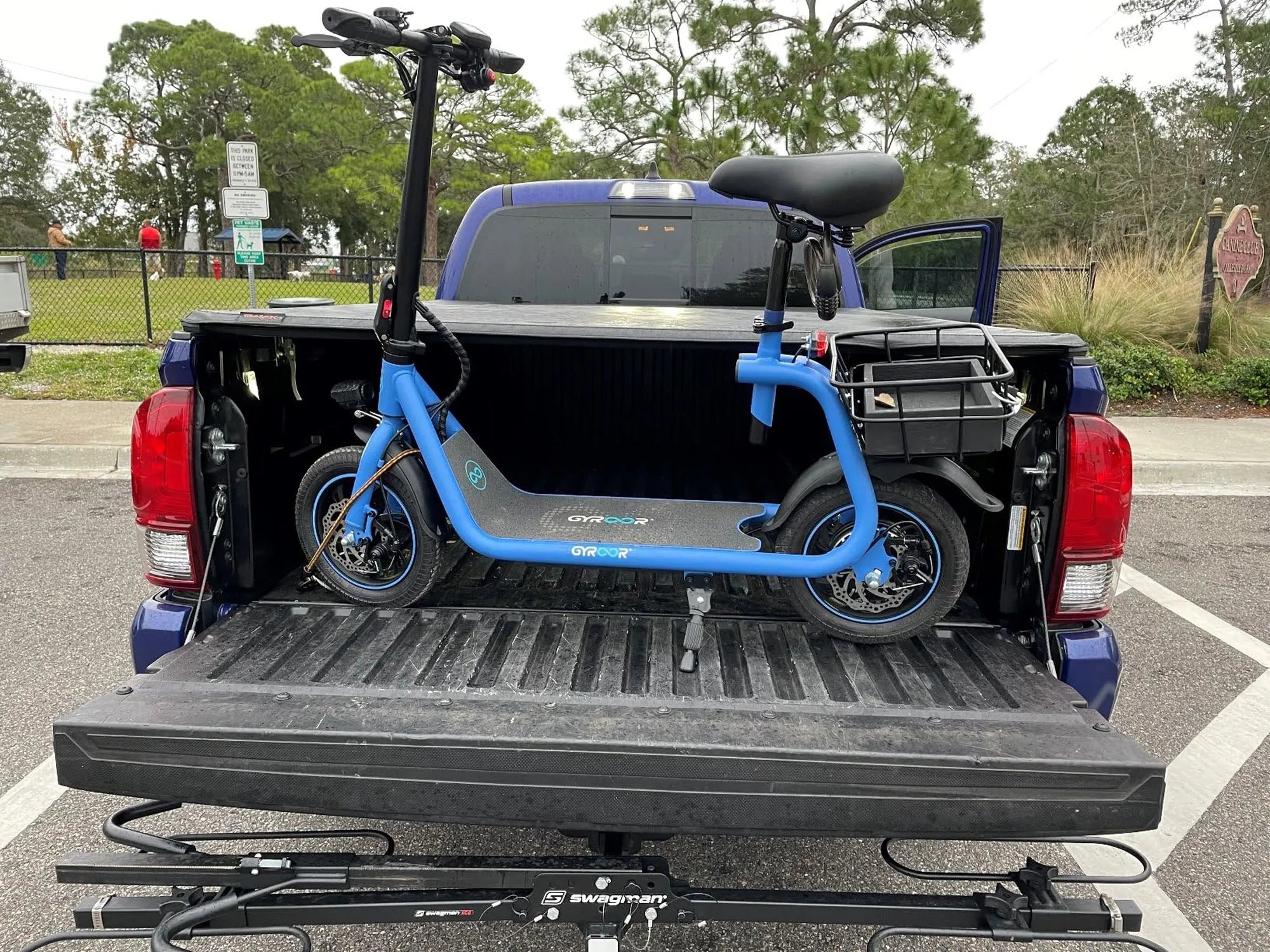
Introduction to High-Speed Electric Scooters
An 80 mph scooter for sale represents the pinnacle of electric personal transportation, a machine built for extreme performance. These scooters cater to thrill-seekers and riders seeking long-distance, high-speed commuting capabilities far beyond standard models. This guide will dissect the engineering marvels, navigate the complex legal landscape, and assess the practical realities of owning such a powerful vehicle.
You will learn what components make 80 mph speeds possible, the critical safety systems required, and the jurisdictions where operation is legal. We will compare these ultra-performance scooters against high-speed commuter alternatives to help you determine if this is the right choice for your needs. Understanding the full scope of ownership is crucial before pursuing an 80 mph scooter for sale.
The allure is undeniable: highway-capable speeds on a relatively compact platform. However, this performance comes with significant responsibilities, costs, and legal restrictions that every potential buyer must understand. This article provides the factual, data-driven analysis needed to make an informed decision.
The Engineering Behind 80 MPH: What Makes It Possible
Achieving a sustained 80 mph on an electric scooter requires a complete re-engineering of standard scooter components. It is not merely a matter of increasing motor power; it demands a holistic approach to power delivery, stability, and control. The core systems must work in harmony to handle the immense stresses of triple-digit kilometer-per-hour speeds.
The powertrain is the heart of the system. Most genuine 80 mph scooters utilize dual high-wattage motors, often in the range of 2000W to 3000W each. These motors are typically hub-mounted but are engineered with advanced cooling systems to prevent overheating during sustained high-speed runs. The combined power output rivals that of many electric motorcycles.
Equally critical is the battery system. To feed these powerful motors, scooters require high-voltage, high-capacity battery packs. Common configurations are 60V or 72V systems with capacities ranging from 30Ah to 40Ah or more. The battery's discharge rate (C-rating) must be exceptionally high to deliver the instantaneous current demanded during acceleration at this performance level.
The chassis and suspension must be utterly robust. Frames are constructed from reinforced aluminum alloys or steel to resist flex and torsion at speed. Suspension systems go beyond basic spring shocks, incorporating hydraulic or pneumatic systems with adjustable preload and damping to maintain tire contact and stability on varied surfaces at high velocity.
Safety Systems and Rider Protection
At 80 mph, standard scooter safety features are wholly inadequate. Braking systems are paramount. These scooters employ dual or triple hydraulic disc brakes, often with large-diameter rotors for maximum heat dissipation. Many integrate regenerative braking to aid deceleration and recapture energy, but primary stopping power is mechanical and must be flawless.
Lighting and visibility are non-negotiable. Ultra-bright LED headlights, tail lights, brake lights, and comprehensive turn signals are standard. Some models include adaptive lighting or laser-projected lane markers. The frame itself must incorporate reflective materials for visibility to other vehicles when riding at highway speeds.
Tire choice moves from commuter-focused to performance-grade. These scooters use wide, street-rated pneumatic tires with deep tread patterns designed for wet and dry pavement grip at high speeds. Tubeless tires are often preferred for their safety benefits. The wheels themselves are reinforced to handle the increased centrifugal forces and potential impact from road imperfections.
The Gyroor Commitment to Performance and Safety
While Gyroor's current production models focus on the high-performance commuter and off-road segments (typically 25-45 mph), the engineering principles for safety and reliability are directly applicable to the ultra-high-speed category. For any scooter approaching such speeds, the foundational elements Gyroor prioritizes are essential.
Battery safety is the most critical. Gyroor uses only UL-certified battery packs, which undergo rigorous testing for thermal stability, short-circuit protection, and consistent performance over 500+ charge cycles. In an 80 mph scooter, a stable, high-discharge battery managed by an advanced BMS (Battery Management System) is the difference between reliability and catastrophic failure.
Build quality and water resistance ensure longevity. An IPX5 water-resistant rating, a standard on many Gyroor models, is crucial for a vehicle that may encounter road spray. The robust frame construction and reliable electronic components that define the Gyroor brand are the minimum requirements for a platform designed to travel at 80 mph safely.
Navigating the Legal Landscape: Where Can You Ride an 80 MPH Scooter?
The legality of operating an 80 mph electric scooter is the single greatest barrier to ownership for most riders. In virtually all public road jurisdictions in North America and Europe, such a vehicle far exceeds the legal definition of an "electric scooter" or "personal mobility device."
In the United States, state laws governing e-scooters typically set maximum speed limits between 15 mph and 30 mph for legal operation on bike lanes or roads. For example, California's law caps motorized scooter speed at 15 mph on bike paths. A device capable of 80 mph would be classified as a motorcycle or motor-driven cycle in all 50 states.
This reclassification carries major implications. It requires a valid motorcycle license (M endorsement), vehicle registration, license plates, and mandatory insurance. The scooter itself must comply with Federal Motor Vehicle Safety Standards (FMVSS), including having certified lighting, mirrors, and a VIN—requirements most scooter manufacturers do not meet.
The only universally legal domain for operating an unregistered, unlicensed 80 mph scooter is on private property with the landowner's permission. This includes closed courses, racetracks, or large private estates. Some riders may use them on public roads illegally, but this risks severe penalties, including fines, vehicle impoundment, and liability in the event of an accident.
Practical Considerations: Is an 80 MPH Scooter Right for You?
Beyond legality, prospective buyers must confront several stark practical realities. The first is range. While a scooter's battery may be rated for 50+ miles, that figure is calculated at moderate speeds of 15-20 mph. At a constant 80 mph, aerodynamic drag increases exponentially, devastating range.
Real-world range at top speed is often 15-25 miles, necessitating frequent charging and eliminating practicality for most commutes. The scooters are also extremely heavy, often weighing 90-130 lbs, making them non-portable and difficult to transport without a vehicle.
Cost is a significant factor. Authentic, well-engineered 80 mph scooters are premium products with prices ranging from $3,000 to over $6,000. This investment is for a vehicle with extremely limited legal use cases. Maintenance requires specialized knowledge, and replacement parts for high-stress components like motors, controllers, and brakes can be expensive and scarce.
Rider gear must be upgraded to motorcycle standards. A bicycle helmet is insufficient. A full-face DOT or ECE-certified motorcycle helmet, armored jacket, gloves, and riding boots are the minimum for safe operation at these speeds. The risk profile is equivalent to riding a motorcycle.
Performance vs. Practicality: A Data Comparison
The table below contrasts the key metrics of a theoretical 80 mph scooter with a high-performance commuter scooter, such as those in Gyroor's lineup, to illustrate the trade-offs.
| Feature | Theoretical 80 MPH Scooter | High-Performance Commuter Scooter (e.g., Gyroor Z8 Pro) |
|---|---|---|
| Top Speed | 75-85 mph | 28-35 mph |
| Real-World Range (at top speed) | 15-25 miles | 18-25 miles |
| Real-World Range (at 20 mph) | 40-55 miles | 35-45 miles |
| Approximate Weight | 90-130 lbs | 55-75 lbs |
| Primary Use Case | Private land/closed course | Legal road & bike lane commuting |
| Legal Road Status (USA) | Classified as motorcycle; requires license, registration, insurance | Often legal as a Class 2/3 e-scooter; may have local speed limits |
| Relative Price Point | Very High ($3,000-$6,000+) | Moderate to High |
This comparison highlights a critical point: for legal road use, a high-performance commuter scooter often provides a better balance of speed, range, and practicality. The extreme scooter sacrifices everything for a top speed that cannot be legally or safely used in most environments.
The Gyroor High-Performance Ecosystem
For riders seeking thrilling performance within a legal and practical framework, Gyroor offers a compelling ecosystem. Models like the Gyroor Z8 Pro are engineered to deliver near the maximum speed and torque permissible for road-legal e-scooter classification in many areas, typically in the 25-40 mph range.
These scooters prioritize acceleration, hill-climb ability, and robust construction. With powerful motors (often 500W-1000W sustained), large battery packs, and advanced suspension, they provide an exhilarating ride that remains usable for daily commuting, last-mile travel, and recreational trail riding where permitted.
The Gyroor advantage lies in its integrated safety and reliability. Every scooter is backed by a 1-year comprehensive warranty and supported by a company trusted by over 100,000 riders. The use of UL-certified batteries and IPX5-rated water resistance means riders can push their scooters hard with confidence in the system's integrity.
This approach represents a responsible performance philosophy: maximizing fun and utility within the bounds of safety regulations and real-world use. It ensures that your investment results in a vehicle you can actually ride regularly, not a specialized tool confined to rare, specific conditions.
Essential FAQs on Ultra-High-Speed Scooters
Q1: What is the real-world range of an 80 mph scooter when ridden at top speed?
A1: Expect 15 to 25 miles at a constant 80 mph. Aerodynamic drag is the primary factor. Range can double or triple if riding at 20-30 mph, but the scooter's extreme design is optimized for speed, not efficiency.
Q2: Do I need a license, registration, and insurance for an 80 mph scooter?
A2: Yes, almost certainly. On any public road, it will be classified as a motorcycle or motor-driven cycle. This requires a motorcycle license (M endorsement), vehicle registration with your state's DMV, license plates, and proof of motorcycle insurance. Operating without these is illegal.
Q3: How does battery safety work at these extreme power levels?
A3>Safety relies on premium cells with high discharge rates, robust physical packaging, and a sophisticated Battery Management System (BMS). The BMS monitors each cell group for temperature, voltage, and current, preventing over-discharge, over-charge, and short circuits. Brands like Gyroor use UL-certified packs, which have passed stringent safety tests—a critical benchmark for any high-power application.
Q4: Are 80 mph scooters suitable for daily commuting?
A4: Generally, no. The combination of limited legal road access, heavy weight, short range at speed, and the need for full motorcycle gear makes them impractical for daily use. A high-speed commuter scooter (25-40 mph) is a far more suitable and legal choice for urban or suburban commuting.
Q5: What kind of maintenance is required?
A5>Maintenance is intensive and specialized. Regular tasks include checking and tightening all bolts (vibration at high speed can loosen them), inspecting brake pads and hydraulic fluid, monitoring tire wear and pressure, and ensuring all electrical connections are secure. The high-stress components like motors and controllers may have shorter lifespans than those on commuter scooters.
Conclusion: Responsible Power and Informed Choices
The pursuit of an 80 mph scooter for sale is a quest for ultimate electric performance, but it must be tempered with rigorous honesty about legality, safety, and practicality. True performance is not just a number on a spec sheet; it is a blend of speed, control, reliability, and the freedom to ride where you want, when you want.
For the vast majority of riders, a high-performance scooter designed for legal road use offers a superior ownership experience. You gain thrilling acceleration, robust construction, and the ability to ride daily without legal anxiety. Brands like Gyroor have built their reputation on delivering this responsible performance, backed by warranties and safety certifications that provide peace of mind.
Before chasing extreme speed, assess your actual riding environment, local laws, and personal needs. The most powerful scooter is useless if you cannot ride it. Choose a machine that matches your reality, not just your aspirations. Explore Gyroor's range of high-performance, reliably engineered electric scooters and e-bikes designed for the real world. Browse the full Gyroor collection at gyroorboard.com to find the perfect balance of speed, safety, and street legality.
What Is A Motor Scooter: The Ultimate Guide to Urban Mobility
Best 3 Speed Bike: The Ultimate Guide to Simple, Reliable Riding