


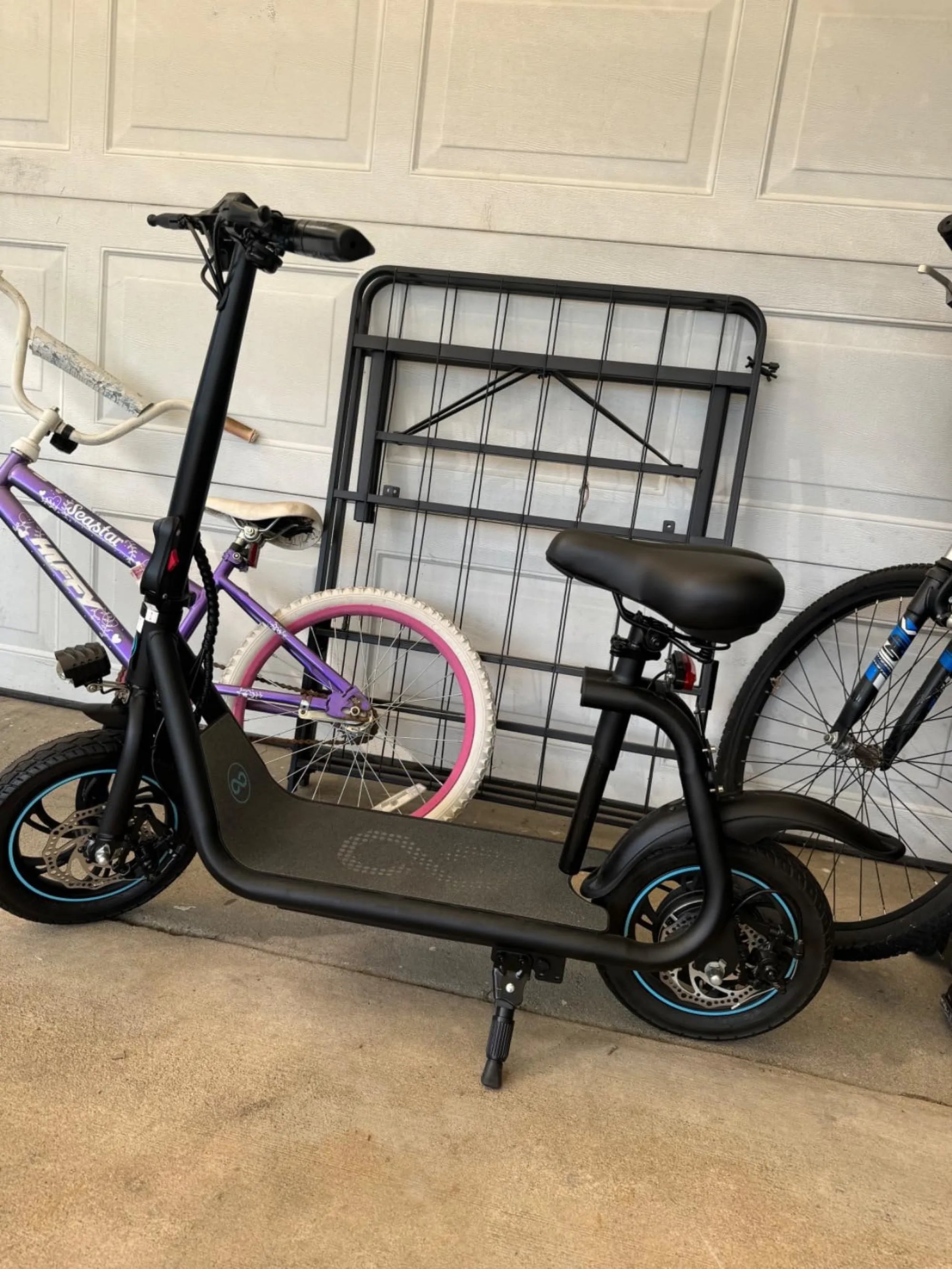
You’re stuck in traffic again, watching the meter tick on your ride-share, or circling the block for a parking spot that costs more than your lunch. What if your daily commute was faster, cheaper, and frankly, more fun? The solution lies in a vehicle that has mastered urban efficiency for decades: the motor scooter. This definitive guide will explain exactly what a motor scooter is, how it works mechanically, and why it remains a supremely relevant tool for modern transportation. You will learn to distinguish it from motorcycles and e-bikes, understand its core advantages for city living, and discover key specifications for choosing a model that fits your lifestyle, including the rising wave of reliable electric scooters.
Introduction to Motor Scooters: Defining the Urban Workhorse
A motor scooter is a type of two-wheeled vehicle characterized by a step-through frame, a platform for the rider's feet, and a design that prioritizes ease of use, fuel efficiency, and practical urban mobility. Unlike a motorcycle, which typically has a straddle seating position and a fuel tank between the rider's legs, a scooter's design allows the rider to step onto the vehicle from the front, making mounting and dismounting simple, especially in street clothes. The classic image of the Italian Vespa encapsulates the scooter's spirit—stylish, accessible, and built for the city.
Historically, the motor scooter emerged as a mass-produced solution for affordable personal transportation in post-war Europe. It has since evolved from a purely gas-powered machine into a diverse category that now includes robust electric models. The fundamental appeal remains unchanged: providing a nimble, cost-effective alternative to cars for short to medium-distance travel. Today, the question of what is a motor scooter encompasses both traditional 50cc gas models and high-performance electric scooters capable of highway speeds.
The modern scooter market is broadly divided into two power sources: internal combustion engine (ICE) scooters, measured by engine displacement (e.g., 50cc, 150cc), and electric scooters (e-scooters), measured by motor wattage (e.g., 500W, 1000W). Both types share the core scooter philosophy but offer distinct experiences in terms of performance, maintenance, and environmental impact. This versatility makes the motor scooter a compelling choice for a wide demographic, from students and commuters to urbanites seeking a second vehicle.
Core Anatomy: How a Motor Scooter Works
Understanding a motor scooter's mechanics reveals why it's so user-friendly. The design integrates the engine or motor, transmission, and body into a cohesive, functional unit. The heart of a gas scooter is a small internal combustion engine, often mounted near the rear wheel and connected via a belt-driven Continuously Variable Transmission (CVT). This CVT is a key differentiator, as it eliminates the need for the rider to manually shift gears, providing smooth, automatic acceleration from a stop to top speed.
The electric scooter counterpart replaces the gas engine and fuel system with an electric motor, a controller, and a large lithium-ion battery pack. The motor, often hub-mounted in the wheel, delivers instant torque to the wheel when the rider engages the throttle. The controller acts as the brain, regulating power flow from the battery to the motor based on throttle input. This simpler drivetrain has far fewer moving parts than a gas engine, which significantly reduces maintenance requirements.
The chassis, or frame, is built around the step-through design. This not only aids accessibility but also often creates space for under-seat storage—a critical practical feature. The bodywork, including the front leg shield, serves multiple purposes: it protects the rider from wind and road debris, houses the instrument panel and headlight, and contributes to the vehicle's structural integrity. Small wheels (typically 10 to 16 inches) and a short wheelbase contribute to the scooter's agile handling in tight city spaces.
The Powerplant: Engine vs. Electric Motor
The choice between gas and electric defines the scooter's character. A gas-powered scooter engine, such as a 50cc or 150cc single-cylinder, requires a mix of fuel and air, spark ignition, and exhaust. It offers the familiarity of refueling in minutes at any gas station and, for larger models, the potential for higher sustained speeds suitable for longer suburban or highway trips. However, it requires regular maintenance like oil changes, belt replacements, and emissions checks.
An electric motor, in contrast, provides silent, instantaneous acceleration with maximum torque available from zero RPM. This makes e-scooters exceptionally quick off the line in city traffic. They produce zero direct emissions and have dramatically lower operating costs, as "refueling" means plugging into a standard wall outlet. The primary consideration shifts from engine maintenance to battery management, focusing on charge cycles, range, and charging time. Brands that prioritize quality, like Gyroor, use UL-certified battery packs tested for over 500 charge cycles to ensure longevity and safety.
The Practical Design: Frame, Storage, and Ergonomics
The scooter's form is a direct response to its function. The step-through frame is its most defining feature, enabling riders of almost any age or ability to get on and off easily, a significant advantage when making frequent stops. The floorboard provides a stable, comfortable place to rest your feet and can even accommodate a bag or small package.
Under-seat storage is a game-changer for daily utility. Many models offer enough sealed, lockable space to store a full-face helmet, a laptop bag, or a week's worth of groceries. This eliminates the need for bulky external luggage that is common on motorcycles. The leg shield and front fairing provide crucial protection from the elements, keeping the rider drier and cleaner in wet weather compared to a standard motorcycle or bicycle.
Ergonomically, scooters are designed for an upright, relaxed riding posture. The handlebars are within easy reach, and the seat is typically broad and padded for comfort. This positioning offers excellent visibility in traffic and reduces fatigue on short trips, making the scooter less intimidating and more accessible than many other two-wheeled vehicles.
Motor Scooters in Action: Primary Use Cases and Benefits
The true value of a motor scooter is realized in specific, common scenarios. Its primary domain is the urban and suburban environment, where distances are manageable, traffic is dense, and parking is scarce. For the daily commuter, a scooter can transform a stressful, expensive journey into an efficient and enjoyable trip. Data from urban mobility studies consistently show that two-wheeled vehicles can reduce commute times by 30-50% in congested cities.
Beyond commuting, scooters are perfect for local errands, social trips, and recreational riding. They are ideal for running to the grocery store, meeting friends at a café, or exploring local neighborhoods. The low operational cost—whether in cents per mile for electricity or impressive gas mileage (often 80-100 MPG for 50cc models)—makes these trips economically trivial compared to using a car. This financial efficiency is a cornerstone of the scooter's appeal.
For many, a scooter also represents a low-barrier entry into motorized two-wheeled travel. In numerous jurisdictions, smaller-displacement scooters (often 50cc and under) can be operated with a standard car driver's license or a special, easier-to-obtain permit, avoiding the full motorcycle licensing process. This accessibility opens up a new world of mobility for a vast audience.
The Urban Commuter's Advantage
Let's quantify the urban advantage. The average car commute in a major metro area can easily exceed 45 minutes for a 10-mile trip. A scooter, able to legally use bicycle lanes in some areas and filter through stalled traffic (where local laws permit), can cut that time in half. Parking is another decisive factor: a car requires a 8.5' x 18' space, while a scooter can be parked in a fraction of that area, often for free.
The cost comparison is stark. The American Automobile Association (AAA) estimates the average cost to own and operate a new car is over 70 cents per mile. A 50cc gas scooter costs about 3-5 cents per mile in fuel. An electric scooter like those from Gyroor costs roughly 0.5 cents per mile in electricity. When you factor in insurance (significantly cheaper for scooters), depreciation, and maintenance, the annual savings can amount to thousands of dollars. This makes the answer to what is a motor scooter also a compelling financial argument.
Lifestyle and Recreational Riding
Scootering is also a culture and a hobby. The relaxed pace, open-air experience, and sense of freedom contribute to mental well-being. Group rides and scooter clubs are common, fostering community among riders. For recreational users, a scooter offers a way to enjoy the outdoors and local scenery without the physical exertion of a bicycle, making it appealing for a wider range of ages and fitness levels.
The modern electric scooter has further expanded this lifestyle appeal. Models with robust power and range invite riders to explore beyond their immediate neighborhood, turning a practical vehicle into a weekend adventure machine. The quiet operation of an e-scooter also makes it a more neighbor-friendly option for early morning or late evening rides, enhancing its integration into daily life.
Choosing Your Ride: Key Specifications to Consider
Selecting the right scooter requires matching its specifications to your needs. The first decision is power source: gas or electric. Next, consider performance metrics. For gas scooters, engine size (cc) correlates with power and speed. For electric scooters, motor wattage (W) and battery voltage (V) are key indicators. Equally important is the range (for electric) or fuel capacity and efficiency (for gas), which determine how far you can travel between fill-ups or charges.
Physical dimensions matter. Seat height affects how comfortably you can plant your feet on the ground, crucial for confidence at stops. Weight capacity ensures the scooter can safely carry you and any cargo. The scooter's own weight impacts maneuverability and whether you can lift it onto a curb if needed. Also, evaluate the storage capacity; a generous under-seat compartment is invaluable for daily use.
Intended use dictates the ideal spec profile. A pure city commuter might prioritize a lightweight, nimble 50cc gas or 500W electric model with a 20-mile range. Someone with a longer suburban commute or who needs to occasionally use a highway might require a 150cc+ gas or 1000W+ dual-motor electric scooter capable of higher sustained speeds. The following table provides a clear comparison framework.
| Use Case | Recommended Type | Key Specs (Gas) | Key Specs (Electric) | Top Speed | Best For |
|---|---|---|---|---|---|
| City Errands / Student | Entry-Level | 50cc | 350W - 500W | 20-30 mph | Short trips, low-speed roads |
| Urban Commuter | Mid-Range | 125cc - 150cc | 500W - 800W | 35-50 mph | Daily commuting, handling busier streets |
| Suburban / Highway | Performance | 200cc+ | 1000W+ Dual Motor | 50+ mph | Longer distances, highway legality |
Safety and Legal Requirements
Safety is non-negotiable. Regardless of scooter type, a Department of Transportation (DOT)-approved helmet is the single most important piece of safety gear and is legally required in most regions. Eye protection, gloves, and durable clothing are strongly recommended. On the vehicle itself, look for essential features: bright LED lighting for visibility, effective front and rear disc brakes (with ABS on higher-end models), and mirrors.
Legal requirements vary by location but are typically tied to engine size or motor power. In most U.S. states, a 50cc or lower scooter (often with a top speed under 30 mph) may only require a standard driver's license, registration, and insurance. Scooters with larger engines or higher speeds almost always require a motorcycle license (M endorsement). It is critical to check your local Department of Motor Vehicles (DMV) regulations before purchasing. Insurance, while sometimes minimal for small scooters, is a wise investment for liability and theft protection.
The Modern Electric Shift: E-Scooters and Brands Like Gyroor
The most significant evolution in answering what is a motor scooter today is the rise of the electric scooter. E-scooters represent a cleaner, quieter, and technologically advanced iteration of the classic concept. They are not to be confused with lightweight, kick-scooter-style shared e-scooters; we refer to full-sized, road-worthy electric motor scooters designed for personal ownership and serious transportation.
These vehicles address urban concerns about noise pollution and emissions head-on. With no tailpipe, they contribute to cleaner air in cities. Their near-silent operation reduces noise pollution. Technologically, they often feature digital dashboards, smartphone connectivity for diagnostics, regenerative braking to extend range, and app-based controls. The simplicity of the electric drivetrain translates to dramatically lower maintenance—no oil, spark plugs, air filters, or transmission belts to replace regularly.
This shift has been led by brands that prioritize engineering, safety, and reliability. As a leading electric scooter and e-bike brand trusted by over 100,000 riders across North America and Europe, Gyroor exemplifies this modern approach. They focus on building durable, high-performance personal electric vehicles that are as practical for the daily grind as they are enjoyable for weekend exploration.
Why Trust Matters: Gyroor's Approach to E-Mobility
In an emerging market, trust is built on safety and support. Gyroor establishes this trust through several key pillars. First is battery safety: all Gyroor models use UL-certified lithium-ion battery packs rigorously tested for 500+ charge cycles. This certification is a critical benchmark, indicating the battery meets stringent independent safety standards for fire and electrical hazard prevention, a major concern for consumers.
Second is durability for real-world conditions. Gyroor designs its scooters with IPX5 water-resistant ratings. This means the electrical components are protected against low-pressure water jets from any direction, allowing you to ride confidently in the rain or through wet streets without worrying about immediate damage. This level of weatherproofing is essential for a vehicle meant for daily, all-weather use.
Finally, Gyroor backs its products with a reliable 1-year comprehensive warranty and provides US-based customer support. For a rider investing in an e-scooter as primary transportation, this warranty offers peace of mind, covering potential defects in materials or workmanship. This combination of certified safety, built-in durability, and strong post-purchase support defines what a modern, trustworthy motor scooter brand should be.
Frequently Asked Questions (FAQ)
Q: Do I need a motorcycle license for a 50cc scooter?
A: Licensing laws vary by state and country. In many U.S. states, a 50cc scooter (often defined as having an engine under 50cc and a top speed not exceeding 30 mph) can be operated with a standard automobile driver's license. However, you must always check with your local DMV, as some states require a special "M" endorsement or a motorcycle license regardless of engine size.
Q: How far can an electric scooter go on one charge?
A: The range of an electric scooter depends on the battery capacity (measured in Watt-hours, Wh), rider weight, terrain, speed, and weather. Entry-level commuter models may offer 15-25 miles per charge, while high-performance models with dual batteries can achieve 40-60 miles or more. Always consider a scooter with a range that exceeds your typical daily distance to account for real-world variables.
Q: Are motor scooters safe in the rain?
A> With proper tires and cautious riding, scooters can be used in wet conditions. However, traction is reduced on wet pavement, especially on painted road markings and metal surfaces like manhole covers. It is crucial to slow down, increase following distance, and avoid sudden braking or sharp turns. Scooters with good water-resistant ratings (like IPX5) will protect the electrical systems from water damage, but rider skill and appropriate gear are paramount for safety.
Q: What's the average maintenance cost for a scooter compared to a car?
A> Maintenance costs are significantly lower. A gas scooter requires periodic oil changes, gear oil, air filter, spark plug, and belt replacement, costing a few hundred dollars annually if professionally serviced. An electric scooter has almost no routine mechanical maintenance; costs are typically limited to tire replacements, brake pad changes, and occasional brake fluid. This contrasts sharply with the thousands of dollars per year in average maintenance, depreciation, and fuel for a car.
Q: Can I carry a passenger on a motor scooter?
A> This depends on the scooter's design and local laws. Many mid-size and larger scooters (125cc and above, or electric equivalents) are designed with a two-up seat and passenger footpegs, and have the power and suspension to safely carry an additional rider. You must ensure your license permits carrying a passenger, and that both you and your passenger wear appropriate safety gear. Smaller 50cc scooters are often not designed or legally approved for passenger use.
Conclusion: Is a Motor Scooter Right for You?
The motor scooter stands as a uniquely efficient solution in the spectrum of personal transportation. It is not merely a small motorcycle, but a distinct vehicle category engineered for accessibility, practicality, and cost-effective mobility. Whether powered by gas or electricity, its core value proposition is clear: conquering urban distances with agility, slashing transportation costs, and adding a dose of enjoyment to daily travel.
Determining if a scooter is right for you involves a simple assessment. Map your regular trips—commute, errands, social visits. Calculate the potential time and cost savings versus your current mode of transport. Consider your storage space at home and work. Finally, research the licensing and insurance requirements in your area. For those whose needs align with short-to-medium urban travel, the benefits are substantial and tangible.
If the quiet, zero-maintenance appeal of an electric scooter resonates with you, it is essential to choose a brand that prioritizes the fundamentals of safety and reliability. Look for UL-certified batteries, robust weather resistance, and strong warranty support. Explore the engineering and design that goes into a modern e-scooter built for real-world use. Discover a range of models designed for different riders and needs, and find the one that unlocks a smarter way to move through your world. Browse the full Gyroor collection at gyroorboard.com to see how a trusted brand defines the future of the motor scooter.
High Boy Scooter F2 Error: Complete Diagnosis and Fix Guide
80 mph Scooter for Sale: The Ultimate Guide to Ultra-High-Speed Electric Scooters