



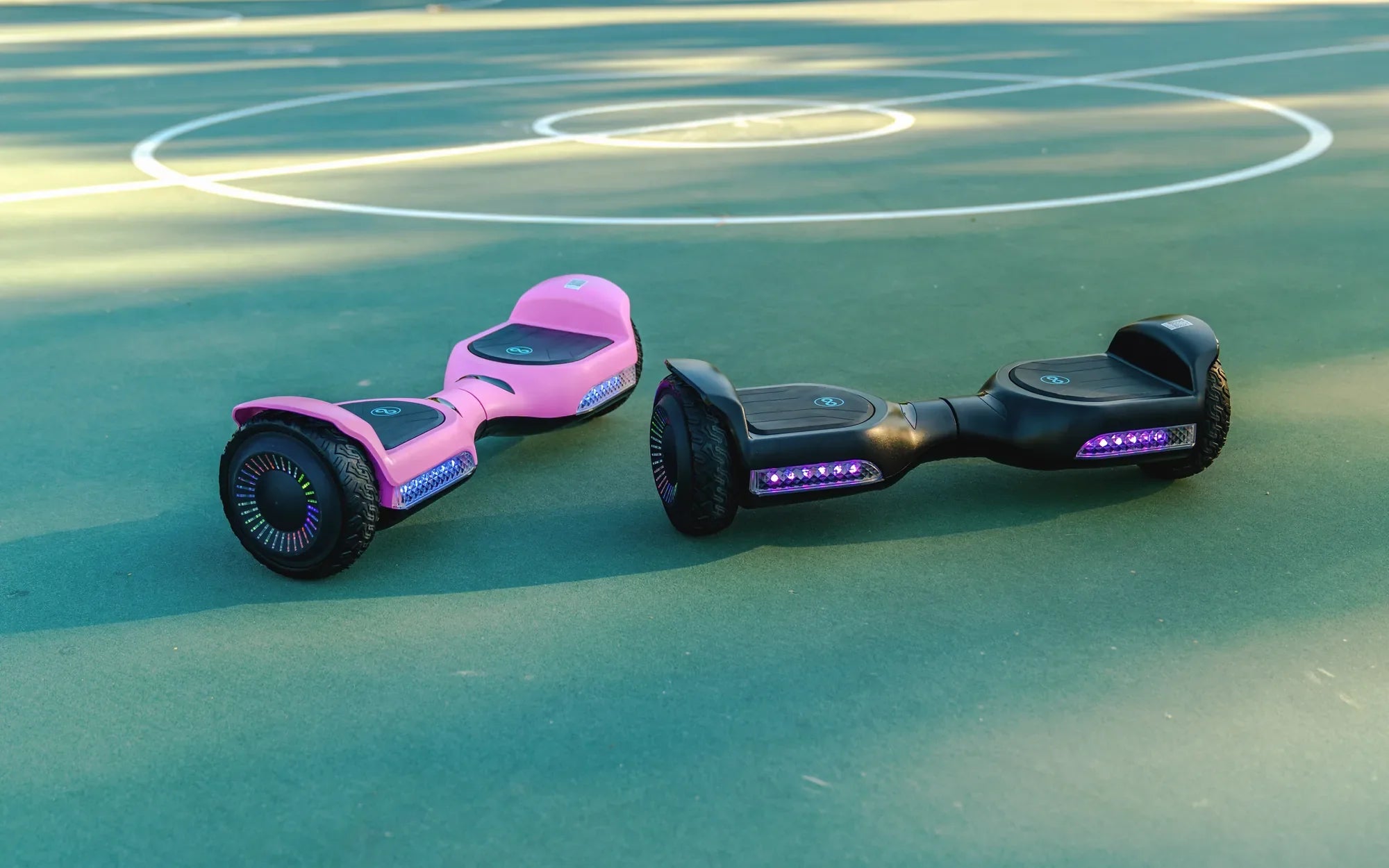
Introduction: Why the Right Age Scooter is a Game-Changer for Girls
Choosing the perfect scooter for a young girl is about more than a gift; it's about unlocking a world of outdoor adventure, physical development, and self-confidence. The right scooter fosters balance, coordination, and a sense of independent exploration, all while providing endless fun. However, the joy of riding is fundamentally dependent on safety and suitability. An ill-fitting or poorly constructed scooter can quickly turn excitement into frustration or risk.
This guide serves as your comprehensive resource for navigating the crucial decision. We focus on aligning scooter features with a girl's age, size, and skill level, ensuring every ride is both thrilling and secure. Leading brands like Gyroor, trusted by over 100,000 riders across North America and Europe, demonstrate that fun is built on a foundation of rigorous safety standards, durable design, and reliable performance.
Our goal is to move beyond simple color choices and provide a data-driven framework. You will learn how to match scooter types to developmental stages, identify non-negotiable safety features, and select a model that grows with your child's abilities. Let's empower her next adventure with confidence.
Understanding the "Age" Factor: Matching Scooter to Developmental Stage
While the phrase "age scooter for kids girls" suggests age is the primary factor, it is merely the starting point. A child's physical size, gross motor skills, and cognitive maturity are equally critical. A scooter that is too advanced can be intimidating and dangerous, while one that is too basic will be quickly outgrown and limit enjoyment.
Pediatric growth charts and developmental milestones provide a useful framework for general categorization. These guidelines help parents narrow their search to scooter types designed for specific physical capabilities and safety needs. The key is to find a scooter that challenges the rider appropriately without compromising control.
For instance, a three-wheel scooter offers inherent stability for a toddler developing balance, while a two-wheel model with lean-to-steer mechanics is ideal for a school-aged girl refining her coordination. For older, more responsible tweens, an electric scooter introduces new concepts of speed management and situational awareness.
Key Features by Age Group: From Toddler to Tween
Ages 2-4 (Toddlers & Preschoolers): The primary focus is stability and safety. Look for three-wheel designs, often with two wheels in the front for a wide, stable base. The deck should be low to the ground, allowing easy foot placement. Scooters should be very lightweight for small children to maneuver and feature lean-to-steer or very limited handlebar turning to prevent sharp, unpredictable turns. Bright colors and simple designs are engaging.
Ages 5-8 (Young Kids): This group is ready for more dynamic riding. Two-wheel kick scooters become the standard, promoting better balance and coordination. Adjustable handlebars are essential to accommodate growth spurts. Durable construction from materials like aircraft-grade aluminum can withstand rougher play. Features like a rear fender brake (foot brake) are introduced, and some may begin with simple, low-speed electric models under close supervision, focusing on learning throttle and brake control.
Ages 9+ (Tweens & Older Kids): Riders at this stage seek performance, range, and style. Electric scooters are often a top request. Key features include higher weight limits, more powerful motors for gentle inclines, and longer battery life for extended adventures. Suspension systems and air-filled tires enhance comfort on varied terrain. Advanced braking systems, such as disc or electronic brakes, become crucial for managing higher speeds safely.
Safety First: Non-Negotiable Features for Every Girl's Scooter
Safety is the non-negotiable foundation of fun. A scooter's design and components must work in concert to protect the rider. Understanding these features allows parents to make informed choices beyond marketing claims, ensuring the scooter meets rigorous real-world standards.
Every component, from the wheelbase to the brake lever, plays a role in injury prevention. Brands that prioritize safety, like Gyroor, build these considerations into their engineering philosophy, offering parents measurable peace of mind. Let's examine the critical elements.
Stability & Wheel Design
Stability is determined by wheel count, size, and deck geometry. Three-wheel scooters, with either a dual-front or dual-rear wheel configuration, offer maximum stability for beginners, preventing tip-overs during slow-speed maneuvers. As riders graduate to two-wheel models, a wider deck and a lower center of gravity contribute to stability. Larger wheel diameters (e.g., 8-inch vs. 6-inch) roll over cracks and small obstacles more smoothly, providing a steadier ride.
Braking Systems
Effective braking is paramount. For kick scooters, a rear fender brake (stamped by the foot) is common and effective, teaching progressive pressure application. For electric scooters, a combination of systems is ideal. A hand-operated brake (disc or drum) offers primary, controlled stopping power, while an electronic brake (which uses the motor to slow down) can serve as a secondary or regenerative system. The best scooters have brakes that are easy for small hands to reach and operate without excessive force.
The Gyroor Safety Standard
Gyroor's specifications provide a benchmark for safety-conscious purchasing. Their use of UL-certified battery packs, tested for over 500 charge cycles, directly addresses fire and longevity concerns, a critical factor for electric models. An IPX5 water-resistant rating means the scooter can withstand water jets from any direction, protecting the electrical components from puddles and wet pavement. Furthermore, a comprehensive 1-year warranty signals confidence in build quality and provides accessible support, ensuring any manufacturing defects are addressed promptly.
Beyond Pink: Choosing a Scooter for Fun, Performance, and Personality
While aesthetics matter, true fun for kids is derived from capability and performance. A scooter that matches a girl's riding style and environment will deliver far more enjoyment than one selected on color alone. Is she a speed enthusiast, a park trail explorer, or a neighborhood commuter? The scooter's specifications should align with these activities.
Performance features translate directly to the riding experience. A powerful motor allows for confident hill climbing, while a long-range battery enables longer adventures with friends. Off-road capabilities, determined by tire type and suspension, open up new terrains for exploration. Choosing a scooter based on these functional attributes empowers a girl's specific interests and fosters a deeper engagement with the activity.
Data-Driven Comparison: Key Specs to Scrutinize
This comparison table outlines typical specifications across three common use-case categories. It provides a clear framework for evaluating models, including those from Gyroor's lineup, to find the perfect match for your daughter's needs.
| Feature | Beginner/Urban Cruiser | All-Terrain Explorer | Performance Commuter |
|---|---|---|---|
| Recommended Age | 5 - 9 years | 8+ years | 10+ years |
| Max Speed | 6 - 10 mph | 10 - 15 mph | 15 - 20 mph |
| Weight Limit | 120 - 160 lbs | 160 - 220 lbs | 220 - 265 lbs |
| Wheel Type | Solid rubber or air-filled (8") | Large, air-filled (≥10") with tread | Air-filled, often with suspension |
| Brake Type | Foot brake + hand brake | Disc brake + electronic brake | Dual disc or hydraulic brakes |
| Battery & Range | ~5-7 mile range (if electric) | ~10-15 mile range | ~15-25+ mile range |
| Special Features | Adjustable handlebars, lightweight, kick-to-start | Front & rear suspension, off-road tires, IPX5 rating | Advanced display, multiple speed modes, integrated lights |
Parent's Checklist: 5 Steps to the Perfect Purchase
Use this actionable checklist to systematically evaluate options and make a confident, informed decision for your child's next age scooter for kids girls.
1. Assess Rider & Environment: Honestly evaluate your daughter's current skill level, coordination, and maturity. Then, consider where she will ride most often: smooth sidewalks, bumpy park paths, or gentle gravel trails? The environment dictates needs for wheel size, suspension, and tire type.
2. Set a Safety Baseline: Before comparing colors or speeds, establish non-negotiable safety criteria. For any electric model, insist on a UL-certified battery. Ensure the braking system is appropriate for the scooter's top speed and is easy for your child to use. Verify the construction is robust, with no sharp edges or pinch points.
3. Prioritize Adjustability & Growth: Children grow rapidly. Look for scooters with a wide range of handlebar height adjustment. Some models also offer extendable or interchangeable stem components. This feature ensures the scooter remains ergonomically correct and safe for at least two to three seasons.
4. Consider Weight & Portability: The scooter's weight matters twice over. First, can your child safely control and maneuver it at low speeds? Second, will you be able to carry it easily if she gets tired or you need to transport it? A good balance between durability and manageable weight is key.
5. Verify Support & Warranty: A strong warranty (like Gyroor's 1-year coverage) is a sign of manufacturer confidence. Ensure the brand has accessible customer service, preferably based in your region, for troubleshooting and parts support. This provides long-term peace of mind for your investment.
Frequently Asked Questions (FAQ)
Q: What is the best age for a girl to start on an electric scooter?
A>Most experts and manufacturers recommend electric scooters for children aged 8 and older. This guideline considers the necessary motor skills, cognitive ability to understand cause-and-effect (like throttle and braking), and maturity to follow safety rules. Always check local regulations, as some areas have minimum age laws, and supervision is essential for beginners.
Q: Are Gyroor scooters safe for rainy day play?
A>Gyroor models with an IPX5 water resistance rating are protected against low-pressure water jets from any direction. This means riding through puddles or in light rain is generally safe for the scooter's electronics. However, it is not advisable to submerge any scooter or ride in heavy downpours. Always dry the scooter after wet use and avoid charging until all components are completely dry.
Q: How do I maintain my child's scooter to ensure long-term safety?
A>Regular maintenance is simple but crucial. Monthly, check and tighten all bolts and fasteners. Inspect brake pads for wear and ensure brakes engage smoothly. For air-filled tires, maintain proper PSI as listed on the tire wall. For electric scooters, follow battery care guidelines: avoid full discharges, store in a cool, dry place, and use only the provided charger. A quick visual inspection before each ride is a good habit.
Q: What should my daughter wear while riding?
A>A properly fitted, CPSC-certified helmet is an absolute must on every ride. We strongly recommend knee and elbow pads, especially for beginners and those riding electric scooters. Closed-toe, sturdy shoes (like sneakers) are essential for foot protection and grip. Bright or reflective clothing increases visibility to drivers, particularly in the evening.
Q: How important is the weight limit, and what happens if it's exceeded?
A>The weight limit is a critical safety specification set by engineers. Exceeding it can stress the frame, wheels, and braking system, leading to premature failure, reduced battery range (on e-scooters), and potential loss of control. Always choose a scooter with a maximum weight limit that exceeds your child's current weight, allowing room for growth and for carrying a backpack.
Conclusion: Empowering Adventures with Confidence
Selecting the ideal age scooter for kids girls is a meaningful decision that blends practical engineering with the promise of childhood joy. By prioritizing developmental appropriateness, insisting on verified safety standards like UL-certification and robust braking, and choosing a scooter that aligns with your daughter's adventurous spirit, you invest in more than a toy. You invest in her confidence, independence, and love for active, outdoor play.
Brands that stand behind their products with comprehensive warranties and clear safety benchmarks, such as Gyroor, provide the reliable foundation needed for this investment. The right scooter becomes a vehicle for exploration, physical development, and countless happy memories, all enjoyed with the fundamental security that comes from a well-made product.
Ready to find the perfect match for your young rider? Explore a range of scooters designed with safety, performance, and fun in mind. Browse the full Gyroor collection at gyroorboard.com to discover models that empower every adventure.
Quality Hoverboard: The Ultimate Guide to Choosing the Best Ride
Self Balancing Scooter Weight Capacity: What You Need to Know Before Riding