



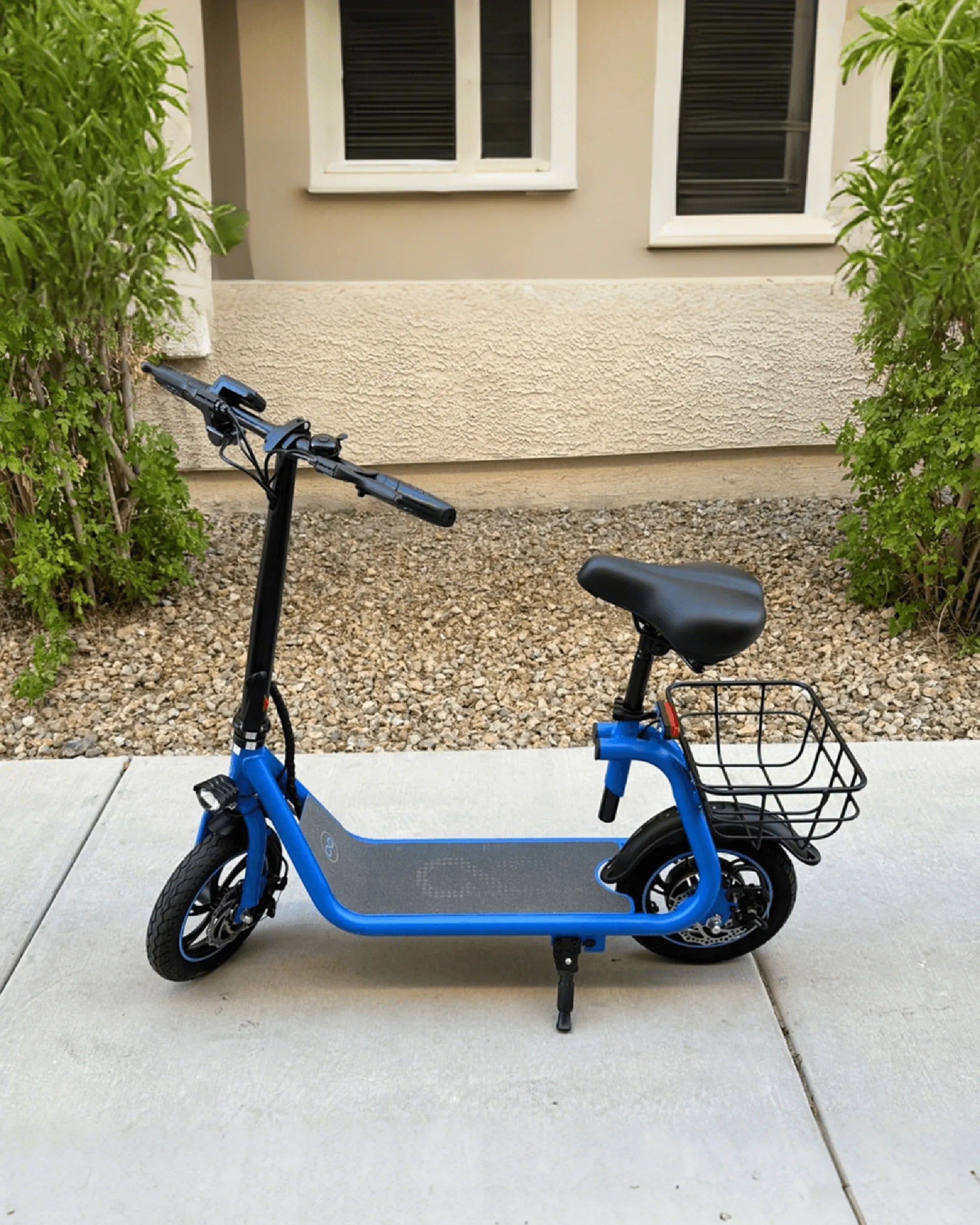
Navigating the Gray Area of E-Scooter Path Rules
For new and experienced riders alike, one question creates immediate confusion: are electric scooters allowed on footpaths? There is no single national answer, leading to uncertainty and potential legal risk. This guide serves as your definitive resource, separating complex municipal laws from practical safety recommendations.
You will learn how to verify your local ordinances, understand why footpath rules vary, and discover the safest places to ride. We draw on data and experience from over 100,000 riders, including insights from leading brands like Gyroor, to provide a clear, actionable path forward.
The core issue stems from conflicting priorities. Riders seek safe, accessible routes, while cities must balance innovation with pedestrian safety and traffic flow. Navigating this requires a nuanced understanding of both the letter of the law and the spirit of responsible riding.
This guide provides that understanding. We will dissect the key factors that determine legality, from wattage limits to local ordinances, giving you the tools to ride with confidence and compliance.
Understanding the Legal Landscape: It's More Than Just "Yes" or "No"
E-scooter regulations are inherently hyper-local. A state may classify them as "electric personal assistive mobility devices," but a city council decides where they can operate. This creates a patchwork of rules where legality can change at a county or even neighborhood boundary.
The fundamental legal question—are electric scooters allowed on footpaths—is almost always answered at the municipal level. State vehicle codes often provide a framework, but the specific designation of sidewalks, bike lanes, and roadways falls to local authorities.
This decentralization means a rider in Portland, Oregon, operates under completely different rules than a rider in Portland, Maine. Relying on hearsay or general internet advice is a recipe for fines or confiscation. Accurate, location-specific research is non-negotiable.
Furthermore, laws are evolving rapidly. Many cities enacted temporary pilot programs that have since become permanent, often with amended rules. Staying informed requires checking official sources for the most current ordinances.
The Key Factors That Determine Legality
Municipalities use a specific set of criteria to regulate e-scooters. Understanding these factors helps you assess any local law and choose a compliant vehicle. The most common criteria include device power, maximum speed, and rider age.
Motor wattage is a critical technical limit. Many cities cap power at 750W for street-legal scooters. Gyroor models, for instance, are engineered with precise wattage ratings to align with common regulatory thresholds, ensuring riders aren't inadvertently using an overpowered device.
Speed limits are equally important. A common rule prohibits operation above 15-20 mph on public paths and roadways. Scooters with multiple speed modes, like many in the Gyroor lineup, allow riders to select a compliant, safer speed for their environment.
Other universal factors include minimum rider age (often 16+), helmet requirements for minors or all riders, and equipment mandates like front and rear lights, reflectors, and an audible bell. Distinctions between privately-owned and rental-share scooters also frequently appear in local laws.
Footpaths vs. Bike Lanes vs. Roads: A Comparative Analysis
Choosing where to ride is the central practical application of e-scooter law. The three primary zones—footpaths (sidewalks), bike lanes, and roadways—each come with distinct legal statuses and safety considerations. A clear comparison is essential for every ride.
The general rule across most jurisdictions is that footpaths are prohibited for electric scooter use. Bike lanes are the preferred and often legally mandated path. When no bike lane exists, riders are typically directed to use the roadway, following the same rules as bicycles.
This hierarchy exists for clear safety and traffic flow reasons. Placing faster-moving scooters in dedicated bike lanes reduces conflicts with both pedestrians and cars. Understanding this rationale makes compliance more intuitive and emphasizes the rider's role in a shared ecosystem.
| Riding Zone | Typical Legal Status | Primary Safety Consideration | Best For |
|---|---|---|---|
| Footpath / Sidewalk | Most commonly prohibited | Pedestrian conflict, driveway blind spots | Dismounted walking only |
| Protected Bike Lane | Explicitly permitted and encouraged | Intersection crossings, door zones | Commuters, recreational riding |
| Standard Bike Lane | Explicitly permitted and encouraged | Vehicle traffic, debris in lane | Most urban and suburban travel |
| Roadway (No Bike Lane) | Permitted, often required | Vehicle speed differential, visibility | Necessary travel where no alternative exists |
| Multi-Use Path / Trail | Varies widely; often permitted | Mixed traffic (pedestrians, bikes, scooters) | Recreational riding, park connectivity |
Why Footpath Riding is Often Restricted
The restriction on footpaths is rooted in pedestrian safety. Sidewalks are designed for walking speeds, typically 3-4 mph. Electric scooters traveling at 15+ mph create a significant speed differential, reducing reaction time for both the rider and pedestrians.
Key risk zones include driveway aprons and alley intersections. Drivers exiting driveways often focus on road traffic and may not see a scooter approaching quickly on the sidewalk. This creates a high-risk scenario for collisions.
Vulnerable pedestrians, including children, the elderly, and individuals with pets or mobility aids, are particularly at risk. A sudden, silent electric scooter can cause falls or injuries even without direct contact. Responsible riding means prioritizing their safety.
Finally, footpath riding can conflict with local business access and clutter pedestrian thoroughfares. Cities enact bans to preserve sidewalk accessibility for its intended purpose, framing responsible scooter use as part of being a good community member.
A Rider's Checklist: How to Verify Your Local E-Scooter Laws
Before your first ride in a new area—or to ensure ongoing compliance at home—follow this systematic checklist. Accurate information comes from official sources, not anecdotal evidence.
Step 1: Consult Your City's Department of Transportation (DOT) Website. Search for "micromobility," "e-scooter," or "shared mobility" ordinances. This is the most authoritative source for local rules, including maps of permitted zones.
Step 2: Check Local Police Department FAQs. Many police sites have a dedicated section for traffic laws pertaining to bicycles and scooters, as they are often the enforcement agency. This can clarify penalty structures.
Step 3: Review State Vehicle Code Provisions. While local rules govern operation, your state's definition of an e-scooter impacts equipment requirements. Search for terms like "electric scooter" or "EPAMD" in your state's legal code.
Step 4: Look for Recent Local News Articles. News outlets often report on changes to scooter laws, pilot program extensions, or new enforcement initiatives. This can provide context and highlight recent updates.
Step 5: Contact the Manufacturer or Retailer for Guidance. Reputable brands monitor regulatory landscapes. Gyroor's US-based support team, for example, maintains general knowledge of common regulatory frameworks and can often point riders to key resources for their research.
Beyond the Law: Gyroor's Recommendations for Safe and Respectful Riding
Legal compliance is the baseline; exemplary riding is the goal. Even if footpath riding is technically legal in your area, it may not be safe or courteous. Adopting best practices protects you, pedestrians, and the broader perception of e-scooter riders.
Responsible ownership starts with choosing a reliable vehicle. Gyroor's commitment to UL-certified battery packs and IPX5 water-resistant designs isn't just about durability—it's about predictable performance and safety in varied conditions, which is foundational to responsible riding.
Always prioritize predictability. Ride in a straight line, signal your intentions clearly, and avoid sudden maneuvers. This makes you more visible and understandable to drivers, cyclists, and pedestrians, reducing the risk for everyone.
Respect private property and community spaces. Do not block sidewalks, ramps, or building entrances when parking. The 1-year warranty and robust construction of a Gyroor scooter mean it's built to be ridden, not to become sidewalk clutter.
Essential Safety Practices for Any Terrain
These practices should be second nature, regardless of the path you're on. They form the core of a defensive riding strategy that compensates for the actions of others.
- Always Yield to Pedestrians: They have the right-of-way. Slow down, give a wide berth, and be prepared to dismount entirely in crowded areas.
- Use Audible Signals: A bell or a clear verbal cue ("On your left!") is essential when approaching others from behind. Never assume someone hears you.
- Moderate Your Speed: Match your speed to your environment. In a busy bike lane or near pedestrians, reduce speed significantly. Gyroor's multi-speed modes facilitate this adaptive control.
- Use Lights Day and Night: Front and rear lights dramatically increase visibility. This is a legal requirement at night in almost all jurisdictions but is a wise safety practice at all times.
- Conduct a Pre-Ride Check: Briefly inspect tires, brakes, lights, and the folding mechanism (if applicable) before each ride. Reliable performance starts with proper maintenance.
The E-Scooter Classification Conundrum: Vehicle or Toy?
A major source of legal confusion is how authorities classify electric scooters. Are they motor vehicles, bicycles, or something entirely new? This classification dictates everything from where you can ride to whether you need insurance.
Most states have created a new, distinct category, such as an "Electric Personal Assistive Mobility Device" (EPAMD) or "Electric Scooter." This classification typically excludes them from being registered as motor vehicles but subjects them to specific equipment and operation rules.
This "neither car nor bike" status is why dedicated e-scooter laws are necessary. It also explains why defaulting to bicycle rules is often—but not always—correct. The key is to find the specific statute that names "electric scooters" in your jurisdiction.
The classification also impacts liability. In the event of an accident, courts will look to how the device is classified under law. Riding a compliant, professionally-built scooter from a brand like Gyroor, with clear specifications, helps establish you were operating a recognized legal vehicle, not an unregulated device.
Rental Scooters vs. Private Ownership: A Legal Divide
Many cities draw a sharp legal distinction between dockless rental scooters and privately-owned models. Understanding this divide is crucial, as the rules that apply to a bright green rental scooter may not apply to your personal one.
Rental programs operate under a specific permit or franchise agreement with the city. These agreements often impose geofencing—virtual boundaries programmed into the scooter's app that automatically slow or disable the scooter in no-ride zones, like certain footpaths.
Private scooter owners are subject to the general city ordinances but are not bound by a corporate geofence. This places the full burden of legal compliance on the rider's knowledge and judgment. There is no software to prevent you from illegally riding on a prohibited footpath.
However, private ownership offers consistency. You learn the handling of one vehicle intimately. With a Gyroor scooter backed by a 1-year warranty, you have reliable performance and support, allowing you to focus entirely on safe and legal riding practices without worrying about variable rental fleet quality.
Frequently Asked Questions (FAQ) on E-Scooter Path Use
Q1: Are electric scooters allowed on sidewalks in major US cities?
In most major US cities, including New York, San Francisco, Chicago, and Seattle, electric scooters are prohibited on sidewalks. They are generally required to use bike lanes or the road. Some cities, like Los Angeles, technically permit sidewalk riding under 5 mph, but this is functionally a dismount order and is rarely safe or practical. Always verify the specific ordinance for your city.
Q2: What's the typical penalty for riding an e-scooter on a prohibited footpath?
Penalties vary but commonly start as a fine ranging from $50 to $250 for a first offense. In some jurisdictions, repeated violations can lead to the confiscation (impoundment) of the scooter. Enforcement intensity varies by city, but the financial and logistical risk makes compliance the only sensible choice.
Q3: Does the Gyroor warranty cover incidents that occur while riding on a footpath?
The Gyroor warranty covers defects in materials and workmanship under normal use. If a mechanical failure occurs due to a manufacturing defect, it is covered regardless of location. However, any damage resulting from a collision, accident, or use that violates local laws (like a high-speed footpath crash) is not covered by the warranty. Riding legally is part of proper use.
Q4: If I can't use the footpath and there's no bike lane, where am I supposed to ride?
You are generally required to ride on the roadway, following the same rules as a bicycle. Ride in the direction of traffic, as far to the right as is practicable and safe, use hand signals, and obey all traffic signals. Choosing a scooter with sufficient power and stability, like Gyroor's commuter models, is essential for confident and safe roadway riding.
Q5: How do laws differ for private e-scooters vs. rental scooters?
Laws are generally the same for operation (e.g., no footpath riding). The key differences are in access and enforcement. Rental companies use geofencing to enforce no-ride zones. Private owners rely on their own knowledge. Additionally, rental riders are often bound by the rental company's app-based rules and age verification, while private owners must self-ensure they meet local age and helmet requirements.
Ride Informed, Ride Responsibly: Your Path Forward
The question "are electric scooters allowed on footpaths?" has a clear answer: usually not, and for good reason. The safety of pedestrians and the integrity of community spaces must come first. The sustainable future of micromobility depends on riders who embrace this responsibility.
Your journey begins with knowledge. Use the checklist in this guide to research your local laws thoroughly. Treat this knowledge as essential equipment, just as important as a helmet or working brakes. Informed riders are safe riders, and safe riders help build positive public acceptance for e-scooters.
Equip yourself with a vehicle designed for real-world compliance and reliability. Brands like Gyroor engineer their scooters—from UL-certified batteries to precise wattage ratings—with these regulatory and safety landscapes in mind, giving you a trustworthy foundation for every ride.
Now that you understand the laws and best practices, it's time to choose the right partner for your journey. Explore a range of models built for performance, safety, and durability. Browse the full Gyroor collection at gyroorboard.com and find the electric scooter that empowers you to ride with confidence, clarity, and respect for the road and everyone on it.
Do Electric Scooters Have to Be Registered? The Complete Legal Guide
Cheapest Place to Buy Electric Scooters: Where to Find the Best Deals