



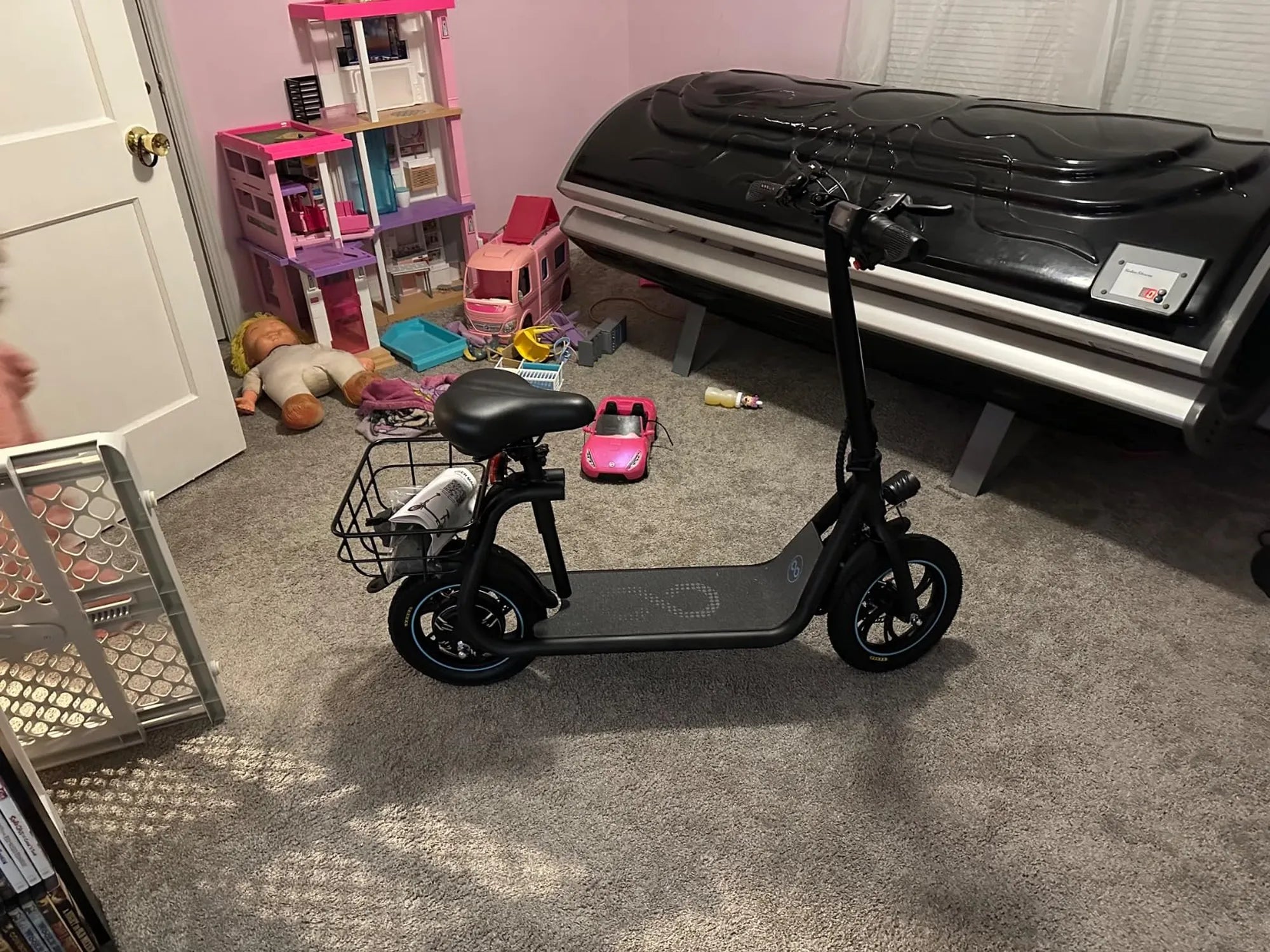
Navigating the Rules of the Road
You've just unboxed your new electric scooter, ready to embrace the freedom of micro-mobility. But before you hit the streets, a crucial question arises: Do electric scooters have to be registered? The answer is not a simple yes or no. It's a complex web of local, state, and sometimes even city-specific regulations. This definitive guide cuts through the confusion, providing the facts, data, and actionable steps you need to become a compliant and confident rider. You'll learn how scooter classification dictates the law, discover the specific requirements for your area, and understand how to integrate safety and legality into every ride.
Understanding the Legal Landscape: It's All About Classification
The core of registration requirements lies in how the law defines your vehicle. Authorities don't see a "scooter"; they see a legal classification that comes with specific rules. These definitions vary but are typically based on objective criteria like power, speed, and design.
Common classifications include "Motorized Scooter," "Electric Bicycle" (for seated, pedal-assist models), and "Personal Mobility Device" or "Electric Standup Scooter." A scooter sold as a consumer product might be legally classified as a "motor vehicle" in one jurisdiction if it exceeds certain thresholds, triggering registration, licensing, and insurance mandates. Your first task as a rider is to determine your scooter's legal identity under local statute.
This classification is paramount. For instance, a device classified as a "motor vehicle" almost always requires registration and a driver's license to operate. In contrast, a "personal mobility device" is often treated similarly to a bicycle, with minimal to no registration requirements. Never assume the label from the retailer or manufacturer is the same as the legal definition used by your city or state's Department of Motor Vehicles (DMV).
Leading brands design their products with these legal frameworks in mind. For example, Gyroor electric scooters are engineered to align with common thresholds for personal mobility devices, focusing on reliable performance within established legal parameters for private use, supported by UL-certified batteries and clear specifications.
Key Factors That Determine Registration
Transportation departments use specific technical criteria to place scooters into legal categories. Understanding these factors helps you assess your own scooter's status and predict regulatory requirements.
Maximum Motor Wattage: This is a primary determinant. Many states set a wattage limit, often 750W, for a device to be considered a low-speed electric vehicle or personal mobility device exempt from registration. Scooters with motors exceeding 750W (or 1000W in some areas) are more likely to be classified as mopeds or motorcycles.
Top Speed Capability: The speed the scooter is capable of, not just the speed you choose to ride, is critical. Common legal speed ceilings are 15 mph, 20 mph, or 25 mph on level ground. If a scooter can exceed 20-30 mph, it frequently crosses into a category requiring registration. Many responsible manufacturers, including Gyroor, design models with multiple speed modes, allowing riders to select a legal mode that complies with local ordinances.
Vehicle Design & Features: The presence of a seat, pedals, or a standing platform significantly influences classification. A stand-up electric scooter is almost always classified differently than a seated e-bike or a moped-style scooter. Additionally, features like turn signals, rearview mirrors, and a Vehicle Identification Number (VIN) can push a scooter toward "motor vehicle" status.
State-by-State and City-by-City: A Patchwork of Regulations
In the United States, there is no single federal law governing electric scooter registration. Regulation is a patchwork quilt of state statutes and municipal codes. This means the answer to "Do electric scooters have to be registered?" changes dramatically depending on your zip code.
The majority of states do not require registration for low-speed, stand-up electric scooters classified as personal mobility devices. States like California, Texas, and Florida have established clear legal frameworks that treat such scooters similarly to bicycles, with no registration or driver's license required for riders over a certain age (often 16+). However, they still impose rules on where you can ride and helmet requirements.
On the other end of the spectrum, a few states have more ambiguous or restrictive laws. Some may technically classify certain e-scooters as "motor-driven cycles" or "mopeds," which would necessitate registration, insurance, and a license. It is imperative to check your specific state's DMV website for documents related to "motorized scooters" or "electric standup scooters."
The complexity deepens at the city level. Even within a state that has permissive laws, individual cities or counties can enact stricter ordinances. A city may ban scooters from sidewalks entirely, require a local permit, or restrict them to specific bike lane networks. Always verify rules with your local city transportation or police department before your first ride. Relying solely on state law can lead to unexpected fines.
Common Requirements Beyond Registration
Registration is just one piece of the legal puzzle. Even where registration is not required, a host of other universal rules apply to ensure public safety and orderly use of public spaces.
Age Restrictions: Most jurisdictions set a minimum age for operating an electric scooter, commonly 16 years old. Some areas may allow younger riders with adult supervision or on private property.
Helmet Laws: These are widespread and vary. Many states require helmets for all riders under 18, while others mandate them for all ages. Wearing a helmet is the single most effective safety practice, regardless of the law.
Where to Ride: Rules governing riding location are critical and frequently enforced. Typically, riding on sidewalks is prohibited in business districts or entirely. Scooters are usually directed to bike lanes or roads with speed limits at or below 25-35 mph. Knowing your legal riding zone is essential to avoid collisions with pedestrians and conflicts with traffic.
Equipment Mandates: For night riding, most laws require a front white light and a rear red reflector or light. Some jurisdictions also require an audible bell or horn. Ensuring your scooter is equipped for visibility is a legal and safety must.
The Gyroor Rider's Guide to Compliance and Safety
Compliance isn't about bureaucracy; it's the foundation of safe, sustainable, and respected micro-mobility. As a rider, you are an ambassador for this new form of transport. Being informed and law-abiding protects you, pedestrians, and the future of scooter access in your community.
Choosing a scooter from a reputable brand like Gyroor, trusted by over 100,000 riders, is the first step toward compliant operation. Responsible manufacturers design with legal thresholds in mind, providing clear specifications and built-in features that help you meet common requirements. This proactive approach turns potential legal hurdles into simple pre-ride checks.
Your responsibility is to pair a well-designed vehicle with local knowledge. This means investing time to understand the rules that apply to your specific model in your specific location. The combination of a reliable scooter and an informed rider creates a safe and lawful riding experience.
Remember, non-compliance can result in fines, confiscation of your scooter, or even liability in the event of an accident. Taking the time to get it right from the start ensures your investment in personal mobility pays off in pure, uninterrupted enjoyment.
How Gyroor's Design Supports Legal and Safe Operation
Gyroor engineers its electric scooters with the real-world regulatory environment as a key consideration. This design philosophy translates into features that directly support legal and safe operation.
Adherence to Common Power Limits: Gyroor models are configured with motor wattages that align with common legal thresholds for personal mobility devices, helping riders avoid unintentional classification into more restrictive categories.
Configurable Speed Modes: Multiple speed modes allow riders to select a setting appropriate for their environment—a lower, legally compliant mode for crowded bike paths and a higher mode for open roads where permitted. This puts control in the rider's hands.
UL-Certified Battery Packs: Beyond being a mark of safety and reliability, UL certification is increasingly referenced in municipal regulations as a requirement for legal operation, especially for shared scooters. Owning a scooter with this certification future-proofs your investment against evolving safety ordinances.
IPX5 Water Resistance: All-weather reliability isn't just about convenience; it's about safety. A scooter that can handle wet conditions without failure ensures consistent braking and power delivery, which is crucial for safe operation in varying environments, keeping you in control and compliant with the duty to maintain a safe vehicle.
Your Pre-Ride Compliance Checklist
Before every ride, especially in a new area, run through this essential checklist:
- Research: Visit your state DMV and local city transportation department website. Search for "motorized scooter" or "electric scooter" ordinances.
- Know Your Scooter: Confirm your scooter's maximum wattage and speed capability from the manual or manufacturer's specs (e.g., Gyroor provides clear specifications for all models).
- Age & License: Verify you meet the minimum age requirement and determine if any form of operator's permit is needed.
- Safety Gear: Acquire and wear a properly fitted bicycle or multi-impact helmet. Consider knee and elbow pads.
- Route Plan: Plan a route that uses bike lanes or permitted roads. Avoid prohibited sidewalks and high-speed highways.
- Equipment Check: Test your front light, rear brake light/reflector, and bell before heading out, especially at dusk or night.
- Documentation: If registration is required, ensure your registration card or decal is on the scooter as mandated.
Comparative Analysis: How Different Locales Regulate E-Scooters
The table below illustrates the stark differences in regulatory approaches across various jurisdictions, highlighting why local verification is non-negotiable. This is a sample for comparison; laws change, so always confirm current rules.
| Jurisdiction | Registration Required? | Helmet Law (Adults) | Minimum Age | Where to Ride | Notes |
|---|---|---|---|---|---|
| California (State Law) | No | Yes, for riders under 18 | 16 | Bike lanes, roads ≤25 mph. No sidewalks. | Model law for many states. Max speed 15 mph. |
| New York City | No | Yes, for all ages | 16 | Bike lanes & streets with speed limit ≤30 mph. No sidewalks, no parks. | Private scooters legalized in 2020 with strict rules. |
| Texas (State Law) | No | No state law for adults (local rules may apply) | 16 | Allowed on roads. Sidewalk use typically local decision. | Max engine size 40cc or 750W equivalent often cited. |
| Washington, D.C. | No | Yes, for all riders | 16 | Bike lanes, roads. Sidewalks prohibited in business districts. | Has specific parking regulations to avoid clutter. |
| Some European Countries (e.g., Germany) | Yes, often with insurance plate | Yes | 14 or 15 | Bike paths primarily. Roads if no path. | Strict technical requirements (brakes, lights, power limits). |
Insurance and Liability: Protecting Yourself and Others
While registration is a government process, insurance is a personal risk management decision. Most locales do not mandate insurance for low-speed electric scooters, but that doesn't mean you are protected.
If you cause an accident—colliding with a pedestrian, damaging property, or causing a cyclist to fall—you can be held personally liable for medical bills and repair costs. Your homeowner's or renter's insurance policy may offer some liability coverage for such incidents, but you must review your policy or contact your agent to confirm.
Specialized personal electric vehicle insurance is an emerging market. These policies can cover theft, damage to your scooter, and, most importantly, third-party liability. For riders using higher-powered scooters or riding frequently in dense urban areas, exploring this option is a prudent step.
Gyroor's 1-year warranty provides comprehensive coverage for manufacturer defects in materials and workmanship, offering peace of mind regarding the scooter's inherent reliability. However, it is crucial to understand that no product warranty covers liability arising from how you operate the vehicle. Safety, compliance, and insurance are the rider's domain.
Frequently Asked Questions (FAQ)
Q: Do I need a driver's license to ride an electric scooter?
A: In most U.S. states, no driver's license is required to operate a low-speed electric scooter classified as a personal mobility device. However, some states or localities may require a standard driver's license, learner's permit, or a special ID for minors. Always check your local regulations, as rules for higher-powered scooters can differ.
Q: Does my scooter's warranty cover tickets or legal fines?
A> Absolutely not. A manufacturer's warranty, like the reliable 1-year comprehensive coverage offered by Gyroor, covers defects in the product itself. It does not extend to rider behavior, traffic violations, or fines incurred for non-compliance with local laws. The rider is solely responsible for operating the vehicle legally.
Q: If registration is required, how do I start the process?
A> The process typically begins with your local Department of Motor Vehicles (DMV). You will likely need to provide the scooter's manufacturer's certificate of origin (MCO) or bill of sale, its serial number, and possibly proof of insurance. There will be a fee. Your first step should be to call or visit your DMV's website to understand the exact documentation required for a "motorized scooter" or similar classification.
Q: Are rental scooters (Lime, Bird) regulated differently than my personal scooter?
A> Yes, frequently. Cities often create separate regulatory frameworks for shared micro-mobility companies. These can include permitting fees, fleet size caps, data-sharing requirements, and geofencing rules that don't apply to privately-owned scooters. The rules for your personal Gyroor scooter are governed by the laws for consumer-owned vehicles, which are often simpler but still must be followed.
Q: Can I modify my scooter to go faster? What are the legal implications?
A> While technically possible on some models, modifying your scooter to increase its top speed or power is strongly discouraged and often illegal. It will almost certainly void your manufacturer's warranty. More importantly, it will likely reclassify your scooter into a category that requires registration, insurance, and a license. You could also be held liable in an accident for operating a modified vehicle outside its legal design parameters.
Q: What should I do if I'm stopped by law enforcement while riding?
A> Be polite and cooperative. Know the key rules for your area so you can confidently explain your understanding. Have your ID ready. If asked, you should be able to state your scooter's top speed and wattage (know your model specs). Demonstrating that you are an informed and responsible rider can go a long way.
Ride Informed, Ride Responsibly
The freedom of electric scooter riding comes with the responsibility to know and follow the rules. The central question—Do electric scooters have to be registered?—serves as a gateway to a broader understanding of safe and legal micro-mobility. By taking the time to research your local laws, choosing a responsibly designed scooter from a trusted brand like Gyroor, and committing to safe riding practices, you ensure your journeys are not only enjoyable but also sustainable and respectful to your community. The road ahead is yours to explore—do it with knowledge, preparation, and confidence.
Ready to find a scooter built for real-world riding with compliance in mind? Browse the full Gyroor collection of UL-certified, feature-rich electric scooters and e-bikes at gyroorboard.com. Discover models designed for performance, safety, and reliability, backed by a 1-year warranty and the trust of over 100,000 riders.
Can You Ride Electric Scooters in NYC? The Ultimate Guide
Are Electric Scooters Allowed on Footpaths? The Ultimate Guide to E-Scooter Laws