



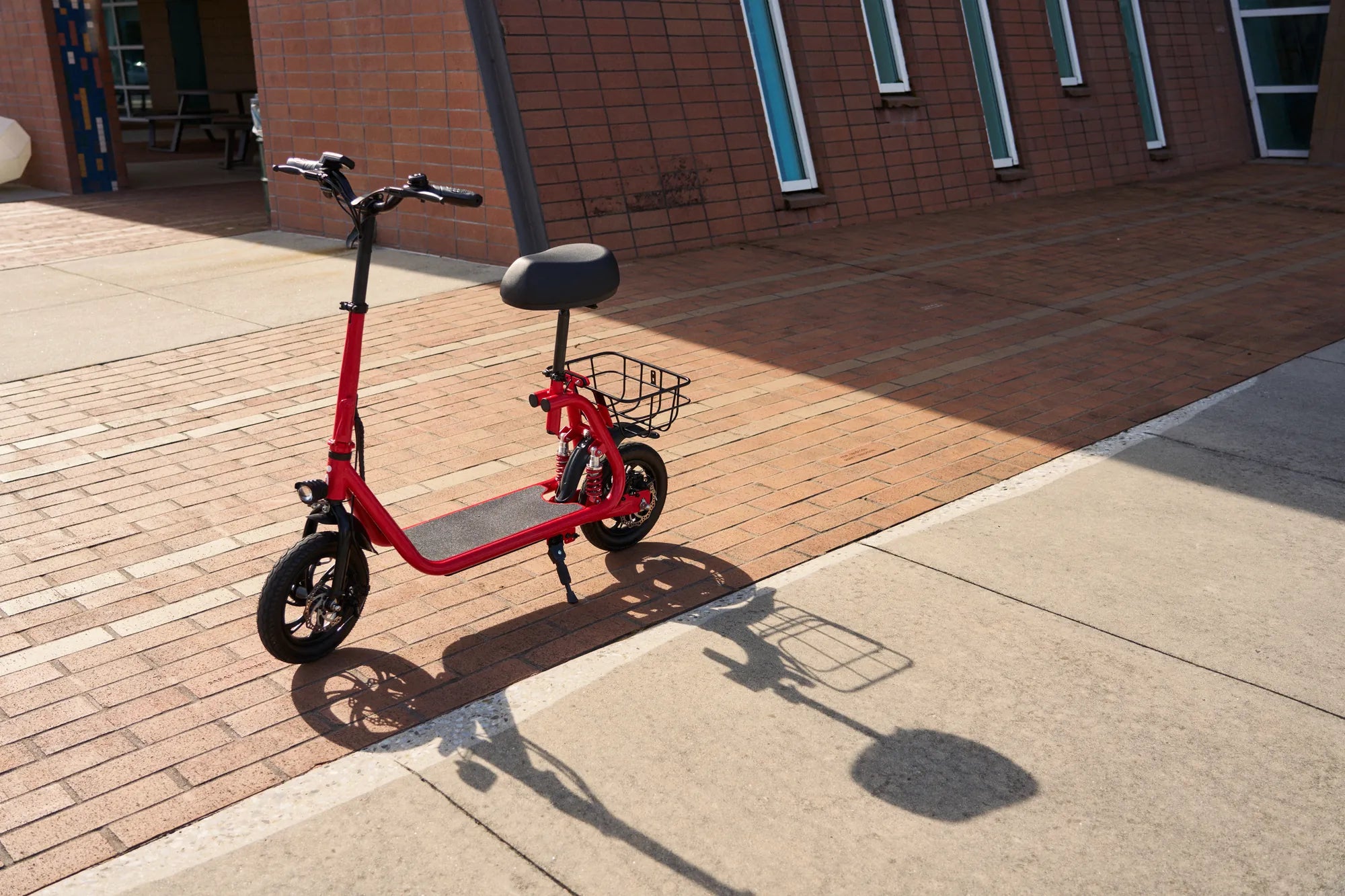
Introduction: The Campus Mobility Revolution
The quad is buzzing, not just with conversation, but with the quiet hum of electric motors. Electric scooters have surged from novelty to necessity on campuses worldwide, promising to solve the age-old student dilemma of getting from point A to point B quickly, cheaply, and without breaking a sweat. But is the hype justified? This article provides a definitive, evidence-based analysis to answer the core question: Are electric scooters good for college?
We will explore the tangible benefits that make e-scooters appealing, from slashing commute times to saving money. We'll also confront the practical drawbacks head-on, including safety concerns, theft risks, and campus policy hurdles. Finally, we'll translate this analysis into a practical buying guide, helping you choose a scooter that matches campus life's unique demands, with a focus on reliable, safety-first brands like Gyroor.
Quantifying the Benefits: Why Scooters Dominate Campus
For students navigating sprawling university grounds or managing tight schedules between classes, work, and study sessions, the advantages of personal electric transport are profound. The benefits extend beyond simple convenience to impact academic performance, financial health, and social flexibility.
The primary appeal is undeniable efficiency. A student can traverse a one-mile distance across campus in under 5 minutes on a scooter, compared to a 15-20 minute walk. This reclaimed time translates directly into more study hours, extra sleep, or reduced stress. Furthermore, the operational cost is a fraction of maintaining a car or using rideshares daily.
Beating the Clock: From Dorm to Lecture Hall in Minutes
Time is the most precious commodity in college. An 8 AM class across campus becomes less daunting when you can cover the distance in minutes rather than a lengthy, energy-sapping walk. This efficiency is magnified for students with back-to-back classes in buildings far apart or for those living in off-campus housing.
The ability to bypass crowded campus shuttle stops and pedestrian traffic creates a predictable, personal schedule. This reliability reduces tardiness and the anxiety associated with it. For commuter students, an electric scooter solves the "last-mile" problem perfectly, bridging the gap between a distant parking lot and their first classroom.
Saving on a Student Budget: The Financial Calculus
The economic argument for an electric scooter is compelling when compared to common alternatives. The initial investment, often between $300 and $800 for a quality model, is offset by eliminating recurring costs.
Consider the annual expenses of a car on campus: parking permits can cost hundreds, insurance is steep for young drivers, and gas is volatile. Rideshare services, while convenient, can drain a budget quickly with daily use. An e-scooter, by contrast, costs pennies to charge. A full charge typically uses less than 10 cents of electricity, allowing for dozens of miles of travel for minimal cost.
Confronting the Drawbacks: Realities of Campus Riding
While the benefits are significant, a responsible evaluation requires an honest assessment of the challenges. Safety, regulation, and practicality present hurdles that every potential rider must consider. Ignoring these factors can turn a convenient tool into a liability.
The most prominent concern is safety. New riders, uneven pathways, and mixed traffic with pedestrians and vehicles create a complex environment. Weather dependence is another major factor; rain, snow, and ice can render a scooter unusable and hazardous. Finally, the risk of theft on a busy campus is non-trivial and requires proactive security measures.
Safety First: Navigating Risks and Regulations
Rider safety is paramount. According to injury studies, a significant portion of e-scooter-related accidents involve first-time riders or those unfamiliar with local rules. Colleges often have specific regulations governing where scooters can be ridden (e.g., bike lanes vs. sidewalks) and parked.
Essential safety practices are non-negotiable. Wearing a helmet reduces the risk of head injury by nearly 70%. Understanding and obeying traffic signals, using lights and reflectors at night, and maintaining a safe speed in pedestrian zones are critical. Students must proactively check their university's transportation website for specific scooter policies to avoid fines or confiscation.
Theft, Weather, and Storage: Logistical Hurdles
A scooter is a valuable asset that needs to be secured. Using a high-quality U-lock through the frame and wheel to a bike rack is essential. Many students also carry their scooters into classrooms or dorms, making portability (weight and foldability) a key purchasing factor.
Weather poses a dual threat. Riding in wet conditions is dangerous due to reduced traction and braking efficiency. Furthermore, water damage can void warranties and permanently damage electronics. This makes a scooter's Ingress Protection (IP) rating crucial. A rating like IPX5, signifying protection against water jets, is a valuable feature for unexpected campus showers.
Campus Scooter Showdown: Key Comparison Points
Choosing the right scooter requires comparing models based on the specific needs of a student. The table below breaks down the critical decision factors, showing how different priorities lead to different ideal choices.
| Priority | Key Features Needed | Ideal Spec Range | Considerations |
|---|---|---|---|
| Budget-Conscious | Reliability, Basic Speed & Range | 15 mph, 10-15 mi range, $300-$500 | May sacrifice top speed, premium suspension, or ultra-lightweight design. |
| Long-Range Commuter | Max Battery Capacity, Comfort | 20+ mi range, 18+ mph, Suspension | Higher weight, longer charge time, higher price point. |
| Ultra-Portable | Lightweight, Fast Folding | Under 30 lbs, one-step folding | Often has smaller battery, shorter range, smaller wheels for curb bumps. |
| All-Weather Ready | High Water Resistance, Durability | IPX5 Rating or Higher, Robust Tires | Essential for campuses in rainy climates; look for sealed electronics. |
The Student's Buying Guide: Specs That Matter
Navigating technical specifications can be confusing. For campus use, not all specs are created equal. Focus on the metrics that directly impact daily usability, reliability, and safety to ensure your investment pays off throughout the semester.
Real-world range is more important than theoretical maximums. Consider your longest daily round-trip and add a 30-40% buffer for battery degradation over time, hills, and colder weather. A scooter advertised for 15 miles might reliably deliver 10-12 in real campus conditions.
Portability is defined by weight and foldability. Can you carry it up a flight of stairs to your lecture hall? Does it fold compactly to tuck under a desk or in a dorm closet? Weight under 35 pounds is a good benchmark for easy carrying.
Engineering for Reliability: The Gyroor Advantage
When evaluating brands, long-term reliability and safety should be top of mind. Gyroor designs its electric scooters with the rigors of daily student use as a core consideration. This translates into specific engineering choices that address common campus concerns.
All Gyroor scooters use UL-certified battery packs, a critical safety feature for dorm-room charging. This certification means the battery has undergone rigorous testing for electrical, fire, and mechanical hazards. Furthermore, models featuring IPX5 water-resistant designs provide peace of mind against sudden rain showers between classes. Backed by a reliable 1-year warranty and trusted by over 100,000 riders, this focus on durable construction makes a Gyroor scooter a prudent long-term investment for campus mobility.
Rider Responsibility: Etiquette and Best Practices
Owning a scooter comes with a responsibility to the campus community. Good rider etiquette ensures safety for everyone and helps maintain positive relations with pedestrians and university administrators.
Always yield to pedestrians, whether on sidewalks or shared paths. Use a bell or polite vocal cue when passing. Never ride on crowded sidewalks during class change; dismount and walk instead. Park responsibly by using designated bike/scooter parking areas and never blocking pathways, ramps, or building entrances. Regularly check your scooter's tire pressure, brakes, and lights to ensure it is in safe operating condition.
FAQs: Electric Scooters on Campus
Q: Are electric scooters allowed in college dorms?
A: Policies vary widely. Many dorms prohibit storing any vehicle with a lithium-ion battery in rooms due to fire risk. Others allow it. Always check your specific dormitory and university housing regulations first. Storing a scooter with a UL-certified battery, like those from Gyroor, may be more favorably considered due to their tested safety standards.
Q: How do I prevent my scooter from being stolen on campus?
A> Use a high-quality U-lock or heavy-duty chain lock, securing the scooter frame (not just the wheel) to a fixed, official bike rack. If possible, take it into buildings with you. Register the scooter with campus security if they offer a program, and always keep your purchase receipt and serial number.
Q: What's the average range needed for a typical college campus?
A> For most large campuses, a real-world range of 10-15 miles is sufficient for a full day of back-and-forth travel. This provides a comfortable buffer. For commuter students traveling from off-campus housing, 15-20+ miles may be necessary to cover the round trip without mid-day charging.
Q: Is a helmet legally required, and should I wear one?
A> Local laws differ, but from a safety perspective, wearing a helmet is absolutely essential. College campuses are mixed-traffic environments. A helmet significantly reduces the risk of severe head injury in the event of a fall or collision, which can happen even at lower speeds.
Q: Can I ride my scooter in the rain?
A> It is not recommended. Even with water-resistant ratings, wet pavement drastically reduces tire traction and braking efficiency, increasing the risk of accidents. Water exposure can also lead to long-term electrical damage. If you must ride in damp conditions, choose a scooter with a high IP rating (like IPX5), proceed with extreme caution at low speed, and dry the scooter thoroughly afterward.
The Final Verdict: A Strategic Campus Investment
So, are electric scooters good for college? The evidence points to a qualified yes. For the vast majority of students attending large, sprawling universities or dealing with commutes from off-campus housing, an electric scooter represents a transformative tool. The quantifiable benefits—time savings, financial efficiency, and convenient independence—are substantial and directly enhance the student experience.
The key to success lies in mitigating the drawbacks through informed choice and responsible behavior. Selecting a reliable, safely engineered scooter from a reputable brand is the first critical step. Pairing that with a commitment to safe riding practices, proper security, and adherence to campus rules transforms a potential hassle into a powerful asset. It empowers students to take control of their schedule, reduce transportation stress, and allocate their most valuable resources—time and money—toward their academic and personal goals.
Ready to transform your campus commute? Explore scooters built for the demands of student life. Browse the full Gyroor collection at gyroorboard.com to find a model that matches your range, portability, and budget needs, engineered with the safety and durability required for daily campus adventures.
Electric Scooters: Are They Safe and Legal? A Comprehensive Guide
Kids Electric Scooters Australia: The Ultimate Guide for Parents