



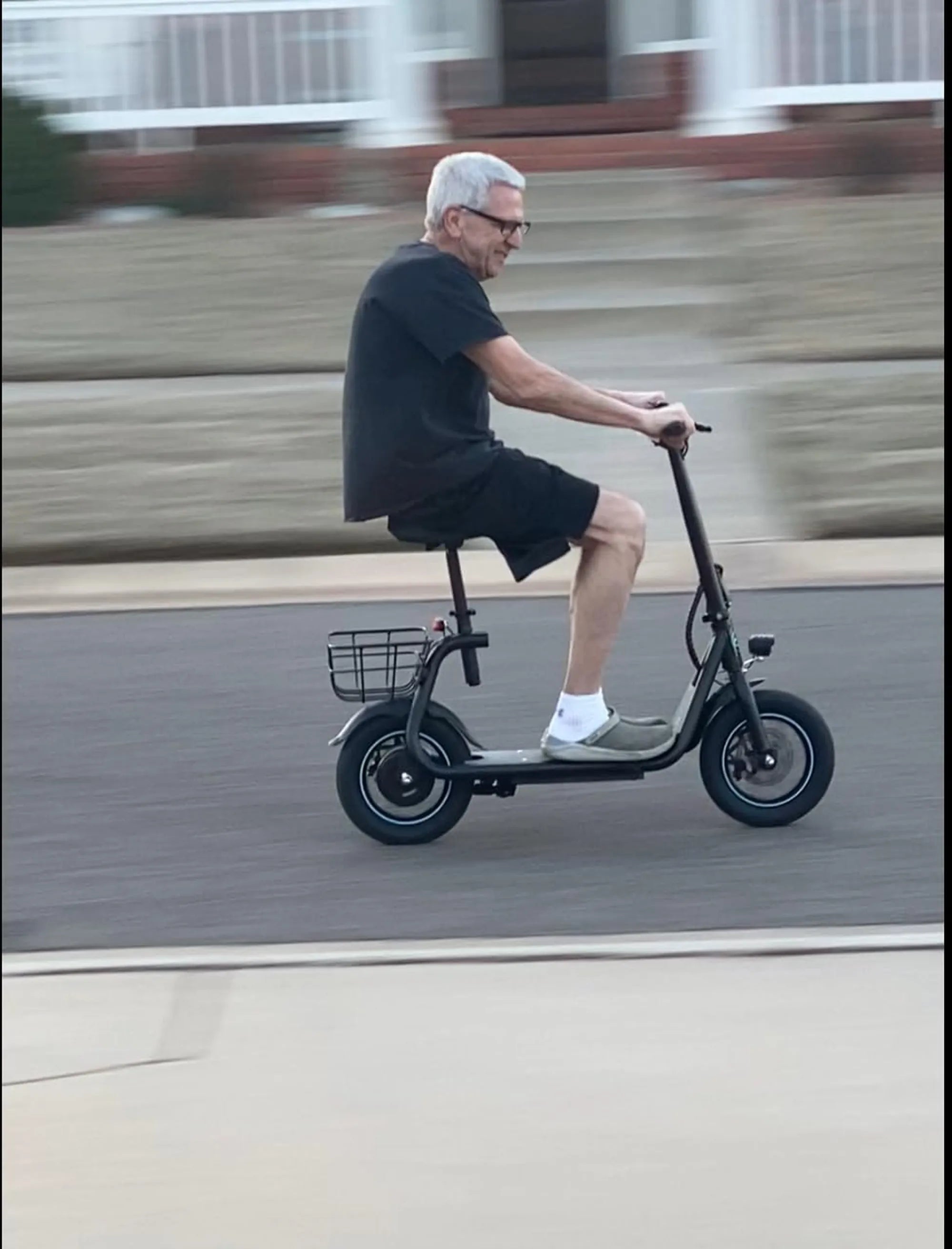
Introduction to Kids Electric Scooters in Australia
Electric scooters have surged in popularity across Australia, becoming a common sight in suburbs and parks. For kids, they represent more than just a trendy toy; they are a gateway to outdoor adventure, a tool for developing physical coordination, and a means of enjoying a slice of independent mobility. This guide, focused on Kids Electric Scooters Australia: The Ultimate Guide for Parents, is designed to cut through the confusion. We provide the facts, data, and local context you need to balance your child's excitement with paramount safety and long-term value.
Navigating the Australian market involves unique considerations, from varying state regulations to specific terrain and climate factors. A well-chosen scooter can provide years of enjoyment, while a poor choice can lead to safety issues and quick disappointment. Our goal is to empower you with knowledge, transforming the purchasing process from a daunting task into a confident decision for your family's next great adventure.
Why Choose an Electric Scooter for Your Child?
Modern childhood is increasingly screen-centric, making devices that encourage outdoor activity incredibly valuable. A kids' electric scooter actively promotes physical play away from digital devices. The act of riding develops core strength, balance, and fine motor skills as children learn to steer, brake, and control their speed. It's a fun form of exercise that doesn't feel like a chore.
Beyond physical development, e-scooters can foster independence and responsibility. Managing a powered vehicle teaches kids about cause and effect, spatial awareness, and the importance of following rules. For families, they can be a convenient way to cover longer distances during weekend outings to the park or beach, keeping up with parents on bikes and making family excursions more enjoyable for everyone.
The "cool factor" is undeniable and can be a powerful motivator. An electric scooter is often a highly coveted item that gets kids excited to go outside. This social and recreational appeal is a positive force, turning simple errands or neighbourhood explorations into exciting mini-adventures and helping to build lasting memories of an active childhood.
Understanding Australian Rules and Safety Standards
Before any purchase, understanding the legal landscape is non-negotiable. Australian electric scooter laws are primarily determined at the state and territory level, with significant variations. Generally, for the type of scooters intended for children (under 200W motor, max speed 10-25 km/h), use on public roads is prohibited. Their use is typically confined to private property or, in some jurisdictions, specific shared paths and footpaths with strict conditions.
A common rule across most states is that riders must be at least 12 years old to use an e-scooter on a public footpath or shared path. For example, in New South Wales and Victoria, riders under 16 must be supervised by an adult. Queensland has similar age restrictions for public use. Helmets are universally mandatory by law for any electric scooter rider in all public spaces. It is the parent's critical responsibility to check the latest rules with their local state transport authority and council, as regulations are frequently updated.
Prioritising Safety: Non-Negotiables for Parents
The law provides a baseline, but parental oversight establishes the true safety standard. A certified bicycle helmet is an absolute must, properly fitted every single time. Complement this with knee and elbow pads to protect against common falls, and insist on sturdy, closed-toe shoes—never thongs or sandals.
Parental supervision is crucial, especially for younger or inexperienced riders. Choose the environment wisely: start in a safe, controlled area like an empty carpark, a smooth driveway, or a designated bike path free from vehicle traffic. Before the first ride, establish clear, non-negotiable rules: no riding near roads, no riding after dark without lights, always be aware of pedestrians, and respect speed limits. This foundation turns fun into safe fun.
Key Features to Look for in a Kids' E-Scooter
Selecting the right scooter means looking beyond colourful designs and focusing on specifications that impact safety, performance, and durability. The following table compares critical features across common use cases to guide your decision.
| Feature | Young Beginner (5-8 yrs) | Older Child / Commuter (9-12+ yrs) | Performance / Off-road |
|---|---|---|---|
| Motor Power | 100W - 150W (for gentle starts) | 200W - 250W (for hills, longer paths) | 300W+ (for steep inclines) |
| Max Speed | Adjustable, max 10-12 km/h | Adjustable, up to 20-25 km/h | 25 km/h+ (for experienced riders only) |
| Battery & Range | 3-5Ah, 8-12 km range | 5-7.5Ah, 15-20 km range | 7.5Ah+, 20-30 km range |
| Weight Limit | 50-70 kg | 70-100 kg | 100-120 kg |
| Tyres | Pneumatic or airless foam (low maintenance) | Pneumatic (better comfort & grip) | Large, pneumatic, often with tread |
| Key Priority | Stability, low speed, parental controls | Balance of range, speed, durability | Power, suspension, all-terrain capability |
Motor Power and Speed Control
Motor power, measured in watts (W), determines a scooter's ability to climb hills and accelerate. For young beginners, a 100-150W motor is sufficient for flat paths and provides a gentle start. For older kids tackling suburban hills, 200W-250W is more appropriate. Crucially, look for models with adjustable speed limits or a dedicated beginner mode, often controlled via a companion app or physical key. This allows you to cap the speed at a safe level (e.g., 10 km/h) and increase it as your child's skill and confidence grow.
Battery Life and Range
Battery capacity, measured in ampere-hours (Ah), directly influences range. Real-world range is always less than theoretical maximums. A scooter with a 5Ah battery typically offers 12-15 km per charge, which is ample for extended play sessions. Consider charge time—most scooters require 3-5 hours for a full charge. Teach your child to monitor the battery indicator and to avoid fully depleting the battery, as this can shorten its overall lifespan.
Build Quality, Weight Limit, and Durability
A sturdy frame, typically made from aerospace-grade aluminium, is essential to withstand the bumps and knocks of regular use. The maximum weight limit is a critical safety specification; exceeding it can stress the frame, motor, and brakes, leading to premature failure or unsafe riding conditions. Always choose a scooter with a limit well above your child's current weight. Good suspension and pneumatic (air-filled) tyres greatly improve comfort and control on Australia's often uneven footpaths, providing better shock absorption than solid rubber tyres.
Why GYROOR is a Trusted Choice for Australian Families
When evaluating brands, parents need assurance of safety and reliability. GYROOR has built its reputation on these pillars, making it a standout choice for the Australian market. As a leading electric mobility brand trusted by over 100,000 riders, its engineering priorities align perfectly with a parent's primary concerns: safety, durability, and support.
Foremost is the use of UL-certified lithium-ion battery packs. This independent certification is a gold standard for battery safety, rigorously testing for overcharge, short circuit, and extreme temperature protection. It provides essential peace of mind, mitigating the risk of battery-related incidents—a top concern for any parent purchasing a powered device for their child.
Australian weather can be unpredictable. GYROOR scooters feature an IPX5 water-resistant rating. This means the electrical components are protected against water jets from any direction, allowing the scooter to safely handle damp paths, light rain, or accidental puddle splashes without immediate damage, ensuring the fun doesn't have to stop at the first sign of moisture.
Finally, GYROOR backs its products with a 1-year comprehensive warranty and accessible local support. For Australian families, this is a critical advantage. It means that if any issue arises, you have a direct channel for assistance, spare parts, or service without the hassle and cost of international returns, ensuring your investment is protected for the long term.
Top Tips for First-Time Riders and Parents
The first ride sets the tone. Begin with a thorough pre-ride safety check. Ensure tyres are properly inflated, the folding mechanism (if present) is securely locked, brakes are responsive, and lights are functional. Adjust the handlebar height so your child can stand comfortably with a slight bend in the elbows.
Initiate lessons in a large, flat, and car-free zone. An empty netball court, tennis court, or smooth driveway is ideal. Start with the basics: how to power the scooter on/off, use the throttle gently, and engage the brake to come to a complete stop. Have your child practice gliding with the power off first to get a feel for balance.
Once starting and stopping are mastered, practice gentle turns at very low speed. Emphasise looking in the direction of the turn and keeping a steady pace. Gradually introduce slightly more challenging environments, like a smooth, gentle slope or a path with gentle curves, always under close supervision. This progressive approach builds muscle memory and confidence safely.
Maintenance and Care for Longevity
Regular maintenance keeps a scooter safe and extends its life. Perform a basic check every few rides: inspect tyres for wear and correct pressure, test brake lever tension, ensure all bolts and nuts are tight (especially on the stem and handlebars), and wipe down the deck and frame to prevent dirt buildup.
Battery care is paramount. Avoid storing the scooter in extreme heat, like a car boot in summer, or in freezing conditions. For long-term storage (e.g., over a month), charge the battery to about 50-60% and store it in a cool, dry place. Recharge every few months to prevent deep discharge. Use only the manufacturer-provided charger.
For pneumatic tyres, keep a small pump handy and check pressure weekly. Under-inflated tyres make riding harder, reduce range, and increase wear. Learn how to identify wear on brake pads. Most scooters use disc or drum brakes; if braking becomes less responsive or you hear a persistent grinding sound, it may be time for a pad replacement, a task often covered under warranty or easily done by a local bike mechanic.
Frequently Asked Questions (FAQs)
Q: What is the right age for a kids' electric scooter?
A> Age is less important than maturity, coordination, and the ability to understand safety rules. While many scooters are marketed to children 8+, a responsible 6-year-old with good balance might be ready on a low-speed model under strict supervision. Always cross-reference with your state's legal age minimums for public path use, which is often 12.
Q: How do I maintain the scooter's battery for maximum life?
A> Follow the "20-80" rule where possible: try not to let the battery drain below 20% before recharging, and avoid leaving it plugged in at 100% for extended periods. Store the scooter (and battery) in a temperate environment. A well-cared-for lithium-ion battery should retain good capacity for 2-3 years of regular use.
Q: Are electric scooters allowed in Australian parks and on school grounds?
A> This is council and school-specific. Many parks prohibit motorised vehicles on playgrounds, skate parks, or certain pathways. School grounds almost always ban them during school hours. Always check posted signage and local council bylaws. The safest assumption is that use is restricted to paths explicitly designated for bicycles or shared use.
Q: Can my child ride their e-scooter to school?
A> This depends entirely on school policy and the route's legality. Most schools do not permit electric scooters to be ridden or stored on campus due to safety and liability concerns. Even if the school allows it, the journey must be on paths where e-scooter use is legal for their age group. Always obtain explicit permission from the school first.
Q: What if we have a problem with our GYROOR scooter in Australia?
A> GYROOR provides dedicated local support for Australian customers. Your 1-year warranty is your first point of contact. You can reach out to the support team via the official website for troubleshooting, warranty claims, or to locate authorised service agents. This localised support network is designed to resolve issues quickly and efficiently.
Conclusion: Empowering Safe Adventures
Choosing the right electric scooter for your child is an investment in their fun, freedom, and development. By prioritising safety features like adjustable speed limits, robust construction, and UL-certified batteries, and by rigorously adhering to Australian laws and safety practices, you can provide a gift that delivers joy and responsibility in equal measure. Brands that offer certified quality, water resistance, and strong local warranty support, like GYROOR, remove the guesswork and risk from your purchase.
Equip your young rider with knowledge and the right gear, and you're not just giving them a scooter—you're opening the door to countless adventures, fostering a love for the outdoors, and teaching valuable lessons in responsibility. Use this guide as your roadmap to a confident and safe choice. Ready to explore models that combine safety, performance, and reliability for your family? Browse the full GYROOR collection designed for young riders at gyroorboard.com.
Are Electric Scooters Good for College? The Ultimate Campus Mobility Guide
Market Share of Electric Scooters in India: Trends, Growth, and Future Outlook