


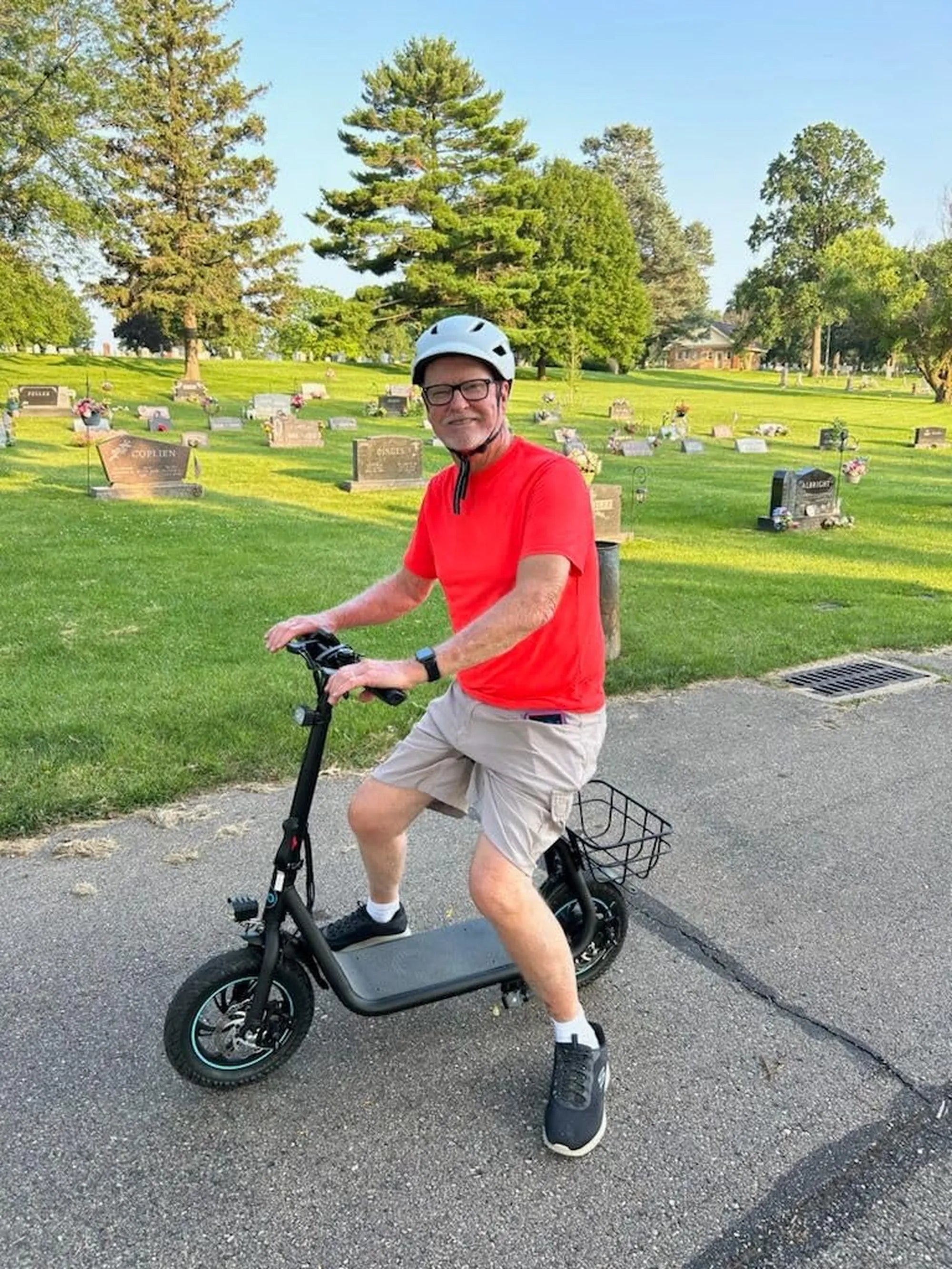
Introduction to Electric Scooter Legality in Britain
Navigating the laws surrounding electric scooters in Britain is a source of significant confusion for many. The landscape is defined by a stark, simple rule with complex exceptions. The core legal principle is this: privately owned e-scooters are generally illegal to use on public roads, pavements, and cycle lanes. The only legal way to ride an e-scooter on public roads is through a government-approved rental trial scheme. This guide will provide a comprehensive breakdown of the current rules, potential penalties, the ongoing rental trials, and what the future may hold for e-scooter legislation across the UK.
Understanding this distinction is not just academic; it has real-world consequences for safety, liability, and your wallet. We will dissect the legal categories, explore enforcement practices, and offer practical advice for responsible riding. Whether you're considering a purchase or just curious about the rules, this is your complete resource on e-scooter legality in Britain.
The Current Legal Landscape: Understanding the Categories
British law currently recognises two distinct categories for electric scooters, and confusing them can lead to legal trouble. The classification hinges entirely on ownership and authorisation, not the physical device itself.
Privately Owned Electric Scooters
Under the Road Traffic Act 1988, privately owned e-scooters are classified as "Powered Transporters." This categorises them as motor vehicles. Consequently, to be used on public roads, they must meet the same requirements as cars and motorcycles: valid insurance, road tax, a driving license, and compliance with technical standards (like having rear red lights and number plates).
In practice, it is currently impossible for a standard, retail e-scooter to meet these requirements. No insurance product exists for private e-scooter use on public roads, and they cannot be type-approved for road use. Therefore, using a privately owned e-scooter on any public land—including roads, pavements, cycle lanes, and bridleways—is illegal. This remains the case regardless of the scooter's speed, power, or where it was purchased.
Government-Rental Trial E-Scooters
This is the critical exception. The UK government has authorised rental e-scooter trials in over 30 select towns and cities to gather data on their safety and impact. These trials, which have been extended multiple times, are the only way to legally ride an e-scooter on public roads.
These rental scooters are insured by the operators, and their use is heavily regulated. Riders must have a full or provisional car, motorcycle, or moped license (Category Q or above). They are typically restricted to 15.5 mph (25 km/h), must not be used on pavements, and are often geofenced to operate only within specific trial zone boundaries. Popular operators include Tier, Voi, and Lime in their respective trial areas.
Where Can You *Legally* Ride? Public Roads, Pavements & Private Land
The rules on location are absolute and differ completely between the two scooter categories. Misunderstanding where you can ride is the most common cause of legal issues for e-scooter users.
For Privately Owned E-Scooters
The use of private e-scooters is restricted entirely to private land. This means you can only ride on land where you have the explicit permission of the landowner. Your own garden, a private driveway, or designated private property (like some large private estates or tracks) are permissible locations.
It is illegal to ride a private e-scooter on any public highway. This comprehensive ban includes roads, pavements, pedestrian zones, public cycle lanes, and parks. The prohibition applies even if you are riding carefully, at walking speed, or to access a cycle lane. There is no legal grey area for private scooters in public spaces.
For Rental Trial E-Scooters
Rental e-scooters are legal only within the geographic boundaries of the active government trial area in which they operate. Permitted locations within these zones are typically roads and cycle lanes. Riding on pavements remains illegal and can result in fines from the rental operator or local police.
These schemes use geofencing technology to enforce rules. Scooters may automatically reduce speed in pedestrian-heavy areas or come to a complete stop in no-ride zones. It is the rider's responsibility to use the provider's app to understand the specific local rules, which can vary between trial locations.
Risks, Penalties, and Enforcement for Illegal Riding
Enforcement of e-scooter laws has increased as their popularity has grown. Police forces across the UK are issuing penalties, and the consequences extend far beyond a simple warning.
Potential Penalties from Police
The penalties for illegally riding a private e-scooter on public land are severe and can have a lasting impact. The most common offence is driving without insurance, which carries a £300 fixed penalty notice and 6 penalty points on your driving license. If you do not hold a license, you can be fined and prosecuted for that separately.
Under Section 165 of the Road Traffic Act, police have the power to seize the e-scooter. You will then be liable for recovery and storage fees, often exceeding £150, to get it back. In cases of dangerous or careless riding, you could face prosecution in court, leading to larger fines, more penalty points, or even disqualification from driving.
Insurance and Liability Implications
This is one of the most significant risks. Riding an illegal e-scooter automatically means you are uninsured. In the event of an accident, you are personally liable for all costs. This includes damage to other vehicles or property, and crucially, compensation for injuries to other road users or pedestrians.
Such liabilities can run into tens or even hundreds of thousands of pounds. Furthermore, if you are injured while riding illegally, you may find any personal injury claims complicated or invalidated. Your own car or home insurance could also be affected if you make a claim related to an incident involving an illegal e-scooter.
Comparative Overview: Private vs. Rental E-Scooters in the UK
| Legal Aspect | Privately Owned E-Scooter | Government Rental Trial E-Scooter |
|---|---|---|
| Legal Status on Public Roads | Illegal | Legal within designated trial zones only |
| Insurance Requirement | Required but unavailable, making use illegal | Provided by the rental operator |
| Driving License Needed | Required (Category B/AM/Q) but cannot legitimise use | Required (Full/Provisional Cat. Q or above) |
| Where You Can Ride | Private land only (with permission) | Roads & cycle lanes in trial area |
| Typical Speed Limit | N/A (private land rules apply) | 15.5 mph (25 km/h), often lower in zones |
| Penalty for Illegal Use | £300 fine, 6 points, seizure of scooter | Fines from operator, possible police action for pavement riding |
| Vehicle Standards | No type-approval for road use | Meets specific trial safety requirements |
The Future of E-Scooter Law: What’s Next for the UK?
The current situation, with rental trials ongoing but private use banned, is widely seen as transitional. The government has completed consultations and is analysing data to decide on a long-term regulatory framework.
The Path to Potential Legalisation
For private e-scooters to become legal, the government must create a new vehicle category with its own set of rules. Key hurdles include establishing mandatory safety standards (such as specific brake performance, indicator lights, and maximum power output), creating an accessible insurance framework, and defining where they can be used—likely prohibiting pavement riding and potentially mandating helmet use.
Models from other European countries, like Germany and France, where certain e-scooters are legal with regulations on speed, power, and minimum rider age, are being studied. Any future legislation will almost certainly include a power limit (likely 500W), a speed cap (15.5 mph on roads), and a minimum rider age of 16 or 18.
How Riders Can Prepare for Change
Staying informed is crucial. Riders should monitor official announcements on the GOV.UK website and the Department for Transport's channels. Choosing a scooter from a reputable brand that prioritises build quality and safety certifications is a smart, future-proof investment.
Brands like Gyroor, with UL-certified batteries, robust construction, and proper lighting systems, are already building products that align with anticipated European safety standards. Responsible riding behaviour, even on private land, helps build a positive culture that supports the case for safe, regulated legalisation.
Choosing a Gyroor E-Scooter with Legality and Safety in Mind
While awaiting potential law changes, selecting the right e-scooter for use on private land is about safety, quality, and future readiness. Gyroor, a leading brand trusted by over 100,000 riders, designs its scooters with a focus on the safety features that future regulations are likely to demand.
Built for Safety and Future Compliance
Gyroor's commitment to safety is evident in its core specifications. The use of UL-certified battery packs, tested for over 500 charge cycles, directly addresses the primary safety concern of fire risk. IPX5 water-resistant ratings ensure the scooter can handle wet conditions, a key consideration for UK weather and potential future roadworthiness tests.
Features like dual braking systems (electronic and disc or drum), bright front and rear lights, and audible horns are not just conveniences; they are foundational elements of safe operation. These align closely with the technical standards proposed in various government consultations, making a Gyroor scooter a prudent choice that is built to last and potentially comply with future rules.
The Responsible Rider's Checklist
Regardless of the legal framework, responsible riding is paramount. Adhere to this checklist: 1) Use private e-scooters only on private land with permission. 2) Always wear a helmet and consider additional protective gear. 3) Choose a reputable brand with certified safety features, like Gyroor's UL-certified batteries. 4) Regularly check your scooter's brakes, tire pressure, and lights. 5) Stay informed of legal developments through official government sources.
Frequently Asked Questions (FAQs)
Q1: Can I ride my e-scooter to work?
Only if you are using a rental e-scooter within an active government trial area and both your start and end points are within that zone's boundaries. Commuting on a privately owned e-scooter on public roads is illegal and can result in penalties, seizure of the scooter, and invalidated insurance in case of an accident.
Q2: Do I need a helmet to ride an e-scooter?
While not a legal requirement for rental trial e-scooters, it is overwhelmingly recommended by safety experts, the government, and rental operators themselves. For private scooters used on private land, wearing a helmet is a critical, non-negotiable safety practice. A cycle helmet is the minimum standard.
Q3: Will e-scooters ever be fully legal in the UK?
It is very likely, but it will come with strict regulations. The government is actively working on legislation. Full legalisation for privately owned models is expected to mirror the rental trial rules: speed limits (15.5 mph), power limits, a minimum riding age, a ban on pavement use, and mandatory safety standards. The timeline, however, remains uncertain.
Q4: Can I be breathalysed on an e-scooter?
Yes. Since an e-scooter is classified as a motor vehicle when used on a public road (illegally for private ones, legally for rentals), the same drink-drive laws apply. If you are stopped by police while riding, you can be required to take a breath test. Failure or refusal can lead to prosecution for drink-driving, with severe penalties including a driving ban.
Q5: What happens if I have an accident on a private e-scooter?
If the accident occurs on public land, you are riding illegally and uninsured. You will be personally liable for all damages and injuries to others, which could be financially devastating. You may also face prosecution for driving offences. If the accident occurs on private land, civil liability will apply, and your own personal liability or insurance would need to cover any claims.
Final Verdict and Next Steps
The legality of electric scooters on British roads is currently defined by a clear but restrictive rule: private use on public land is illegal, while sanctioned rental trials provide the only legal pathway. This framework is under review, and change is anticipated. Until then, understanding and respecting the current law is essential to avoid serious penalties and ensure everyone's safety.
If you are considering an e-scooter for use on private land, invest in a model built with safety and durability at its core. Gyroor's range, featuring UL-certified batteries, IPX5 water resistance, and reliable braking systems, offers a responsible and future-ready choice. Explore models designed for performance and safety that you can enjoy responsibly today, and which are built to meet the standards of tomorrow.
Ready to explore premium, safety-focused electric scooters designed for responsible riding? Browse the full Gyroor collection at gyroorboard.com.
Electric Scooters for Ladies: The Ultimate Guide to Stylish and Efficient Commuting
Gainesville Electric Scooters: The Future of Urban Mobility