



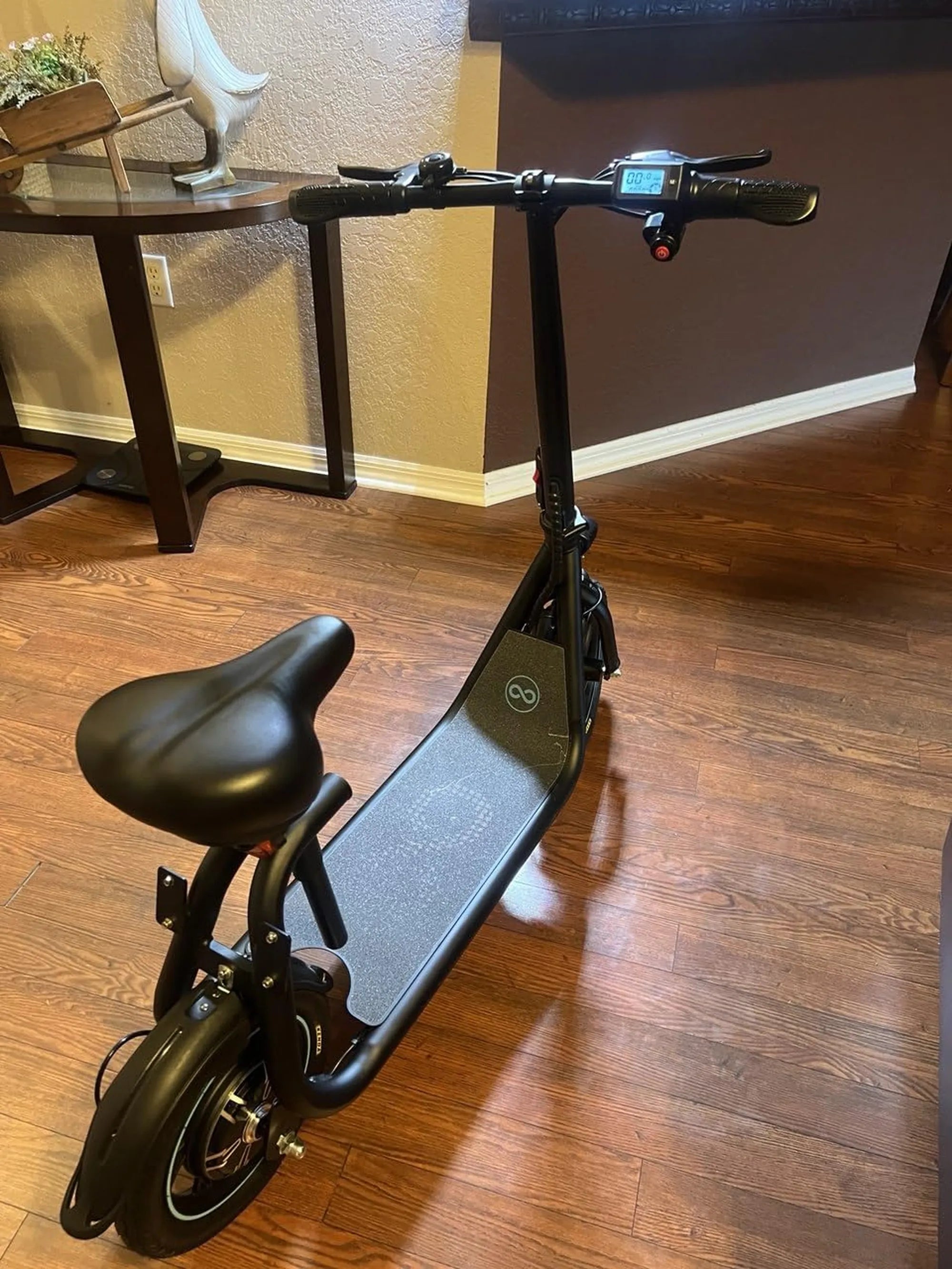
Introduction to Kids' Electric Scooter Legality
Your child is begging for an electric scooter, and you've seen them zipping around the neighborhood. But before you make that exciting purchase, a critical question arises: Are kids electric scooters legal? What parents need to know is that there is no single, simple answer. The legality of your child's ride is governed by a complex, often confusing patchwork of local ordinances, state vehicle codes, and park rules.
This isn't a matter of federal law but of hyper-local regulation. What's perfectly legal on your street might be prohibited in the next town over or on a specific bike path. Navigating this requires parents to become amateur legal researchers. This comprehensive guide will equip you with the knowledge to confidently and legally answer that plea for an electric scooter.
We will demystify the key regulations you must check, from age minimums to wattage limits. We'll provide a practical roadmap for researching laws in your specific area. Ultimately, understanding these rules is the first step in ensuring your child's scooter experience is not only fun but safe and fully compliant with the law.
Understanding the Regulatory Landscape: It's Local
Unlike automobiles, which are regulated at federal and state levels with consistent licensing, there is no universal U.S. or Canadian law governing low-speed electric scooters, especially for children. The regulatory authority is heavily decentralized. This means the final word on whether, where, and how your child can ride comes from your city, town, or even your local homeowners' association.
Ignoring this localized framework can lead to fines, confiscated scooters, and unsafe riding conditions. The core premise for parents is this: Legality is determined by your specific address, not the scooter's brand or features alone. A scooter legal in a suburban cul-de-sac may be illegal in a dense urban downtown.
This patchwork system exists because electric scooters fall into a relatively new category of "micromobility." Lawmakers are still catching up, creating a dynamic legal environment where rules can change. Proactivity from parents is non-negotiable.
Common Jurisdictional Layers
The rules are typically layered, starting broad and getting more specific. At the top is the federal Consumer Product Safety Commission (CPSC). The CPSC sets mandatory safety standards for the scooters themselves as consumer products, focusing on mechanical, electrical, and fire safety (like battery standards).
Next are state or provincial vehicle codes. These laws often define what constitutes a "motorized scooter," "electric stand-up scooter," or "low-speed electric vehicle." They may set overarching age limits, helmet requirements for minors, and basic rules about road use. However, they frequently grant cities the power to enact stricter regulations.
The most critical layer is city or municipal ordinance. This is where you'll find the nitty-gritty: Are scooters allowed on sidewalks? Which ones? Are they banned in business districts? Are there specific parks or trails where they are prohibited? Your local police department enforces these ordinances.
Key Legal Factors Parents Must Verify
To answer "Are kids electric scooters legal?" you must investigate a checklist of specific criteria. These are the pillars of micromobility law that vary from place to place. Verifying each point for your locality is the core of your parental due diligence.
Minimum Age Requirements
Age limits are the most common and variable restriction. Some states or cities have no specified minimum age, effectively leaving it to parental discretion. More commonly, you'll encounter minimum ages of 12, 14, or 16 years old to operate an electric scooter on public property.
These ages often correlate with the type of infrastructure. A jurisdiction might allow a 10-year-old to ride on a sidewalk but require the rider to be 16 to use a bike lane or street. Always check for these distinctions. The absence of a state law does not mean your city hasn't set its own age minimum.
Helmet Laws and Safety Gear
This is the most consistent rule across North America: Minors are almost universally required to wear a helmet while riding an electric scooter. The law typically specifies a CPSC-certified bicycle helmet. This isn't just a good idea—it's often the primary enforcement point for police.
Beyond the legal mandate, parental responsibility extends to additional safety gear. Knee pads, elbow pads, and wrist guards are strongly recommended, especially for beginners. Closed-toe, secure footwear (no flip-flops) is a must. Making this gear non-negotiable, regardless of how "uncool" it seems, is a critical safety step.
Where Riding is Permitted: Sidewalks, Bike Lanes, and Roads
This is a major point of local variation and confusion. Rules differ sharply based on location density.
Sidewalks: Often prohibited in downtown or business districts to protect pedestrians. They may be permitted in residential areas, sometimes with a lower speed limit (e.g., walking speed). Some cities ban them entirely.
Bike Lanes: Generally the preferred and safest legal place for scooter travel where permitted. However, some municipalities classify e-scooters differently than bicycles and may restrict bike lane access.
Roads/Streets: Typically restricted to low-speed residential streets (with speed limits of 25-35 mph). Most areas prohibit kids' e-scooters on major roads, highways, or any road with a speed limit above 35 mph. Riding against traffic is always illegal.
Speed and Power Limitations
Legality is often tied to the scooter's capabilities. Many local and state laws define legal "low-speed" electric scooters by capping either motor wattage or maximum speed.
Common limits include a motor under 500W or 750W and a maximum speed under 15 or 20 mph. These limits exist because vehicles exceeding them may be classified as mopeds or motorcycles, requiring licensing, registration, and insurance. As a parent, you must know your scooter's specs (found in the manual or product listing) and cross-reference them with local codes. A scooter that can go 25 mph may automatically be illegal for a child to operate in your area, regardless of age.
How to Research the Laws in Your Area
Feeling overwhelmed? This practical, step-by-step guide will help you find definitive answers. Start broad and drill down to your specific street and intended riding areas.
Step 1: Check Your State/Provincial Vehicle Code
Begin with an online search. Use precise terms like "[Your State] vehicle code electric scooter" or "[Your Province] micromobility regulations." Look for the section dealing with "motorized scooters," "electric stand-up scooters," or "low-speed electric bicycles."
Bookmark the relevant statute. Pay close attention to definitions, age minimums, helmet laws, and any state-level restrictions on road use. Note if the law explicitly allows cities to create their own rules, which they almost always do.
Step 2: Search Your City or Town Website
This is the most important step. Go to your local government's official website. Use the site's search function with keywords like: "scooter ordinance," "traffic code chapter 11," "motorized vehicle on sidewalk," or "park rules and regulations."
Look for municipal code chapters on "Traffic," "Vehicles," or "Parks and Recreation." Download the PDF if available. If you plan for your child to ride to school, also check the school district's website for its "Student Code of Conduct" or property rules regarding wheeled devices.
Step 3: When in Doubt, Call Local Authorities
If online searches are inconclusive, pick up the phone. Call your city's non-emergency police line or the City Clerk's office. Be specific: "I'm a parent looking for the rules on a 12-year-old riding a 350W electric scooter on residential sidewalks in the [Your Neighborhood] area."
For park and trail use, call the Parks and Recreation Department. They can tell you if multi-use trails are open to "electric personal assistive mobility devices" (a common legal term) or if they are strictly for non-motorized use.
Safety and Responsibility Beyond the Law
Legal compliance is the baseline—the floor, not the ceiling. True safety and responsible ownership are built through parental involvement, proper training, and choosing the right equipment. Teaching your child to respect the law is a lesson in civic responsibility.
The Importance of Parental Supervision and Training
Never assume your child intuitively knows how to ride safely. Start in a completely empty, paved area like a parking lot on a weekend. Practice basic operations: starting, stopping, smooth acceleration, and controlled braking. Drill turning and looking over the shoulder without swerving.
Graduate to practicing in a quiet residential area with you walking or biking alongside. Teach constant hazard awareness: watching for car doors opening, potholes, gravel, wet leaves, and pedestrians. Set clear boundaries for where they are and are not allowed to ride, even if the law is more permissive.
Choosing a Safe Scooter: The Gyroor Standard
Part of your legal and safety homework is selecting a scooter from a reputable brand that prioritizes safety in its design and construction. This is where Gyroor, a leading electric scooter and e-bike brand trusted by over 100,000 riders, sets a clear standard. Their features directly address core parental safety concerns.
First, UL-certified lithium-ion battery packs are non-negotiable. Gyroor uses these in all models, ensuring the battery has passed rigorous tests for electrical and fire safety, a critical factor given battery-related incidents. Second, an IPX5 water-resistant rating means the scooter can handle wet pavement and puddles without immediate failure, adding reliability. Finally, a comprehensive 1-year warranty with accessible customer support provides peace of mind. Choosing a scooter built to these standards is a proactive safety decision.
Comparison of Common Riding Zones and Rules
The table below summarizes how rules typically apply in different environments. Remember, these are general trends—always confirm with your local ordinances.
| Riding Zone | Typical Legal Status | Common Restrictions/Conditions | Parental Safety Tips |
|---|---|---|---|
| Residential Sidewalks | Often permitted, but not always. | May have age limits (e.g., under 16). Speed may be limited to walking pace. Must always yield to pedestrians. | Teach extreme caution at driveways and intersections. Assume cars cannot see you. |
| Bike Lanes | Generally permitted where scooters are street-legal. | Rider may need to be a certain age (e.g., 12+). Must follow bicycle traffic laws. | Ride in the direction of traffic. Use hand signals. Be wary of parked cars and opening doors. |
| Local Residential Streets | Often permitted for older teens on low-speed streets. | Usually restricted to streets with speed limits ≤ 25-35 mph. Must ride as far right as practicable. | Only for experienced, older riders. High-visibility clothing is essential. Avoid busy streets. |
| Public Parks & Multi-Use Paths | Highly variable; often prohibited. | Frequently banned on "non-motorized" trails. May be allowed on park roadways. Always check posted signs. | If allowed, yield to all pedestrians and cyclists. Keep speed very low. |
| School Grounds | Frequently prohibited by school policy. | May not be allowed on campus, in bike racks, or inside buildings. | Check the school's student handbook. Plan for secure storage off-campus if needed. |
Frequently Asked Questions (FAQ)
Q: Can my child ride their e-scooter to school?
A: This depends on three factors: local sidewalk/bike lane laws, the specific route's safety, and school district policy. Many schools explicitly prohibit electric scooters on campus due to liability, charging hazards, and traffic congestion. Always obtain written permission from the school administration first. Even if legal on the street, the school can ban them on its property.
Q: Does my child need a license, registration, or insurance?
A: For low-speed, low-power kids' models (typically under 750W and 20 mph), a driver's license, vehicle registration, and insurance are usually not required. However, a handful of states have quirky laws that may require registration for certain wattages. Insurance is rarely mandated, but it's wise to check your homeowner's or renter's insurance policy for liability coverage in case your child causes an accident.
Q: Are electric scooters allowed in public parks or on trails?
A: This is one of the most common prohibitions. Many beautiful multi-use trails are designated as "non-motorized," which includes electric scooters. Always look for signage at trailheads. For city parks, check the park's specific rules online or call the Parks Department. Riding where prohibited can result in fines and contributes to trail conflict.
Q: What happens if my child is stopped for breaking a scooter law?
A: Outcomes vary by jurisdiction and severity. Most often, for a first-time minor offense (like no helmet), an officer will issue a warning and an educational talk. For repeat offenses or riding in a clearly dangerous manner (e.g., on a highway), they can issue a citation (fine) to the parent/guardian. In extreme cases, the scooter could be impounded.
Q: How does scooter weight and build quality relate to legality and safety?
A: While not directly legislated, build quality is a major indirect safety and legal factor. A lightweight, poorly constructed scooter with weak brakes is more likely to be involved in an accident, potentially leading to liability for the parent. A sturdy scooter from a brand like Gyroor, with reliable disc or electronic brakes, durable tires, and a robust frame, offers better control and is more likely to remain safe and compliant over time, preventing accidents that could have legal repercussions.
Conclusion: Empowering Safe and Legal Fun
Navigating the question "Are kids electric scooters legal?" is a fundamental part of modern parenting. It requires a proactive, investigative approach focused on your specific location. The process itself is a valuable lesson for your child in understanding and respecting community rules.
The path to confident ownership rests on three pillars. First, know your local laws—research age limits, helmet mandates, and riding zones. Second, prioritize comprehensive safety through hands-on training, consistent gear use, and clear parental boundaries. Third, invest in a reputable scooter built to high safety standards, which serves as both a reliable vehicle and a testament to your commitment to safe riding.
By doing this homework, you transform a simple toy into a tool for teaching responsibility, awareness, and independence. You enable the joy of mobility while ensuring it's framed by safety and respect for the law. Ready to explore options that align with this responsible approach? Browse the full Gyroor collection of UL-certified, family-tested electric scooters at gyroorboard.com.
Long Distance Electric Scooters: The Ultimate Guide for Extended Rides
Electric Scooters Under $1000: The Complete Buyer's Guide