



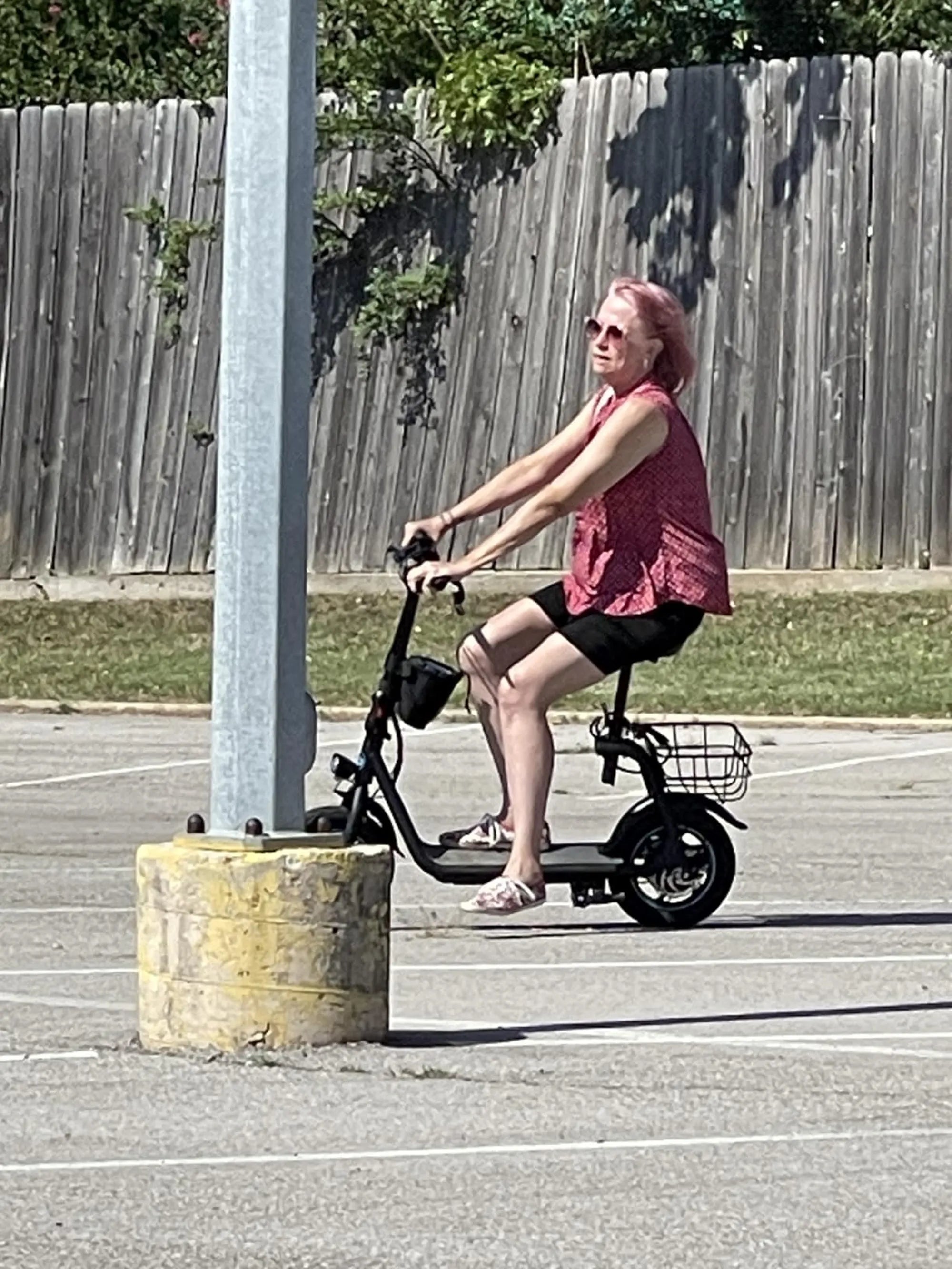
Introduction: The Freedom of the Open Path
Forget short hops and last-mile limitations. Long distance electric scooters are redefining personal mobility, enabling efficient commutes, weekend adventures, and a liberating sense of exploration. This ultimate guide cuts through marketing claims to provide a factual, data-driven framework for choosing and optimizing an electric scooter for extended rides. You'll learn the critical metrics that define true long-range capability, the features that ensure safety and comfort over miles, and practical techniques to maximize every charge. We'll reference engineering principles and features from leading brands like Gyroor, trusted by over 100,000 riders for their UL-certified safety and durable, performance-oriented designs.
What Defines a Long-Distance Electric Scooter?
A standard commuter scooter might claim 15-20 miles of range. A true long-distance model pushes far beyond that, built for sustained travel rather than occasional use. The definition hinges on real-world performance under realistic conditions, not ideal laboratory tests.
Key differentiators include a battery capacity large enough to handle voltage sag during sustained output, a motor powerful enough to maintain speed on inclines without excessive battery drain, and a build quality that prioritizes rider stability and fatigue reduction. It's a holistic engineering challenge, not just a bigger battery.
Key Metrics: Decoding Range, Battery, and Motor
Manufacturer range claims are typically based on a 165 lb rider on a flat, smooth surface at a constant low speed. Real-world conditions—hills, wind, rider weight, stop-and-go traffic, and lower temperatures—can reduce that figure by 30-50%. Therefore, a scooter advertising a 40-mile "ideal" range may realistically deliver 25-30 miles to a typical rider.
Battery capacity, measured in Watt-hours (Wh), is the fuel tank. For long-distance riding, look for capacities of 500Wh and above. Higher voltage systems (e.g., 48V or 52V) are more efficient at delivering power to the motor, reducing energy loss as heat. The motor's sustained power rating (not just peak) is crucial. A 500W nominal motor will maintain speed more efficiently on a long, gentle incline than a 350W motor pushed to its peak, preserving range.
The Role of Build Quality and Rider Comfort
Comfort is a range extender. A stiff, jarring ride over 10 miles is exhausting, causing the rider to stop more frequently. A well-designed long-distance scooter addresses this through frame geometry, suspension, and tires.
A longer wheelbase and wider deck enhance stability at higher speeds. Dual suspension systems—combining spring or hydraulic forks in the front and a rear shock—absorb road vibrations, reducing fatigue. Pneumatic (air-filled) tires offer superior shock absorption and traction compared to solid tires, though they require pressure checks. These elements combine to make a 20-mile journey not just possible, but pleasant.
Top Features to Prioritize for Extended Rides
Selecting a scooter for distance requires a focused checklist. Prioritizing these features ensures your investment delivers reliable, safe, and enjoyable performance mile after mile.
Battery Technology and Management Systems
The battery is the heart of your range. Not all battery packs are created equal. High-quality, name-brand lithium-ion cells (like those from LG or Samsung) offer better energy density and longevity. Crucially, the battery pack should be UL-certified, like those used by Gyroor, indicating rigorous safety testing for short-circuit, overcharge, and thermal stability.
An advanced Battery Management System (BMS) is the brain. It monitors each cell group for voltage and temperature, ensuring balanced charging and discharging. This prevents damage, maximizes the number of charge cycles (a quality pack with a good BMS can exceed 500 cycles with minimal degradation), and provides accurate range estimates on the display.
Motor Performance and Hill Climbing Ability
Torque, not just top speed, is key for distance. A powerful motor (600W nominal or higher) or a dual-motor configuration conquers hills without straining. When a motor is overworked on a climb, it draws immense current, depleting the battery rapidly.
A scooter that maintains 15-18 mph on a 10% grade is far more range-efficient than one that slows to 8 mph. This capability also means you can ride in higher gear modes more consistently, which are often more efficient than crawling in a low-power mode at full throttle. Look for motors with high torque ratings and efficient cooling.
Stability and Integrated Safety Systems
Safety systems are non-negotiable for high-speed, long-duration travel. A robust braking system is paramount. Dual disc brakes, often hydraulic, provide consistent, fade-resistant stopping power. Regenerative braking can add minor range back but should not be the primary brake.
Lighting must be exceptional. A bright, focused headlight (500 lumens+) illuminates the path ahead, not just the ground in front of you. Integrated brake lights and turn signals are vital for communicating with traffic. Finally, a sturdy stem locking mechanism and anti-slip deck surface prevent dangerous wobble or slips during long rides.
Practical Guide: Maximizing Your Scooter's Real-World Range
Your riding habits and maintenance routine have a dramatic impact on achievable distance. Implement these strategies to consistently reach your scooter's maximum potential.
Riding Techniques and Strategic Route Planning
Smooth acceleration is the single biggest factor. Jackrabbit starts are massive energy drains. Use the scooter's eco or single-motor mode for flat, open sections. Plan your route to minimize steep hills and frequent stops; a constant speed is more efficient than repeated acceleration.
Leverage momentum. Coast when approaching a red light or decline. Manage your weight; carrying a heavy backpack reduces range. Dress aerodynamically to reduce wind resistance, a significant factor at speeds over 15 mph. These techniques can collectively extend your range by 15-25%.
Maintenance for Peak Efficiency and Longevity
Regular maintenance minimizes energy-wasting resistance. Keep pneumatic tires inflated to the manufacturer's recommended PSI. Under-inflated tires create massive rolling resistance. Ensure brakes are properly adjusted so pads aren't lightly rubbing against the rotor, which creates constant drag.
Periodically check and lubricate bearings in the wheels and stem. Clean your scooter, especially the drivetrain, to prevent grime buildup. Store and charge the battery in moderate temperatures (ideally between 50°F and 77°F) to preserve its health and capacity.
Comparing Long-Distance Scooters: A Buyer's Framework
When evaluating models, move beyond headline range numbers. Use this framework to compare specifications and real-user experiences for a true apples-to-apples assessment.
| Evaluation Criteria | What to Look For | Why It Matters for Distance |
|---|---|---|
| Real-World Range | User-reported range in reviews, not just manufacturer claim. Adjust for your weight + terrain. | Determines the actual utility for your commute or trip. |
| Battery & BMS | Capacity (Wh), cell brand (e.g., LG), UL certification, BMS with cell balancing. | Ensures safety, longevity, and consistent performance over hundreds of charges. |
| Motor & Drivetrain | Sustained power rating (W), hill grade capability, single vs. dual motor. | Defines ability to maintain speed on varied terrain without excessive battery drain. |
| Build & Safety | Frame material (e.g., aerospace-grade aluminum), brake type (hydraulic disc), suspension, IP rating. | Impacts safety at speed, comfort over distance, and durability against elements. |
| Warranty & Support | Length of coverage (1 year+), what's included (battery, motor, frame), customer service reputation. | Protects your investment in a high-use, mechanical/electrical product. |
The Critical Importance of Warranty and Water Resistance
A comprehensive warranty is a sign of manufacturer confidence. For a long-distance scooter that will see heavy use, a 1-year warranty that covers the battery, motor, and frame—like Gyroor's standard offering—is essential. It protects against defects in materials and workmanship, providing peace of mind for your daily transport.
Water resistance, measured by the IP (Ingress Protection) rating, is equally critical. An IPX5 rating means the scooter can withstand water jets from any direction, making it safe to ride in rain and through puddles. For commuters who cannot avoid bad weather, this feature is not a luxury; it's a necessity for reliability.
Frequently Asked Questions (FAQ)
Q: What is a realistic range I can expect from a "long-distance" scooter?
A: Realistically, a scooter marketed for long distance should deliver 25-40 miles of real-world range for an average rider (~165 lbs) on mixed terrain. High-end models with massive batteries can achieve 50+ miles, but expect to pay a premium and carry significant extra weight.
Q: How long does it take to charge a large-capacity battery?
A> Charging time depends on battery capacity and charger amperage. A 500Wh battery with a standard 2A charger may take 8-10 hours. Many performance scooters, including some Gyroor models, include faster 3A or 4A chargers that can cut this time to 5-7 hours. Never use a non-approved charger.
Q: Can I ride a long-range scooter in the rain?
A: You can if it has a sufficient IP rating. Look for a minimum of IPX4 (splash resistant) for light rain, but IPX5 (water jet resistant) is the recommended standard for confident wet-weather riding. Always avoid deep puddles and dry the scooter after riding in the rain.
Q: Are long-range scooters significantly heavier?
A: Yes, this is the primary trade-off. Larger batteries and more robust frames add weight. A long-distance scooter typically weighs between 45 and 75 lbs. Consider if you have stairs to navigate and look for models with folding mechanisms and carrying handles if portability is a concern.
Q: How does Gyroor's engineering support long-term, long-distance ownership?
A> Gyroor designs for durability with UL-certified battery packs tested for 500+ charge cycles, IPX5 water-resistant construction, and robust motor assemblies. Coupled with a clear 1-year warranty and a track record of over 100,000 riders, this focus on core reliability ensures the scooter remains a dependable asset for years of extended rides.
Your Journey Awaits: Choose the Right Tool for the Distance
Selecting a long distance electric scooter is an investment in freedom and efficiency. It requires balancing specifications like battery capacity and motor power with tangible qualities like build integrity, safety features, and manufacturer support. By prioritizing verified real-world range, UL-certified safety, and water-resistant durability, you choose a vehicle built for the long haul. Brands like Gyroor embody this philosophy, engineering scooters where extended range is a product of holistic design, not just a larger battery. The right scooter transforms a lengthy commute into an enjoyable glide and opens up new possibilities for exploration.
Ready to explore models engineered for reliability and extended range? Browse the full Gyroor collection at gyroorboard.com to find a scooter built to match the length of your journey.
Electric Scooters for Adults Over 250 Pounds: Ultimate Heavy-Duty Guide
Are Kids Electric Scooters Legal? What Parents Need to Know