



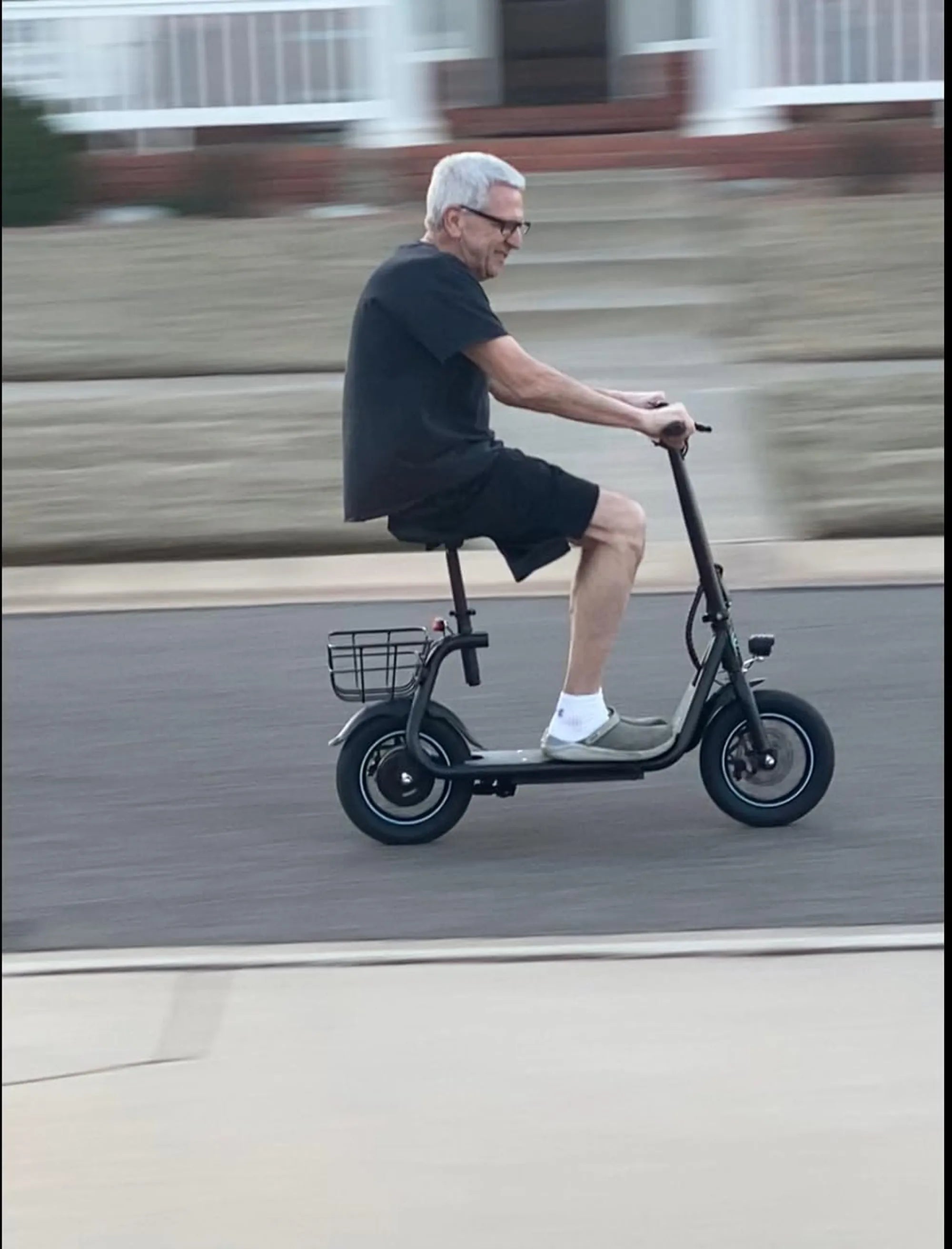
Imagine zipping through bustling city streets on a sleek, eco-friendly electric scooter that doesn’t just save you money but also delivers an impressive 100 km range on a single charge. By 2025, India’s urban mobility landscape is set to transform, with electric scooters leading the charge. Whether you’re a daily commuter or an eco-conscious rider, the best electric scooters with a 100 km range will redefine how you travel.
The Rise of Electric Scooters in India
India’s push toward sustainable transportation has accelerated the adoption of electric vehicles (EVs), with electric scooters at the forefront. Rising fuel costs, government incentives, and growing environmental awareness have made EVs a preferred choice for millions. By 2025, advancements in battery technology and infrastructure will make electric scooters with a 100 km range not just a luxury but a practical reality for the masses.
Key Features to Look for in a 100 km Range Electric Scooter
When searching for the best electric scooter with a 100 km range, several factors come into play:
- Battery Technology: Lithium-ion batteries dominate the market due to their efficiency, lightweight design, and longer lifespan.
- Charging Time: Fast-charging capabilities ensure minimal downtime, with some models offering full charges in under 4 hours.
- Performance: Look for scooters with robust motors (250W to 3000W) that balance speed and energy efficiency.
- Build Quality: Durable frames, ergonomic designs, and weather-resistant features enhance longevity and comfort.
- Smart Features: Connectivity options like app integration, GPS tracking, and anti-theft systems add convenience and security.
Why 100 km Range Matters
A 100 km range eliminates range anxiety, making electric scooters viable for both short commutes and longer trips. This range is ideal for urban dwellers who need reliable daily transportation without frequent recharging. With India’s cities expanding, a scooter that can cover 100 km on a single charge ensures you’re never stranded.
Affordability and Government Incentives
The Indian government’s FAME II scheme and state-level subsidies have significantly reduced the cost of electric scooters. By 2025, these incentives, coupled with falling battery prices, will make high-range electric scooters more accessible. Additionally, lower maintenance costs compared to petrol scooters make them a financially sound choice.
Top Trends Shaping Electric Scooters in 2025
The electric scooter market in 2025 will be shaped by several trends:
- Swappable Batteries: Battery-swapping stations will reduce charging time and extend range.
- AI Integration: Smart scooters will use AI to optimize battery usage and provide real-time diagnostics.
- Solar Charging: Some models may incorporate solar panels to supplement charging.
- Enhanced Safety: Features like ABS, regenerative braking, and advanced lighting systems will become standard.
Environmental Impact
Switching to an electric scooter with a 100 km range significantly reduces carbon emissions. With India’s commitment to achieving net-zero emissions by 2070, electric scooters will play a pivotal role in curbing urban pollution. Every electric scooter on the road translates to fewer fossil fuels burned and cleaner air for future generations.
Challenges and Solutions
While the future looks bright, challenges like charging infrastructure and battery disposal remain. However, initiatives like public charging stations and battery recycling programs are addressing these issues. By 2025, India’s EV ecosystem will be more robust, ensuring seamless adoption of electric scooters.
The best electric scooters with a 100 km range in India by 2025 promise to revolutionize urban mobility. With cutting-edge technology, affordability, and sustainability at their core, these scooters are more than just vehicles—they’re a step toward a greener, smarter future. Don’t miss out on being part of this electric revolution!
Electric Scooter Turns On But Not Moving: Causes and Solutions
Electric Scooter Turns On But Won't Move: Troubleshooting Guide and Fixes