



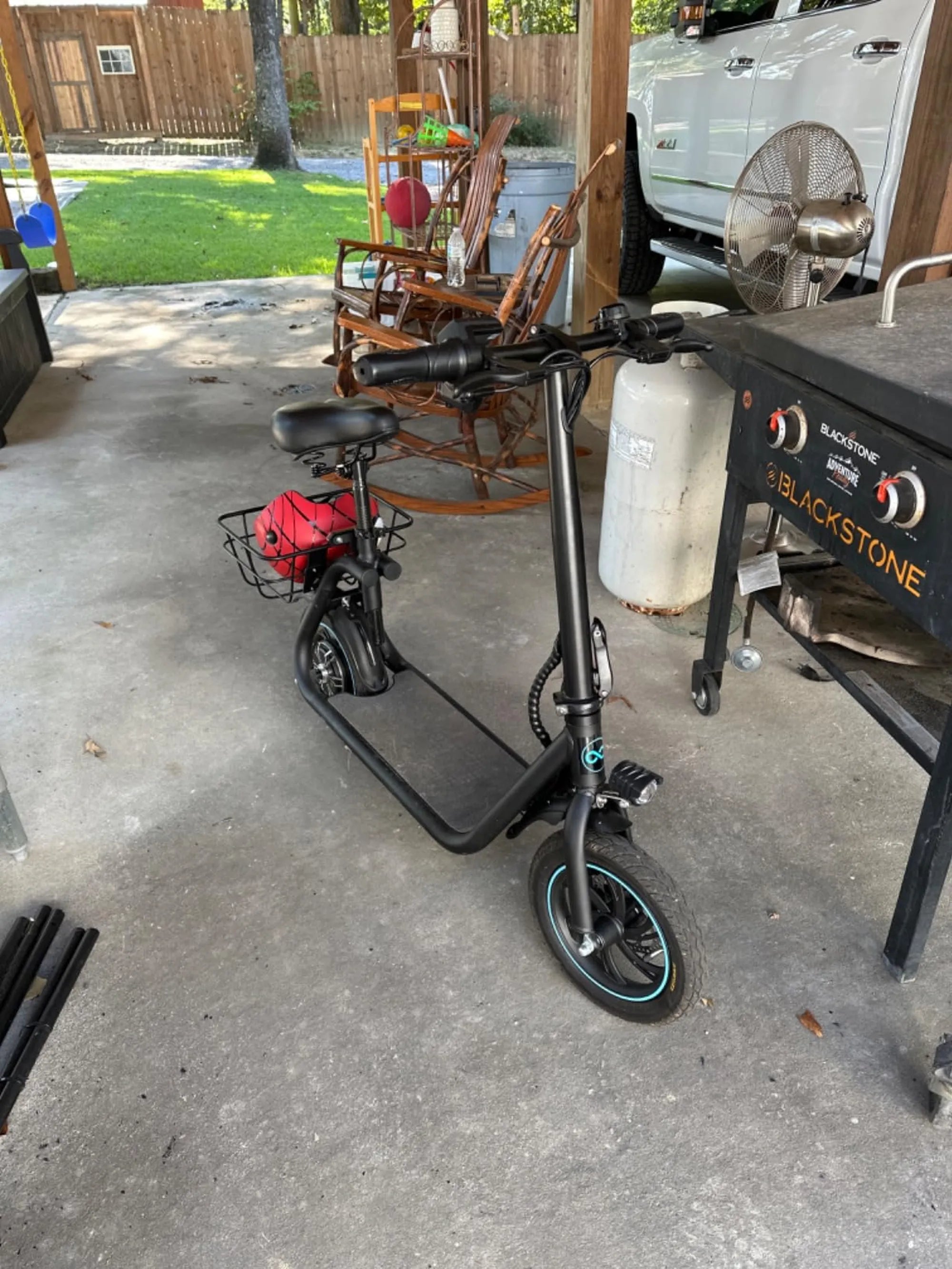
You press the power button, the lights come on, and the display shows all systems are ready—but your electric scooter refuses to move. Frustrating, right? Don’t worry; you’re not alone. Many riders face this perplexing issue where their scooter turns on but doesn’t move. The good news is that most of these problems are fixable, and this guide will walk you through the potential causes and solutions.
Common Reasons Your Electric Scooter Turns On But Doesn’t Move
Before diving into repairs, it’s essential to understand why your electric scooter might be stuck. Here are the most common culprits:
1. Throttle Malfunction
The throttle is what sends the signal to the motor to start moving. If it’s faulty, your scooter may turn on but won’t respond when you twist or press the throttle. Check for physical damage, loose connections, or dirt buildup.
2. Motor Issues
A damaged or burnt-out motor can prevent your scooter from moving even if it powers on. Listen for unusual noises or test the motor by spinning the wheel manually (if possible) to see if there’s resistance.
3. Battery Problems
While your scooter might turn on, a weak or improperly connected battery may not deliver enough power to the motor. Inspect the battery voltage and connections to ensure they’re secure and functioning.
4. Controller Failure
The controller acts as the brain of your electric scooter, regulating power between the battery and motor. If it fails, your scooter may power up but won’t move. Look for signs of burnt components or loose wiring.
5. Brake Sensor Engagement
Many scooters have a safety feature that prevents movement if the brakes are engaged. A misaligned or faulty brake sensor can trick the scooter into thinking the brakes are on, stopping it from moving.
6. Loose or Damaged Wiring
Loose, frayed, or disconnected wires can interrupt the flow of electricity to critical components. Inspect all wiring harnesses for visible damage or poor connections.
7. Software or Firmware Glitches
Some electric scooters rely on software to operate. A bug or outdated firmware can cause operational issues. Check for updates or reset the system if possible.
How to Troubleshoot and Fix the Problem
Now that you know the potential causes, here’s how to diagnose and resolve the issue step by step.
Step 1: Check the Throttle
Start by inspecting the throttle mechanism. Ensure it’s clean and free of debris. Test it by gently twisting or pressing it while observing any response from the motor. If it feels sticky or unresponsive, it may need replacement.
Step 2: Test the Motor
If the throttle seems fine, move on to the motor. Lift the scooter off the ground and spin the wheel manually. If it’s hard to turn or makes grinding noises, the motor or bearings may be damaged.
Step 3: Inspect the Battery
Verify that the battery is fully charged and securely connected. Use a multimeter to check the voltage—if it’s significantly lower than the rated output, the battery may need recharging or replacement.
Step 4: Examine the Controller
Locate the controller (usually near the battery or under the deck) and check for burnt marks, loose wires, or corrosion. If you suspect a faulty controller, consult a professional for repair or replacement.
Step 5: Check the Brake Sensors
Ensure the brake levers are fully released. If the scooter still doesn’t move, inspect the brake sensors for misalignment or damage. Adjust or replace them if necessary.
Step 6: Inspect Wiring Connections
Go through all wiring connections, ensuring they’re tight and free of damage. Pay special attention to the connections between the battery, motor, throttle, and controller.
Step 7: Reset or Update Firmware
If your scooter has a display or app, try resetting it to factory settings or checking for firmware updates. A simple reboot can sometimes resolve software-related issues.
Preventive Measures to Avoid Future Problems
To keep your electric scooter running smoothly, follow these maintenance tips:
- Regularly clean and inspect the throttle, brakes, and wiring.
- Keep the battery charged and avoid overcharging.
- Store the scooter in a dry, temperature-controlled environment.
- Avoid riding through water or rough terrain that could damage components.
- Schedule periodic professional check-ups for complex systems like the motor and controller.
Your electric scooter turning on but not moving can be a headache, but with the right approach, you can often fix it yourself. Whether it’s a simple throttle adjustment or a deeper motor issue, understanding the root cause is the first step to getting back on the road. Don’t let a stationary scooter ruin your ride—use this guide to diagnose, troubleshoot, and enjoy smooth, hassle-free travels again!
How Much Is an Electric Scooter Under $300? Affordable Options Explained
Best Electric Scooter 100 km Range India 2025: The Future of Urban Commuting