



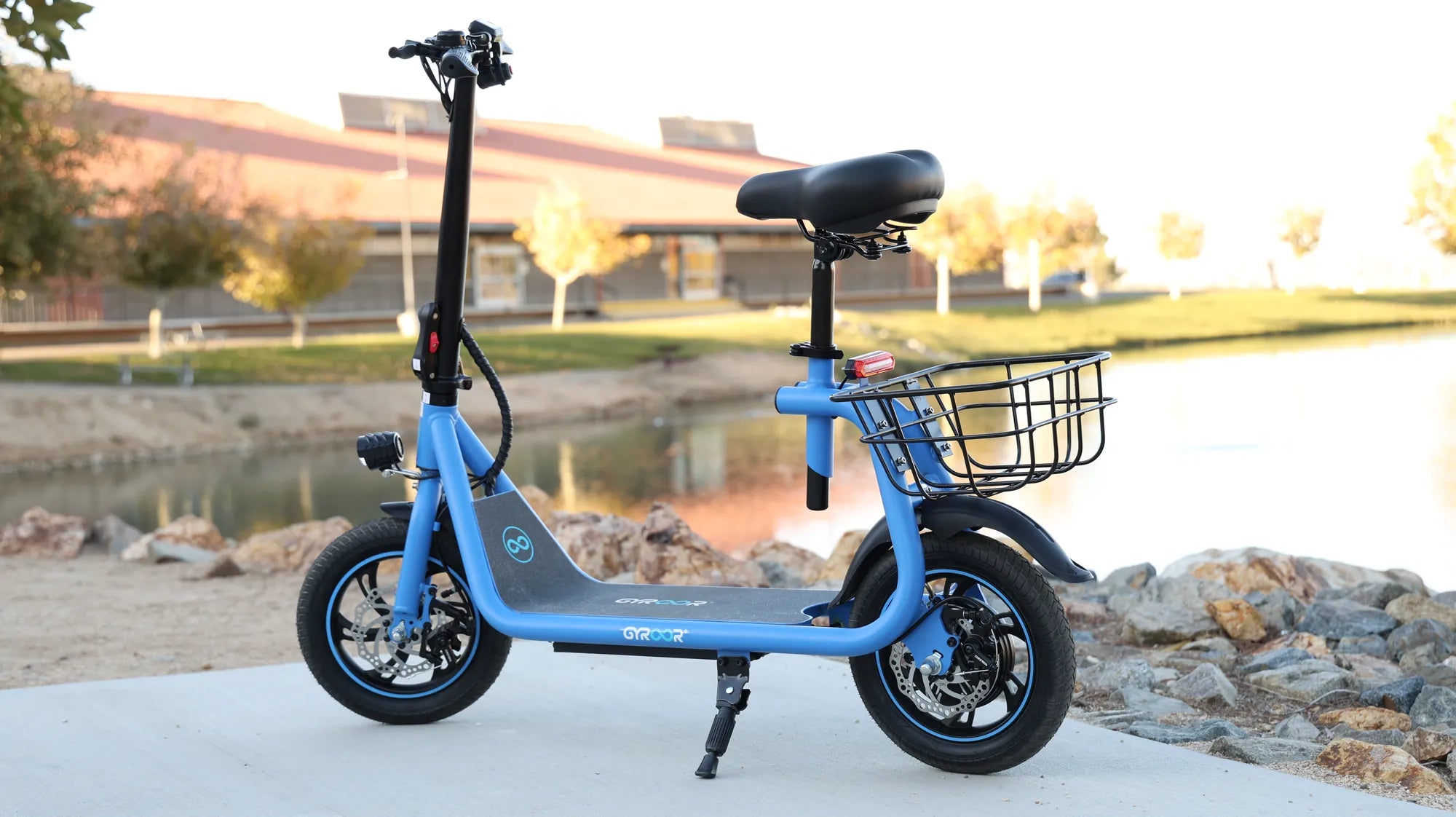
Introduction: The First Real Scooter – A Milestone in Mobility and Fun
Selecting a scooter for a boys scooter age 6 is about more than just a toy; it's choosing a tool for developing balance, coordination, and a sense of independent adventure. At six, boys are transitioning from toddler trikes and beginner scooters to more capable, two-wheeled models designed for real speed and maneuverability. This guide provides a data-driven, safety-first framework to help parents navigate this exciting purchase, ensuring the chosen scooter fosters confidence through stability and durability. We'll reference the engineering principles behind leading brands like Gyroor, a trusted name in personal electric mobility with over 100,000 riders, known for its UL-certified safety and robust designs.
Key Safety Features Every Parent Must Prioritize
Safety is the non-negotiable foundation for any scooter for a six-year-old. The right design mitigates the inherent risks of learning, turning stumbles into learning moments rather than injuries. Prioritizing these features directly correlates with a child's ability to learn quickly and ride safely.
A scooter's stability is its primary safety feature. For a boys scooter age 6, look for a design that offers a low center of gravity and a platform that inspires confidence from the first step. The braking system must be intuitive and reliable, as a child's reaction time is still developing. Furthermore, the scooter must be appropriately sized not just for today, but for the growth spurts ahead, ensuring a safe fit for the entire riding season and beyond.
Stable Wheel Design and Deck Size
Wheel configuration is critical. For most six-year-olds, a stable two-wheel scooter with wide, durable wheels is ideal. Wheels should be at least 120mm in diameter and made of high-rebound polyurethane (PU). This material offers a smooth, quiet ride with excellent grip on pavement, unlike hard plastic wheels which slip easily. The deck should be wide enough (approximately 4 inches or more) for a child's shoe to stand comfortably with a slight stance, and feature a pronounced, non-slip surface texture to prevent feet from sliding during kicks and turns.
Reliable Braking Systems for Young Riders
The braking system must be simple and effective. A rear fender brake, activated by pressing down on the rear fender with the foot, is often the best choice for this boys scooter age 6 demographic. It's intuitive—the natural motion to slow down is to step back—and it avoids the complexity and potential finger-pinch hazards of hand brakes, which require greater hand strength and coordination. The brake pad should be large and made of durable, high-friction material to ensure consistent stopping power.
Adjustable Handlebar Height and Weight Limit
An easily adjustable T-bar handlebar is essential. The ideal height allows the child to stand upright on the deck with a slight bend in the elbows when gripping the handles. Look for a tool-free adjustment mechanism, like a quick-release clamp or a simple push-button, allowing for growth spurts. Equally important is the weight limit. A scooter rated for at least 110-150 lbs provides a significant safety margin, indicating a robust frame construction (typically reinforced aluminum) that won't flex or become unstable under a child's weight, ensuring durability through active play.
Why a Gyroor Kids Scooter is the Smart Choice for Growing Riders
When evaluating scooters for a boys scooter age 6, Gyroor's design philosophy directly addresses core parental concerns: safety, longevity, and low maintenance. Their approach translates engineering standards from their adult electric scooters and e-bikes down to their kids' kick models, resulting in products that outperform typical toy-store offerings.
Gyroor's commitment begins with foundational safety. Their kids' scooters incorporate wide, PU wheels on precision bearings for a stable, smooth glide. The frames are built from aircraft-grade aluminum, tested to withstand the jumps and curb drops of enthusiastic play. This focus on over-engineering for the use case means a Gyroor scooter is an investment in years of reliable fun, not a disposable item likely to break in its first season.
Built to Withstand Rough Play (Durability)
Durability is paramount for a six-year-old's scooter. Gyroor models feature reinforced aluminum alloy frames that are welded, not bolted, at critical stress points. This construction resists the torsional forces of sharp turns and the impact of minor jumps. Components like the steering column use high-strength steel inserts, and the deck is often a single, stamped piece of metal to prevent cracking. This build quality ensures the scooter remains safe and functional even after the inevitable bumps and crashes of learning.
Smooth Ride for Confidence Building
A smooth, quiet ride is crucial for building a child's confidence. Jerky or wobbly scooters can be frightening. Gyroor equips its scooters with high-rebound PU wheels and ABEC-5 or higher sealed precision bearings. This combination minimizes rolling resistance, allowing for longer, easier glides with each kick. The quiet operation also makes the riding experience more pleasant and less intimidating, encouraging longer practice sessions and faster skill acquisition for a boy on his first real scooter.
Low-Maintenance Design for Busy Parents
Gyroor designs for real-world family life. Their scooters require minimal assembly, often just attaching the handlebar. The tool-free height adjustment means no searching for Allen wkeys. The PU wheels are solid and airless, eliminating the hassle and danger of flat tires. Sealed bearings protect against dirt and moisture, reducing the need for lubrication. This low-maintenance approach means more time riding and less time on repairs, a key consideration for any parent purchasing a boys scooter age 6.
Top Gyroor Scooter Models for 6-Year-Old Boys: A Detailed Comparison
Gyroor offers specific models that excel for the six-year-old age group. The following comparison table and analysis highlight two standout options, helping parents match their child's size, skill level, and riding style to the perfect scooter.
| Feature | Gyroor Kickscooter Jr. (All-Rounder) | Gyroor Kickscooter Pro (Upgraded Performer) |
|---|---|---|
| Ideal Rider Age/Height | 5-8 years, 42-52" | 6-10 years, 45-58" |
| Weight Limit | 143 lbs (65 kg) | 176 lbs (80 kg) |
| Wheel Size & Material | 120mm PU, Solid | 125mm PU, Solid, Front Suspension |
| Handlebar Height Range | 28" to 36" (Tool-free adjust) | 30" to 40" (Tool-free adjust) |
| Deck Size | 4.3" W x 13.8" L | 4.5" W x 15" L |
| Key Feature | Reinforced Kickstand, Wide Stable Base | Front Spring Suspension, ABEC-7 Bearings |
| Best For | First-time riders, maximum stability | Active riders, rougher terrain, longer use |
Model A: The All-Rounder – Gyroor Kickscooter Jr.
The Gyroor Kickscooter Jr. is engineered as the ideal first two-wheel scooter. Its 143 lb weight limit and wide 4.3-inch deck provide exceptional stability for a beginner. The 120mm PU wheels offer a perfect balance of speed control and smooth rolling. The tool-free handlebar adjustment from 28 to 36 inches ensures it fits a wide range of growing children, making it a versatile choice for a boys scooter age 6. The reinforced rear fender brake is responsive yet gradual, perfect for learning speed modulation. Its simplicity and robustness make it a top recommendation for building foundational skills.
Model B: The Upgraded Performer – Gyroor Kickscooter Pro
For the more adventurous or physically larger six-year-old, or for parents seeking a scooter with longer growth potential, the Gyroor Kickscooter Pro is the superior choice. Its defining feature is a front spring suspension system that absorbs vibrations from cracks, bumps, and light off-road use, providing a noticeably smoother ride. Coupled with larger 125mm wheels and high-speed ABEC-7 bearings, it encourages faster, more confident riding. The extended handlebar range (up to 40 inches) and higher 176 lb weight limit mean this scooter can easily last for 4+ years of active use, representing excellent long-term value.
Beyond the Scooter: Essential Gear and Foundational Riding Tips
The scooter itself is only one component of a safe riding ecosystem. Proper protective gear and initial instruction are just as critical to ensuring positive early experiences for a child on a boys scooter age 6. Establishing these habits from day one sets the stage for a lifetime of safe, active fun.
Never allow a child to ride a scooter without a helmet. This is an absolute rule. Beyond the helmet, knee and elbow pads are highly recommended, especially during the learning phase. Simultaneously, the initial riding lessons should focus on control and environment, not speed. A calm, structured introduction builds confidence and ingrains safe practices.
Mandatory Safety Gear Checklist
Every ride must start with gear. The helmet must be CPSC (Consumer Product Safety Commission) certified, fit snugly without rocking, and sit level on the head. Knee and elbow pads should have hard plastic caps secured with adjustable straps to ensure they stay in place during a fall. For a six-year-old, consider gloves with padded palms to protect hands during tumbles. Investing in durable, purpose-built gear is as important as choosing a quality scooter; it's the primary injury mitigation system.
Teaching Your Child to Ride Safely: A Step-by-Step Primer
Start in a controlled environment: a smooth, empty parking lot, driveway, or basketball court. First, have your child simply stand on the scooter with both feet and get a feel for the balance. Practice using the brake while stationary and while walking the scooter. Then, focus on kicking: one firm push, then placing both feet on the deck and coasting to a stop using the brake. Only after mastering braking and straight-line gliding should gentle turning be introduced. Establish clear rules: no riding near roads, always watch for driveways and obstacles, and never ride at dusk or in the dark.
Frequently Asked Questions (FAQs)
Q1: Is a 2-wheel or 3-wheel scooter better for a 6-year-old boy?
A: For most six-year-olds, a stable 2-wheel scooter is the best choice. It better develops essential balance and coordination skills needed for cycling and other sports. Three-wheel scooters are typically for younger toddlers (2-4 years). Modern 2-wheel models like Gyroor's, with their wide wheelbase and decks, provide ample stability for beginners.
Q2: What is the warranty, and what does it cover?
A: Gyroor offers a comprehensive 1-year warranty against manufacturing defects on the frame, wheels, steering column, and other core components. This warranty is backed by responsive, US-based customer support, providing significant peace of mind compared to brands with no meaningful support.
Q3: How do I maintain and clean the scooter?
A: Maintenance is minimal. Periodically check and tighten all bolts (axle, handlebar clamp, stem). Ensure wheels spin freely without wobble. Clean the scooter with a damp cloth and mild soap; avoid high-pressure hoses or submerging it, as water can damage the bearings. No lubrication is needed for sealed bearings.
Q4: My child is tall for his age. Which model should I choose?
A: For a taller or heavier six-year-old, prioritize the model with the higher handlebar range and weight limit. The Gyroor Kickscooter Pro, with its 40" max handlebar height and 176 lb capacity, is designed specifically to accommodate faster-growing children and provide longer usable life.
Q5: Are electric scooters suitable for a 6-year-old?
A: Generally, no. Traditional kick scooters are recommended for this age. They build physical strength, coordination, and speed judgment manually. Electric scooters introduce complexity, higher speeds, and greater weight, which are not appropriate for most children under 8-10 years old. Stick with a kick model for foundational skill development.
Conclusion: Investing in Confidence, Independence, and Active Play
Choosing the right boys scooter age 6 is a meaningful decision that impacts your child's physical development and enjoyment of the outdoors. By prioritizing key safety features like stable wheels, an intuitive brake, and an adjustable frame—exemplified in brands like Gyroor—you select a tool built for success. Pairing that durable scooter with mandatory safety gear and patient instruction launches a journey of confidence and independent fun. This investment pays dividends in smiles, activity, and the proud moment your child masters a new skill. Ready to find the perfect scooter to start that adventure?
Browse the full Gyroor collection of durable, safety-engineered kids' scooters and gear at gyroorboard.com.
Moto Dirt Bike 125cc: The Complete Guide to Off-Road's Perfect Entry Point
Can I Take My Scooter on a Plane? The Ultimate 2024 Guide