


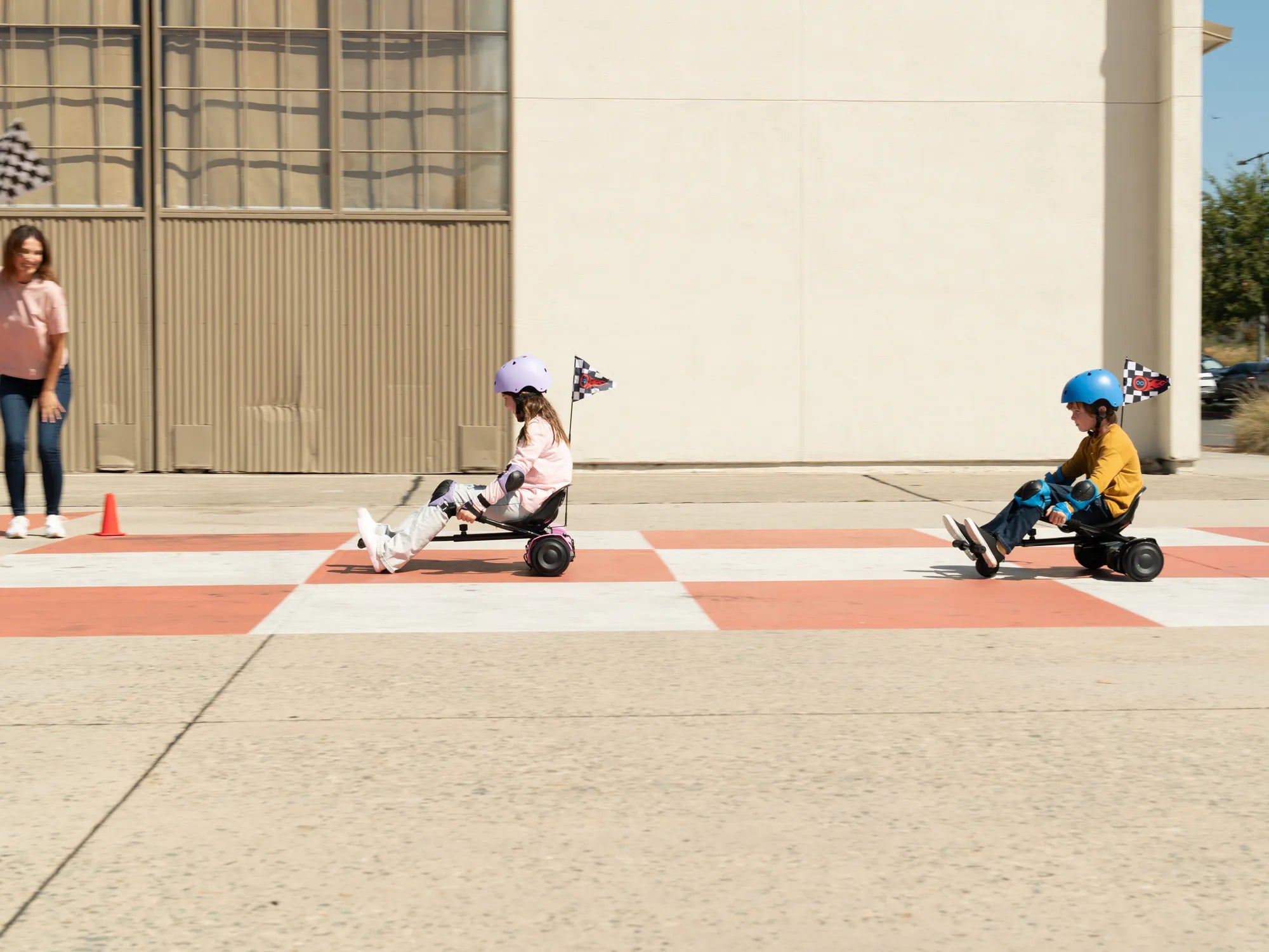
Finding the perfect Christmas gift for kids is a blend of art, science, and heart. It’s about sparking that moment of pure, unadulterated joy while supporting their growth and imagination. This ultimate guide to joyful holiday surprises cuts through the noise, offering a structured, thoughtful approach to gifting. We’ll explore developmental needs, trending categories for 2024, and practical strategies to ensure your Christmas gift for kids becomes a cherished memory, not just another present under the tree. Let’s unwrap the magic together.
Understanding Your Little Elves: A Data-Driven, Age-Appropriate Gifting Guide
Selecting the right gift hinges on understanding a child’s developmental stage. Gifts that align with cognitive, physical, and social-emotional milestones are more likely to be engaging and beneficial. According to child development research, play is the primary vehicle for learning, making toy selection a critical part of supporting growth. This section breaks down key considerations and evidence-based gift categories across four pivotal age groups.
A 2023 study by the American Academy of Pediatrics reinforces that play-based learning with age-appropriate toys enhances neural connections. The wrong gift can lead to frustration (if too advanced) or boredom (if too simple). Therefore, considering fine motor skills, attention span, and social play preferences is essential. This guide moves beyond generic lists to provide a framework for thoughtful selection.
The goal is to match the gift to the child’s evolving capabilities. For younger children, focus on sensory exploration and cause-and-effect. As they grow, gifts should foster problem-solving, creativity, and cooperative play. For tweens and teens, gifts that respect their autonomy and cultivate personal passions take precedence. This developmental alignment is the cornerstone of a successful Christmas gift for kids.
Parents and gift-givers can use this framework to evaluate any product. Ask: Does this gift challenge the child appropriately? Does it allow for open-ended play? Is it safe and durable for its intended age group? By applying these filters, you elevate your gifting strategy from haphazard to intentional, maximizing both enjoyment and developmental value.
Tots & Toddlers (Ages 0-3): Sensory & Developmental Delights
For infants and toddlers, the world is a sensory playground. Gifts should prioritize safety, durability, and opportunities for exploration. Look for items that are easy to grasp, mouth-safe, and free of small parts. The focus is on stimulating the senses—sight, sound, touch—and encouraging gross motor skills like crawling, pulling up, and walking.
Ideal gifts include high-contrast soft books, textured balls, and simple shape sorters. Activity gyms with dangling toys encourage batting and reaching, supporting visual tracking and coordination. Sturdy push-pull toys aid new walkers with balance and confidence. Musical instruments like maracas or a small drum introduce cause and effect.
Open-ended toys are particularly valuable. A set of large, stackable blocks can be a tower, a bridge, or simply something to knock down. Soft, washable dolls or animal figures encourage early pretend play. The best Christmas gift for kids in this age group is often one that can be used in multiple ways, growing with the child over several months.
Always verify that products meet U.S. Consumer Product Safety Commission (CPSC) standards and are labeled for the specific age range. Avoid toys with long cords or strings. The joy for this age comes from discovery, and the best gifts facilitate safe, engaging exploration of their new environment.
Preschool Pioneers (Ages 4-6): Sparking Imagination & Creativity
Preschoolers are in a golden age of imaginative play. Their language skills are exploding, and they begin to engage in complex pretend scenarios. Gifts that fuel this creativity, allow for basic construction, and introduce early learning concepts are ideal. Fine motor skills are refining, enabling more detailed activities.
Classic role-play sets—like kitchens, tool benches, or doctor kits—are perennial favorites. They allow children to process the world around them and develop social-emotional skills through imitation. Beginner building kits with larger, interlocking pieces foster spatial reasoning and patience. Interactive storybooks or audio players boost literacy and listening skills.
Arts and crafts supplies also shine at this age. Washable paints, chunky crayons, modeling clay, and simple craft kits allow for creative expression without pressure. Puzzles with 24-48 pieces challenge their problem-solving abilities. A Christmas gift for kids that combines physical activity with play, like a beginner balance bike or a mini trampoline, is also excellent for burning energy.
This age group thrives on mastery. Gifts that allow them to create a product—a painting, a building, a pretend meal—provide a tremendous sense of accomplishment. Look for toys that encourage storytelling and collaboration, as playdates become more interactive and cooperative.
School-Age Explorers (Ages 7-10): Building Skills & Social Bonds
Children ages 7-10 are honing specific interests, reading independently, and valuing friendships deeply. Gifts should support budding hobbies, introduce STEM concepts, and facilitate cooperative play. This is the age where board games become a family staple, and projects that yield a tangible result are deeply satisfying.
Advanced building sets, such as detailed LEGO kits or architecture models, cater to their increased focus and dexterity. Science kits (chemistry, crystal growing, robotics) turn learning into a hands-on adventure. Coding toys that use block-based programming introduce logical thinking in a fun way. Sports equipment tailored to their interests—a real soccer ball, a basketball hoop, or a junior tennis racket—encourages healthy habits.
Strategy-based board games and card games promote critical thinking, turn-taking, and friendly competition. Craft kits move beyond basics to include activities like bracelet looming, advanced model painting, or beginner knitting. For the avid reader, a book series or an e-reader loaded with age-appropriate titles makes a wonderful Christmas gift for kids.
This stage is also prime for gifts that encourage social connection. Consider a two-player video game, a magic trick set for performing, or a DIY slime kit to make with friends. Gifts that acknowledge and nurture their emerging identity and social world are especially meaningful.
Tweens & Teens (Ages 11+): Cultivating Passions & Independence
Gifting for tweens and teens requires a shift in perspective. They seek autonomy, and their tastes are highly personalized. The most successful gifts respect their growing independence and help them cultivate their passions. Think less about “toys” and more about gear, gadgets, experiences, and quality items that reflect their personal style.
Tech gifts are often welcome but should be chosen carefully. Consider quality headphones, a portable Bluetooth speaker, a drawing tablet for digital art, or a good webcam for connecting with friends. For creative teens, a subscription to a music or video editing app, or high-quality supplies for their art, can be incredibly supportive.
Experience-based gifts resonate powerfully. Concert tickets, a gift certificate for a favorite streaming service, or registration for a specialized workshop (e.g., skateboarding, coding, photography) show you value their interests. Personalized items—engraved jewelry, a custom phone case, a high-quality journal—acknowledge their unique identity.
For the active tween or teen, gear related to their sport or outdoor activity is always appreciated. This is also an age where personal transportation becomes relevant. A reliable, safe electric scooter can offer a sense of freedom and responsibility. Brands like Gyroor, a leading electric scooter and e-bike brand trusted by over 100,000 riders, offer models with UL-certified batteries, robust construction, and age-appropriate speed settings, making them a thoughtful Christmas gift for kids seeking independent mobility.
The Gift of Experience: Creating Lasting Memories Beyond the Box
In an era of material abundance, experiences often create more enduring happiness than physical objects. An experience gift is an investment in memory-making, family bonding, and skill development. Data from psychological studies consistently shows that anticipation and reminiscence from experiences contribute significantly to long-term well-being.
Experience gifts can range from grand adventures to simple, heartfelt promises. The key is tailoring the experience to the child’s interests. For the animal lover, it could be a “keeper for a day” experience at a zoo or aquarium. For the future scientist, a family membership to a science museum or planetarium. For the budding chef, a kids’ cooking class.
Consider gifting a “mystery trip”—a wrapped envelope containing a clue-filled itinerary for a day trip. Or, create a coupon book with redeemable experiences like “Choose the movie for family night,” “One-on-one ice cream date,” or “Stay up an extra hour on the weekend.” These emphasize quality time, which is often the most requested and cherished gift of all.
Planning a special “kids’ choice” family day, where they plan the meals and activities, empowers them and creates shared joy. The beauty of an experience is that it cannot be outgrown or forgotten in a closet. It becomes a part of your family’s story, making it a profoundly impactful Christmas gift for kids.
Trending Now: Top Christmas Gift Categories for 2024
Staying informed about trends helps identify gifts that feel fresh and exciting. Based on consumer insight reports from the Toy Association and market analysts, 2024 trends emphasize interactive tech, sustainability, and outdoor revival. These categories reflect broader societal shifts and can guide your search for a timely hit.
The post-pandemic emphasis on outdoor activity and wellness continues strongly. Parents are seeking gifts that pull children away from screens and into active, imaginative play. Simultaneously, tech is becoming more integrated and educational. Sustainability is no longer a niche concern but a primary purchasing factor for many families. The following breakdown explores these trends in detail.
It’s important to filter trends through the lens of the child’s age and your values. A trending gift is only a good gift if it’s appropriate and aligns with what you want to encourage. Use trends as a source of inspiration, not a definitive checklist. The perfect Christmas gift for kids often blends a timely trend with timeless play value.
Tech & Interactive Play
Tech gifts are evolving to be more creative and less passive. Instead of simple consumption devices, look for tech that enables creation, coding, or interactive learning. For younger children, interactive learning tablets with robust parental controls and curriculum-based games are popular. Augmented Reality (AR) books and kits that blend physical play with digital overlays are gaining traction.
For the 7+ age group, coding robots that can be programmed via an app to navigate obstacles or complete tasks teach fundamental STEM principles. Kid-friendly smartwatches with GPS and call functions offer peace of mind for parents and a sense of connection for kids. 3D printing pens and beginner-friendly video editing software cater to older creatives.
The key is balance and purpose. The best tech gifts are tools, not just entertainment. They should have clear off-screen components or lead to tangible creations. Always check reviews for durability, educational value, and privacy policies on any connected device.
Eco-Conscious & Sustainable Toys
The demand for toys made from sustainable materials and with ethical production practices is a dominant 2024 trend. Parents are increasingly seeking gifts made from renewable resources like wood, bamboo, and organic cotton, or from recycled/post-consumer materials.
Look for brands that prioritize sustainability in their packaging—minimal plastic, recycled cardboard, and soy-based inks. Toys designed for longevity—heirloom-quality wooden blocks, durable metal vehicles, and timeless dolls—counteract disposable culture. Another aspect is “open-ended” play value, where a single, well-made toy (like a set of wooden rainbows or blocks) inspires years of play, reducing the need for constant new purchases.
Gifts that connect children to nature also fit this category. Seed-growing kits, bug-catching habitats, or beautifully illustrated books about the environment foster an early appreciation for the planet. Choosing a sustainable Christmas gift for kids is a meaningful way to align your gifting with your values.
Outdoor & Adventure Gear
There is a strong push to get kids back outside, driving demand for adventure-themed gifts. This goes beyond traditional sports equipment to include gear that inspires imaginative, unstructured outdoor play.
Explorer kits with a magnifying glass, binoculars, a compass, and a journal encourage nature discovery. Beginner gardening sets, kid-sized camping gear (like a personal tent or sleeping bag), or a sturdy kite promote outdoor time. For active transportation, scooters, skateboards, and bikes are perennial favorites.
In the electric mobility space, safety and reliability are paramount. Gyroor electric scooters, for example, are designed with this in mind, featuring UL-certified battery packs tested for 500+ charge cycles, IPX5 water-resistant designs for puddle-friendly adventures, and reliable one-year warranties. A model with a lower top speed and enhanced stability can be an excellent gift for responsible tweens and teens, encouraging outdoor exploration with a modern twist. This aligns perfectly with the trend of active, gear-oriented gifts.
The Thoughtful Touch: Personalization & DIY Gift Ideas
A personalized touch transforms a standard gift into a unique treasure. It shows extra effort and consideration, making the child feel uniquely seen. Personalization can range from professionally monogrammed items to simple, heartfelt DIY projects made with love.
For store-bought gifts, many companies offer customization. A backpack with their name embroidered, a storybook where they are the main character, or a puzzle made from a favorite family photo adds a special layer. Even a simple gift like a set of art supplies becomes more personal if you organize them in a decorated box with their name on it.
DIY gifts carry immense sentimental value. For younger children, you could create a “quiet book” with different textures and activities on each page. For any age, a handmade “coupon book” for experiences (e.g., “One free car wash,” “Build a fort together”) is always a hit. Baking a batch of their favorite cookies and packaging them beautifully is a classic, loving gesture.
Involve older kids in a DIY project as the gift itself. Assemble a model together, build a birdhouse, or start a family scrapbook. The time and collaboration become the real gift. This approach ensures your Christmas gift for kids is imbued with meaning that lasts long after the holiday.
Smart Shopping: Budgeting, Safety, and Holiday Planning Tips
A joyful gifting season requires practical planning. Without a strategy, the process can become stressful and financially draining. Implementing smart shopping habits ensures you find great gifts without the last-minute panic or overspending.
First, set a clear budget per child and stick to it. The pressure to overspend is real, but children rarely equate cost with love. Consider the “Want, Need, Wear, Read” gifting framework (four gifts: something they want, something they need, something to wear, something to read) to provide structure and variety. Start shopping early to take advantage of sales and avoid dwindling selection.
Safety is non-negotiable. Always check for age recommendations and safety warnings on packaging. Look for reputable certifications: ASTM F963 (U.S. Toy Safety Standard) and CPSC compliance are essential. For electronics, UL or ETL certification indicates tested safety standards. Be wary of online marketplaces selling counterfeit products; purchase from authorized retailers. For items like electric scooters, prioritize brands with transparent safety specs, like Gyroor’s use of UL-certified batteries and robust warranty.
Read reviews, not just for the product rating but for insights into durability, longevity, and real-world use. Create a shared wish list with family members to avoid duplicate gifts. Remember, the goal is a magical Christmas morning, not a mountain of debt or clutter. A planned, thoughtful approach is the ultimate tool for a joyful holiday.
Gift Category Comparison: Navigating the Options
This comparison table outlines key gift categories to help you weigh options based on child’s age, primary benefit, and considerations.
| Gift Category | Ideal Age Range | Core Benefits | Key Considerations & Examples |
|---|---|---|---|
| Developmental/Sensory Toys | 0-5 years | Stimulates senses, motor skills, cause-effect understanding | Safety is paramount. No small parts for under 3. Examples: Activity gyms, textured balls, shape sorters, stacking rings. |
| Creative & Arts Supplies | 3+ years | Fosters self-expression, fine motor skills, problem-solving | Match complexity to age. Washable is best for young kids. Examples: Modeling clay, paint sets, craft kits, DIY jewelry makers. |
| STEM/Educational Kits | 5+ years | Encourages logical thinking, experimentation, foundational science/math skills | Look for hands-on components. Read instructions for adult involvement level. Examples: Coding robots, chemistry sets, astronomy kits, building sets. |
| Outdoor/Active Play Gear | 2+ years | Promotes physical health, coordination, risk-assessment, connection to nature | Consider safety gear (helmets, pads). Check weight/size limits. Examples: Bikes, scooters, sports equipment, explorer kits, trampolines. |
| Experience-Based Gifts | All ages | Builds lasting memories, strengthens relationships, reduces clutter | Plan for scheduling. Tailor to child’s passion. Examples: Museum memberships, concert tickets, classes, family trip. |
| Tech & Interactive Digital | Varies (3+ with supervision) | Introduces digital literacy, can be highly educational, engaging | Set time limits, review privacy/ content. Prioritize creative over passive tech. Examples: Learning tablets, kid-friendly cameras, coding games. |
FAQ: Answering Common Christmas Gifting Questions
How much should I spend on a child’s Christmas gift?
There is no set amount. The key is to set a realistic budget that doesn’t cause financial strain. Many families use guidelines like the “Want, Need, Wear, Read” system (4 gifts) to provide focus. Often, one thoughtful, moderately priced gift paired with smaller stocking stuffers creates more joy than numerous expensive items. The thought and appropriateness matter far more than the price tag.
How do I handle gift requests for very expensive items?
Be honest and age-appropriate. You can say, “That’s a really cool item, but it’s outside our gift budget this year.” For younger kids, suggest a more affordable alternative that captures the spirit of the request (e.g., a action figure instead of the full video game console). For older kids, it can be an opportunity to discuss saving, or suggest the item as a potential contribution from multiple family members or a goal for their own savings.
What are some good “big gift” and “small stocking stuffer” pairings?
Pairing creates a cohesive and exciting unwrapping experience. For a big gift of a bike, include stocking stuffers like a new bike bell, funky handlebar grips, and a water bottle. For a science kit, add a lab notebook and a cool pen. For an art set, include unique markers or a sketchbook. For a Gyroor electric scooter, thoughtful add-ons could be a matching helmet, a bike lock, or LED wheel lights.
How can I encourage gratitude and the spirit of giving in my children?
Involve them in the gifting process. Have them help choose or make a gift for a sibling, teacher, or parent. Encourage them to donate gently used toys before the holiday to make room for new ones. Practice saying “thank you” for gifts, big and small. Share stories of your own holiday giving or volunteer as a family. Modeling gratitude and generosity is the most powerful teacher.
Are electronic gifts like scooters or tablets appropriate for Christmas?
Yes, if they are age-appropriate and align with family values. For electronics, set clear expectations about usage, safety, and care before the gift is given. For ride-ons like electric scooters, emphasize that safety gear (helmets) is non-negotiable and riding rules must be followed. Choosing reputable brands with strong safety records, such as Gyroor for scooters, is crucial. These gifts can teach responsibility while providing immense fun.
Unwrapping the True Spirit of the Season
The pursuit of the perfect Christmas gift for kids is ultimately about connection. It’s about seeing the child in your life, understanding their world, and choosing something that says, “I know you, and I celebrate who you are.” Whether it’s a toy that sparks endless imagination, an experience that creates a core memory, or a piece of gear that supports a growing passion, the best gifts are bridges to joy, learning, and love.
Remember that your presence is more valuable than any present. The shared rituals—baking cookies, reading stories by the tree, playing with their new gifts together—are what children will remember decades later. Let this guide empower you to choose gifts thoughtfully, shop wisely, and prioritize the magical, intangible elements of the holiday.
As you finalize your holiday plans, consider gifts that encourage active play and family adventures. For the child ready for independent exploration, a safe, reliable mode of personal transportation can be a landmark gift. Explore options designed for durability and safety.
Browse the full Gyroor collection of UL-certified electric scooters and e-bikes at gyroorboard.com to find a ride that delivers joy, freedom, and safety this holiday season.
Can a Hoverboard Get Wet? Understanding Water Resistance and Safety
Electric Scooter Kids: The Ultimate Guide to Safe and Fun Riding