


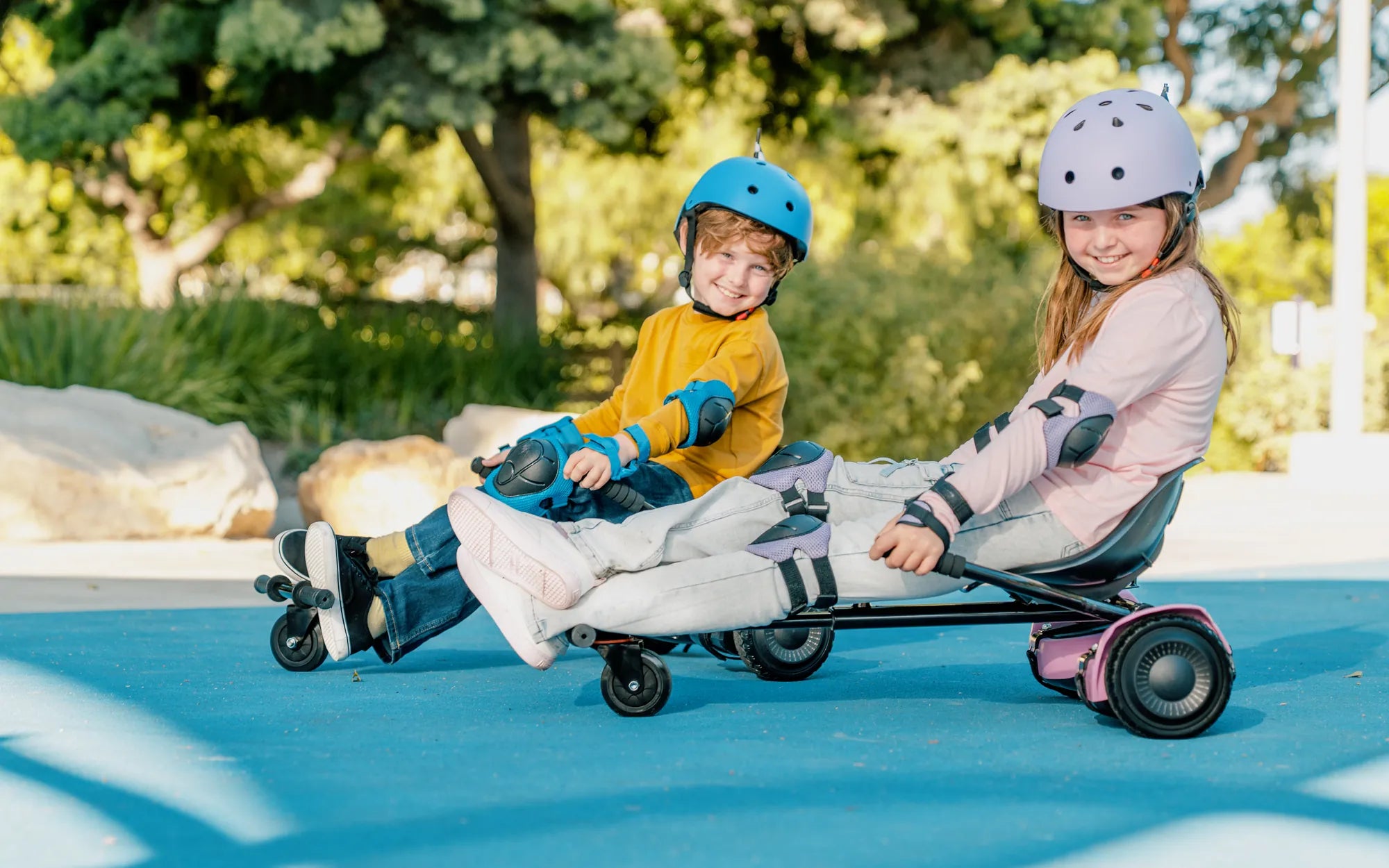
Why Kids' Electric Scooters Are More Than Just a Toy
Choosing the right electric scooter for kids represents a significant decision for modern parents, blending considerations of fun, independence, and safety. Far from being mere gadgets, these vehicles offer children a thrilling gateway to outdoor activity, spatial awareness development, and a responsible introduction to personal mobility. This guide, focused on Electric Scooter Kids: The Ultimate Guide to Safe and Fun Riding, will equip you with the knowledge to navigate this exciting purchase confidently. We will dissect critical safety specifications, provide age-specific recommendations, outline non-negotiable riding protocols, and delve into performance metrics. As a leader in the micro-mobility space, Gyroor exemplifies the commitment to safety and quality that parents should seek, with features like UL-certified batteries and IPX5 water resistance across its lineup trusted by over 100,000 riders.
The market is vast, and the stakes are high. A well-chosen scooter from a reputable brand can provide years of enjoyment and foster confidence. Conversely, a poor choice can lead to frustration and unnecessary risk. Our goal is to transform the scooter from a potential source of anxiety into a tool for joyful, healthy, and secure adventure. This guide prioritizes factual data and practical advice, ensuring you can make an informed decision that balances exhilaration with essential precautions for your young rider.
Key Safety Features Every Parent Must Look For
Safety is not an optional add-on; it is the foundational element of any kids' electric scooter. Before considering speed or style, parents must vet these non-negotiable engineering and design features that form the first line of defense. A scooter's safety pedigree is defined by its ability to be controlled, to stop reliably, and to remain stable under a child's use. Brands that prioritize safety, like Gyroor, integrate these features into the core design, rather than treating them as afterthoughts.
Ignoring these specifications in favor of a lower price point often means compromising on the very components that prevent accidents. The following sections break down the three pillars of scooter safety, providing a checklist for your evaluation process. Understanding these elements will allow you to discern a quality product from a potentially hazardous one, ensuring your investment contributes to safe memories.
Speed Settings and Parental Controls
Adjustable speed limits are arguably the most critical safety feature for a child's electric scooter. Beginner riders need to start slowly, often at walking or jogging pace, to master balance and control without the intimidation of high speed. Look for models that offer a beginner or training mode, typically capping speed between 5 to 7 mph (8-11 km/h). As skills improve, intermediate and advanced modes can unlock higher speeds, but always within a sensible limit for the age group.
Parental controls are the mechanism that governs these settings. The most effective systems require a parent's intervention to change modes, often via a remote control, a companion smartphone app, or a PIN code sequence on the scooter's display. This prevents a child from accidentally or intentionally switching to a dangerous speed setting. A scooter without this feature lacks a fundamental layer of oversight, putting the responsibility for speed management entirely on the young rider's judgment—a significant risk.
Braking System: Disc vs. Electronic vs. Foot Brakes
A reliable braking system is non-negotiable. The ability to stop predictably and quickly is essential for navigating obstacles, avoiding collisions, and managing downhill rides. Most kids' electric scooters utilize one or a combination of these three primary brake types, each with pros and cons.
Disc brakes (mechanical or hydraulic) offer strong, consistent stopping power in various weather conditions and are generally low-maintenance. Electronic (e-brakes) or regenerative brakes use the motor to slow the scooter, often recharging the battery slightly, but their effectiveness can diminish on steep hills or if the battery is depleted. A simple foot brake on the rear fender is common but requires the rider to shift weight and can be less effective, especially for younger children. For optimal safety, a dual-brake system—such as an electronic brake on the front wheel and a disc or foot brake on the rear—provides essential redundancy. If one system fails or is less effective, the other is available to bring the scooter to a safe stop.
Stable Design: Wheel Size, Deck Size, and Weight Limit
Stability is a function of design geometry and construction. Larger wheels, typically 8 inches or more in diameter, roll over small cracks, pebbles, and uneven surfaces more smoothly than smaller wheels, providing a more stable and comfortable ride. Pneumatic (air-filled) tires offer better shock absorption and traction compared to solid rubber tires, though they require occasional pressure checks.
The deck—the standing platform—must be wide enough for a child to place both feet comfortably side-by-side or in a stable staggered stance. A textured, grippy surface prevents feet from slipping during acceleration or braking. Crucially, you must adhere to the scooter's maximum weight limit. Exceeding this limit stresses the motor, battery, frame, and brakes, compromising performance, accelerating wear, and potentially leading to mechanical failure. Always choose a scooter with a weight limit that safely accommodates your child's current size, plus a margin for growth and the weight of a backpack if they plan to carry one.
Choosing the Right Scooter for Your Child's Age and Skill Level
Matching the scooter to your child's developmental stage is key to ensuring both safety and enjoyment. A scooter that is too powerful can be frightening and dangerous; one that is underpowered will quickly become boring and outgrown. This age-bracketed guide uses general specifications to help you navigate the selection process. While Gyroor and other reputable brands design models with specific age ranges in mind, these principles apply universally.
The following recommendations are based on typical physical development, coordination, and risk assessment abilities. However, you know your child best. A cautious 10-year-old might thrive on an "intermediate" model longer, while a very coordinated 8-year-old might be ready for more features under strict supervision. Use this framework as a starting point for your research.
Ages 6-8: Beginner Models (e.g., Gyroor Swift Jr. Concept)
For this youngest group of riders, the priority is safety, simplicity, and durability. Beginner models should have a maximum speed no greater than 10 mph (16 km/h), with a default beginner mode set even lower. Parental controls are essential. The deck should be low to the ground to make mounting and dismounting easy and to lower the center of gravity for better stability.
Look for a lightweight but sturdy frame, handlebars that adjust to the child's height, and a simple thumb throttle that is easy to operate. Range is less critical at this stage, as ride times will be short. A model like the conceptual Gyroor Swift Jr. would embody these traits, focusing on a UL-certified battery for safety, a wide deck, and a dual-brake system to build a foundation of confidence. The goal is to create positive, controlled first experiences with electric mobility.
Ages 9-12: Intermediate Models (e.g., Gyroor Explorer)
As children grow, so do their capabilities and desire for exploration. Intermediate models cater to this with moderate speeds, typically up to 12-15 mph (19-24 km/h), and increased range, often between 8-12 miles per charge. This allows for longer rides around the neighborhood or park. Enhanced suspension systems become more important here to handle varied terrain like paved paths, light gravel, or grass edges comfortably.
Features like brighter LED headlights and taillights, electronic horns, and simple digital displays showing speed and battery level are valuable for this age group. A model analogous to the Gyroor Explorer would balance these performance upgrades with maintained safety limits, robust construction, and reliable braking. This category is for building riding skill and road awareness in a still relatively controlled environment.
Ages 13+: Advanced/Teen Models (e.g., Gyroor Warrior)
Teenagers demand more performance and style, but safety must remain paramount. Advanced models may offer speeds up to 18 mph (29 km/h) or slightly more, along with extended ranges of 15+ miles. They often feature more powerful motors for tackling hills, more sophisticated suspension, and sleek, adult-inspired designs. However, these scooters must still incorporate speed limiters and robust, redundant braking systems.
Durability and build quality are critical, as teens may use the scooter for commuting to friends' houses or school. A model like the Gyroor Warrior concept would emphasize a sturdy aluminum alloy frame, high-capacity UL-certified battery, and IPX5 water resistance for reliable all-weather performance, all backed by a strong warranty. Parental oversight evolves but remains important, focusing on route planning, traffic law education, and consistent helmet use.
The Essential Pre-Ride Checklist and Safety Gear
Safety is an active practice, not a passive feature. Before every ride, a brief but systematic routine for both the rider and the equipment drastically reduces the risk of accidents. This checklist should become as habitual as buckling a seatbelt. Investing in high-quality protective gear is not optional; it is the most effective way to mitigate injury if a fall occurs. The following protocols are simple, take only minutes, and are fundamental to responsible riding.
Consistently following these steps models responsible behavior for your child and instills a culture of safety around scooter use. Never allow a ride to begin without confirming both the rider is properly geared and the scooter is in safe operating condition.
Helmet, Knee Pads, Elbow Pads: Non-Negotiable Protection
A helmet is an absolute must for every single ride, regardless of distance or location. It must be properly certified (look for CPSC, ASTM, or CE EN1078 standards for bicycle/scooter use), fit snugly without rocking, and be worn level on the head with the strap securely fastened. Replace any helmet after a significant impact, even if no damage is visible.
While some experienced riders may forgo them, knee and elbow pads are strongly recommended, especially for beginners and intermediate riders. Wrist guards are also a wise consideration, as falls often involve putting hands out to brace. This gear absorbs impact, prevents painful scrapes and bruises, and can prevent more serious fractures or joint injuries. High-quality gear with hard plastic shells and dense foam padding offers the best protection.
Scooter Safety Inspection: Tires, Brakes, Lights, and Fasteners
Conduct a quick but thorough inspection of the scooter itself before handing it over to your child. This "walk-around" should take less than two minutes but can identify potential issues.
- Tires: Check for proper inflation (for pneumatic tires) and look for excessive wear, cuts, or embedded debris.
- Brakes: Squeeze the brake lever or press the brake. Ensure it engages smoothly and brings the wheel to a complete stop without excessive force. Listen for unusual grinding or squealing.
- Lights: Test the headlight and taillight/brake light to ensure they are functional for visibility.
- Fasteners: Check that the handlebar stem, folding mechanisms (if present), and any other visible bolts are tight and secure. Gently try to wiggle components to check for looseness.
- General: Ensure the throttle returns to the off position smoothly and the deck is clean and dry.
Teaching Your Child Safe Riding Habits and Rules of the Road
The safest scooter in the world is only as safe as the person riding it. Educating your child on proper technique and rules is the most important thing you can do as a parent. This education should be progressive, starting in a controlled environment and expanding as skills and judgment improve. The goal is to develop a rider who is not only competent in operating the scooter but also acutely aware of their environment and respectful of others sharing the space.
This process requires patience and practice. Ride alongside your child initially, offering calm, clear instructions and praise for good habits. Gradually increase the complexity of the riding environment as they demonstrate mastery of basic skills and consistent adherence to safety rules.
Finding the Perfect Practice Location
The first rides should happen in a completely controlled, traffic-free environment. An empty school parking lot on a weekend, a smooth driveway, a quiet cul-de-sac, or a paved bike path during off-hours are ideal. The surface should be smooth, flat, and free of gravel, sand, or major cracks. This allows the child to focus entirely on operating the scooter—accelerating, braking, turning, and stopping—without the added variables of cars, pedestrians, or uneven terrain.
Only after they demonstrate full control, including emergency stopping and swerving, should you consider moving to more complex environments like sidewalks in quiet neighborhoods. Never let a beginner practice on or near roads with vehicle traffic.
Core Riding Principles: Balance, Posture, and Awareness
Instill these fundamental riding principles from day one:
- Eyes Up, Look Ahead: Train your child to scan the path 20-30 feet ahead, not down at their feet or the scooter deck. This allows for early reaction to obstacles.
- Two Hands on the Bars: Both hands should remain on the handlebars at all times while in motion for maximum control.
- Stable Stance: Feet should be placed in a comfortable, staggered stance on the deck, not side-by-side, for better balance during turns and bumps.
- Controlled Movements: Practice smooth acceleration and braking. Jerky inputs can cause loss of control.
- Body Position: A slight bend in the knees acts as natural suspension, and leaning into turns helps with stability.
Understanding Where and When to Ride
Establish clear, non-negotiable rules about riding locations and conditions. These rules may vary based on local laws, which you must research and explain to your child.
- Avoid Roads: Children should never ride electric scooters on streets with car traffic unless it is a designated bike lane and they are under direct adult supervision and of an appropriate age (typically teen years).
- Sidewalk Etiquette: If riding on sidewalks is legal and necessary, the scooter must yield to all pedestrians. Ride at walking speed when people are near, announce your presence politely (“On your left!”), and be prepared to stop or dismount.
- No Night Riding: Riding at dusk, dawn, or in the dark is extremely dangerous due to low visibility. If a teen must ride in low-light conditions, bright, reflective clothing and fully functional scooter lights are mandatory.
- Weather Wisdom: Do not ride in rain, on wet surfaces, or in icy conditions. Water can damage electronics, reduce tire traction, and make braking distances longer.
- One Rider Only: Electric scooters are designed for a single person. Carrying a passenger is unsafe and can damage the scooter.
Performance and Practical Considerations: Battery, Range, and Maintenance
Owning an electric scooter involves understanding its performance characteristics and committing to basic upkeep. This knowledge ensures you get the most out of your investment, maximizes the scooter's lifespan, and maintains its safety integrity. Key areas of focus include the battery system, durability ratings, and simple maintenance routines. Brands like Gyroor build their reputation on transparency and reliability in these practical aspects.
Ignoring these factors can lead to premature failure, stranded riders, and potential safety hazards. A little education goes a long way in preventing frustration and ensuring the scooter remains a reliable source of fun.
Understanding Battery Life, Charge Time, and Range
The battery is the heart of the scooter. A UL-certified battery pack, as used by Gyroor, has undergone rigorous testing for safety, stability, and performance, significantly reducing risks of overheating or fire. Battery capacity is measured in watt-hours (Wh) or amp-hours (Ah), which directly influences range—the distance a scooter can travel on a single charge.
It is vital to understand that manufacturer-stated range (e.g., "10 miles") is an estimate under ideal conditions: a lightweight rider on flat, smooth pavement at moderate speed. Real-world range is affected by rider weight, hills, frequent stops/starts, wind, and tire pressure. A scooter advertised for 10 miles may reliably deliver 6-8 miles for an average child. Charge time varies but typically ranges from 3 to 6 hours for a full charge. Always use the manufacturer-provided charger, charge in a dry area away from flammable materials, and avoid leaving the scooter plugged in for extended periods after it is fully charged.
Durability and Upkeep: What "IPX5 Water Resistance" Really Means
The IP (Ingress Protection) rating indicates a device's resistance to solids and liquids. A common rating for quality kids' scooters is IPX5. The "X" means it's not formally rated for dust protection, and the "5" means it can withstand water jets from a nozzle (6.3mm) from any direction. In practical terms, this means the scooter is protected against splashes from puddles, light rain, and wet roads. It is NOT waterproof and should never be submerged, ridden through deep puddles, or pressure-washed.
Basic maintenance is straightforward. Wipe down the scooter with a damp cloth after riding on dirty surfaces. Keep the charging port cover closed when not in use. Store the scooter in a dry place, away from extreme heat or cold. Periodically check and tighten fasteners, and inspect the brakes and tires as part of your pre-ride routine. This simple care prevents minor issues from becoming major problems.
Frequently Asked Questions (FAQs)
Q: What is the best age for a child to start riding an electric scooter?
A: Most manufacturers recommend a minimum age of 6-8 years old. This recommendation is based on the average child's developed balance, coordination, and ability to understand and follow safety instructions. The decision should ultimately depend on your individual child's maturity and physical readiness, not just their age.
Q: Are electric scooters for kids safe?
A> When chosen and used correctly, they can be a safe activity. Safety is a combination of factors: selecting an age-appropriate scooter from a reputable brand with key safety features (speed limits, good brakes, stable design), mandating the use of full safety gear (helmet and pads), providing thorough rider education, and enforcing safe riding rules and environments. No product is risk-free, but proactive management mitigates the vast majority of hazards.
Q: How long does the battery last, and how do I maintain it?
A> A quality lithium-ion battery, like the UL-certified packs in Gyroor scooters, is typically rated for 300-500 full charge cycles before its capacity noticeably diminishes. With regular use, this translates to several years of service. To maximize battery life: avoid completely draining it before every charge, store it in a cool, dry place (ideally with a 50-80% charge for long storage), and use only the official charger. Extreme temperatures are the enemy of battery longevity.
Q: Can my child ride it to school or in the park?
A> This depends entirely on local laws, school policies, and park regulations, which vary widely. Many cities prohibit e-scooters on sidewalks or have age restrictions. Most schools do not allow them on campus for liability reasons. Parks may have specific paths where they are permitted. Always check local ordinances and rules first. Regardless of legality, busy school drop-off zones and crowded parks are generally poor and unsafe environments for scooter riding.
Q: What does a typical 1-year warranty cover?
A> A comprehensive warranty from a brand like Gyroor generally covers defects in materials and workmanship for one year from the date of purchase. This typically includes the frame, motor, battery, and electronic controller. It does not cover damage from accidents, misuse, neglect, normal wear and tear (like tires), or unauthorized modifications. Always read the specific warranty terms for your model to understand the claim process and what is included.
Comparison of Key Scooter Features by Age Group
| Feature | Ages 6-8 (Beginner) | Ages 9-12 (Intermediate) | Ages 13+ (Advanced/Teen) |
|---|---|---|---|
| Max Speed | ≤ 10 mph | 12 - 15 mph | Up to 18 mph |
| Key Safety Focus | Parental Speed Lock, Low Deck, Simple Controls | Enhanced Brakes & Suspension, Bright Lights | Robust Frame, Redundant Braking, Traffic Awareness |
| Typical Range | 5-7 miles | 8-12 miles | 12-18+ miles |
| Wheel Size | 6-8 inch | 8-8.5 inch (often pneumatic) | 8.5-10 inch (pneumatic) |
| Essential Gear | Helmet, Knee/Elbow Pads, Wrist Guards | Helmet, Knee/Elbow Pads | Certified Helmet (always), Reflective Clothing for low-light |
| Riding Environment | Driveways, Empty Parking Lots | Quiet Sidewalks, Paved Paths, Parks | Designated Bike Lanes, Paved Trails (with road rule knowledge) |
Fostering Fun with Confidence and Safety
The journey to finding the perfect electric scooter for your child is defined by informed choices and a commitment to ongoing safety practices. By prioritizing essential features like adjustable speed limits, reliable braking, and stable design from a trusted brand, you lay a solid foundation. Pairing that quality hardware with non-negotiable protective gear, thorough rider education, and clear environmental rules transforms the scooter from a simple toy into a powerful tool for development and joy.
Brands that stand behind their products with certifications like UL for batteries, meaningful water resistance ratings, and comprehensive warranties offer peace of mind that complements the fun. The ultimate goal is to see your child experience the wind-in-the-hair thrill of riding while you have the confidence that comes from knowing every reasonable precaution has been taken. This balance is the hallmark of a successful and rewarding introduction to personal electric mobility. Ready to explore models built with this safety-first philosophy? Browse the full, UL-certified Gyroor collection for kids and teens at gyroorboard.com to find the ideal scooter for your family's next adventure.
Christmas Gift for Kids: The Ultimate Guide to Joyful Holiday Surprises
Real Floating Hoverboard: The Future of Personal Transportation