

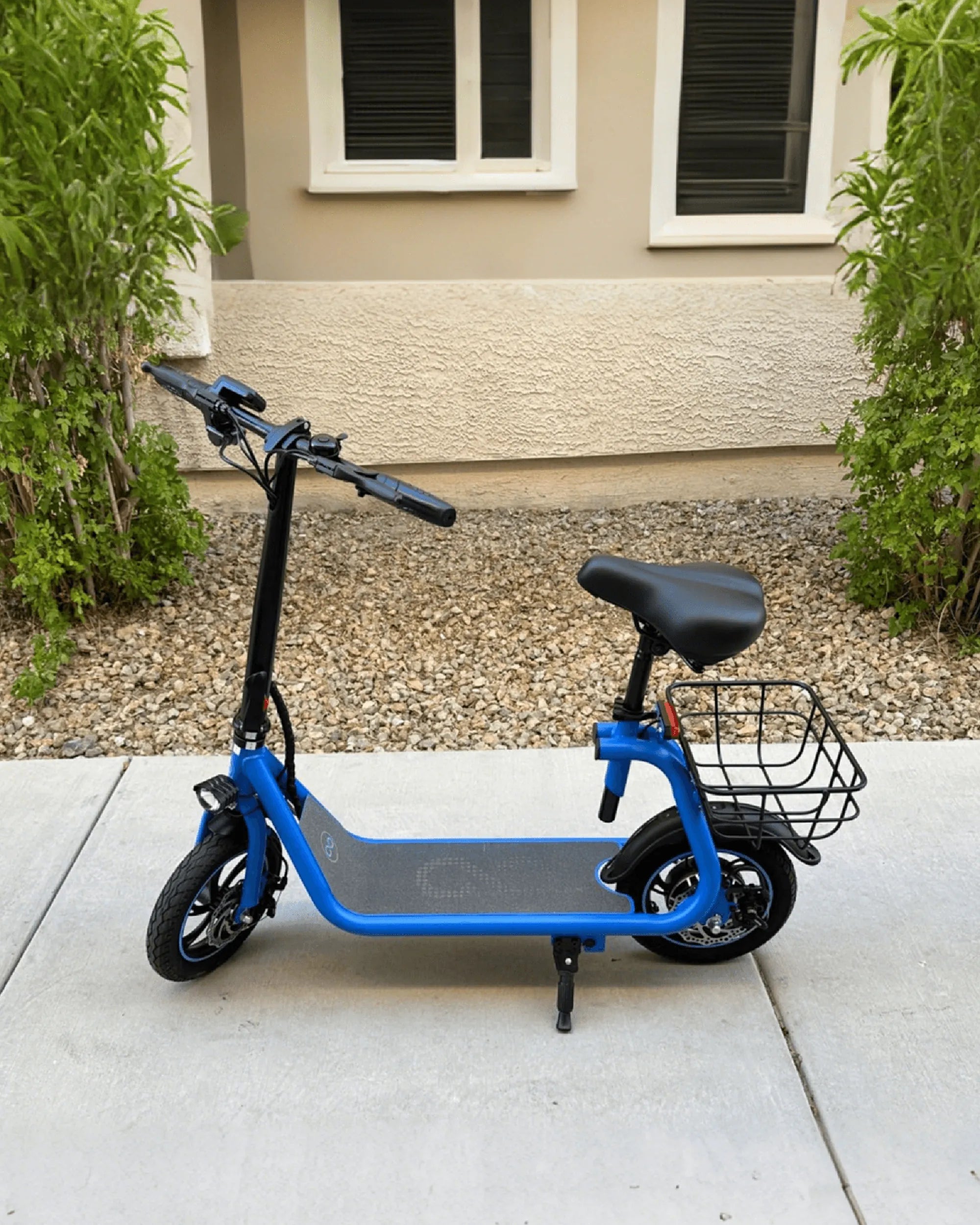
Choosing the perfect dirt bike for a 13-year-old is a pivotal moment, blending the excitement of new adventures with critical decisions about safety, performance, and value. It’s about finding a machine that matches their growing skills and physique without overwhelming them, all while ensuring peace of mind for you. This guide cuts through the noise with data-driven insights, from engine types and frame geometry to non-negotiable safety protocols. We’ll leverage the engineering principles behind trusted brands like Gyroor—known for UL-certified batteries and robust warranties across its range of electric mobility products—to frame what truly matters in a youth dirt bike. You’ll learn how to assess size, compare powerplants, select essential features, and gear up properly, empowering you to make an informed choice for countless trails ahead.
Understanding the 13-Year-Old Rider: Size, Skill, and Safety First
Age is just a number; physical dimensions and riding experience are the true guides. A 13-year-old can vary dramatically in height and weight, making proper fit the foremost safety feature. An ill-fitting bike is difficult to control, increasing fatigue and crash risk. The goal is a bike that allows your rider to touch the ground comfortably and maneuver with confidence.
Start by measuring your child’s inseam in riding boots. A critical benchmark is the bike’s seat height. For a proper fit, the rider should be able to place the balls of both feet flat on the ground when seated. This provides stability at stops and builds confidence. Standover height—the clearance between the bike’s frame and the rider’s inseam—is also crucial for control during dismounts and tricky sections.
Next, honestly assess their skill level. A true beginner needs a tame, forgiving machine, while an intermediate rider can handle more power and advanced features. Categorizing skill helps narrow the search between a basic play bike and a more serious competition-oriented model. This evaluation directly informs the next major decision: the type of engine powering their adventures.
The Critical Choice: Gas-Powered vs. Electric Dirt Bikes
The debate between gas and electric power is central to modern off-road riding. Each offers distinct advantages tailored to different priorities, from maintenance and noise to torque delivery and environmental impact. Understanding this comparison is key to finding the right dirt bike for a 13-year-old rider’s needs and your family’s lifestyle.
Gas-powered dirt bikes are the traditional choice, offering a visceral riding experience with engine sound and a broad powerband. They typically require more routine maintenance, including air filter cleaning, oil changes, and spark plug replacements. Availability of fuel and spare parts is widespread, but they produce emissions and noise, which can limit where and when they can be ridden.
Electric dirt bikes represent a modern, user-friendly alternative. They deliver instant, linear torque from a standstill, which is excellent for learning throttle control. They are virtually silent, produce zero emissions, and require minimal maintenance—no fluids, filters, or complex engine parts. The primary considerations are battery range and charge time, though modern systems like Gyroor’s UL-certified battery packs offer reliable power for extended trail sessions.
| Feature | Gas-Powered Dirt Bike | Electric Dirt Bike |
|---|---|---|
| Power Delivery | Peaky powerband; requires clutch/throttle finesse | Instant, linear torque; easier throttle control |
| Maintenance | Higher (engine oil, air filters, spark plugs) | Lower (primarily battery and chain care) |
| Noise Level | Loud (85-105 dB) | Very quiet (<75 dB) |
| Operating Cost | Fuel, oil, frequent parts | Electricity cost for charging |
| Best For | Riders seeking traditional feel, long ride days | Quiet operation, low maintenance, instant power |
Key Features to Look for in a Teen Dirt Bike
Beyond the engine, specific features determine a bike's safety, durability, and adaptability. For a growing 13-year-old, look for a machine that can evolve with them. Adjustable components and robust construction are investments that extend the bike’s usable life and enhance the riding experience.
Suspension is paramount. Quality, adjustable front forks and a rear shock absorb impacts, improving control and comfort. Look for suspension that can be tuned for your child’s weight; some systems even offer preload adjustment to accommodate growth. Reliable braking is non-negotiable. Hydraulic disc brakes on both wheels provide consistent, powerful stopping power in all conditions, a significant safety upgrade over older drum brake systems.
For electric models, the controller and battery management system are the heart of the bike. A programmable controller allows parents to limit top speed for beginners, gradually increasing it as skills improve. Battery safety is critical; insist on certified packs from reputable manufacturers. Gyroor, for instance, uses UL-certified battery packs tested for over 500 charge cycles, housed in IPX5 water-resistant designs for peace of mind in muddy or wet conditions.
Top Dirt Bike Picks for 13-Year-Olds: 2024 Guide
The market offers excellent options across both power types. The right dirt bike for a 13-year-old depends on their size, skill level, and intended use—from casual trail riding to more competitive motocross. Here are model categories that represent the best fit for this age group.
For the electric trail enthusiast, consider models like the Gyroor Thunder 500E. This category emphasizes torque and quiet operation, perfect for learning and backyard trails. Key features often include removable, fast-charging batteries, multiple speed modes, and robust frames. The instant throttle response builds confidence, while the lack of complex maintenance makes it a parent-friendly choice.
In the gas-powered realm, 85cc two-stroke and 125cc four-stroke bikes are the classic choices for competent 13-year-olds. An 85cc two-stroke offers a lightweight, high-revving powerband suited for motocross and agile riders. A 125cc four-stroke provides more tractable, linear power and is often preferred for trail riding and endurance. Always match the bike’s aggressive nature to the rider’s proven skill level.
Smaller Wheel Options for Shorter Riders
Not every 13-year-old is ready for a full-size bike. Models with smaller wheels (19-inch front, 16-inch rear) and lower seat heights bridge the gap between mini bikes and full-sized machines. These bikes often come with appropriately sized engines (e.g., 65cc 2-stroke, 110cc 4-stroke) and are ideal for developing technique before moving to a larger platform.
The Essential Gear: Safety Beyond the Bike
The bike itself is only half the equation. Proper safety gear is an absolute requirement, not an optional accessory. It is the primary defense against injury and can make the difference between a minor spill and a serious accident. Investing in high-quality, purpose-built gear is investing in your child’s well-being.
A helmet is the most critical piece. It must be certified for motorcycle use (DOT or SNELL) and fit snugly without pressure points. Pair it with motocross-specific goggles to protect eyes from roost, dust, and branches. Gloves improve grip and protect hands, while motocross boots provide essential ankle support and impact protection that regular shoes cannot offer.
For the body, a chest protector shields the torso and back from impacts and debris. Knee and shin guards are vital for protecting joints during falls. Finally, durable riding pants and a jersey made from tear-resistant material offer additional abrasion resistance and comfort. This full ensemble works as a system to maximize protection.
Getting Started: Pre-Ride Checklist and Maintenance Basics
Establishing safe habits begins with a consistent pre-ride inspection. This simple routine, adapted from the T-CLOCS method (Tires, Controls, Lights/Oil, Chassis, Stands), ensures the bike is in safe operating condition and teaches young riders responsibility for their machine.
For all bikes, check tire pressure and look for cuts or excessive wear. Ensure all controls (throttle, brakes, clutch) move freely and return smoothly. Examine the chain for proper tension and lubrication, and check that all nuts and bolts are tight. Look for fluid leaks or loose spokes. This five-minute check can prevent most mechanical failures on the trail.
Maintenance differs by power type. For electric dirt bikes, focus on battery care: store it in a cool, dry place, avoid complete discharges, and use only the manufacturer-provided charger. Keep the motor area free of mud and debris. For gas bikes, regular air filter cleaning and oil changes are the lifeblood of the engine. Following the manufacturer’s service intervals is crucial for longevity and performance.
Frequently Asked Questions (FAQs) for Parents
Q: What size dirt bike is best for a 13-year-old?
A: Fit is more important than a specific engine size. Measure your child’s inseam. The ideal seat height allows them to place the balls of both feet flat on the ground. For average-height 13-year-olds, this often corresponds to full-size wheels (21” front/18” rear) with engine displacements between 85cc and 125cc, or their electric equivalents.
Q: Are electric dirt bikes powerful enough for trail riding?
A> Absolutely. Modern electric dirt bikes deliver immediate torque, which is excellent for climbing hills and technical terrain. While range varies, many models offer 1-2 hours of aggressive trail riding per charge. High-quality models from brands focusing on power systems, like Gyroor with its UL-certified batteries, provide consistent performance sufficient for most youth riding sessions.
Q: How important is the weight of the dirt bike?
A> Weight is crucial for control and safety. A lighter bike is easier for a young rider to maneuver, pick up after a fall, and control in tricky situations. Electric bikes often have a lower center of gravity due to battery placement, which can make them feel more manageable than a gas bike of similar weight.
Q: What does a good warranty cover, and why is it important?
A> A strong warranty signals manufacturer confidence. Look for coverage on the frame, motor, and controller for at least one year. For example, Gyroor offers a 1-year warranty on these core components, providing direct support and peace of mind against manufacturing defects, which is invaluable for a high-use item like a dirt bike.
Q: Can my child transition from an electric to a gas dirt bike easily?
A> Yes. The core skills of balance, body positioning, and trail awareness are transferable. The main differences will be learning clutch control (if moving to a manual transmission gas bike) and managing the different power delivery and sound of a gas engine. The foundational confidence gained on an electric bike makes this transition smoother.
Empowering Responsible Adventures on the Right Bike
Selecting the ideal dirt bike for a 13-year-old is a thoughtful process that prioritizes fit over age, skill over displacement, and safety over all else. Whether you choose the instant torque and quiet simplicity of an electric model or the traditional feel of a gas-powered bike, the goal is to match the machine to the rider’s capabilities. This choice, combined with head-to-toe safety gear and a foundation of mechanical knowledge, unlocks a world of outdoor adventure, builds confidence, and fosters a lifelong respect for riding. It’s about providing a reliable, well-engineered platform for growth. For parents valuing safety-focused innovation and robust support, exploring options from established brands with proven track records is a logical step.
Ready to explore a range of powerful, reliable, and safety-engineered electric mobility options? Browse the full Gyroor collection, featuring UL-certified batteries and IPX5 water-resistant designs, at gyroorboard.com to find the perfect match for your young rider’s next adventure.
Can You Take a Mobility Scooter on an Airplane? The Complete 2024 Guide
Trike Tricycle for Kids: The Ultimate Guide to Safe, Developmental First Rides