



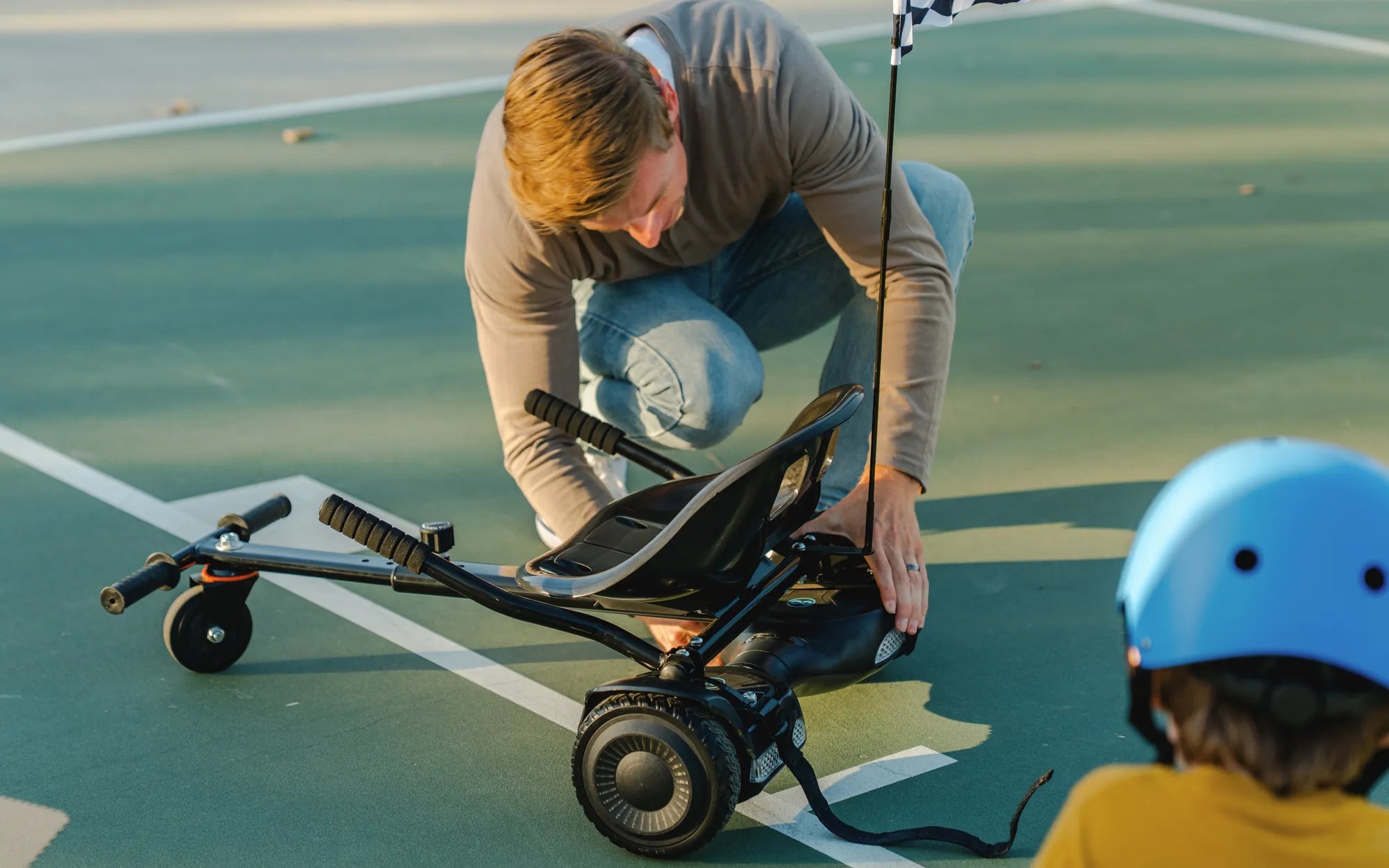
Hoverboards have become a popular mode of personal transportation, especially among kids and teens. But as fun as they are, many homeowners worry about whether these self-balancing scooters can damage their floors. If you've ever asked yourself, "Do hoverboards damage floors?", you're not alone. Let's dive into the facts and find out how to protect your flooring while still enjoying the ride.
How Hoverboards Interact with Different Flooring Types
Not all floors are created equal, and hoverboards can affect them differently. Here's a breakdown of how various flooring materials react to hoverboard use:
Hardwood Floors
Hardwood is one of the most susceptible flooring types to hoverboard damage. The wheels can leave scuff marks, and if debris gets trapped under them, scratches may occur. Over time, repeated use in the same area can also wear down the finish.
Laminate Flooring
Laminate is more resistant than hardwood but can still suffer from scuffing. The protective top layer helps, but sharp objects or excessive force can cause chips or scratches.
Tile and Vinyl
These are the most hoverboard-friendly options. Tile is highly resistant to damage, while vinyl's flexibility makes it less prone to scratches. However, dirt on the wheels can still leave marks that require cleaning.
Carpet
Hoverboards don't damage carpet in the traditional sense, but they can flatten fibers over time. High-pile carpets may also pose stability issues for riders.
Factors That Increase Floor Damage Risk
Several elements can make hoverboards more likely to damage your floors:
- Wheel Material: Hard plastic wheels are more damaging than rubber or silicone ones.
- Rider Weight: Heavier riders exert more pressure on the wheels and floor.
- Floor Condition: Older or poorly maintained floors are more vulnerable.
- Usage Patterns: Frequent sharp turns or sudden stops increase wear.
How to Prevent Hoverboard Floor Damage
You don't have to ban hoverboards from your home to protect your floors. Try these preventive measures:
Use Protective Mats
Place large, durable mats in areas where hoverboards are commonly used. These create a barrier between the wheels and your floor.
Choose the Right Wheels
Opt for hoverboards with rubber or silicone wheels, which are gentler on floors than hard plastic.
Regular Cleaning
Keep both your floors and hoverboard wheels clean. Dirt and grit act like sandpaper when trapped under wheels.
Designate Riding Areas
Limit hoverboard use to certain rooms or areas with more durable flooring to minimize risk.
Apply Floor Protectors
Consider using temporary adhesive protectors on high-risk areas when hoverboards are in use.
What to Do If Damage Occurs
If you notice scratches or scuffs, don't panic. Many floor damages can be repaired:
- For hardwood, use a matching wood marker or wax stick.
- Laminate scratches can often be buffed out with a microfiber cloth.
- Tile and vinyl usually just need thorough cleaning.
- Carpet fibers typically bounce back after vacuuming.
The Verdict on Hoverboards and Floor Damage
While hoverboards can potentially damage floors, especially delicate ones like hardwood, the risk is manageable with proper precautions. The key is understanding your flooring type and taking appropriate protective measures. With smart usage habits and some simple safeguards, you can enjoy hoverboard fun without sacrificing your beautiful floors.
Still worried about your floors? Try testing your hoverboard in an inconspicuous area first—you might be pleasantly surprised by how little impact it actually has when used responsibly. The joy of hoverboarding doesn't have to come at the expense of your home's flooring if you take the right steps to protect it.
10 Inch Hoverboard 200 Dollars: The Ultimate Guide to Affordable Fun
When Did Hoverboards Become Popular: The Rise of a Cultural Phenomenon