



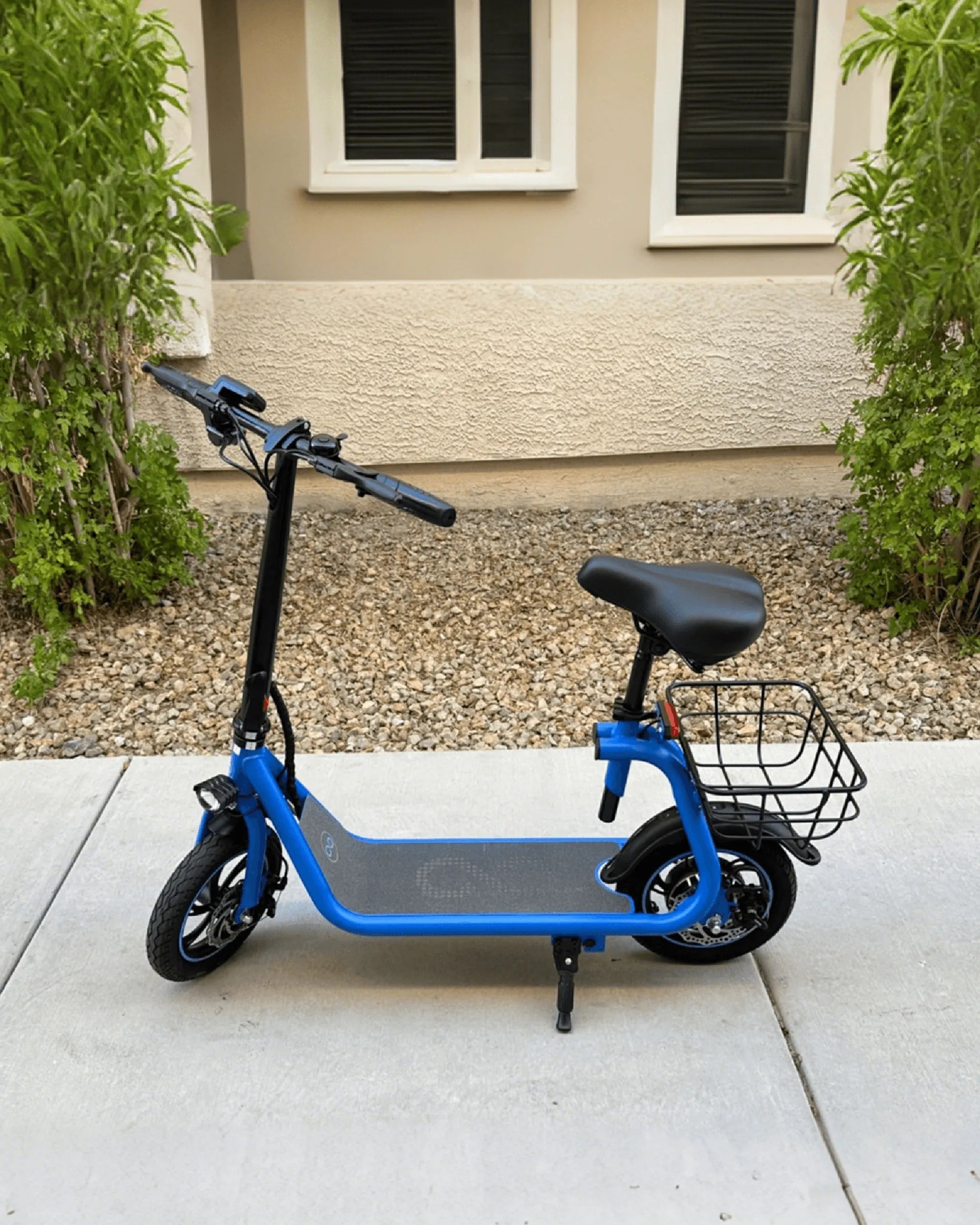
Introduction to Electric Mountain Bikes (e-MTBs)
An e mountian bike is a revolution on two wheels, merging the rugged capability of a traditional mountain bike with an integrated electric motor and battery. This pedal-assist system provides a boost to your pedaling effort, transforming how riders access and experience the outdoors. The core technology is sophisticated yet intuitive, consisting of a motor, a high-capacity battery, a control system, and a sensor that detects your pedaling cadence and force. This synergy allows the bike to amplify your power output, not replace it, making challenging terrain more manageable and extending your adventure potential. The rise of the e mountian bike is not a passing trend but a fundamental shift, attracting seasoned mountain bikers seeking to ride farther and newcomers eager to explore trails previously deemed too difficult.
You will learn what defines a modern e mountian bike, the tangible benefits it offers over a traditional bike, and the critical features that separate a reliable trail partner from a potential liability. We will provide a data-driven comparison, essential buying advice, and highlight why engineering fundamentals like UL-certified batteries are non-negotiable for safe, long-term enjoyment. This guide is designed to equip you with the knowledge to choose an e-MTB that matches your ambition and delivers confidence on every ride.
Why Choose an e-Mountain Bike? Key Benefits for Riders
The primary advantage of an e mountian bike is its ability to flatten hills and reduce fatigue. The electric assist allows riders to conquer steep, technical climbs with greater control and less cardiovascular strain. This means you can focus on line choice and technique rather than just surviving the ascent. Consequently, riders can complete more laps, explore trail networks with significant elevation gain, and return home exhilarated rather than exhausted.
Range and duration see a dramatic increase. A typical ride on a traditional bike might be limited by a rider's fitness or time. An e mountian bike extends both, enabling longer explorations into the backcountry or simply more fun on your local trails within a limited time window. The assist acts as an equalizer, allowing groups with varying fitness levels to ride together enjoyably, ensuring no one is left behind on long climbs.
Beyond practicality, the e mountian bike injects pure fun into the sport. The added power makes technical features more approachable and allows for quicker recovery between demanding sections. This can accelerate skill development, as riders attempt more challenging trails more frequently. The result is a broader, more accessible, and ultimately more joyful mountain biking experience for a wide spectrum of riders.
Critical Features to Evaluate in an e-MTB
Selecting the right e mountian bike requires careful evaluation of its core systems. Unlike a standard bicycle, the motor, battery, and frame integration are paramount to performance and durability. Understanding these components will help you invest in a bike that meets your specific trail needs and stands up to rugged use.
Motor Type, Placement, and Power
The motor is the heart of the e mountian bike. Mid-drive motors, located at the bike's crank, are the standard for serious off-road use. They leverage the bike's gears, providing efficient power delivery that feels natural and offers superior torque for climbing. Hub-drive motors, located in the front or rear wheel, are simpler but can negatively affect handling due to unsprung weight.
Motor power is measured in watts, but torque, measured in Newton-meters (Nm), is the more critical metric for mountain biking. Torque determines how forcefully the motor can help you accelerate and climb. A mid-drive motor with 70-90Nm of torque is ideal for demanding trail riding, providing ample power without feeling abrupt or unwieldy.
Battery Capacity, Range, and Integration
Battery capacity, measured in watt-hours (Wh), dictates your potential range. A 500Wh battery is a common starting point, but serious riders may opt for 625Wh or 750Wh units. Real-world range is highly variable, affected by assist level, terrain, rider weight, and temperature. A realistic estimate is 20-50 miles per charge for most trail riding.
Battery integration is crucial for both aesthetics and protection. Modern e mountian bike designs feature batteries fully integrated into the downtube, lowering the center of gravity and protecting the pack from impacts and the elements. Removable batteries offer convenience for charging but can compromise the frame's structural integrity and waterproofing if not designed meticulously.
Frame Design, Suspension, and Build Quality
The frame must be engineered to handle the additional stresses of motor power and higher speeds. Aggressive geometry with a slack head angle provides stability on descents, while a steeper seat tube angle improves climbing efficiency. The choice between a hardtail (front suspension only) and a full-suspension e mountian bike depends on trail type; full-suspension offers greater control and comfort on rough terrain.
Component quality is non-negotiable. Powerful hydraulic disc brakes are essential for managing increased speed and weight. A durable, wide-range drivetrain from reputable brands ensures reliable shifting under load. Every part must be selected to withstand the unique demands of electric-assisted off-road riding.
The Importance of Safety and Durability Certifications
For an e mountian bike, electrical safety certifications are as important as frame strength. A UL-certified battery system, like those used by Gyroor, is critical. This certification means the battery pack has undergone rigorous testing for electrical, mechanical, and environmental safety, drastically reducing the risk of fire—a paramount concern with high-capacity lithium-ion batteries.
Similarly, water and dust resistance ratings (IP codes) for the motor and display are essential. An IPX5 rating indicates protection against water jets from any direction, safeguarding electronics during creek crossings, muddy rides, or in the rain. These certifications are not marketing fluff; they are fundamental indicators of a product built for real-world, reliable adventure.
Gyroor e-MTBs: Engineered for Confident Adventure
Gyroor applies its core engineering philosophy—prioritizing safety, reliability, and rider confidence—directly to its e mountian bike lineup. Trusted by over 100,000 riders for electric scooters and e-bikes, the brand brings proven expertise in electric mobility to the trail. A Gyroor e mountian bike is built not just for performance, but for enduring, worry-free exploration.
Built on a Foundation of Safety: UL-Certified Power
Every Gyroor e mountian bike is powered by a UL-certified lithium-ion battery pack. This is the cornerstone of safety. Off-road riding subjects the battery to constant vibration, potential impacts, and variable temperatures. A UL-certified battery is engineered to withstand these conditions without risk of thermal runaway, ensuring the power source is as reliable as the frame it's mounted on. This commitment provides peace of mind that is invaluable when you're miles from the trailhead.
Ready for the Elements: IPX5 Water-Resistant Design
Trails are wet, muddy, and dusty. Gyroor designs its e mountian bike electrical systems with IPX5 water-resistant protection on critical components. This means the motor, controller, and connections are sealed against low-pressure water jets from any direction. You can confidently ride through puddles, light rain, and muddy sections, knowing the bike's heart is protected from the elements that define mountain biking.
Ride with Peace of Mind: The 1-Year Comprehensive Warranty
The complexity of an e mountian bike makes a strong warranty essential. Gyroor backs its e-MTBs with a robust 1-year comprehensive warranty covering the motor, battery, frame, and core electrical components. Supported by accessible customer service, this warranty underscores the brand's confidence in its product's durability and its commitment to supporting riders throughout their ownership journey.
e-MTB vs. Traditional Mountain Bike: A Data-Driven Comparison
Choosing between an electric and traditional mountain bike depends on your goals. The following table compares key performance and experiential metrics to clarify the differences.
| Metric | Traditional Mountain Bike | Electric Mountain Bike (e-MTB) |
|---|---|---|
| Avg. Speed Uphill | 5-8 mph (highly fitness-dependent) | 8-12 mph (more consistent, less fatigue) |
| Total Climb per 2-hr Ride | 1,500 - 2,500 ft | 3,000 - 4,500 ft |
| Trail Accessibility | Limited by rider fitness/skill | Greatly expanded; technical climbs become manageable |
| Physical Exertion (Calories/hr) | 600-800 (High Intensity) | 400-600 (Moderate to High Intensity) |
| Typical Cost | $800 - $3,000+ | $2,500 - $6,000+ |
| Primary Best Use | Fitness-focused riding, skill refinement, racing | Adventure, exploration, longer rides, riding with mixed groups |
The data shows an e mountian bike is a tool for expanding range and accessibility, not eliminating exercise. While the upfront cost is higher, the value comes in the form of vastly increased riding opportunities and the ability to tailor exertion level via the assist. It's a different, complementary tool in the mountain biker's quiver.
Getting Started: Your First e-Mountain Bike Ride
Your first ride on an e mountian bike should be exciting, not overwhelming. Start on a familiar, easy trail. Begin with the lowest level of pedal assist (often Eco mode) to get accustomed to the bike's weight and the subtle push from the motor. Practice braking earlier than usual; the added mass means longer stopping distances, especially on descents.
Trail etiquette is paramount. Since you can climb faster, be extra vigilant for descending riders, as they have the right of way. Use your bell or voice well in advance when approaching other trail users. In many areas, e mountian bike access is permitted on trails where motorized vehicles are banned, but always check local regulations. The general rule is to ride respectfully, leaving no trace and preserving trail access for all.
Pre-ride maintenance checks are critical. Ensure tire pressure is appropriate for the terrain, check that bolts (especially on the stem, handlebars, and wheels) are tight, and verify your battery is fully charged. After a muddy or wet ride, gently clean the bike, focusing on the drivetrain, fork seals, and electrical connection points, to ensure long-term reliability.
Frequently Asked Questions (FAQs) About e-Mountain Bikes
Q: Are e-MTBs allowed on all mountain bike trails?
A: Trail access rules vary by location. In the US, many non-motorized trails managed by the US Forest Service and BLM now allow Class 1 e-MTBs (pedal-assist only, no throttle). However, some local parks and private trail networks may restrict them. Always check the specific rules for the trail system you plan to ride.
Q: How far can I really go on a single charge?
A: Real-world range depends on battery capacity (Wh), assist level used, terrain, rider weight, and temperature. As a general rule, a 500Wh battery in moderate Eco mode on mixed terrain can provide 30-40 miles. Using higher assist levels on steep climbs will reduce this range significantly. Planning for 20-25 miles on challenging rides is a safe bet.
Q: Is riding an e-MTB "cheating"?
A> This is a common misconception. An e mountian bike does not pedal for you; it amplifies your effort. It changes the type of workout, often enabling longer, more frequent rides that can improve overall fitness and technical skills. It's a tool that makes the sport more accessible and can lead to more time spent actively outdoors.
Q: What is the maintenance like compared to a regular mountain bike?
A> Maintenance is very similar, with a few additions. You'll still need to service the suspension, drivetrain, and brakes regularly. The electrical system requires minimal maintenance but should be kept clean and dry. The primary additional task is battery care: storing it in a cool, dry place and avoiding complete discharges will prolong its lifespan.
Q: Can I ride an e-MTB in the rain?
A> Yes, if it has an appropriate water-resistance rating (like IPX5). Modern e-MTBs are designed to handle wet conditions. However, it's best to avoid submerging the motor or display and to dry the bike after a wet ride. Always consult your owner's manual for the manufacturer's specific guidelines on water exposure.
The Trail Ahead is Electric
The e mountian bike has firmly established itself as a transformative force in outdoor recreation. It democratizes access to challenging terrain, extends the joy of riding, and fosters a deeper connection with the trails. The key to a positive experience lies in choosing a machine built with integrity—where safety certifications like UL for the battery are non-negotiable, and durability features like IP-rated water resistance are standard. This ensures your investment translates into years of reliable adventure, not downtime and worry.
By prioritizing these engineering fundamentals, brands like Gyroor are defining what a trustworthy e mountian bike should be. The goal is simple: more miles of fun, fewer concerns about reliability. The trail ahead is indeed electric, and it's waiting to be explored with confidence. Ready to find your perfect electric trail partner? Browse the full Gyroor collection at gyroorboard.com and discover e-MTBs built for the adventure you crave.
How to Test Ebike Battery: A Complete Guide to Voltage, Range & Health
Heavy Duty Kick Scooter for Adults: The Ultimate Guide to Durable Urban Mobility