



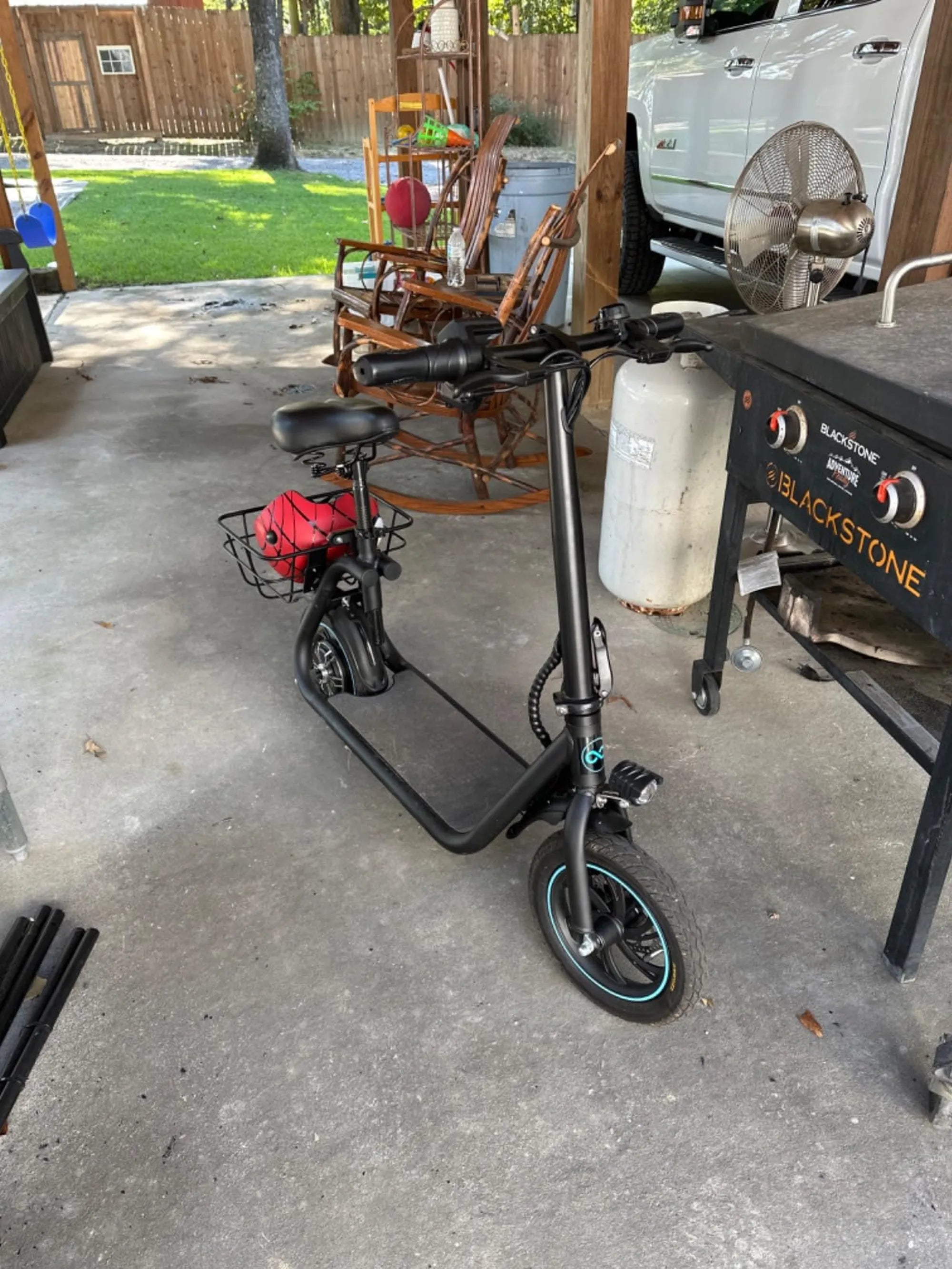
Your e-bike battery is the single most critical and expensive component on your ride. Knowing how to test ebike battery health is not just for troubleshooting a problem—it's essential preventative maintenance. A well-maintained battery ensures maximum range, consistent power, and, most importantly, safe operation. This guide provides a data-driven, step-by-step framework for assessing your battery's condition, from basic voltage checks to comprehensive capacity tests. You'll learn to interpret results, understand when to service or replace, and implement best practices to extend battery life. As a leader trusted by over 100,000 riders, Gyroor designs its e-bikes and scooters with UL-certified battery packs, but proper owner testing is key to long-term reliability.
The Critical Role of Your E-Bike Battery and Why Testing Matters
The battery pack is the heart of your electric bicycle, converting stored chemical energy into the power that drives the motor. It directly dictates your bike's performance, range, and overall value. A failing battery doesn't just mean a shorter ride; it can lead to unreliable power delivery, unexpected shutdowns, and in rare cases, safety hazards.
Regular testing provides a quantitative baseline of your battery's health. Instead of guessing why your range has decreased, you can measure voltage sag, calculate capacity loss, and make informed decisions. Proactive testing can identify minor issues like cell imbalance before they cause significant damage or a complete failure, potentially saving you hundreds of dollars.
For brands like Gyroor, which utilize UL-certified batteries rated for 500+ charge cycles, understanding how to test ebike battery performance helps you verify that your pack is aging gracefully. Testing is the difference between reactive replacement and proactive, cost-effective maintenance, ensuring you get the full lifespan from your investment.
Essential Tools and Non-Negotiable Safety Precautions
Before you begin testing, gather the right tools. A digital multimeter is the most essential item for measuring voltage. You'll also need your battery's charger (preferably one with a display showing voltage or amp-hours), the manufacturer's manual for specifications, and a notepad to record readings. For advanced diagnostics, a smartphone app that connects to your bike's Bluetooth display (if equipped) can provide additional data.
Safety is paramount when handling lithium-ion batteries. Always work in a dry, well-ventilated area away from flammable materials. Wear safety glasses to protect your eyes. Never attempt to test a battery that is physically damaged, leaking, or swollen—these are immediate safety risks that require professional handling.
Ensure the battery is at room temperature and has a partial charge (ideally between 30-70%) before conducting voltage tests. Avoid testing immediately after a ride or charge when the battery is hot. Never probe the battery terminals with metal objects other than the multimeter leads, and never short-circuit the terminals.
How to Test Ebike Battery Voltage with a Multimeter
The first and most accessible test is a static voltage check. This provides a snapshot of the battery's state of charge. Locate the main DC output terminals on your battery's charge port. Consult your manual to identify the positive (+) and negative (-) pins.
Set your digital multimeter to the DC voltage setting, choosing a range higher than your battery's nominal voltage (e.g., 200V DC for a 48V battery). Carefully touch the red probe to the positive terminal and the black probe to the negative terminal. Hold them steady for a few seconds until the reading stabilizes.
Compare your reading to the expected voltage for your battery's chemistry and charge state. The following table provides approximate voltage ranges for common Lithium-ion (Li-ion) configurations. Note that Lithium Iron Phosphate (LiFePO4) batteries have a different voltage profile.
| Battery Nominal Voltage | Fully Charged (100%) | Half Charge (50%) | Empty (Cutoff) |
|---|---|---|---|
| 36V (10S Li-ion) | ~42.0V | ~37.5V | ~30.0V |
| 48V (13S Li-ion) | ~54.6V | ~48.5V | ~39.0V |
| 52V (14S Li-ion) | ~58.8V | ~52.0V | ~42.0V |
A voltage significantly lower than expected for the perceived charge level can indicate aging cells or a problem with the Battery Management System (BMS). This is the foundational step in learning how to test ebike battery condition.
Performing a Real-World Range and Capacity Test
Voltage is a snapshot; capacity (measured in Amp-hours, or Ah) determines your actual range. To test true capacity, you need to conduct a controlled discharge test. Start by fully charging your battery until the charger indicates a complete cycle. Note the total amp-hours (Ah) delivered if your smart charger displays this data.
Plan a consistent, safe route that includes your typical riding mix (e.g., some hills, flats, and stops). Use a bike computer or GPS app to track distance. Ride at your normal pace and assist level until the battery depletes to the point where the motor cuts out or the BMS engages low-voltage protection.
Record the total distance traveled. Compare this to the manufacturer's claimed range for similar conditions and to your own past benchmarks. For example, if your Gyroor e-bike originally achieved 40 miles per charge and now only achieves 28 miles under identical conditions, you've experienced approximately a 30% capacity loss.
This real-world test is the most accurate way for a rider to gauge battery degradation over time. It directly answers the question of how to test ebike battery capacity without specialized equipment. Documenting these tests seasonally creates a valuable health log.
Diagnosing Voltage Sag and Load Testing
Healthy batteries maintain voltage under moderate load. Excessive voltage sag—where the voltage plummets when you apply throttle or pedal assist—is a key symptom of a weak battery. To test for this, you'll take voltage readings under load.
With your multimeter probes connected to the battery terminals (use alligator clips for safety), have a friend hold the rear wheel off the ground. Gently apply full throttle or the highest assist level, engaging the motor. Observe the multimeter reading as the motor draws power.
A healthy battery should see a voltage drop of no more than 3-5 volts from its static reading for a 48V system. If the voltage immediately sags by 10 volts or more, it indicates high internal resistance, often due to aged, imbalanced, or damaged cells. The voltage should also recover quickly to near its static level when the load is removed.
This load test is crucial for diagnosing performance issues like sudden power loss on hills. It's a more advanced but highly informative part of understanding how to test ebike battery under real operating conditions.
Interpreting Test Results: Maintenance vs. Replacement
Your test results will fall into one of three categories, each dictating a different action. First, Good Health: Voltage readings align with the state-of-charge table, range loss is less than 15% from new, and voltage sag is minimal. Focus on maintenance: store the battery at 30-60% charge in a cool, dry place, avoid complete discharges, and use the manufacturer's charger.
Second, Warning Signs: Capacity/range has dropped 15-30%, voltage sags noticeably under load, or the battery charges to "full" unusually quickly. This indicates cell imbalance or moderate degradation. A professional battery service shop may perform a balance charge or cell replacement. Check if your Gyroor product is within its 1-year warranty for support.
Third, Replacement Recommended: Capacity loss exceeds 30-40%, voltage is consistently far from expected values, or the battery exhibits physical swelling. Continued use risks failure and safety. This is the time to source a high-quality, UL-certified replacement battery. For optimal compatibility and safety, using an OEM battery from your manufacturer is strongly advised.
Advanced Diagnostics: Understanding the BMS and Cell Balance
The Battery Management System (BMS) is the onboard computer that protects your battery. It monitors individual cell groups for voltage, temperature, and current. Sometimes, a failing BMS can cause symptoms that mimic a bad battery, such as inaccurate fuel gauge readings or premature shutdown.
While full BMS diagnostics often require professional tools, you can check for severe cell imbalance. For batteries with an accessible balance port, a specialized cell checker can read the voltage of each series cell group. A variance of more than 0.1V between the highest and lowest cell group indicates significant imbalance, which reduces usable capacity and stresses the pack.
If your battery allows, using a charger with a dedicated "balance" mode periodically (e.g., every 10-20 cycles) can correct minor imbalances and prolong life. This is a key part of a comprehensive approach to how to test ebike battery systems holistically.
E-Bike Battery Care and Testing FAQ
How often should I test my e-bike battery?
Perform a basic voltage check monthly. Conduct a full range and capacity test quarterly or at the change of seasons. Regular testing establishes a baseline and makes it easy to spot trends or sudden changes in performance.
Can I test a swollen or physically damaged battery?
No. Do not charge, discharge, or test a swollen, leaking, or punctured battery. Isolate it in a non-flammable container in a safe, dry place and contact a professional battery recycling center or your manufacturer's support team immediately for disposal instructions.
Why does my bike's display show a different percentage than my multimeter?
The display shows a "State of Charge" (SOC) estimated by the BMS algorithm, which factors in voltage, temperature, and usage history. A multimeter shows only instantaneous voltage. These can diverge as the battery ages or if the BMS needs recalibration. The multimeter provides the more fundamental electrical measurement.
What's the best way to store my e-bike battery long-term?
For storage over 30 days, charge (or discharge) the battery to approximately 50-60%. Store it in a cool, dry place at room temperature (ideally 10-20°C or 50-68°F). Check the voltage every 2-3 months and give it a partial recharge if it drops below 30% SOC.
Are aftermarket chargers safe for testing and charging?
It is highly recommended to use only the charger supplied by your e-bike manufacturer or a certified replacement. Aftermarket chargers may not have the correct voltage, current profile, or balancing function for your specific battery, which can lead to undercharging, overcharging, cell damage, or safety risks.
Proactive Testing Ensures Maximum Ride Enjoyment and Safety
Mastering how to test ebike battery health empowers you as a rider. It transforms the battery from a mysterious black box into a component you understand and manage. This knowledge leads to longer battery life, predictable performance, and safer operation. By incorporating simple voltage checks and periodic range tests into your routine, you invest in the longevity of your e-bike.
When the time comes for a replacement, prioritize quality and safety. Gyroor's commitment to UL-certified batteries, IPX5 water-resistant designs, and reliable 1-year warranty exemplifies the standards to look for. A well-tested, well-maintained battery is the foundation of every great electric ride.
Ready to ensure your e-bike is performing at its peak? Start with a multimeter voltage check this weekend. For riders considering an upgrade or needing a certified replacement battery, explore the engineering and reliability built into every model. Browse the full Gyroor collection of e-bikes, electric scooters, and accessories at gyroorboard.com.
150cc Dirt Bike for Adults: The Ultimate Guide to Power, Size & Value
E Mountian Bike: The Ultimate Guide to Electric Off-Road Adventure