



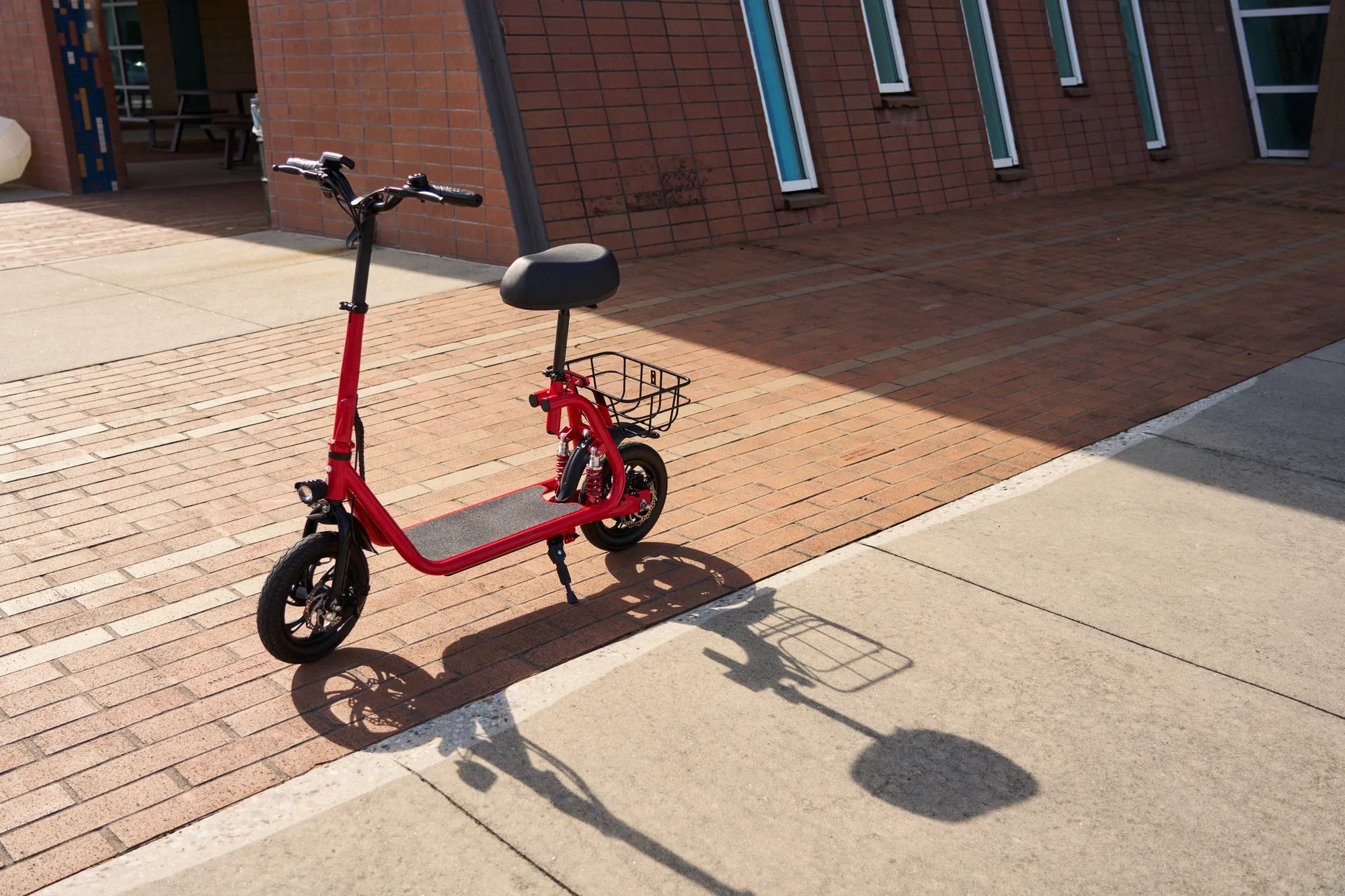
Electric scooter fires, while statistically rare, represent a serious safety concern that every rider and potential buyer should understand. This article delivers a data-driven examination of why these incidents occur, the actual risks involved, and most importantly, the proven prevention strategies that responsible riders and manufacturers employ. You will learn about battery chemistry failures, recognize dangerous user practices, and discover how to select and maintain a scooter designed for safety first.
The Science of Failure: Lithium-Ion Batteries and Thermal Runaway
At the heart of nearly every electric scooter fire is the lithium-ion battery pack. These batteries are favored for their high energy density and rechargeability but contain volatile chemistry. The primary failure mechanism is "thermal runaway," a dangerous chain reaction where overheating in one cell cascades to neighboring cells.
This process begins with an internal short circuit, often due to physical damage, manufacturing defect, or cell aging. The short generates intense heat, which breaks down the battery's internal components and electrolyte—a flammable organic solvent. This decomposition releases more heat and flammable gas, pressurizing the cell and igniting a fire that is self-sustaining and difficult to extinguish.
The design of the battery management system (BMS) is critical in preventing this scenario. A high-quality BMS monitors voltage, temperature, and current for each cell group. It regulates charging to prevent overvoltage, balances cells to ensure even wear, and will shut down power if dangerous parameters are detected. A failure or absence of a robust BMS is a major risk factor.
It is crucial to understand that while the chemistry carries inherent risk, proper engineering and quality control make catastrophic failure exceptionally unlikely in certified products. The focus on Electric Scooters Catching Fire: Causes, Risks, and Prevention must start with this fundamental science.
Root Cause Analysis: Manufacturing Defects and Substandard Components
Many publicized fire incidents trace back to compromised manufacturing. In a competitive market, cost-cutting on the most expensive component—the battery—creates profound hazards. This section breaks down the common manufacturing failures.
The use of low-grade, recycled, or uncertified lithium cells is a primary culprit. Reputable manufacturers use cells from tier-one suppliers (like LG, Samsung, or Panasonic) that undergo rigorous testing. Counterfeit or "grade B" cells may have inconsistent internal resistance, poor separators, or impurities that predispose them to short circuits.
Poor pack assembly is equally dangerous. This includes inadequate spot welding of cell connections, which can loosen over time and create arcing points. Insufficient physical spacing between cells prevents heat dissipation, and a lack of proper insulation or a rigid casing leaves cells vulnerable to vibration and impact damage.
Finally, a deficient or non-existent Battery Management System (BMS) turns a potential issue into a guaranteed failure. A subpar BMS may not prevent overcharging during a long plug-in period or may fail to halt operation when the battery is critically depleted, either of which can cause permanent internal damage to the cells.
The Critical Role of Safety Certifications
Third-party safety certifications are the most reliable indicator of a well-manufactured product. The UL 2272 standard is specifically for the electrical drive train system of personal e-mobility devices, including scooters. It involves over 100 tests for electrical, mechanical, and environmental hazards.
For larger scooter models or e-bikes, the UL 2849 standard provides a comprehensive safety assessment of the entire electrical system. Compliance with these standards is not merely a sticker; it requires rigorous design, quality components, and independent verification. Brands that invest in this certification, like Gyroor with its UL-certified battery packs, demonstrate a foundational commitment to safety that goes beyond marketing claims.
User-Induced Risks: Charging Errors and Physical Abuse
Even a perfectly manufactured scooter can be pushed into failure through improper use. Rider behavior is a significant variable in the safety equation. Awareness of these pitfalls is the first step toward prevention.
Improper charging practices are a leading user-related cause. Using a third-party, off-brand, or faster "rapid" charger not designed for the specific battery chemistry can deliver incorrect voltage or current, stressing the cells. Charging on soft surfaces like a bed or couch, which insulates heat, or in direct sunlight can cause dangerous overheating during the charge cycle.
Another critical error is charging immediately after a long, demanding ride. The battery generates significant internal heat during use. Plugging it in while it's still hot compounds thermal stress, accelerating degradation and increasing instability. Similarly, storing or charging a scooter in sub-freezing temperatures can damage cell internals.
Physical damage from crashes, curb jumps, or potholes can compromise the battery pack casing or cause internal cell displacement. A dented or bulging battery compartment is a major red flag. Furthermore, consistently draining the battery to 0% or riding until the scooter automatically shuts off strains the cells and can lead to voltage imbalances that the BMS cannot correct.
Environmental and Operational Stress Factors
Electric scooters are designed for urban environments, but extreme conditions test their limits. Understanding these stressors helps riders make smarter decisions about storage and operation.
Water ingress is a pervasive threat. While many scooters have an IP (Ingress Protection) rating, it is often limited to spray resistance (e.g., IPX4). Riding through deep puddles, in heavy rain, or washing the scooter with a hose can force water into the battery compartment or electrical connections, leading to corrosion and short circuits. Brands that offer higher water resistance, such as Gyroor's IPX5-rated models, provide a greater safety margin for real-world conditions.
Thermal extremes, both hot and cold, degrade battery health. Prolonged storage in a car trunk in summer can expose the battery to temperatures exceeding 140°F (60°C), potentially damaging the electrolyte and separators. Conversely, extreme cold reduces capacity and can cause lithium plating during charging, creating internal shorts.
Vibration from rough terrain, if constant and severe, can loosen internal electrical connections over thousands of miles. This is why robust mechanical design, secure fastenings, and sometimes even potting (encasing electronics in resin) are used in higher-quality models to ensure long-term reliability.
A Proactive Prevention Checklist for Every Rider
Safety is proactive, not reactive. By integrating these practices into your routine, you dramatically reduce any residual risk and extend the life of your scooter.
Purchasing and Initial Setup
Your safety journey begins at purchase. Prioritize brands that transparently list safety certifications like UL 2272 or UL 2849. Examine the warranty; a confident manufacturer stands behind its product. Upon receiving your scooter, inspect it thoroughly for any shipping damage. Always use the manufacturer-provided charger for the initial and every subsequent charge.
Daily and Weekly Safety Habits
- Charge Smart: Charge on a hard, non-flammable surface in a well-ventilated area. Never leave charging unattended for extended periods or overnight. Unplug once fully charged.
- Store Safely: Store your scooter in a cool, dry place away from direct sunlight and heat sources. Avoid blocking exits in an apartment or home.
- Inspect Regularly: Before each ride, do a visual check. Look for cracks, bulges, or deformities on the battery deck. Check for loose wiring, unusual odors, or error codes on the display.
- Operate Within Limits: Avoid pushing the scooter up steep hills for prolonged periods if it is struggling, as this causes extreme motor and battery stress. Follow the manufacturer's weight and terrain guidelines.
Emergency Protocol: Responding to a Battery Fire
If your scooter begins to smoke, hiss, pop, or catch fire, knowing what to do—and what not to do—is critical. Lithium battery fires are a Class B fire (flammable liquids/gases) with unique characteristics.
Your first and most important action is to evacuate the area immediately and call emergency services. Alert anyone nearby. Do not attempt to be a hero; these fires can escalate rapidly and emit toxic fumes.
If safe to do so in the very early stages (e.g., slight smoking), you may attempt to disconnect the power by turning off the scooter. However, do not touch the scooter if it is already hot or emitting smoke. Never use water to try to extinguish a lithium battery fire, as water can react with the lithium metal and intensify the reaction.
Specialist Class D fire extinguishers are designed for metal fires, including lithium, but are rare in homes. A standard ABC dry chemical extinguisher or a large amount of sand or dirt can help smother the flames and prevent spread, but may not stop the internal cell-to-cell reaction. Inform firefighters upon their arrival that it is a lithium-ion battery fire.
Comparative Analysis: Safety Features Across Scooter Tiers
Not all electric scooters are created equal. Safety engineering directly correlates with build quality and price. This comparison illustrates key differentiators.
| Feature | Budget/Uncertified Scooter | Mid-Range Certified Scooter | Premium/Safety-Focused Brand (e.g., Gyroor) |
|---|---|---|---|
| Battery Certification | None or fake certification; cells of unknown origin. | UL 2271 (cell level) may be claimed; pack may be uncertified. | Full UL 2272 or UL 2849 certification for the entire system; cells from known suppliers. |
| BMS Quality | Basic or missing; no cell balancing, poor thermal monitoring. | Functional BMS with core protections (overcharge, short circuit). | Advanced, multi-layer BMS with cell-level monitoring, temperature sensors, and communication with display. |
| Physical Build | Thin plastic casing, poor sealing, loose wiring. | Aluminum deck, basic gasketing for weather resistance. | Robust aluminum alloy frame, IPX5 or higher water resistance, secure internal component mounting. |
| Warranty & Support | 30-90 days, limited or no support for battery issues. | 6-12 month warranty, may exclude battery after short period. | Comprehensive 1-year warranty covering battery and drive train, with accessible customer service. |
| Fire Risk Profile | High. Prone to failure from manufacturing defects and normal use. | Moderate to Low. Failures typically result from severe abuse or damage. | Very Low. Failures are extreme outliers when used per guidelines. |
Frequently Asked Questions (FAQ)
How common are electric scooter fires?
While media coverage can make them seem frequent, fires in certified, well-maintained scooters are statistically rare. The vast majority of incidents involve uncertified, heavily modified, or physically damaged devices. The risk is manageable through informed consumer choice and proper care.
Can I leave my scooter charging overnight?
It is strongly discouraged. Even with a good BMS, continuous trickle charging after reaching 100% creates unnecessary stress. The safest practice is to charge while you are awake and present, and to unplug it once the indicator shows a full charge.
What does a "swollen" battery mean, and what should I do?
A swollen battery is a severe warning sign. It indicates gas buildup inside cells from internal decomposition, often due to overcharging, deep discharge, or physical damage. Stop using and charging the scooter immediately. Do not puncture it. Contact the manufacturer for guidance on safe disposal or replacement. A swollen battery is at high risk of thermal runaway.
Are more expensive scooters safer?
Generally, yes. A higher price point typically reflects better-quality cells, a more sophisticated BMS, robust mechanical design, and the cost of obtaining independent safety certifications. Investing in a reputable brand is fundamentally an investment in risk mitigation.
How long should a quality scooter battery last before needing replacement?
A high-quality lithium-ion battery from a brand like Gyroor, using UL-certified packs, is typically rated for 500-800 full charge cycles while maintaining above 80% of its original capacity. With average use, this translates to 2-4 years of service before noticeable range degradation, assuming proper charging habits are followed.
Riding Forward with Confidence and Safety
The topic of Electric Scooters Catching Fire: Causes, Risks, and Prevention underscores a fundamental truth: safety is a shared responsibility between manufacturer and rider. By choosing a scooter built with certified components, robust engineering, and transparent safety standards, you eliminate the vast majority of inherent risk. By adopting smart charging, storage, and inspection habits, you protect your investment and ensure its long-term reliability. The freedom and utility of electric scooters are immense, and with informed caution, riders can embrace this innovation without undue fear. For those prioritizing safety from the ground up, exploring the range of UL-certified, IPX5 water-resistant models from trusted brands like Gyroor provides a strong foundation for countless safe miles.
Ready to choose a scooter designed with safety as a core principle? Browse the full Gyroor collection at gyroorboard.com to explore models featuring UL-certified battery packs, durable water-resistant designs, and the reliability trusted by over 100,000 riders.
Electric Scooters Legal in Ireland: What You Need to Know - The Complete 2024 Guide
Do Electric Scooters Have Fuses? Understanding Their Role in Safety and Performance