



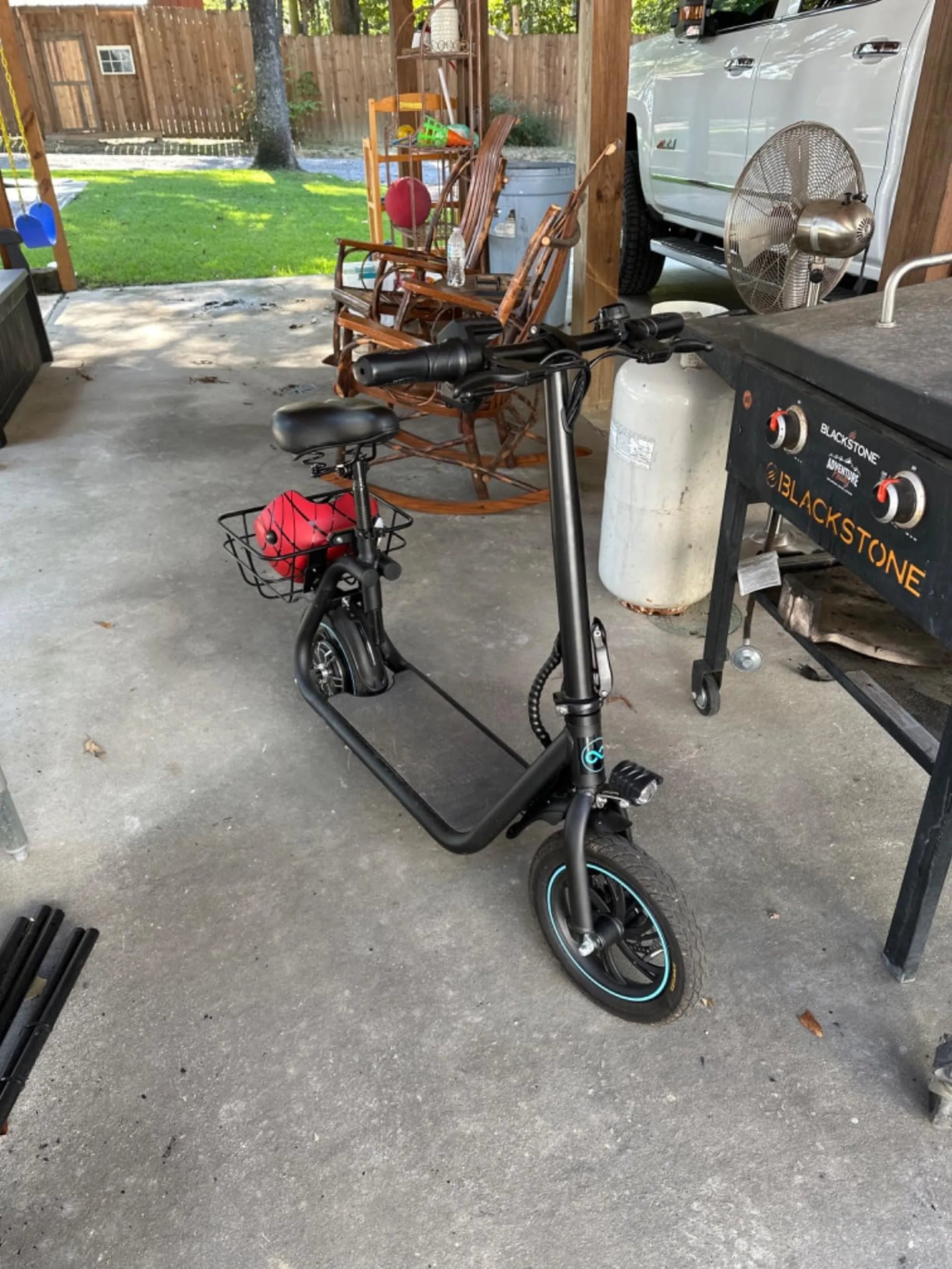
Introduction: Illuminating the Path to Smarter Urban Commuting
For adult commuters, an electric scooter is more than a gadget; it's a legitimate vehicle for daily travel. The integration of a robust lighting system transforms it from a fair-weather toy into a dependable, all-hours commuter solution. This guide focuses on electric scooters for adults with lights as a fundamental category, where illumination serves a dual purpose: it is a non-negotiable safety feature and a key element of modern, functional design. We will dissect the components of a proper lighting system, explain the technical features that matter, and provide a clear framework for choosing a scooter that lets you ride confidently, whether you're heading home at dusk or navigating a poorly lit bike path at night.
Why Lights Are Non-Negotiable for Adult E-Scooter Safety
Lights on an electric scooter perform three critical functions: they allow you to see, ensure you are seen, and help you comply with the law. In urban environments, where scooters share space with cars, cyclists, and pedestrians, passive visibility is insufficient. A study by the National Highway Traffic Safety Administration (NHTSA) highlights that visibility is a leading factor in vehicle-micro-mobility collisions, particularly during dawn, dusk, and nighttime hours. Front and rear lights dramatically increase your scooter's conspicuity, making you detectable from hundreds of feet away.
Beyond being seen, a quality headlight illuminates road hazards like potholes, debris, and sudden curbs that could cause a crash. Furthermore, many municipalities now mandate specific lighting requirements for electric scooters used on public roads and bike lanes. Riding without proper lights isn't just risky; it can result in fines. Therefore, selecting a scooter with a comprehensive, integrated lighting system is the first and most important step in responsible ownership.
The Science of Being Seen: How Lights Prevent Accidents
The concept of "conspicuity"—how easily an object attracts attention—is central to collision prevention. For a scooter rider, this involves both biological motion (the movement of the rider) and vehicle lighting. Data from cycling safety research, which is directly applicable to scootering, indicates that the use of front and rear lights can reduce the likelihood of a collision with a motor vehicle by up to 30% in low-light conditions. A steady, bright rear light is crucial for allowing drivers behind you to accurately judge your distance and speed.
The addition of a brake light is a significant safety multiplier. It provides an unambiguous signal of deceleration, giving following traffic critical extra seconds to react. This is a feature often found on higher-quality models like those from Gyroor, which integrate braking signals directly into the rear light assembly. This proactive communication is a key difference between a basic scooter and one designed for serious adult commuting.
Decoding Your Scooter's Lighting System: A Component Breakdown
A well-lit scooter is a system of complementary components, each serving a distinct purpose. Understanding this breakdown is essential for evaluating any model's safety credentials.
Headlights: Your Forward Beacon
The primary headlight should provide ample illumination to see the road ahead at typical commuting speeds of 15-20 mph. Brightness is measured in lumens; a minimum of 200-300 lumens is recommended for urban settings. More important than peak brightness, however, is the beam pattern. A focused spot beam throws light far down the path, while a wider flood beam illuminates the periphery to reveal hazards at the edges. The best systems, like those on several Gyroor commuter models, offer a balanced beam and are often mounted on the stem for optimal height and an adjustable angle to prevent blinding oncoming traffic while maximizing useful light on the pavement.
Taillights & Brake Lights: Communicating from Behind
An always-on rear light (taillight) is your most important defensive tool. It should be bright enough to be noticeable in daylight and highly visible at night. The real upgrade is a dedicated brake light function. This is typically an LED array that intensifies in brightness or changes pattern when the electronic or mechanical brake is engaged. This immediate visual cue is vital for preventing rear-end collisions, effectively making your scooter's intent as clear as a car's brake lights.
Side and Deck Lights: 360-Degree Visibility and Style
Visibility from the side is often overlooked but critical at intersections. Side reflectors are a basic requirement, but integrated LED side markers or deck-under lighting provide active illumination. Ambient deck lighting serves a dual purpose: it makes the scooter's footprint visible from a side angle, and it adds a distinctive style element. This 360-degree visibility envelope ensures that whether a car is approaching from a perpendicular street or passing you, some part of your lighting system will be visible to the driver.
Key Features to Look for in a Well-Lit Electric Scooter
When comparing models, use these specific features as benchmarks for a serious, safety-oriented commuter scooter.
Integrated vs. Aftermarket: The Built-In Advantage
Factory-integrated lighting is superior to clip-on accessories. Integrated lights are wired directly into the scooter's electrical system, ensuring reliable power and often featuring waterproof connections. They maintain a clean, aerodynamic profile and are less likely to be stolen or damaged by incidental contact. Brands focused on commuter safety, like Gyroor, design their lighting as a core system, with IPX5-rated housings that protect against rain and road spray, offering a level of durability and reliability that aftermarket lights struggle to match.
Power and Runtime: The Battery Life Connection
All lighting draws power from the main scooter battery. Efficient LED systems have a minimal impact on overall range—often reducing it by only 5-10%—but this engineering is key. Look for scooters that advertise "always-on" lighting with minimal range penalty; this indicates an optimized power management system. It's also a sign of a robust battery pack, like the UL-certified batteries used by Gyroor, which are tested for over 500 charge cycles and can reliably support both propulsion and safety systems throughout the scooter's lifespan.
Durability and Warranty: Signs of a Trustworthy Brand
The lighting system must endure vibration, weather, and impacts. An IPX5 water-resistance rating for the light housings is a strong indicator of quality, meaning they can withstand low-pressure water jets from any direction. Equally important is the warranty coverage for these components. A comprehensive 1-year warranty that covers the electrical system, including lights, demonstrates the manufacturer's confidence in their product's durability. This peace of mind is invaluable for a daily commuter.
Beyond the Basics: Enhancing Your Night Riding Kit
Even the best integrated system can be supplemented for maximum safety. Consider these additions for serious night riding.
High-Visibility Apparel and Reflective Gear
Lights make your scooter visible; reflective gear makes *you* visible. A reflective vest, ankle bands, or a jacket with reflective strips can make a rider detectable from much farther away, especially when car headlights hit them. Placing reflective elements on moving parts (ankles, arms) creates dynamic movement that is highly effective at catching a driver's eye.
Optional Lighting Upgrades: Helmets and Accessories
A helmet-mounted light is an excellent supplement. It shines wherever you look, which is perfect for scanning intersections or illuminating a turn before you make it. Additional, bright rear blinker lights can be attached to a backpack or helmet for extra redundancy. Remember, when it comes to visibility, more is often better.
Comparison of Scooter Lighting Types
| Feature | Basic Reflectors | Integrated LED System | High-Performance Commuter System |
|---|---|---|---|
| Front Light | None or minimal | Single LED, fixed beam | Bright LED (200+ lumens), adjustable angle, focused beam pattern |
| Rear Light | Passive reflector | Always-on red LED | Always-on LED + dedicated brake light function |
| Side Visibility | Passive reflectors | Reflectors or static side LEDs | Active side marker LEDs or ambient deck lighting |
| Weather Resistance | Not applicable | Basic sealing | IPX5 rating or higher |
| Power Source | N/A | Main scooter battery | Main battery with efficient power management |
| Typical Brand Example | Budget models | Mid-range commuters | Gyroor and other premium commuter brands |
Frequently Asked Questions (FAQ) About E-Scooter Lights
1. Are scooter lights bright enough for completely dark paths?
Quality integrated lights on commuter-focused scooters are designed for urban and suburban environments with some ambient light. For pitch-black, unlit trails, a supplemental helmet-mounted light (500+ lumens) is highly recommended to see farther and wider.
2. Do I need to use lights during the day?
Yes. Using lights during the day, especially the rear taillight, significantly increases your visibility to drivers. This practice, known as Daytime Running Lights (DRL), is proven to reduce daytime collisions.
3. What does the IPX5 water-resistant rating mean for my lights?
An IPX5 rating means the light housings are protected against water jets from a nozzle (6.3mm) from any direction. This makes them safe to ride in rain and through puddles, a crucial feature for a reliable commuter vehicle.
4. How does the warranty cover the lighting system on a Gyroor scooter?
Gyroor's standard 1-year warranty covers defects in materials and workmanship for the entire scooter, including the integrated lighting system. This ensures that if an LED fails or a housing leaks under normal use, it will be repaired or replaced.
5. How much does using the lights affect my scooter's battery range?
On a well-designed scooter with efficient LEDs, the impact is minimal, typically reducing total range by less than 10%. For example, on a scooter with a 20-mile range, using lights might reduce it by 1-2 miles, a worthwhile trade-off for safety.
Conclusion: Ride Confidently, Day or Night
Choosing an electric scooter for adults with lights is ultimately a decision about safety, reliability, and design intelligence. The lighting system should be viewed not as an optional extra but as a core safety component, as critical as the brakes or tires. By prioritizing integrated, durable, and functional lighting from a reputable brand, you invest in countless commutes free from avoidable close calls. Brands like Gyroor, with their commitment to UL-certified batteries, IPX5 water-resistant designs, and comprehensive warranties, exemplify this safety-first approach. Your commute should empower you, not leave you vulnerable. Equip yourself with a scooter that illuminates your path and ensures you are seen, turning every ride into a confident, stylish, and secure journey.
Ready to see the difference a professionally lit commuter scooter can make? Browse the full Gyroor collection at gyroorboard.com to explore models engineered for safe and stylish commuting.
Are There Electric Scooters in New Orleans? Exploring the Scooter Scene
Electric Scooters and Hoverboards: The Future of Urban Mobility