



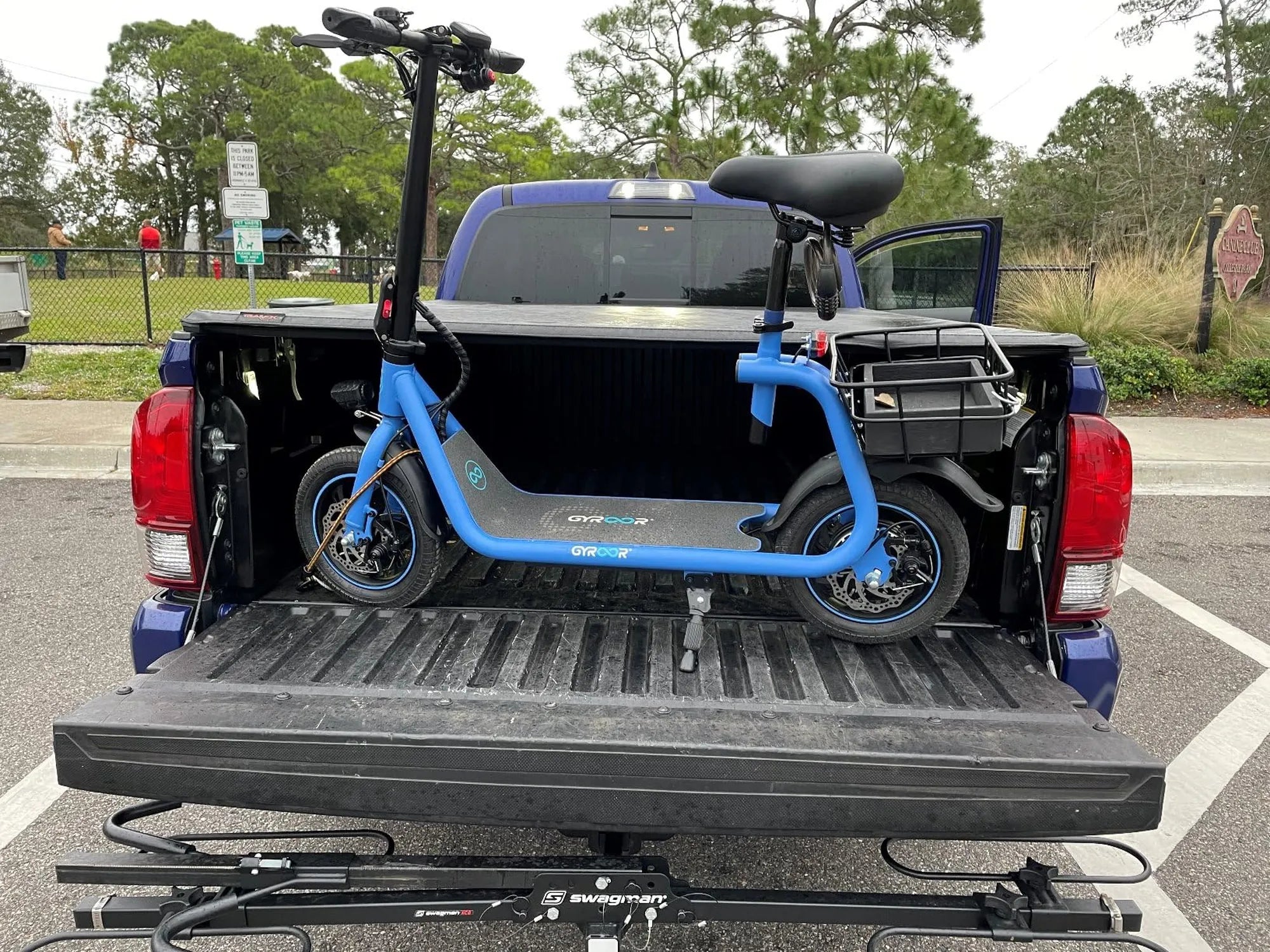
Imagine gliding past ancient ruins, weaving through sun-drenched island villages, or cruising along a coastal road with the Aegean Sea breeze in your hair. Exploring Greece by electric scooter offers a unique blend of freedom, efficiency, and immersive travel that traditional transport can't match. This guide will equip you with all the knowledge required for a seamless adventure, from understanding local laws to selecting the perfect scooter. We'll cover safety protocols, top destinations, cost analysis, and why choosing a certified brand like Gyroor—trusted by over 100,000 riders across North America and Europe for its UL-certified batteries and robust designs—is crucial for navigating the diverse Greek landscape with confidence and ease.
Introduction to Electric Scooters in Greece
Greece's landscape is a captivating mix of historic urban centers, rugged mountains, and idyllic island coasts. Navigating this terrain with traditional transport often involves crowded buses, expensive taxis, or limited rental car access on smaller islands. The electric scooter emerges as a modern, agile solution, perfectly suited to the Greek ethos of leisurely exploration and connection with the environment. It allows you to cover more ground than walking while accessing narrow, car-free streets in places like Mykonos Town or the Plaka district in Athens.
The compact nature of e-scooters makes them ideal for multi-modal travel. You can easily take them on ferries between islands or store them in accommodations without hassle. This flexibility transforms your itinerary, enabling spontaneous detours to hidden beaches, remote tavernas, or panoramic viewpoints that are otherwise inaccessible. The quiet, emission-free operation also aligns with a more sustainable and respectful way to experience Greece's natural and archaeological treasures.
For this adventure to be truly carefree, reliability is non-negotiable. Greek summers bring intense heat, and island paths can be dusty or uneven. A scooter with a robust build, a battery certified for safety and longevity, and water-resistant features is essential. This is where trusted manufacturers like Gyroor, with their focus on UL-certified battery packs tested for 500+ charge cycles and IPX5 water-resistant designs, provide the necessary peace of mind for your journey.
Navigating the Legal Landscape: Rules for E-Scooters in Greece
Understanding and adhering to local regulations is the first step to a hassle-free e-scooter experience in Greece. National law classifies electric scooters under the broader category of "Personal Light Electric Vehicles" (PLEVs). The foundational rule stipulates that e-scooters must have a maximum designed speed not exceeding 25 km/h (15.5 mph) to be used on public roads and bicycle lanes without registration or a license.
Riders must be at least 16 years old. The use of a helmet is mandatory for all riders, and it is highly recommended to use additional protective gear like knee and elbow pads, especially for tourists unfamiliar with local traffic patterns. Riding on sidewalks is strictly prohibited; e-scooters must use bicycle lanes where available. In their absence, riders should use the right side of the road, as close to the curb as possible, while obeying all standard traffic signals and rules.
Parking regulations are particularly important in congested city centers. You cannot park e-scooters in a way that obstructs pedestrian pathways, building entrances, or disabled access ramps. Many municipalities, especially Athens, have implemented designated parking zones for scooters and e-bikes. Fines for illegal parking can be significant and can quickly dampen your holiday spirit. When in doubt, always park your scooter in a dedicated bicycle parking area or a spot that is clearly out of the way of foot traffic.
It is also advisable to have some form of identification and, if you own the scooter, proof of purchase or insurance documentation readily available. While not always requested, being prepared helps resolve any questions from authorities smoothly. Remember, riding under the influence of alcohol or drugs carries the same severe penalties as driving a car.
Understanding Local Municipal Ordinances
While national laws provide the framework, local authorities can impose additional restrictions. Always check for specific ordinances in your destination. For instance, the Municipality of Athens has been particularly active in regulating micro-mobility to improve pedestrian safety and urban order. They have enforced strict no-riding zones in the most crowded historic shopping streets like Ermou Street.
On the islands, rules can vary. Popular destinations like Santorini and Mykonos have areas, especially in their main towns (Fira, Oia, Mykonos Town), where scooter traffic may be restricted during peak hours or in entirely pedestrianized zones. In Crete, regulations in cities like Chania or Heraklion may differ from smaller villages. The best practice is to ask your rental operator or hotel for local guidelines, or look for posted signage when you arrive.
Enforcement tends to be stricter in major cities and highly touristic spots during the summer season. A rule of thumb is to exercise extra caution and courtesy in areas with high pedestrian density. Dismounting and walking your scooter through a crowded market or a narrow, busy alley is often the wisest and most respectful choice, ensuring you avoid fines and contribute to a positive perception of e-scooter users.
Why a Gyroor E-Scooter is Your Ideal Greek Travel Companion
Choosing the right electric scooter is critical for a successful Greek adventure. The combination of intense Mediterranean sun, variable terrain from smooth asphalt to cobblestone paths, and the need for dependable daily performance demands a vehicle built to higher standards. Gyroor's engineering philosophy directly addresses these challenges, making their scooters exceptionally suited for the Greek context.
The cornerstone of this suitability is battery safety and reliability. Gyroor's use of UL-certified battery packs is not just a feature; it's a essential safeguard. These batteries undergo rigorous testing for stability and longevity (500+ charge cycles), drastically reducing any risk of overheating or failure under the Greek summer sun. This certification, coupled with a reliable 1-year warranty, provides tangible peace of mind when you're miles from your hotel or a repair shop.
Greek weather can be unpredictable, with sudden sea spray on coastal roads or brief afternoon showers. An IPX5 water-resistance rating, a standard in Gyroor's designs, means the scooter's critical electrical components are protected against low-pressure water jets from any direction. This resilience allows you to continue your exploration without panic if you encounter a wet road or a passing wave.
Furthermore, Gyroor's reputation, built on serving over 100,000 riders, translates into proven durability. Their scooters are designed to handle varied urban environments, which directly correlates to handling the mix of surfaces found across Greece. From the smooth new roads of suburban Athens to the historic, uneven stones of a medieval Rhodes town, a robust frame, quality suspension, and reliable brakes are non-negotiable features that Gyroor prioritizes.
Terrain and Model Match: Choosing the Right Scooter
Not all Greek terrain is created equal, and matching your scooter's capabilities to your planned routes enhances both safety and enjoyment. Here’s a practical breakdown:
For the compact, flat streets of islands like Mykonos, Hydra, or Spetses, a lightweight, portable model is ideal. A scooter with a modest motor (250W-350W), a range of 15-20 km, and a folding mechanism is perfect for zipping around town and easily carrying it onto a ferry or up stairs to your accommodation. Portability is key here.
For cities with hills, like Athens (with its ascent to the Acropolis area) or Thessaloniki, and for exploring larger islands with varied topography like Crete or Corfu, you need more power and range. Look for a model with a motor of 500W or more, dual suspension to absorb shocks from occasional potholes or cobblestones, and a range of 25-40 km on a single charge. Larger, air-filled tires (10 inches or more) also provide better stability and comfort on less-than-perfect roads.
For longer coastal explorations or dedicated day trips, a premium touring model is best. This would feature a powerful motor (500W+), a long-range battery (40+ km), enhanced suspension, and brighter lights for safety. This setup allows you to confidently plan a journey from, say, Chania to a remote beach in Crete, knowing your scooter has the endurance and comfort for the round trip.
| Terrain Type | Recommended Scooter Specs | Gyroor Model Features Match |
|---|---|---|
| Flat Islands & City Centers | Lightweight, 250W-350W motor, 15-20 km range | Compact foldable design, efficient battery |
| Hilly Cities & Mixed Island Terrain | 500W+ motor, dual suspension, 25-40 km range, 10" tires | Powerful motors, shock absorption, UL-certified long-life battery |
| Long-Distance Coastal Tours | 500W+ motor, 40+ km range, premium suspension, bright lights | Extended-range models, robust frames, safety lighting systems |
Planning Your E-Scooter Adventure: Top Routes and Destinations
Greece is a treasure trove of e-scooter-friendly routes. In Athens, start at the Temple of Olympian Zeus and glide through the National Garden to the Panathenaic Stadium. Then, take the dedicated paths along Vasilissis Amalias Avenue towards the Thissio neighborhood, enjoying panoramic views of the Acropolis. A longer route follows the Athens Riviera from Faliron to Glyfada on a network of coastal bike paths, perfect for a sunset ride.
On Santorini, avoid the congested caldera road between Fira and Oia during bus hours. Instead, use the scooter to explore the lesser-known interior villages like Pyrgos and Megalochori, famed for their traditional architecture and vineyards. Early morning or late afternoon rides on the caldera path itself, when traffic is lighter, offer unforgettable views. Always exercise extreme caution on this road due to its curves and tourist traffic.
In Crete, the Old Town of Chania is a maze of pedestrian-friendly alleys best navigated on foot, but your e-scooter is perfect for the 11-km coastal ride from Chania to the ancient ruins of Aptera. The route is relatively flat and offers stunning sea views. Similarly, in Rhodes, use the scooter to travel from Rhodes Old Town (dismount inside the walls) to the scenic Anthony Quinn Bay, enjoying the freedom to stop at lesser-known coves along the east coast.
For a truly unique experience, consider the island of Corfu. The coastal road from Corfu Town to Paleokastritsa Monastery winds through olive groves and offers breathtaking vistas of the Ionian Sea. The scooter allows you to stop at hidden viewpoints and small village cafes that tour buses simply pass by.
Safety and Etiquette for a Smooth Ride
Safety in Greece goes beyond wearing a helmet. Greek driving can be assertive, especially in cities. Be predictable: use hand signals for turns, do not weave between traffic, and always assume cars may not see you. Make eye contact with drivers at intersections. At night, ensure your scooter's lights are on and consider wearing a reflective vest or clothing.
Pedestrian etiquette is paramount. In tourist-heavy areas, sidewalks are often crowded. Never ride on them. When navigating a shared space or a narrow street, slow down to walking speed or dismount. The sound of a bell can startle; a polite "excuse me" ("signomi" in Greek) is often more effective. Your respectful behavior helps maintain access for all micro-mobility users.
Secure your scooter whenever you leave it. Use a high-quality bicycle lock to secure the frame to a fixed object, even for short stops. Never leave personal items in the scooter's basket or deck if unattended. Invest in a small, portable alarm for added security.
Finally, be prepared. Carry a basic repair kit (a portable tire inflator/patch kit is invaluable), a backup charging cable, and a power bank. Know the location of your country's embassy or consulate and have local emergency numbers (112 is the EU-wide emergency number) saved in your phone. A small first-aid kit is always a wise addition to your daypack.
Cost, Rental vs. Ownership, and Practical Tips
The financial decision between renting and owning an e-scooter for your Greek travels depends on the length and frequency of your trips. Rental prices in tourist hotspots like Mykonos, Santorini, or central Athens can range from €15 to €30 per day. For a two-week holiday, this can easily exceed €300-€400. Rental scooters also vary greatly in quality and maintenance, and you bear no long-term value from the expenditure.
Owning a quality scooter like those from Gyroor represents a higher upfront cost but offers significant long-term value, especially for frequent travelers or longer stays. You have a guaranteed, familiar machine that meets safety standards, and the cost per use diminishes over time. For travel, you must check airline policies; most require the battery to be under a certain Wh capacity (typically 160Wh-300Wh, which many airline-compliant models meet) and carried in your cabin baggage. Ferries in Greece generally treat e-scooters like bicycles, often with no extra fee.
Charging infrastructure is widely available. You can charge your scooter at any standard power outlet in your hotel, Airbnb, or at a cafe (with permission). Most scooters fully charge in 4-6 hours. Plan your daily range to return to your accommodation for a charge, or identify cafes or public spaces where you can stop for a refreshment and a top-up. Carrying your charger is essential.
Useful navigation apps include Google Maps (set to "Bicycling" mode for quieter routes) and local apps like Beat or FreeNow for general transport context. For offline maps, download your area on Google Maps or use apps like Maps.me. Always plan your route with the scooter's range and terrain in mind, and identify potential rest or charging points in advance.
Frequently Asked Questions (FAQ)
Q: Do I need a license or insurance to ride an e-scooter in Greece?
A: No driver's license is required for e-scooters with a maximum speed of 25 km/h. Third-party liability insurance is not legally mandatory for privately owned scooters but is highly recommended. Rental companies are required to have insurance covering their vehicles.
Q: Can I take my personal e-scooter on Greek ferries?
A: Yes, generally without issue. Treat it like a bicycle. Inform the ticket agent when purchasing your foot passenger ticket. You will typically walk it on and park it in a designated vehicle area or an area out of the way of foot traffic, often at no extra cost.
Q: Where can I charge my e-scooter on the Greek islands?
A> Anywhere with a standard 220V electrical outlet. This includes your hotel room, villa, or guesthouse. Many cafes and restaurants are accommodating if you ask politely and are a paying customer. Always carry your charger with you.
Q: What is the penalty for illegal parking in Athens?
A> Fines can be substantial, often starting at €150 and increasing for repeat offenses or if the scooter is impounded. The municipality is actively towing improperly parked scooters. Always use designated micro-mobility parking zones.
Q: Are there any areas in Greece where e-scooters are completely banned?
A> While not nationally banned, local authorities can prohibit them in specific zones. Common bans include archaeological sites (like the Acropolis precinct), inside fully pedestrianized old towns (parts of Rhodes Medieval City), and on certain hiking paths or nature trails. Always look for signage.
Conclusion: Embrace the Freedom of Greek Exploration
Exploring Greece by electric scooter is more than just a mode of transport; it's a passport to a deeper, more personal connection with the country's timeless landscapes and vibrant culture. It offers the agility to discover hidden corners, the efficiency to maximize your time, and the pure joy of open-air travel. This freedom, however, must be paired with responsibility—to the law, to public safety, and to the preservation of the very places you've come to enjoy. By choosing a reliable, safety-certified partner like a Gyroor e-scooter, you invest in the durability and peace of mind that turns a simple ride into an unforgettable journey. The ancient paths and island shores of Greece await a modern explorer.
Ready to plan your effortless Greek adventure? Browse the full Gyroor collection of UL-certified, durable electric scooters and e-bikes at gyroorboard.com and find the perfect model for your next discovery.
Parking Assist in Electric Scooters: The Future of Urban Mobility
Cheap Electric Scooters for Sale UK: Affordable and Efficient Commuting Solutions