



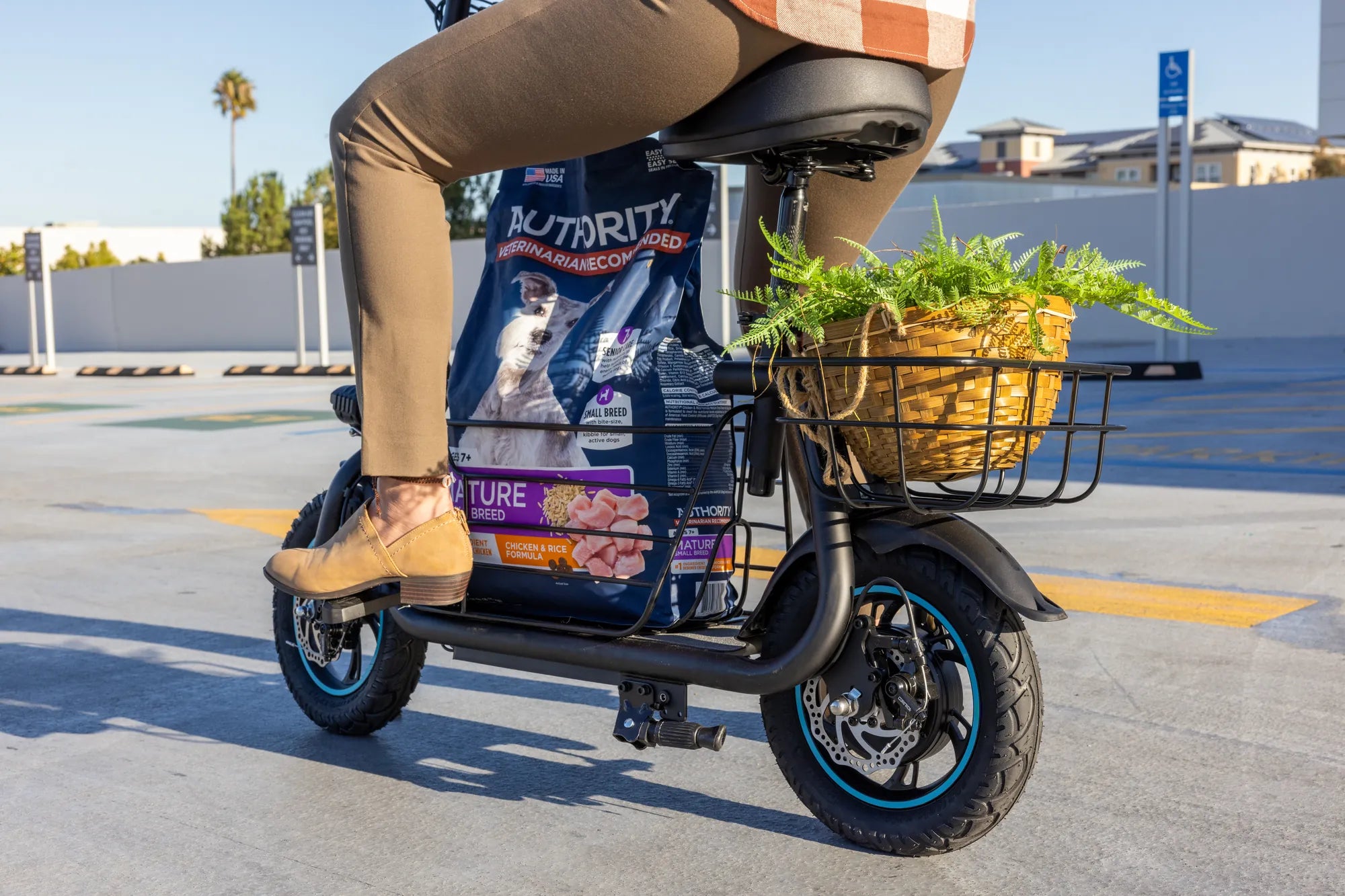
Introduction to Urban Mobility in Fayetteville
Fayetteville faces a classic modern urban challenge: balancing growth with accessible, efficient, and sustainable transportation. As traffic congestion increases on major arteries like College Avenue and MLK Jr. Boulevard, and parking becomes a premium near the University of Arkansas campus and the bustling Dickson Street district, residents are actively seeking smarter alternatives. Electric scooters in Fayetteville represent more than a passing trend; they are a practical, scalable solution to these daily mobility pains.
The city's commitment to green initiatives and its extensive trail network, including the renowned Razorback Greenway, creates an ideal testing ground for personal electric vehicles. This article will demonstrate how adopting an e-scooter can save you time and money while contributing to a less congested, cleaner Fayetteville. You will learn how to choose the right model for our hills and weather, navigate local regulations safely, and make a financially and environmentally sound commuting decision.
Why Fayetteville is Perfect for Electric Scooters
Fayetteville's unique urban fabric makes it exceptionally well-suited for the adoption of electric scooters. The city's topography, while hilly in areas like Mount Sequoyah, is largely navigable with a sufficiently powered scooter, and the benefits far outweigh these manageable challenges. The climate offers a long riding season, with mild springs and falls that are ideal for open-air commuting.
Infrastructure is a key advantage. Fayetteville has invested significantly in multi-use paths and bike lanes. The Razorback Greenway, a 40-mile trail connecting key points across the city, provides a safe, scenic, and direct route for e-scooter commuters and recreational riders alike. Furthermore, the downtown area and university campus are designed at a human scale, where distances between housing, classes, offices, shops, and entertainment are often between 1 to 3 miles—the sweet spot for e-scooter efficiency.
Local government and institutional policies are also aligning with micro-mobility. The City of Fayetteville's sustainability goals encourage transportation alternatives to single-occupancy vehicles. While specific e-scooter ordinances are evolving, the framework for bicycles and similar devices provides a clear pathway for responsible e-scooter use, focusing on safety and shared infrastructure.
Navigating Fayetteville's Terrain: Choosing the Right Scooter
Not all electric scooters are built for Fayetteville's specific conditions. Selecting the wrong model can lead to frustration, safety issues, and a short-lived product. The key is to match scooter specifications to the realities of local commutes.
Motor power is the first critical specification. A minimum of a 350W motor is advisable for the inclines found around the university hill and Mount Sequoyah. For consistent hill-climbing power and quicker acceleration, a 500W or dual-motor system is recommended. Battery range is equally vital. Consider your longest regular trip. A commute from a south Fayetteville neighborhood to the downtown square is roughly 4-5 miles round trip. A scooter with a real-world range of 15-20 miles provides a comfortable buffer for errands and battery degradation over time.
Tire choice significantly impacts comfort and safety. Fayetteville's streets feature a mix of smooth asphalt, historic brick, and occasional rough patches. Pneumatic (air-filled) tires offer superior shock absorption compared to solid tires, making rides on Dickson Street's bricks or the Greenway's paved but sometimes uneven surface much more comfortable. Finally, given the region's propensity for sudden rain showers, a water-resistant rating is non-negotiable.
Key Features for Fayetteville Riders
Beyond basic specs, certain features are paramount for reliability and safety in Fayetteville. A UL-certified battery pack is the most important safety feature you can look for. This certification means the battery has undergone rigorous testing for hazards like thermal runaway, a critical factor for safe charging in dorm rooms, apartments, and offices. Brands that prioritize this, like Gyroor, invest in long-term rider safety.
An IPX5 water resistance rating or higher ensures your scooter can withstand water spray from all angles, protecting its electrical components from a surprise downpour or wet roads. For comfort on longer rides along the Greenway, a scooter with a suspension system—whether spring-based or hydraulic—dramatically reduces fatigue from vibrations. Don't overlook practicalities: bright front and rear lights are essential for visibility during early morning or evening rides, especially in the fall and winter months.
Gyroor Scooters: Engineered for Fayetteville's Commutes
As a leader in personal electric mobility, Gyroor designs its products with real-world urban challenges in mind—challenges that mirror those in Fayetteville. With over 100,000 riders trusting their products across North America and Europe, their focus on safety, durability, and performance aligns perfectly with the needs of local commuters, students, and recreational riders.
For the University of Arkansas student navigating between hillside dorms, lecture halls, and the library, a model like the Gyroor S1 offers a perfect balance of portability, power, and range. Its compact fold and manageable weight make it easy to carry into class, while its robust motor handles campus inclines. Downtown professionals needing a reliable last-mile solution from a parking garage to their office will appreciate the extended range and comfort features of models like the Gyroor S2, designed for daily commuting comfort.
Every Gyroor scooter comes with a reliable 1-year warranty and is built around a UL-certified battery pack, tested for over 500 charge cycles. This translates directly to peace of mind for Fayetteville riders, ensuring their investment is protected against defects and built with proven battery safety standards. The IPX5 water-resistant design means a sudden shower on your way home won't end your ride or damage your scooter.
The Practical Rider's Guide: Laws, Safety, and Etiquette in Fayetteville
Responsible riding ensures the long-term viability of e-scooters in our community. While Fayetteville categorizes e-scooters similarly to bicycles, riders must be proactive in understanding and following best practices.
Where to Ride: Electric scooters are permitted on bike lanes, multi-use paths like the Razorback Greenway, and roads with speed limits at or below 35 mph. Riding on sidewalks in business districts is typically prohibited to ensure pedestrian safety. Always yield to pedestrians on shared paths.
Safety Gear is Non-Negotiable: Arkansas law requires riders under 21 to wear a helmet, but all riders should adopt this essential safety practice. Additionally, using a bell or audible signal, wearing reflective clothing or accessories at night, and ensuring your scooter's lights are functional are critical steps.
Local Etiquette: On the Razorback Greenway, maintain a safe speed, especially around curves and in crowded sections. Pass pedestrians and cyclists only when safe, announcing yourself politely. When parking your personal scooter, never block sidewalks, ramps, or building entrances. Use a sturdy lock to secure the frame to a bike rack when leaving it unattended.
Cost-Benefit Analysis: E-Scooters vs. Traditional Commuting in Fayetteville
The financial and temporal argument for owning an electric scooter in Fayetteville is compelling. Let's break down the numbers for a typical commuter living 2 miles from their workplace or campus.
| Cost Factor | Personal Car (Daily Drive) | Rideshare (Uber/Lyft) | Personal E-Scooter (Gyroor Example) |
|---|---|---|---|
| Daily Commute Cost (2mi x2) | ~$3.50 (Gas, Depreciation, Maintenance) | ~$10 - $15 (Avg. Fare) | ~$0.15 (Electricity Cost) |
| Monthly Parking Pass (Downtown/Campus) | $40 - $100+ | $0 | $0 |
| Annual Estimated Cost | $1,500 - $3,000+ | $2,500 - $4,000+ | $500 - $800 (Amortized Purchase) |
| Avg. Commute Time (2 Miles) | 10-15+ mins (With Traffic/Parking) | 8-12 mins | 10-12 mins (Door-to-Door) |
| Carbon Emissions (Annual) | ~2,000 kg CO2 | ~1,500 kg CO2 (Shared) | ~0 kg CO2 (Direct) |
As the table illustrates, the upfront investment in a quality e-scooter (typically $500-$900) is quickly offset by the elimination of fuel, parking, and rideshare costs. The time savings are realized by bypassing traffic and the parking search. Environmentally, switching just a 4-mile daily car commute to an e-scooter can reduce your personal transport carbon footprint by nearly a ton annually.
FAQ: Electric Scooters in Fayetteville
Q: Where can I legally ride my electric scooter in Fayetteville?
A: You can ride on streets (preferably in bike lanes), designated bike paths, and multi-use trails like the Razorback Greenway. Riding on sidewalks in business districts is generally prohibited. Always check for posted signage.
Q: How do I handle the hills around Fayetteville, like near Mount Sequoyah?
A> Choose a scooter with sufficient motor power—500W or higher is recommended for consistent hill climbing. Also, utilize the Greenway network where possible, as it often follows gentler grades along creek corridors.
Q: Are electric scooters allowed on the University of Arkansas campus?
A> Yes, they are generally treated as bicycles. Ride on roads and designated paths, walk your scooter in crowded pedestrian areas, and always secure it to a bike rack with a lock. Do not ride inside buildings.
Q: What is the best theft prevention strategy in the city?
A> Use a high-quality U-lock or heavy-duty chain lock to secure the scooter's frame (not just the wheel) to a fixed, immovable object like a bike rack. If possible, bring it inside your destination. Registering your scooter with campus or local police can also help.
Q: Do I need a license or insurance to ride an e-scooter in Fayetteville?
A> No, a driver's license is not required for privately owned e-scooters, nor is specific insurance. However, it is highly recommended to check if your renter's or homeowner's insurance policy covers personal electric vehicles.
Embracing a Smarter Way to Move
The evidence is clear: electric scooters in Fayetteville are not just a fun gadget but a legitimate, efficient, and sustainable component of the city's transportation ecosystem. They offer a tangible solution to traffic congestion, parking shortages, and personal transportation costs. For students, professionals, and anyone looking to rediscover their city from a new perspective, an e-scooter provides unparalleled freedom and practicality.
By choosing a reliable model built with safety certifications like UL and designed for real-world conditions, you invest in years of convenient, low-cost, and enjoyable mobility. As Fayetteville continues to grow and evolve, integrating personal electric vehicles like scooters will be key to maintaining its accessibility and vibrant community character. The future of urban mobility in Fayetteville is electric, personal, and already here.
Ready to transform your Fayetteville commute? Explore scooters engineered for durability, safety, and performance. Browse the full Gyroor collection at gyroorboard.com to find the perfect model for your rides around the Razorback Greenway, downtown, and beyond.
Puerto Rico Electric Scooters: The Future of Urban Mobility
Electric Scooters for Fat Adults: The Ultimate Guide to Comfort and Performance