



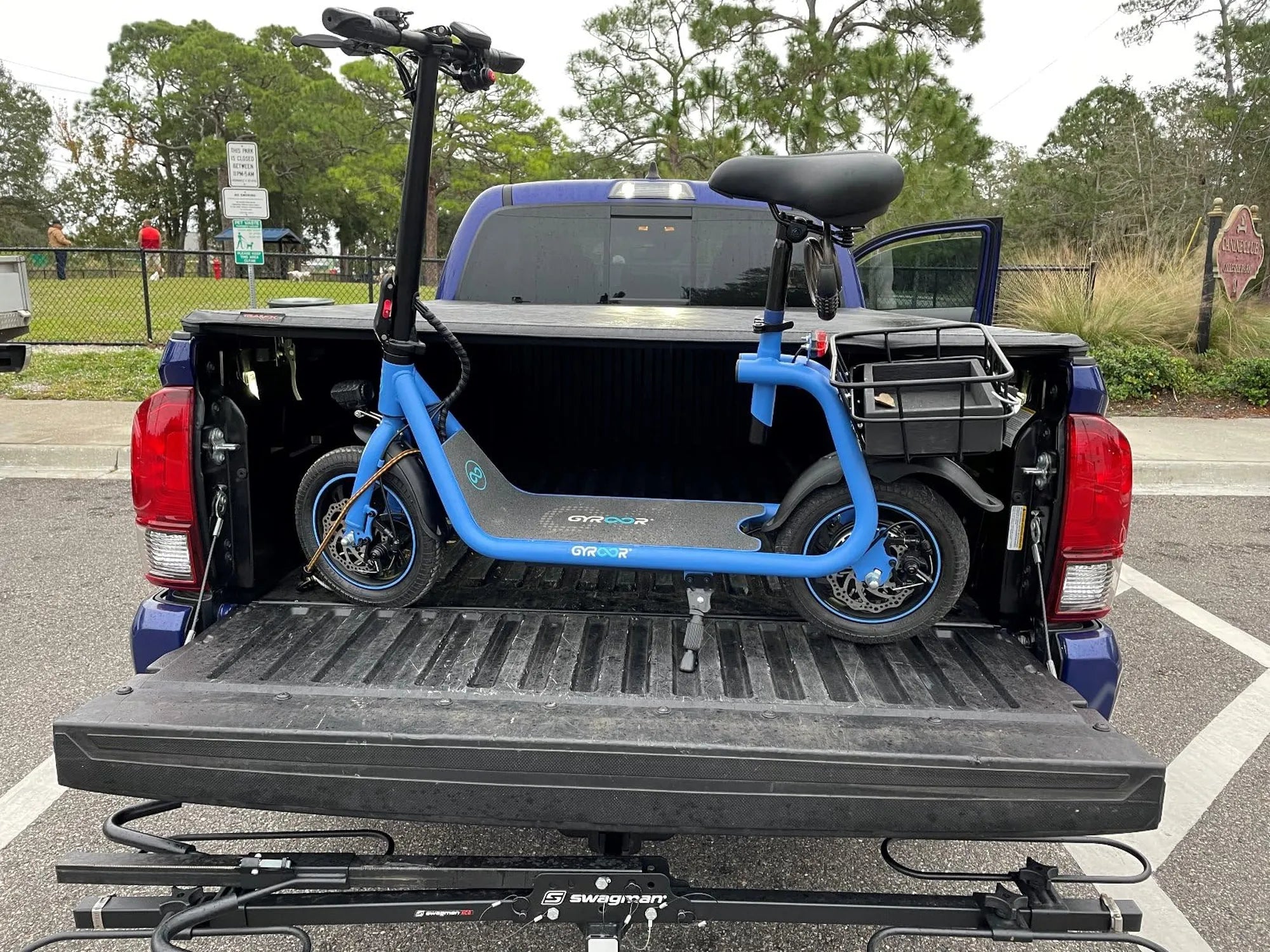
Introduction: Portsmouth's Urban Mobility Revolution
The iconic streets of Portsmouth, from the cobblestones of Market Square to the scenic paths along the Piscataqua River, are witnessing a quiet revolution. A perfect storm of chronic parking shortages, seasonal tourist congestion, and a growing commitment to sustainability is fueling a rapid shift toward micro-mobility. At the forefront of this change are electric scooters, offering a nimble, efficient, and enjoyable alternative to the car for short urban trips.
This article explores why Electric Scooters in Portsmouth: The Future of Urban Mobility is not just a catchy phrase but a tangible reality. We will analyze the specific challenges of getting around the Port City and demonstrate how a personal electric scooter can solve them. We'll provide a detailed, data-driven buyer's guide tailored to Portsmouth's hills, weather, and infrastructure, and outline the crucial laws and safety practices every rider must know.
Leading this shift are trusted personal mobility brands like Gyroor, a manufacturer known for its UL-certified battery safety and robust, water-resistant designs trusted by over 100,000 riders. Unlike fleeting rental fleets, owning a reliable e-scooter provides a consistent, cost-effective key to unlocking the city. The future of urban mobility in Portsmouth is electric, personal, and on two wheels.
The State of Commuting in Portsmouth: Challenges and Opportunities
Portsmouth's charm is also the source of its transit woes. The compact, historic downtown, with its narrow streets and limited physical space, creates a severe parking deficit. Drivers can spend 15-20 minutes circling for a spot, especially during summer weekends or holiday events. The daily congestion on arteries like the Route 1 Bypass and the Route 16 approach to the bridges is a well-known frustration for commuters.
Simultaneously, the city has made significant investments in walkability and sustainability, with a network of bike lanes and shared-use paths expanding along the waterfront and key corridors. The city's Master Plan explicitly supports alternative transportation to reduce vehicle miles traveled and improve air quality—a critical concern for a coastal community. This creates a unique opportunity: the infrastructure for micro-mobility is growing, but the parking and congestion pain points persist.
For the average resident or worker, a trip from the West End to downtown offices, or from the South End to Prescott Park for an evening show, is often just 1-3 miles—a distance perfectly suited for an electric scooter. The opportunity lies in bypassing traffic, eliminating parking fees and stress, and seamlessly connecting to other transit modes, like the COAST bus or the Downeaster train, for a truly multi-modal commute.
Why Electric Scooters Are Gaining Traction in Portsmouth
The adoption of electric scooters in Portsmouth is driven by concrete benefits that directly address local problems. First is sheer time efficiency. A scooter can navigate stalled traffic and take direct routes, turning a 20-minute crawl into a 7-minute breeze. This efficiency is compounded by dramatic cost savings. Compared to car ownership (fuel, insurance, maintenance) or even daily parking fees, the cost-per-mile of an e-scooter is negligible.
Environmental impact is a major motivator in a community attuned to its coastal environment. Electric scooters produce zero tailpipe emissions, contributing to cleaner air in the dense downtown core and aligning with personal and municipal sustainability goals. For businesses, they offer employees and customers a green last-mile solution.
Beyond practicality, e-scooters enhance the experience of the city. They enable spontaneous exploration—zipping from one brewery to another in the West End, or enjoying a scenic ride along the harbor walk without breaking a sweat. This blend of utility, economy, sustainability, and fun solidifies the role of Electric Scooters in Portsmouth as a cornerstone of modern urban mobility.
Navigating Portsmouth's Terrain: What to Look for in an E-Scooter
Not all electric scooters are created equal for Portsmouth's specific environment. Choosing the right model requires matching specifications to the city's hills, weather, and storage realities. This buyer's guide focuses on the key metrics that matter most on the Seacoast.
Battery Range & Hill Climbing Power
Portsmouth's topography, with inclines like Congress Street and the approach to the South End, demands a scooter with ample torque. Look for a continuous motor power of at least 350 watts; 500 watts or more provides confident climbing ability. Battery range is equally critical. A minimum real-world range of 15 miles is advisable to handle a round trip from, say, the Fox Run Mall area to downtown and back, with power to spare.
Battery safety and longevity are paramount. Gyroor models utilize UL-certified battery packs, rigorously tested for over 500 charge cycles. This certification ensures protection against overheating and short-circuiting, providing peace of mind for daily charging in homes and apartments—a crucial consideration for electric scooters in Portsmouth where reliable performance is non-negotiable.
Portability & Storage
The ability to fold and carry your scooter is a major advantage. It allows for easy storage in a compact apartment, under a desk at work, or in the trunk of a car for multi-modal trips. Weight is a key factor; models under 40 pounds are manageable for most adults to carry up a flight of stairs. This portability transforms the scooter from a vehicle into a truly personal accessory, essential for navigating Portsmouth's mixed-use daily life.
Durability for Coastal Conditions
Coastal living means exposure to moisture, from morning fog and sudden rain showers to road spray and winter salt. A scooter's build quality and ingress protection (IP) rating are therefore critical. A rating of IPX5, like those found on Gyroor scooters, means the unit can withstand water jets from any direction, making it resilient against wet roads and puddles.
Robust construction with a sturdy deck and reliable braking system (disc brakes are ideal) is necessary to handle the occasional pothole or uneven historic pavement. Investing in a scooter built for these conditions ensures longevity and reliability, making it a practical choice for year-round use in Portsmouth's variable climate.
Gyroor Scooters: Engineered for Portsmouth's Demands
Gyroor's lineup is designed with the demands of real-world urban commuting in mind, making several models particularly well-suited for Portsmouth. The brand's commitment to safety (UL-certified batteries), durability (IPX5 water resistance), and rider support (1-year warranty) aligns perfectly with the need for a dependable personal transport solution.
The following comparison table highlights how different Gyroor models cater to various user profiles in the Portsmouth area.
| Model | Motor Power | Max Range | Weight | Key Features for Portsmouth |
|---|---|---|---|---|
| Gyroor C1 | 350W | 18 miles | 33 lbs | Ultra-portable, one-step folding. Perfect for combining with bus/train or for easy apartment storage. Handles flat to moderate hills. |
| Gyroor S1 | 500W | 25 miles | 38 lbs | Ideal commuter. Powerful motor for city hills, ample range for extended exploration. IPX5 rating for weather resistance. |
| Gyroor X1 | 600W | 28 miles | 42 lbs | High-performance option. Dual suspension for a smooth ride on brick and uneven surfaces, superior hill-climbing for all city routes. |
For the student or professional with a multi-modal commute, the C1's light weight is a major benefit. The S1 strikes an excellent balance for the daily commuter needing reliable power and range. For those seeking maximum comfort and performance for longer rides across the city, the X1's suspension and power are unmatched. Each model shares the core Gyroor advantages of battery safety and water resistance, making any choice a resilient fit for electric scooters in Portsmouth as a long-term mobility strategy.
Riding Smart: Portsmouth's E-Scooter Laws & Safety Tips
Responsible riding ensures the positive growth of micro-mobility in Portsmouth. While state law governs much of e-scooter use, local ordinances and common sense are vital. In New Hampshire, electric scooters are typically treated similarly to bicycles. They are generally not permitted on sidewalks where business is conducted (like downtown Market Square) and should be ridden in bike lanes or on the road, obeying all traffic signals.
Safety Gear is Non-Negotiable: Always wear a helmet. Consider additional visibility gear like reflective clothing or lights, especially during Portsmouth's shorter winter days. Use the scooter's built-in lights at all times.
Parking Etiquette: When parking your personal scooter, never block sidewalks, ramps, building entrances, or access points. Use bicycle racks when available. The goal is to be invisible—to not impede pedestrian flow, especially in high-foot-traffic historic areas.
Road Awareness: Be hyper-aware of parked cars (dooring risk), pedestrians, and other road users. Signal your intentions. Adjust your speed to conditions; slow down in crowded areas like Prescott Park during festival times. Riding predictably and courteously fosters community acceptance and is essential for the future of Electric Scooters in Portsmouth.
The Future on Two Wheels: E-Scooters and Portsmouth's Sustainable Vision
The integration of personal electric scooters dovetails seamlessly with Portsmouth's forward-looking urban planning. By taking cars off the road for short trips, e-scooters directly reduce traffic congestion and carbon emissions, supporting the city's climate action goals. They also alleviate pressure on the limited parking infrastructure, potentially freeing up space for more vibrant public plazas or green areas.
While rental scooter fleets have generated debate in other cities, personal ownership of high-quality, reliable models offers a distinct path. It encourages responsible, long-term use, proper maintenance, and mindful parking, as the rider has a direct investment in the vehicle. This model complements the city's existing bike-share program by providing another layer of flexible, on-demand mobility.
Looking ahead, the potential for dedicated micro-mobility lanes and secure parking hubs could further encourage adoption. As more residents and visitors choose scooters for daily trips, Portsmouth can solidify its reputation not just as a historic seaport, but as a smart, sustainable, and accessible city for the 21st century. The vision for electric scooters in Portsmouth is one of a cleaner, quieter, and more connected urban core.
FAQ: Your Electric Scooter Questions, Answered
Q: Are electric scooters legal on Portsmouth sidewalks and in Prescott Park?
A> New Hampshire law and typical city ordinances prohibit motorized vehicles on sidewalks in business districts. In Prescott Park and other pedestrian-heavy areas, you should dismount and walk your scooter. Ride in the street (where the speed limit is 30mph or less) or in designated bike lanes.
Q: How far can a typical e-scooter go on a single charge around Portsmouth?
A> Most commuter-focused models offer 15-30 miles of real-world range. This is more than sufficient for multiple round trips within the city. For example, a trip from the Portsmouth Traffic Circle to Strawbery Banke is about 3 miles round trip, allowing for many journeys on one charge.
Q: Can I ride my e-scooter on rainy days or near the waterfront?
A> Yes, if your scooter has an adequate water resistance rating (IPX5 or higher, like Gyroor models). This protects it from water spray and puddles. However, avoid riding through deep standing water or during heavy downpours. Always dry your scooter after a wet ride, especially in salty coastal conditions.
Q: Where is the best place to store and charge my scooter in a Portsmouth apartment?
A> Store it in a dry, temperature-stable area away from direct heat sources or blocking exits. Use the manufacturer-provided charger only, and do not leave it charging unattended for extended periods. The UL-certification on Gyroor batteries provides an added layer of safety for indoor charging.
Q: How do I maintain my e-scooter for New England winters?
A> Regularly check tire pressure and brake function. Wipe down the scooter after riding on salted roads to prevent corrosion. Store the battery indoors in extreme cold, as lithium-ion batteries lose efficiency and can be damaged in sub-freezing temperatures. Consider reduced range in colder weather.
Conclusion: Your Key to Unlocking Portsmouth
The evidence is compelling: Electric Scooters in Portsmouth: The Future of Urban Mobility is a present-day reality. They offer a direct, practical solution to the city's most persistent transportation headaches while aligning with its sustainable ambitions. By choosing a scooter built for durability, safety, and performance—like those from Gyroor with their UL-certified batteries and weather-ready designs—you invest in more than a vehicle; you invest in freedom.
You gain the freedom to move through the city on your own terms, to rediscover its charm from a new perspective, and to contribute to a less congested, greener future for the Seacoast. The shift is happening. The only question is when you'll join the thousands of riders who have already made the switch.
Ready to transform your commute and explore Portsmouth in a whole new way? Browse the full Gyroor collection of reliable, safety-certified electric scooters and e-bikes at gyroorboard.com.
2000w Electric Scooters That Are Legal on the Road: The Ultimate Guide
Are Electric Scooters Legal in Queensland? A Complete Guide to Rules & Riding