



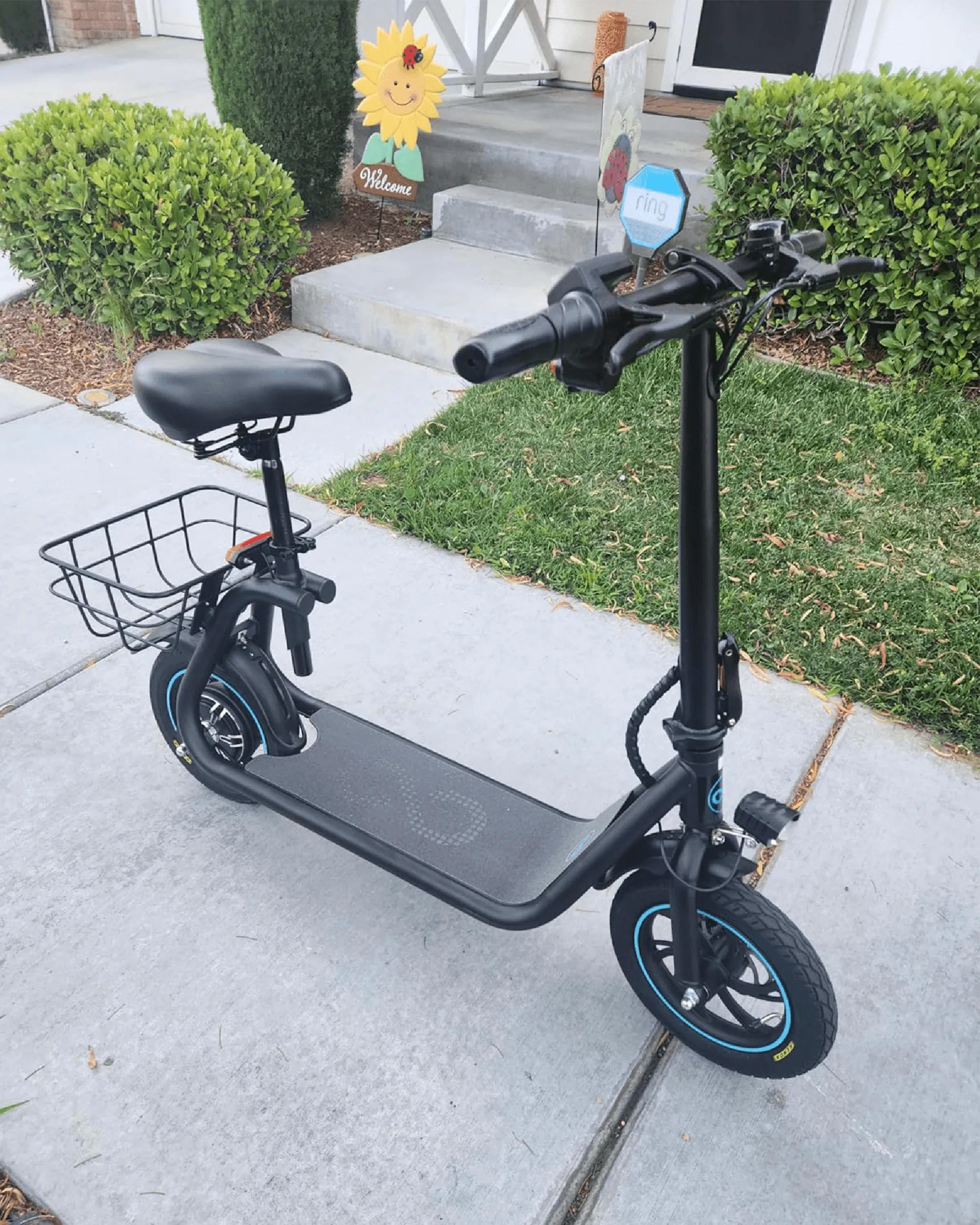
Introduction: The Sudden Stop on Philadelphia Streets
The familiar sight of electric scooters clustered on street corners and the sound of their quiet whir along bike lanes have vanished from Philadelphia. In a sudden shift, the city's once-bustling scooter-share programs have come to a complete standstill, leaving commuters and visitors searching for answers. The question on everyone's mind is clear: Electric Scooters Stall in Philadelphia: What’s Behind the Sudden Halt? This operational pause is not a simple story of failure but a complex intermission driven by regulation, public safety debates, and business realities.
This article provides a comprehensive investigation into the multifaceted reasons for the halt. We will dissect the city's pilot program structure, the core challenges of safety and infrastructure, and the economic pressures on operators. For riders affected by this change, we outline practical alternatives and explore how the trend towards personal ownership, exemplified by brands like Gyroor, offers a new path forward for reliable urban mobility.
The Regulatory Roadblock: Understanding Philadelphia's Pilot Program
Philadelphia's relationship with shared electric scooters was always provisional, governed by a tightly controlled pilot program launched by the Office of Transportation, Infrastructure, and Sustainability (OTIS). This was not a permanent integration but a time-bound experiment designed to gather data on safety, usage, and community impact. The program authorized a limited number of operators to deploy a capped fleet, with strict rules on where and how they could operate.
The pilot mandated key provisions that shaped the scooter ecosystem. These included geofencing to create no-ride zones in certain areas, required parking corrals to reduce sidewalk clutter, and equity mandates ensuring a percentage of scooters were distributed in underserved neighborhoods beyond the Center City core. Operators were also required to share detailed trip data with the city, providing insights into travel patterns and potential infrastructure needs.
The expiration of this pilot program and the subsequent gap in authorization is the immediate, administrative cause of the current stall. The city entered an evaluation period, pausing operations to assess the collected data before deciding on the future framework for scooter sharing. This deliberate pause, while frustrating for users, is a standard step in municipal micromobility policy, allowing regulators to refine rules based on real-world evidence.
Key Players and the Permit Cycle
The pilot featured major industry operators, including Spin and Lime, who deployed thousands of scooters across designated zones. Their participation was contingent on annual permits, creating a cycle of application, operation, and review. The halt occurred when the existing permits lapsed and the city did not immediately issue new ones, creating a regulatory vacuum.
This cycle underscores that the stall is primarily a planned hiatus for assessment, not an outright permanent ban. The city is weighing the pilot's outcomes against its goals for equitable transportation, safety, and orderly public spaces. The decision on when—or if—scooters return will hinge on this evaluation and the operators' ability to propose solutions to the challenges identified during the pilot phase.
Beyond Permits: The Core Challenges Facing Scooter Share
While the permit cycle triggered the halt, deeper, systemic issues are under the microscope during this city evaluation. These challenges represent the fundamental friction points between rapid technological deployment and established urban governance, determining the viability of any future program.
The city's assessment is reportedly focused on several critical areas: rider and pedestrian safety, infrastructure adequacy, compliance with parking rules, and success in meeting equity benchmarks. Each of these areas presented significant hurdles during the pilot, fueling public debate and administrative concern. Solving them is key to any sustainable return.
Safety and Infrastructure Concerns
Public safety emerged as a paramount concern. Data from hospital studies and city reports indicated a notable number of scooter-related injuries, ranging from minor falls to more serious collisions. A core issue was the conflict zone created by mixing scooters traveling at 15-20 mph with pedestrians on crowded sidewalks and vehicles in traffic lanes.
Philadelphia's infrastructure was not originally designed for this new mode of transport. The lack of a comprehensive, connected network of protected bike and micromobility lanes forced riders to choose between unsafe interactions with cars or encroaching on pedestrian spaces. This infrastructure gap is a city-wide challenge that no scooter operator alone can solve, placing the onus on municipal planning and investment.
Clutter and Compliance: The Geofencing Dilemma
Improperly parked scooters blocking sidewalks, ADA ramps, and building entrances became a major source of public complaint. Despite geofencing technology designed to create virtual parking corrals and no-parking zones, compliance was inconsistent. Riders often ended trips in the most convenient spot, not the designated one.
Enforcing parking rules proved difficult for operators. The logistical and cost challenge of constantly rebalancing fleets and correcting improperly parked units was immense. This "clutter" perception significantly eroded public and political goodwill, framing scooters less as a transportation solution and more as a nuisance or hazard for vulnerable pedestrians.
Equity and Access: Serving All Neighborhoods
The city's equity mandate required operators to distribute scooters across a wider geographic area, including lower-income neighborhoods. While well-intentioned, this presented operational and economic hurdles. Charging and redistribution logistics are more complex and costly in areas with lower trip density and different street layouts.
Ensuring reliable, available service in these zones often conflicted with the economic model of scooter-share, which thrives on high turnover in dense urban corridors. The struggle to meet these equity goals effectively highlighted the tension between a public policy objective and a private company's operational efficiency and profitability metrics.
The Operator's Perspective: Costs, Vandalism, and Theft
From the business side, operating in Philadelphia presented steep challenges that impacted sustainability. The scooter-share model involves immense operational expenditure (OpEx), including nightly charging, redistribution via trucks, and constant repair and maintenance. In a dense, competitive environment like Philadelphia, these costs are high.
Vandalism and theft were particularly acute problems, directly attacking the balance sheet. Scooters were found damaged, thrown into rivers, or stripped for parts. Theft rates in some urban areas can render a scooter economically unviable in a matter of months. This misuse shortens vehicle lifespan, increases replacement costs, and diverts resources from service improvement.
When combined with the fees and requirements of the city permit, the profitability window narrowed significantly. The pilot's pause allows operators to reassess whether the Philadelphia market, under the existing or future regulatory framework, can support a financially sustainable operation, or if the costs of compliance and loss mitigation are simply too great.
What Riders Can Do Now: Alternatives and Advocacy
For Philadelphia residents and visitors who relied on scooters for last-mile connections or casual trips, the halt necessitates a shift. Several established alternatives remain active. The Indego bike-share system offers both classic and electric-assist bicycles across a wide station network. Traditional ride-hailing and taxi services fill certain gaps, while public transit (SEPTA) remains the backbone of city mobility.
For those wishing to advocate for the responsible return of shared scooters, engaging with the official city process is crucial. The Office of Transportation, Infrastructure, and Sustainability (OTIS) solicits public feedback. Attending relevant city council meetings or transportation committee hearings where micromobility is discussed ensures rider perspectives are part of the policy conversation.
The Rise of Personal E-Scooter Ownership
A significant trend emerging from the instability of shared fleets is the growth in personal electric scooter ownership. Riders are investing in their own vehicles to guarantee availability, customize their ride, and avoid per-minute fees. Ownership shifts the dynamic from being a user of a transient service to being the steward of a personal mobility asset.
When choosing a personal scooter for a city like Philadelphia, key features become critical. Durability to handle varied pavement conditions, a water-resistant rating for rain, a reliable battery with safety certifications, and sufficient range for daily commutes are non-negotiable. This move towards ownership prioritizes long-term reliability and performance over short-term convenience.
Gyroor: Engineered for Reliability, Wherever You Ride
For riders transitioning to personal ownership, the market offers a range of choices. Gyroor, a leading electric scooter and e-bike brand trusted by over 100,000 riders across North America and Europe, designs its products with the exact challenges of urban commuting in mind. In a context where shared scooters have stalled due to durability and safety concerns, personal ownership of a well-engineered vehicle provides a dependable solution.
Gyroor's philosophy centers on building robust, safe, and high-performance personal mobility devices that empower riders to navigate their cities on their own terms. The brand's focus on UL-certified safety, resilient construction, and strong warranty support directly addresses the pain points experienced in the shared scooter ecosystem.
Built for Urban Demands: UL-Certified Safety and IPX5 Resilience
Addressing the core safety concerns that cities like Philadelphia scrutinize, Gyroor equips its scooters with UL-certified lithium-ion battery packs. This certification involves rigorous testing for overcharge, short circuit, and thermal stability, significantly mitigating the fire risk that has plagued some micromobility devices and is a major concern for municipal regulators.
Furthermore, Gyroor models feature IPX5 water-resistant ratings. This engineering ensures critical components are protected against water jets from any direction, making them capable of handling sudden Philadelphia rain showers or wet streets. This resilience stands in stark contrast to many shared scooters, which can become unreliable or hazardous in wet conditions, enhancing both safety and ride reliability.
Peace of Mind on Every Journey: The Gyroor Warranty Promise
In the uncertain climate of shared mobility, Gyroor offers clarity and commitment through a robust 1-year comprehensive warranty backed by US-based customer support. This warranty covers key components, providing peace of mind that is absent when using a shared fleet vehicle with unknown maintenance history and no long-term accountability.
This promise reflects a dedication to product integrity and rider trust. It transforms the scooter from a disposable commodity into a reliable personal transportation tool, aligning with the needs of commuters who can no longer depend on the fluctuating availability of shared programs.
Navigating the Options: Personal Scooter Comparison
Choosing the right personal scooter depends on your specific commute and needs. The table below compares key specifications for different urban use cases, highlighting how features address common Philadelphia commuting challenges.
| Use Case & Model Type | Key Features for Philly Commutes | Typical Range | Why It's a Fit |
|---|---|---|---|
|
Short Urban Hops (Compact Folding Scooter) |
Lightweight, quick fold, IPX5 rating | 10-15 miles | Perfect for mixed-mode commutes (e.g., scooter to SEPTA). Easy to carry and store indoors, avoiding theft. |
|
Standard City Commuter (Mid-Range Commuter Scooter) |
UL-certified battery, suspension, brighter lights | 18-25 miles | Handles varied pavement with suspension. Safety-certified battery addresses city regulators' top concern. Range covers most intra-city trips. |
|
Long-Distance & Hill Performance (Performance E-Scooter) |
Dual motors, extended range battery, hydraulic brakes | 30+ miles | Tackles Philadelphia's hills with ease. Extended range eliminates range anxiety for longer commutes or full-day use. |
FAQ: Your Questions About Philly's Scooter Pause, Answered
Q: Will shared electric scooters come back to Philadelphia?
A> It is likely, but not guaranteed. Their return depends on the city's evaluation of the pilot data and the willingness of operators to bid under a new, potentially stricter permit program. Any return would involve revised rules addressing safety, parking, and equity.
Q: Is it legal to ride my own personal e-scooter in Philadelphia now?
A> Yes. The halt applies only to commercial, dockless scooter-share programs. Personal electric scooter ownership and use on public roads is legal. Riders should follow local traffic laws, which typically require riding in the street (not on sidewalks), using bike lanes where available, and wearing a helmet.
Q: What was the single biggest reason for the sudden halt?
A> The direct cause was the expiration of the city's pilot program and the administrative decision to pause operations before launching a new permit process. The underlying reasons are multifaceted, including safety data review, public complaints about clutter, and the city's need to assess equity outcomes.
Q: How can I give official feedback to the city about scooters?
A> You can contact the Philadelphia Office of Transportation, Infrastructure, and Sustainability (OTIS) directly via their website or email. Monitor city council agendas for public comment sessions on transportation issues. Your input as a resident or rider is valuable data for their decision-making.
Q: If I buy my own scooter, what are the most important features for Philadelphia?
A> Prioritize safety certifications (UL for the battery), durability (good suspension, robust frame), water resistance (IPX5 or higher), and sufficient range for your daily needs. These features ensure reliability, safety in variable weather, and longevity on city streets.
Conclusion: The Path Forward for Micromobility in Philadelphia
The stall of shared electric scooters in Philadelphia is a pivotal moment for urban transportation. It represents the growing pains of integrating new technology into the complex fabric of city life. This pause, while disruptive, provides an essential opportunity for reflection, data analysis, and strategic planning. The future may hold a more mature, better-regulated shared program that learns from past challenges, or it may accelerate the shift towards personally owned, high-quality micromobility vehicles.
For the individual commuter, this evolution underscores the value of reliability and ownership. As cities grapple with the best frameworks for shared mobility, taking control of your daily travel with a personally owned, well-engineered electric scooter offers a dependable path forward. It provides the freedom of micromobility without the uncertainty of permit cycles and fleet availability.
Explore how a purpose-built personal scooter can transform your Philadelphia commute. Browse the full Gyroor collection, featuring UL-certified, water-resistant models designed for urban resilience, at gyroorboard.com.
Electric Scooters That Go 70 MPH: The Future of High-Speed Urban Mobility
Most Popular Electric Scooters: The Ultimate Guide to Choosing the Best Ride