



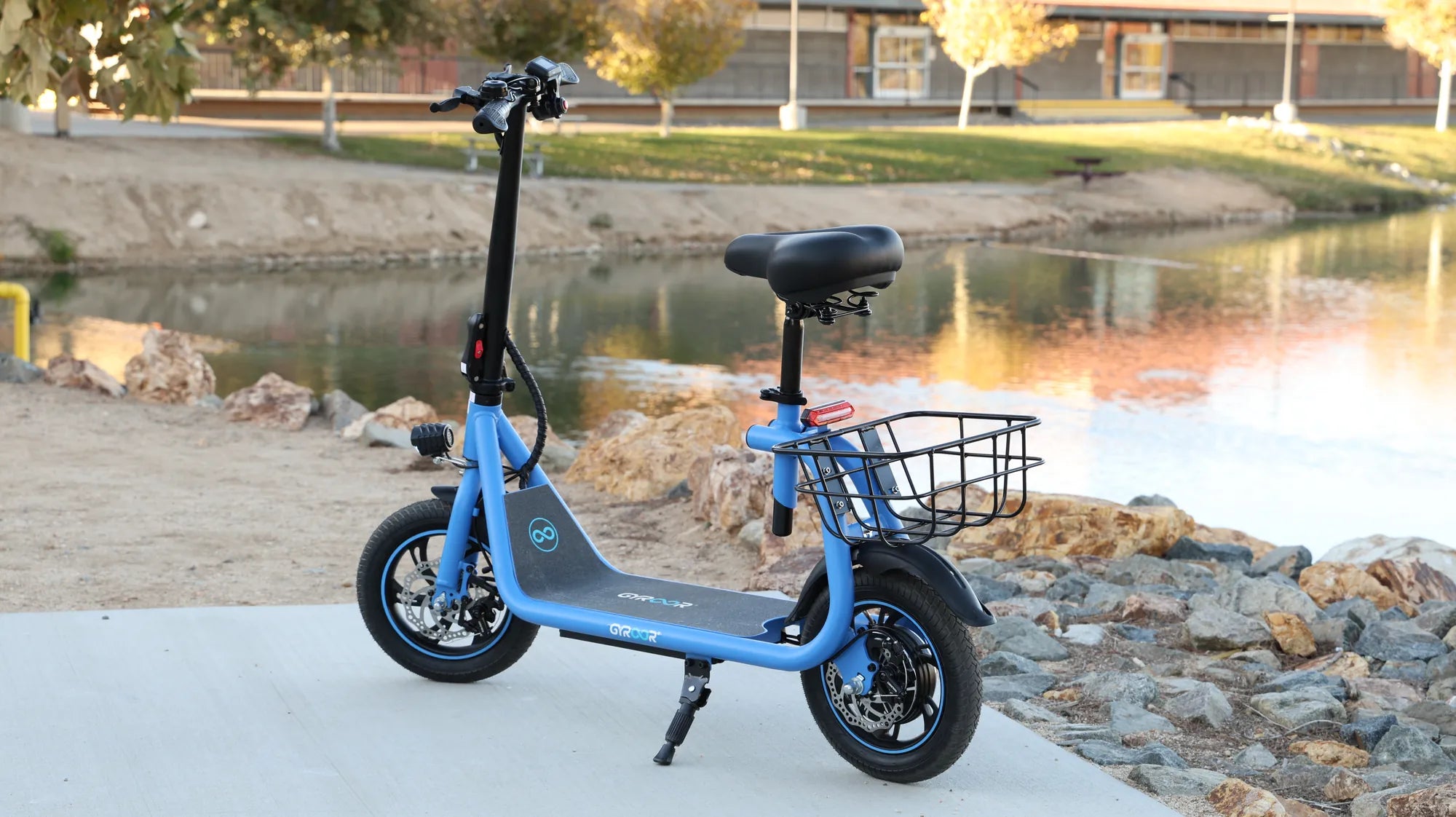
Navigating the World of Electric Scooters
Choosing an electric scooter can feel overwhelming. The market is flooded with options, each promising superior range, speed, and value. This guide exists to transform confusion into clarity. We will dissect the metrics of popularity, segment scooters by genuine use case, and provide the tools to make an informed decision that prioritizes your safety and riding experience.
Forget chasing fleeting trends. The goal is to identify a scooter that delivers reliable performance where it matters most to you—whether that's a daily commute, weekend adventures, or seamless last-mile connectivity. This article is your data-driven roadmap to finding that perfect ride. We'll explore what features truly matter and why some brands earn lasting trust from over 100,000 riders.
What Makes an Electric Scooter "Popular"? Beyond Hype
True popularity in the electric scooter market is a composite metric, not a simple sales figure. It reflects a model's ability to consistently satisfy users across several critical dimensions. A scooter that sells well but garners poor reviews for reliability is not popular—it's merely well-marketed. Sustained popularity is earned through performance, safety, and durability.
We define popularity through four key indicators: verified sales data across multiple regions, aggregated user review scores (aiming for 4.5/5 or higher), professional media and third-party tester endorsements, and positive sentiment in rider communities and forums. When these align, you have a product that has proven itself beyond its initial advertisement.
Key Factors Driving Scooter Popularity
Several concrete attributes directly influence a scooter's rise to prominence. Range is paramount, but the critical distinction is between manufacturer-claimed range and real-world tested results. Riders prioritize models that deliver consistent mileage under typical urban conditions (hills, stop-and-go traffic).
Motor power, measured in watts, determines acceleration and hill-climbing ability. Portability, defined by foldability design and overall weight, is a major factor for commuters. Build quality—encompassing frame material, weld integrity, and component feel—directly impacts longevity. Finally, a brand's reputation for responsive customer support and honoring warranties is a decisive factor for long-term satisfaction.
Breaking Down the Top Contenders: Categories of Popular E-Scooters
The search for the "best" electric scooter is meaningless without context. The optimal choice is entirely dependent on the rider's primary use case. Therefore, we segment the market into logical categories based on core functionality. This approach moves you closer to a personalized recommendation than any simple ranked list ever could.
Understanding these categories helps you allocate your budget effectively. Investing in excessive off-road capability for purely urban use is inefficient, just as opting for a ultra-portable model for long-range touring will lead to frustration. Let's define the primary rider profiles and the scooters built for them.
Best for Commuting & Urban Navigation
The urban commuter's scooter is a tool for reliable, daily transportation. Key features include a real-world range of 15-25 miles to cover round trips without range anxiety, a robust suspension system (often spring or hydraulic) to absorb the impact of potholes and uneven pavement, and comprehensive lighting (front, rear, and deck) for visibility.
Water resistance is non-negotiable. An IPX5 rating, which protects against water jets from any direction, allows riders to confidently navigate wet streets or encounter unexpected rain. Portability remains important, with a focus on a secure, one-step folding mechanism and a weight manageable for carrying up stairs or onto transit. Brands like Gyroor design commuter models with these exact priorities, combining UL-certified batteries with IPX5-rated construction for all-weather practicality.
Best for Performance & Off-Road Adventure
This category is defined by power and durability. Performance scooters feature dual motor configurations for exceptional torque and acceleration, with top speeds often exceeding 30 mph. They are built with long-travel suspension systems (sometimes front and rear) and large, air-filled tires (often 10 inches or more) to handle trails, gravel, and rough terrain.
The trade-offs are significant: these scooters are heavier (frequently 65+ lbs), less portable due to their size and rigid construction, and have shorter range per charge when utilizing their full power. They represent a dedicated machine for enthusiasts and adventurers, where the riding experience itself is the primary goal.
Best for Portability & Last-Mile Solutions
For riders who combine scooters with buses, trains, or subways, or who have limited storage space, portability is the supreme factor. These models prioritize minimal weight (ideally under 30 lbs) and a compact, fast-folding design that allows them to be carried comfortably and stored under a desk or in a closet.
They often feature smaller wheels (8-8.5 inches) and single motor setups, which caps their top speed and range compared to larger models. The engineering challenge is to maximize durability and ride comfort within these strict size and weight constraints. The best in this category offer a surprising level of performance without sacrificing their core convenience.
Best for Budget-Conscious Riders
The entry-level market is where discernment is most critical. Popularity here hinges on delivering safe, core functionality at an accessible price point. The focus should be on reliable motors, a battery that delivers a consistent 10-15 mile range, and fundamental safety features.
It is essential to avoid models that cut costs on the most critical component: the battery. A UL-certification or equivalent independent safety standard is an absolute minimum requirement for any reputable budget scooter. Sacrificing this for a lower price introduces unacceptable risk. The best budget options prove that safety and value are not mutually exclusive.
The Gyroor Difference: Why Trust Matters in a Popular Scooter
Sustained popularity is built on trust, which is earned through transparent safety engineering and reliable long-term performance. Examining a brand like Gyroor, trusted by a community of over 100,000 riders, provides a clear case study in how these principles translate into product design and customer loyalty.
Their approach directly addresses the primary concerns that cause riders to abandon lesser brands: battery anxiety, weather vulnerability, and post-purchase support. By focusing on these pillars, they demonstrate how a scooter transitions from a popular purchase to a satisfying long-term ownership experience.
UL-Certified Batteries: The Non-Negotiable Safety Standard
The battery is the heart of an electric scooter and its greatest potential point of failure. UL certification means the battery pack has been independently tested by Underwriters Laboratories to rigorous standards for electrical, mechanical, and environmental safety. This testing drastically reduces the risk of thermal runaway, fire, or failure.
For a rider, this certification is not a luxury feature; it is a fundamental safety requirement. It provides peace of mind, whether the scooter is charging at home, stored in an apartment, or in use. Brands that prioritize this certification, like Gyroor with its 500+ cycle tested packs, build a foundation of trust that is critical for true, lasting popularity.
IPX5 Water Resistance: Practicality for Real-World Conditions
A scooter confined to perfectly dry days is of limited use for daily transportation. An IPX5 water resistance rating signifies a design that can withstand water jets from any direction. In practice, this means confidence when riding on damp roads, through puddles, or in light rain.
This feature directly expands the scooter's utility and reliability, making it a viable year-round transport option. It protects critical electronics from splash and spray, ensuring longevity and reducing maintenance issues. This practical engineering consideration is a hallmark of scooters designed for actual use, not just ideal conditions.
Warranty & Support: Protecting Your Investment
A comprehensive warranty is a brand's promise to stand behind its product. A clear 1-year warranty on the frame, motor, and battery demonstrates confidence in the scooter's durability. More importantly, accessible and responsive customer support transforms a warranty from text on a page into a real-world safety net.
This support protects the rider's financial investment and ensures that any issues are resolved promptly. It is this long-term relationship, not just the initial sale, that cultivates brand loyalty and generates the positive reviews and referrals that fuel genuine, organic popularity.
Your Essential Pre-Purchase Checklist
Before you commit to any model, work through this actionable checklist. It converts the insights from this guide into specific questions to ask, ensuring your final choice aligns perfectly with your needs.
- Primary Use: Is this for daily commuting, weekend recreation, short errands, or off-road adventure? Be specific about your most common trip.
- Key Specs Match: Does the real-world range cover your round-trip distance? Does the motor power (W) and weight capacity support your size and local hills? Is the top speed appropriate and legal for your area?
- Safety & Build Verification: Does the battery have UL (or equivalent) certification? What is the official IP rating for water resistance? Are the brakes (disc, drum, electronic regenerative) sufficient for the scooter's weight and speed?
- Practicalities: Check the folded dimensions against your storage space (car trunk, closet, under desk). Can you comfortably carry its weight up a flight of stairs? Have you reviewed your local laws regarding e-scooter use on roads, bike lanes, and sidewalks?
Head-to-Head: Popular Scooter Categories Compared
| Category | Ideal For | Key Features | Typical Range | Trade-offs |
|---|---|---|---|---|
| Urban Commuter | Daily city travel, work commute | IPX5+ rating, suspension, lights, foldable | 15-25 miles | Moderate speed, not for rough terrain |
| Performance/Off-Road | Trail riding, thrill-seekers | Dual motors, large tires, long-travel suspension | 20-40 miles (varies greatly) | Heavy, less portable, higher cost |
| Ultra-Portable | Mixed-mode transit, small storage | Lightweight (<30 lbs), compact fold | 10-18 miles | Smaller wheels, less comfort, lower speed |
| Budget-Friendly | First-time buyers, short trips | Core features, UL-certified battery | 10-15 miles | Basic components, limited upgrade paths |
Frequently Asked Questions (FAQs)
How important is water resistance really?
Extremely important for any scooter used as practical transportation. An IPX4 rating protects against splashes, but IPX5 is the recommended minimum for confidently riding on wet roads or in light rain, as it guarantees protection against sustained water jets. It directly impacts the scooter's versatility and longevity.
Can I ride an e-scooter in the rain?
With proper caution and appropriate equipment, yes. Ensure your scooter has a sufficient IP rating (IPX5 or higher is ideal). Reduce speed, avoid deep puddles that could submerge the deck, and use extra caution when braking as traction is reduced. Always dry the scooter after riding in wet conditions.
How long do e-scooter batteries typically last?
Battery lifespan is measured in charge cycles. A quality, UL-certified battery like those used by Gyroor is typically rated for 500+ full charge cycles while retaining 70-80% of its original capacity. With average use, this translates to 2-4 years of service. Proper care (avoiding full discharges, not leaving it at 100% charge for weeks) extends this lifespan.
Are popular scooters from online brands reliable?
They can be, but due diligence is key. Reliability is proven through long-term user reviews, clear warranty terms (at least 1 year), and, most importantly, independent safety certifications for the battery (UL, CE). Scrutinize the brand's customer support channels and reputation for honoring warranties before purchasing.
What maintenance does an electric scooter require?
Regular maintenance is minimal but crucial. Key tasks include checking and maintaining proper tire pressure (for air-filled tires), ensuring all bolts and fasteners are tight, regularly testing brake function and adjusting as needed, and keeping the scooter clean and dry. Periodically inspect the frame for any cracks or stress points.
Choosing Your Perfect Ride
The journey to finding your ideal electric scooter ends not with the most advertised model, but with the one that seamlessly integrates into your life. Use the checklist to align a scooter's capabilities with your specific routes, storage situation, and local climate. Prioritize verified safety features—especially battery certification—above all else.
This is an investment in freedom and mobility. By choosing a scooter from a trusted brand that values engineering integrity and customer support, you're investing in years of reliable service, not just a fleeting trend. Your perfect ride is the one that gets you where you need to go, safely and consistently, day after day.
Ready to explore a full range of scooters built with these principles? Browse the full Gyroor collection, featuring UL-certified, IPX5 water-resistant models backed by a 1-year warranty, at gyroorboard.com.
Electric Scooters Stall in Philadelphia: What’s Behind the Sudden Halt?
Best Electric Scooters Under $300 2025: Top Affordable Commuter Picks