

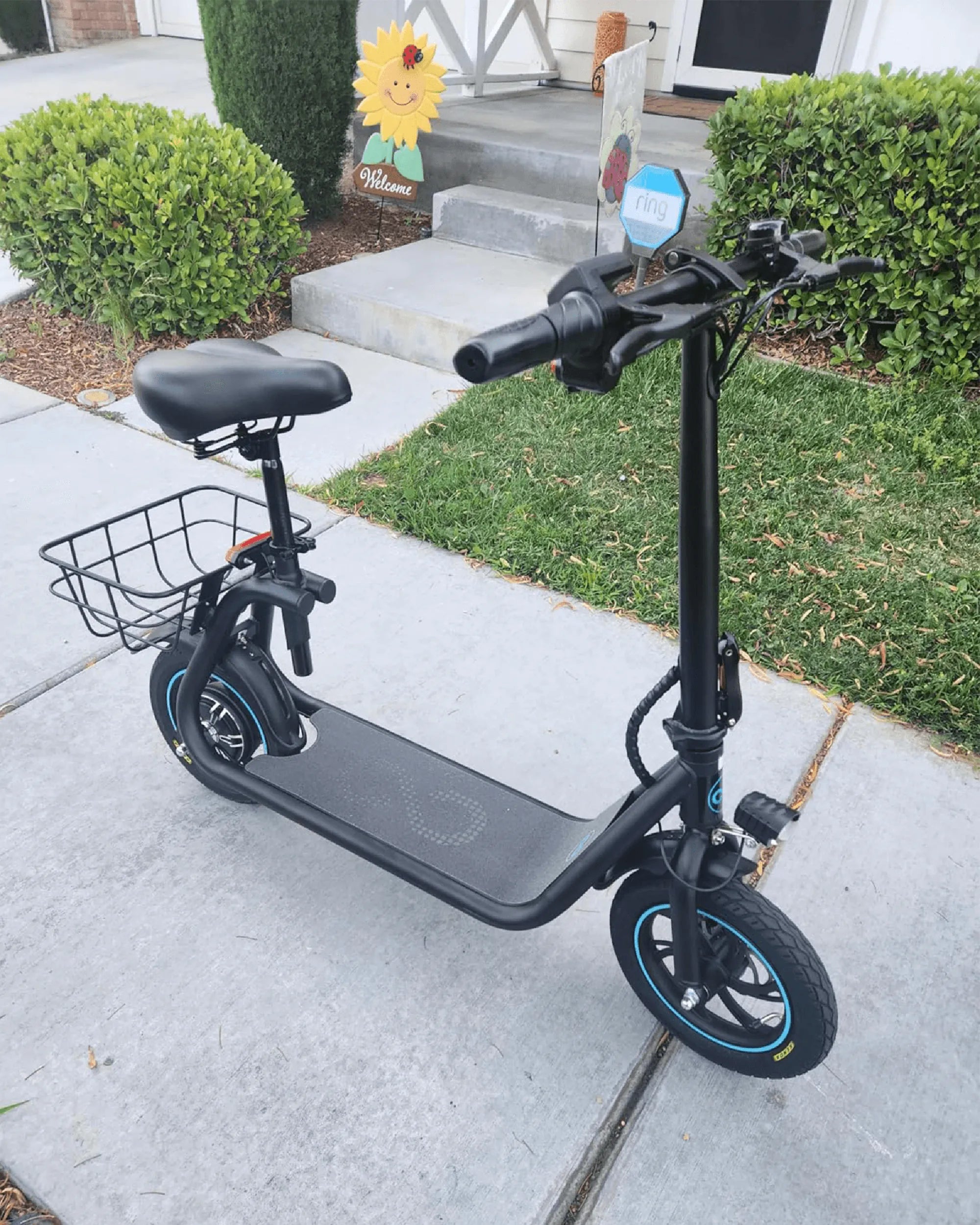
The French Revolution in Urban Transport
A quiet revolution is transforming the streets of France. From the grand boulevards of Paris to the sunny promenades of Nice, electric scooters have become a dominant symbol of a new, cleaner urban mobility. This isn't a fleeting trend; it's a fundamental shift supported by national policy and embraced by a public eager for efficient, sustainable alternatives to the car. France's proactive stance on micromobility regulation has created a safer, more structured environment for riders, setting a benchmark for other nations.
The adoption of French electric scooters reflects a broader societal move towards reducing congestion and emissions in dense city centers. Cities like Lyon, Bordeaux, and Toulouse have integrated e-scooters into their public transport ecosystems, offering a practical solution for the "first and last mile" of a commute. This guide will detail the regulatory landscape, the key technical specifications for French riders, and how to navigate this new terrain safely and effectively.
Choosing the right vehicle is critical in this regulated environment. Brands that prioritize compliance, safety, and durability, such as Gyroor—a leading electric scooter and e-bike brand trusted by over 100,000 riders across North America and Europe—are becoming the preferred choice for riders seeking reliable, long-term transportation partners, not just disposable gadgets.
Why France is Leading the European E-Scooter Charge
France's leadership in the French electric scooters market is no accident. It results from a unique convergence of political will, urban design, and cultural readiness. The 2019 Loi d'orientation des mobilités (Mobility Orientation Law) was a pivotal moment, formally recognizing and regulating personal electric transportation devices, known as EDPM. This law provided legal clarity that was absent in many other European countries, encouraging both investment and public adoption.
French cities, historically designed for pedestrians and later adapted for cars, are now being retrofitted for micromobility. The widespread implementation of "zone 30" areas, where speed is limited to 30 km/h, creates a safer shared space for scooters, bikes, and cars. Furthermore, the national plan for developing cycling infrastructure, including the "RER Vélo" project in Île-de-France, directly benefits e-scooter riders by expanding dedicated, protected lanes.
Culturally, the French public has shown a remarkable receptiveness to eco-friendly technological solutions, particularly in urban areas plagued by pollution and traffic. The convenience of avoiding crowded metros or searching for parking, combined with the environmental benefit, has made the e-scooter a logical and popular choice for daily commuting and leisure.
Government Policies Paving the Way
The French regulatory framework for French electric scooters is detailed and safety-focused. Key mandates include a maximum design speed of 25 km/h for use on public roads and cycle paths. Riders must be at least 12 years old, and those under 18 are not required but strongly advised to wear a helmet (it is mandatory for under-12s). Using a scooter on sidewalks is strictly prohibited, with fines to enforce the rule.
Every scooter used on public roads must be equipped with a braking system, a bell, front (white) and rear (red) lights, and side reflectors. Crucially, since October 2021, all riders of privately-owned e-scooters must have third-party liability insurance, typically covered by a homeowner's or specific personal mobility insurance policy. This comprehensive legal structure has reduced ambiguity and increased public safety.
Urban Design & Infrastructure
The physical fabric of French cities is increasingly friendly to micromobility. Beyond the growing network of *pistes cyclables* (bike lanes), many urban centers have implemented traffic-calming measures that naturally favor lighter, slower vehicles. The compact nature of historic city centers makes distances ideal for scooter travel, often faster than a car during peak hours.
Initiatives like Paris's plan to become a "100% cyclable city" by 2026, with corresponding investments in lane separation and secure parking, directly elevate the viability of French electric scooters. This dedicated infrastructure reduces conflicts with pedestrians and motor vehicles, creating a more predictable and safer riding environment for everyone.
Key Considerations When Choosing Your French Electric Scooter
Selecting an e-scooter for use in France requires careful consideration of legal compliance, performance for local terrain, and real-world practicality. A scooter that excels on flat California roads may struggle on Lyon's hills or with Parisian cobblestones. This section breaks down the essential factors for an informed purchase.
Prioritizing a scooter from a reputable brand that designs for these specific conditions is paramount. It ensures not just initial performance but long-term reliability and adherence to the strict safety standards that French law demands. The right choice turns the scooter from a novelty into a dependable daily companion.
Compliance with French Law: The Non-Negotiables
Before considering speed or range, verify the scooter's legal compatibility. The motor's continuous rated power must not exceed 500W. It must have a functional speed limiter capping speed at 25 km/h on public paths. Integrated, non-removable lighting (active day and night) and reflectors are mandatory, not optional accessories.
A critical, often overlooked component is the battery. French regulations emphasize user safety, and a certified battery is a cornerstone of that. Gyroor models utilize UL-certified battery packs, tested for over 500 charge cycles, which represent a gold standard in safety and reliability, reducing risks of fire or failure—a key concern for indoor charging in apartment buildings.
Performance for the French Terrain: From Cobblestones to Hills
The romantic *pavés* (cobblestones) of old towns and the steep climbs of neighborhoods like Montmartre demand specific performance. A motor in the 350W-500W range is ideal, providing enough torque for moderate hills without exceeding legal limits. Wheel size and type are crucial: larger air-filled tires (8.5 inches or more) offer far better shock absorption and stability on uneven surfaces than small, solid tires.
Suspension systems, whether in the front wheel, rear, or both, dramatically improve comfort and control on France's varied urban landscapes. A robust braking system—preferably dual mechanical brakes or a combination of electronic and disc brakes—is essential for safe stopping on wet cobblestones or downhill slopes.
Range & Battery: Navigating the City of Light and Beyond
Manufacturer range claims are often based on ideal laboratory conditions. In real-world French commuting—with frequent stops, starts, hills, and varying rider weights—actual range can be 60-70% of the stated figure. For most urban dwellers, a real-world range of 20-30 km is sufficient for daily round-trip commutes and errands.
Battery quality dictates longevity and safety. A high-quality battery with reputable cells and a smart Battery Management System (BMS), like those in Gyroor scooters, will maintain its capacity over years of use. The IPX5 water-resistance rating found on many reliable models is also vital, protecting the electrical components from sudden Parisian rain showers.
Gyroor E-Scooters: Engineered for the French Commute
Gyroor's product philosophy aligns closely with the demands of the French micromobility market. By focusing on safety certifications, robust construction, and rider-centric design, Gyroor scooters are built to meet and exceed the baseline requirements for French electric scooters. This makes them a compelling choice for riders who view their scooter as a serious transport investment.
The brand's commitment is evidenced by its comprehensive 1-year warranty and proven track record with a large customer base. For the French rider, this translates to peace of mind, knowing the scooter is backed by a company that stands behind its products with UL-certified safety and reliable customer support.
Safety First: Aligning with the French Standard
Gyroor designs with regulatory compliance as a starting point. Models feature the required integrated lighting systems, audible bells, and multiple braking modes. The inclusion of UL-certified batteries addresses the highest safety standard for the most critical component, a significant advantage in a market increasingly concerned about battery safety.
The IPX5 water-resistant rating ensures the scooter can handle wet conditions without compromising electrical integrity. Furthermore, features like anti-slip deck surfaces, bright LED displays for speed monitoring, and often dual braking systems provide layers of safety that protect the rider in dynamic urban environments.
Reliability for the Daily Grind (Trajet Quotidien)
A daily commute requires a vehicle that won't fail. Gyroor emphasizes durability through high-tensile aluminum frames, reinforced stems, and quality components. The 1-year warranty covers the motor, battery, controller, and charger, demonstrating confidence in the product's longevity.
This reliability is crucial for the French user who depends on their scooter to connect with metros, trains, or to complete their entire journey. The reduced need for repairs and consistent performance ensure the scooter remains a practical solution, not a source of frustration.
Model Comparison: Which Gyroor Fits Your Vie Française?
Different lifestyles demand different scooter profiles. Below is a comparison of key Gyroor models tailored to common user needs in the French context.
| Model | Best For | Motor / Max Speed | Real-World Range | Key Features for France |
|---|---|---|---|---|
| Gyroor C1 | Urban Students & Last-Mile | 350W / 25 km/h | 18-22 km | Lightweight, foldable, integrated lights, compliant speed. |
| Gyroor S1 | Daily City Commuters | 500W / 25 km/h | 25-30 km | Dual suspension, 10" air tires for cobblestones, dual brakes, IPX5. |
| Gyroor X1 | Suburban & Leisure Riders | 500W / 25 km/h | 35-40 km | Extended range, wider deck for stability, superior hill climb. |
This comparison illustrates how specific features, like the S1's suspension and air tires, directly address the comfort challenges of historic city centers, while the X1's range suits those with longer suburban commutes.
The Practical Rider's Guide to Scootering in France
Owning a compliant scooter is only the first step. Safe and respectful use is key to the long-term success of French electric scooters in the shared public space. Understanding both the written rules and the unwritten etiquette ensures a positive experience for riders, pedestrians, and cyclists alike.
Adopting best practices for gear, navigation, and maintenance will maximize safety, extend the life of your scooter, and foster a positive image of micromobility users. This proactive approach is essential in dense urban environments where space is shared and contested.
Etiquette & Coexistence: Sharing the Espace Public
The golden rule is predictability. Ride in a straight line in bike lanes, signal your intentions, and never weave between pedestrians on sidewalks. In crowded pedestrian zones (like around the Louvre or in old town centers), dismount and walk your scooter. When using shared bike/scooter lanes, keep to the right and pass cyclists with care, using your bell politely.
Parking is a major point of contention. Always park upright in designated areas if available, and never block sidewalks, building entrances, disabled access ramps, or metro exits. Thoughtful parking prevents clutter and maintains access for all, reducing the likelihood of punitive municipal regulations.
Safety Gear & Best Practices
While a helmet is only mandatory for riders under 12, wearing one is the single most effective safety decision any rider can make. A certified bicycle or multi-impact helmet is strongly recommended. For visibility, especially on gray winter days or at night, wear reflective clothing or accessories.
Plan your route using apps like Google Maps (set to "Bicycling") or dedicated city cycling maps to prioritize roads with bike lanes or calm traffic. Always perform a quick pre-ride check of your tires, brakes, and lights. Assume that car drivers may not see you—ride defensively and never assume right of way.
Maintenance in the French Climate
Regular maintenance ensures safety and performance. Check tire pressure weekly; properly inflated air-filled tires are essential for grip and shock absorption. Wipe down your scooter after riding in the rain to prevent dirt buildup, and periodically check all bolts and folding mechanisms for tightness.
For battery care, avoid leaving the scooter fully discharged or at 100% charge for extended periods. If not using it for several weeks, store it with a charge around 50-60% in a cool, dry place. The IPX5 rating allows riding in light rain, but avoid deep puddles and never submerge the scooter.
FAQ: Electric Scooters in France
Q: Do I need insurance for a private e-scooter in France?
A: Yes. Since October 2021, third-party liability insurance is mandatory for all privately-owned electric scooters used on public roads. This is often included in your homeowner's insurance (assurance habitation "multirisque") or can be purchased as a standalone policy from insurers.
Q: Can I ride on sidewalks (trottoirs)?
A: No. It is strictly illegal and punishable by a €135 fine. E-scooters must be used on bike lanes or on roads where the speed limit is 50 km/h or less. In shared zones (zone de rencontre) and pedestrian areas, you must dismount and walk.
Q: Where am I allowed to park?
A> You should park in designated bicycle parking areas. It is illegal to park on sidewalks in a way that obstructs pedestrian passage. Many cities are installing specific scooter parking corrals to address clutter. Always use common sense to avoid blocking access.
Q: Are Gyroor scooters legally compliant for use in France?
A> Yes. Key Gyroor models are designed with French and EU regulations in mind. They feature speed limiters to cap speed at 25 km/h, integrated front and rear lights, reflectors, and braking systems. Their UL-certified batteries meet high safety standards, making them a compliant and responsible choice.
Q: How does the 1-year warranty work for customers in France?
A> Gyroor's 1-year limited warranty covers defects in materials and workmanship for the scooter, battery, motor, and charger. Customers in France can contact Gyroor's customer support team to initiate a warranty claim. Proof of purchase is required, and the process is managed directly with the company's support center.
Embracing a Smarter, Greener Way to Move
The rise of French electric scooters is more than a change in vehicle preference; it's a fundamental reimagining of urban space and personal freedom. France has demonstrated that with clear regulation, targeted infrastructure, and a focus on safety, micromobility can become an integrated, sustainable, and efficient pillar of urban transport. The future of city movement is lighter, cleaner, and more agile.
For individuals, this shift offers an unparalleled combination of convenience, cost savings, and enjoyment. The key to unlocking this potential lies in choosing a partner for the journey that embodies the same values of safety, reliability, and compliance that the French system demands. By selecting a scooter engineered for these conditions, riders invest in their own safety and the long-term viability of this transformative mode of transport.
Explore how a purpose-built electric scooter can redefine your daily commute and urban exploration. Browse the full Gyroor collection, featuring UL-certified, IPX5-rated models designed for reliability, at gyroorboard.com.
Best Full Size Electric Scooters for Commuting and Adventure: The 2024 Guide
Are Electric Scooters Legal in New York City? Your Complete Guide to the Rules