



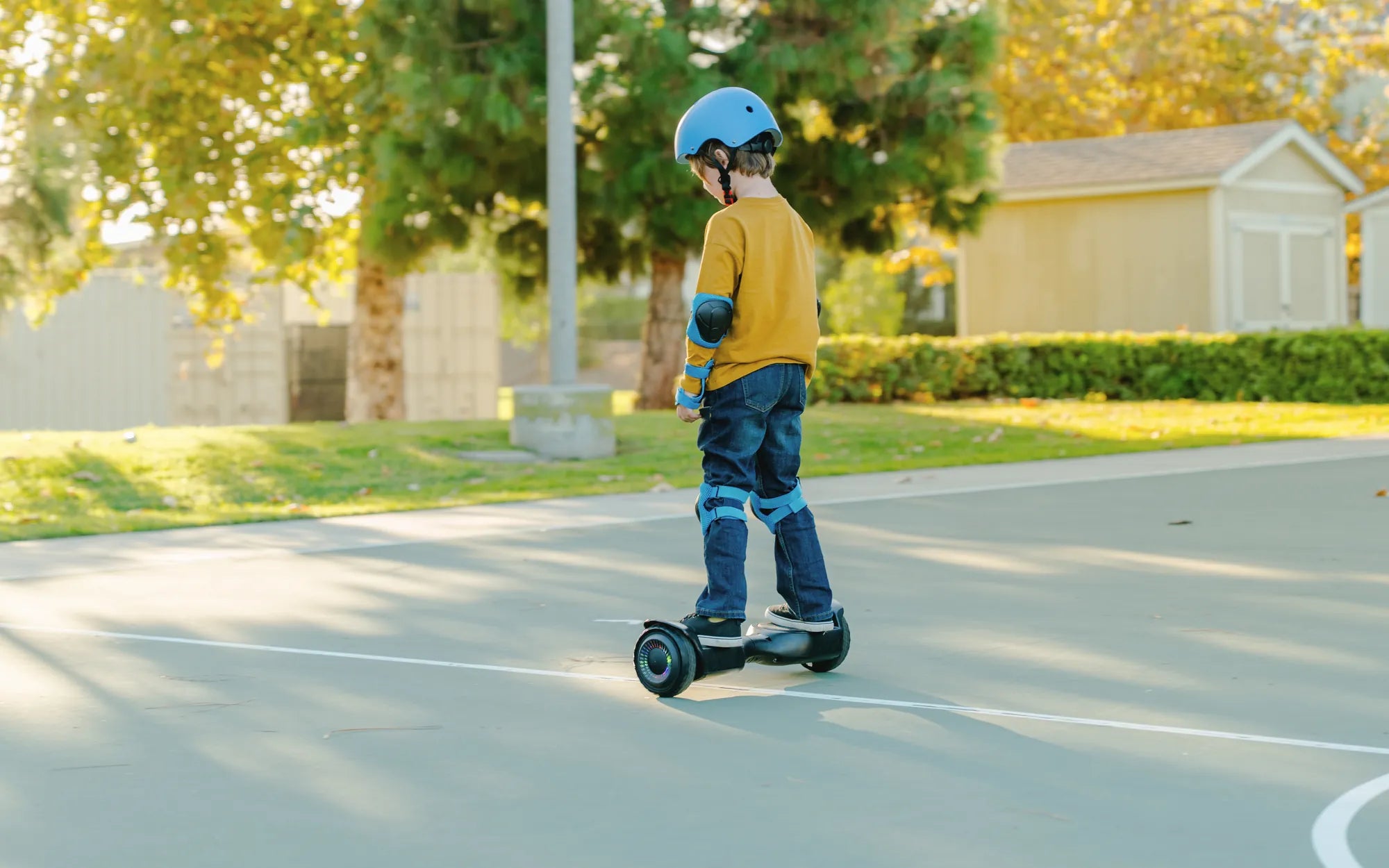
Ever wondered how a hoverboard magically moves with just a tilt of your feet? These sleek, self-balancing scooters seem like something straight out of a sci-fi movie, but the technology behind them is both ingenious and surprisingly simple. Let’s dive into the mechanics that make hoverboards one of the coolest personal transportation devices on the market.
The Basics of Hoverboard Mechanics
At their core, hoverboards are two-wheeled, electric-powered devices that rely on a combination of sensors, motors, and microprocessors to maintain balance and respond to user input. Unlike traditional scooters or skateboards, hoverboards don’t require manual pushing or external force—they move intuitively based on the rider’s body movements.
Gyroscopic Sensors and Tilt Control
The secret to a hoverboard’s self-balancing ability lies in its gyroscopic sensors. These sensors detect the slightest shifts in the rider’s weight and communicate with the central processing unit (CPU) to adjust the speed and direction of the wheels. When you lean forward, the sensors signal the motors to accelerate, propelling the board forward. Leaning backward triggers the opposite response, slowing down or reversing the motion.
Electric Motors and Power Distribution
Each wheel of a hoverboard is powered by its own electric motor, allowing for independent control. This dual-motor system enables smooth turns and precise maneuvering. When you tilt one foot forward more than the other, the hoverboard interprets this as a command to turn, adjusting the speed of each wheel accordingly. The result? A seamless, almost intuitive riding experience.
The Role of the Central Processing Unit (CPU)
The CPU acts as the brain of the hoverboard, processing data from the gyroscopic sensors and sending commands to the motors. It ensures that the board remains stable and responsive, even at higher speeds. Advanced hoverboards may also include additional features like Bluetooth connectivity or LED lights, all managed by the CPU.
Battery and Energy Efficiency
Hoverboards are powered by rechargeable lithium-ion batteries, which provide the necessary energy to the motors and sensors. The battery’s capacity determines how far you can travel on a single charge, with most models offering a range of 10 to 15 miles. Efficient power management systems ensure that the hoverboard delivers consistent performance without draining the battery too quickly.
Safety Features and Modern Innovations
Modern hoverboards come equipped with multiple safety features, such as overcharge protection, anti-slip footpads, and automatic shut-off mechanisms. These innovations not only enhance the riding experience but also minimize the risk of accidents. Some models even include beginner modes to help new riders get accustomed to the device’s sensitivity.
The Future of Hoverboard Technology
As technology advances, hoverboards are becoming smarter and more versatile. Future iterations may incorporate AI-driven navigation, improved battery life, and even off-road capabilities. The potential for integration with smart city infrastructure could revolutionize personal transportation, making hoverboards a staple in urban mobility.
Ready to experience the thrill of gliding effortlessly on a hoverboard? Whether you’re a tech enthusiast or just looking for a fun way to get around, understanding how these devices work makes the ride even more exhilarating. Strap on your helmet and get ready to hover into the future!
1 Year Old Riding Hoverboard: Safety, Risks, and Parental Guidance
Off Road Hoverboard with Handle: The Ultimate Adventure Companion