

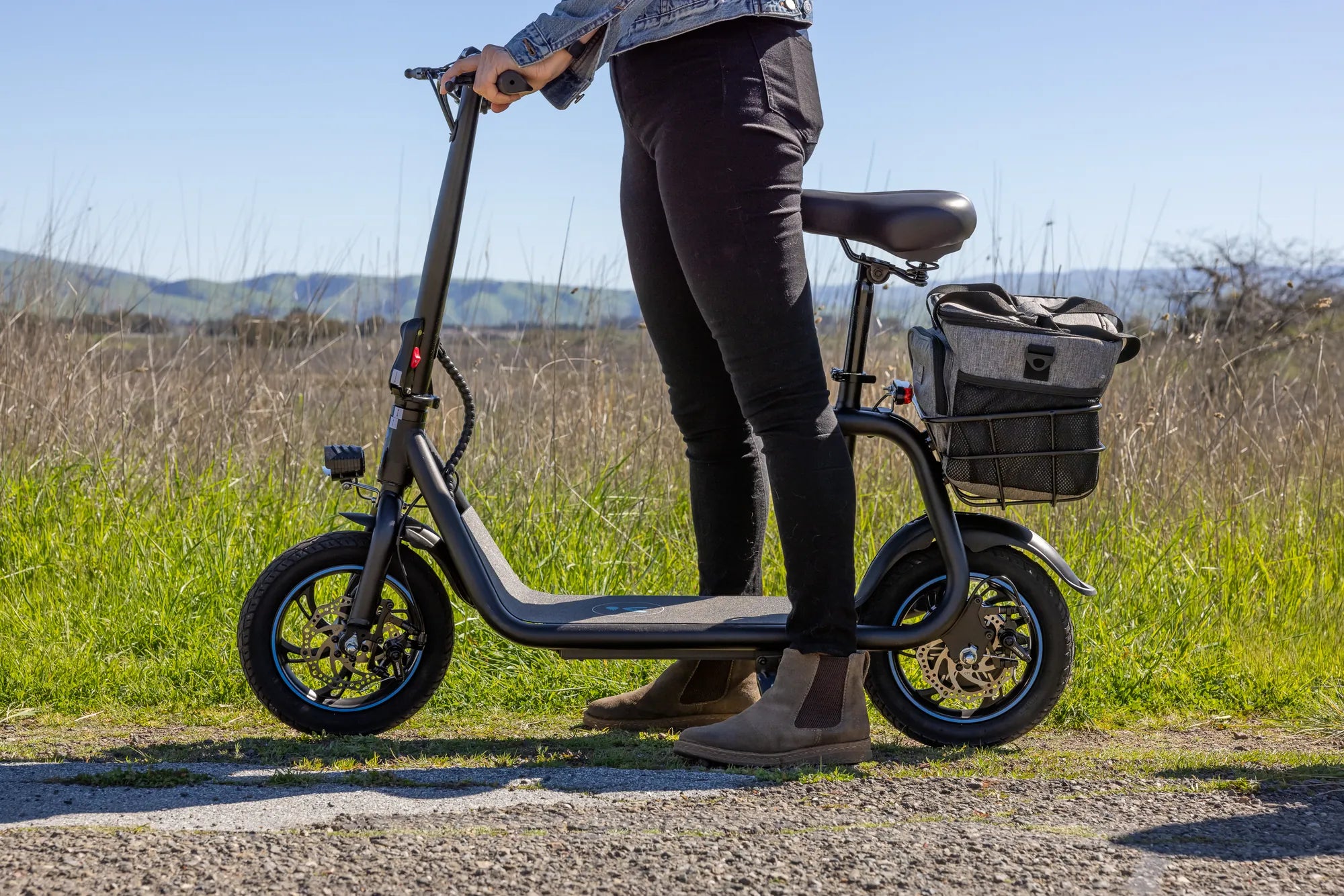
Ever wondered how an e-scooter zips through city streets with such ease? These compact, electric-powered vehicles have revolutionized urban transportation, offering a convenient and eco-friendly alternative to cars and public transit. But what makes them tick? Let’s dive into the mechanics of how e-scooters work and uncover the technology behind their smooth rides.
The Core Components of an E-Scooter
At the heart of every e-scooter are several key components that work together to deliver a seamless riding experience. Understanding these parts is essential to grasping how the system functions.
1. Battery Power
The battery is the lifeblood of an e-scooter, providing the energy needed to power the motor. Most modern e-scooters use lithium-ion batteries due to their high energy density, lightweight design, and long lifespan. These batteries store electricity and release it to the motor when the rider engages the throttle.
2. Electric Motor
The motor converts electrical energy from the battery into mechanical energy, propelling the scooter forward. E-scooters typically use either hub motors (integrated into the wheels) or chain-driven motors. Hub motors are more common because they require less maintenance and provide a quieter ride.
3. Controller
The controller acts as the brain of the e-scooter, regulating power flow from the battery to the motor. It interprets signals from the throttle and adjusts the motor’s speed accordingly. Advanced controllers also manage regenerative braking, which recaptures energy during deceleration.
4. Throttle and Braking System
The throttle, usually a thumb lever or twist grip, allows the rider to control speed. When engaged, it sends a signal to the controller to increase power. Braking systems vary but often include electronic brakes (regenerative or motor-based) and mechanical brakes (disc or drum) for safety.
How an E-Scooter Moves
The process of moving an e-scooter involves a coordinated effort between its components. Here’s a step-by-step breakdown:
- The rider activates the throttle, signaling the controller to draw power from the battery.
- The controller delivers electricity to the motor, which generates rotational force.
- The motor spins the wheel (in hub motor designs) or drives a chain/belt (in chain-driven systems), propelling the scooter forward.
- The rider adjusts speed using the throttle and brakes as needed.
Energy Efficiency and Regenerative Braking
One of the standout features of e-scooters is their energy efficiency. Unlike gas-powered vehicles, e-scooters convert a high percentage of battery energy into motion. Regenerative braking further enhances efficiency by capturing kinetic energy during braking and converting it back into stored electricity.
Safety Features and Smart Technology
Modern e-scooters often include smart features like LED displays, mobile app connectivity, and GPS tracking. Safety mechanisms such as anti-lock braking systems (ABS) and shock absorption ensure a stable ride, even on rough terrain.
Maintenance and Longevity
To keep an e-scooter running smoothly, regular maintenance is key. This includes checking tire pressure, ensuring battery health, and inspecting brakes. Proper care can extend the scooter’s lifespan and optimize performance.
Ready to experience the thrill of gliding through the city on an e-scooter? Now that you know how they work, you’ll appreciate the engineering marvel behind every ride. Whether for commuting or leisure, e-scooters offer a smart, sustainable way to navigate urban landscapes.
Fast Scooters for Sale: The Ultimate Guide to Speed and Efficiency
Fast Scooters for Sale: The Ultimate Guide to Speed and Efficiency