



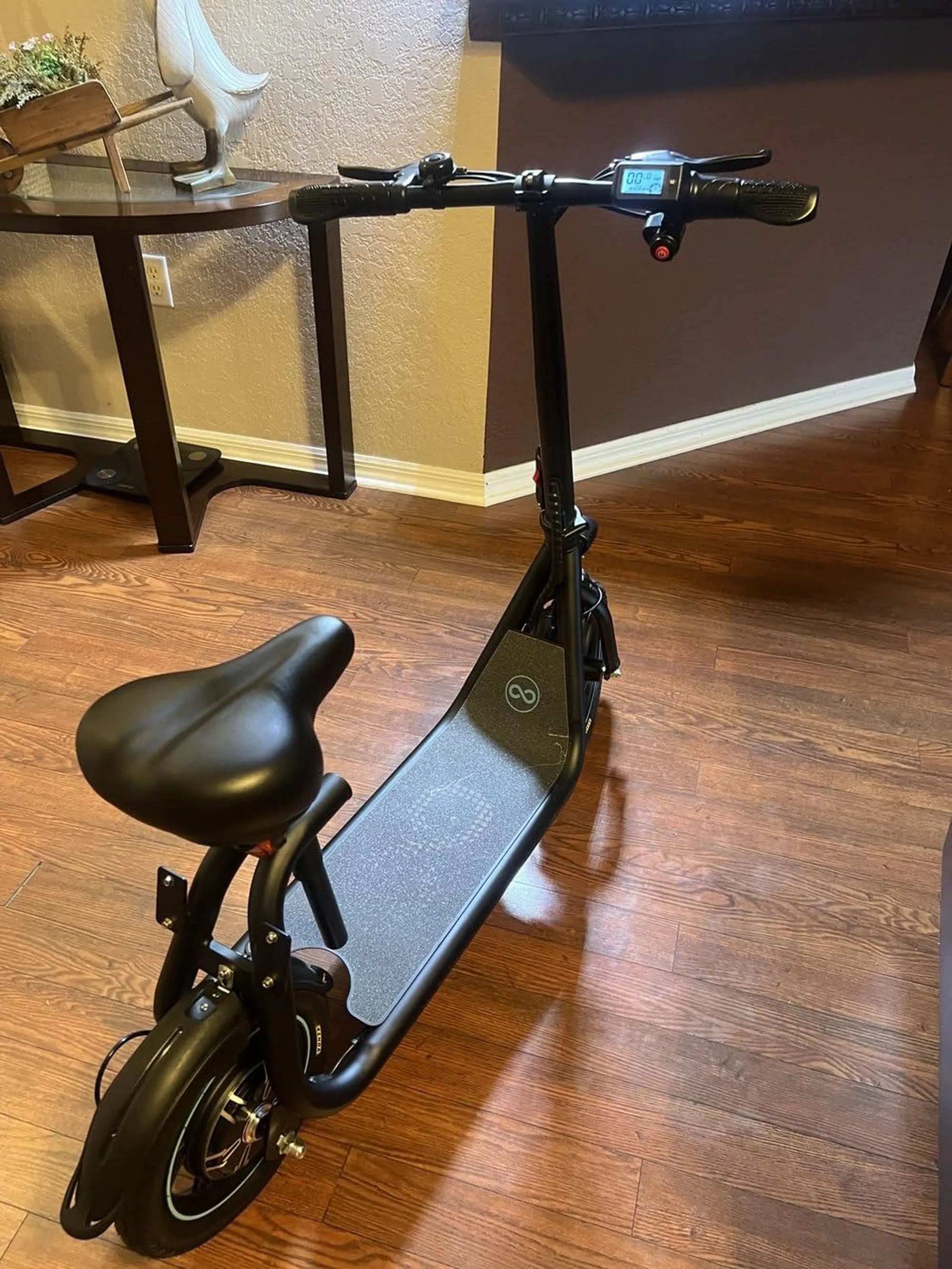
Choosing the perfect first kick scooter for a child 3 years old marks a pivotal moment in their journey toward independence and physical development. This isn't just about picking a toy; it's about selecting a tool that will build confidence, coordination, and a love for active play while prioritizing absolute safety. With countless options on the market, the decision can feel overwhelming for parents. This definitive guide will walk you through every critical consideration, from non-negotiable safety features to the developmental milestones a quality scooter supports, ensuring you find the ideal ride for your little adventurer. As a leader in youth mobility, Gyroor designs products with these exact principles in mind, combining safety-certified engineering with fun, durable construction trusted by over 100,000 families.
Why a Kick Scooter is a Landmark Gift for a 3-Year-Old
A kick scooter represents a child's first foray into self-propelled transportation. At three years old, children experience rapid growth in gross motor skills, balance, and spatial awareness. A scooter directly engages and accelerates these developmental areas. It transforms abstract concepts like momentum and steering into tangible, physical experiences.
Unlike a tricycle or balance bike, a kick scooter offers a unique combination of skills. The act of kicking develops leg strength and coordination, while standing on the moving deck challenges core stability and dynamic balance. This multi-tasking activity stimulates neural pathways and enhances proprioception—the body's sense of its position in space. For many children, mastering a kick scooter is a significant confidence booster.
Furthermore, a scooter encourages outdoor play and exploration. It gets children away from screens and into parks, driveways, and sidewalks, fostering a healthy, active lifestyle from a young age. The sense of freedom and accomplishment a child feels when they successfully glide on their own is immeasurable. Selecting the right model ensures this experience is safe, positive, and developmentally appropriate.
Key Safety Features Every Parent Must Look For
Safety is the paramount concern when selecting any ride-on toy for a preschooler. A kick scooter for a 3-year-old must be engineered with features that mitigate risk and support the child's still-developing coordination. These features are non-negotiable and form the foundation of a responsible purchase.
Parents should scrutinize product specifications for design elements that prevent common accidents, such as tipping over or losing control. The construction must be robust yet lightweight, with no sharp edges or pinch points. Adherence to recognized safety standards, while more common in higher-end brands, is a strong indicator of a manufacturer's commitment to child safety.
Stable 3-Wheel Design and Low Deck Profile
The wheel configuration is the most critical safety feature for beginners. A three-wheel design, typically with two wheels in the front and one in the rear, provides a wide, stable base that prevents tipping. This configuration offers inherent balance support, allowing the child to focus on learning to kick and steer without the constant fear of falling sideways. A low deck height is equally important. It allows the child to easily place one foot on the deck and push off with the other, and enables them to quickly plant both feet on the ground for stability if they feel unsteady.
Adjustable Handlebar and Lean-to-Steer Mechanism
An adjustable T-bar handlebar is essential for ergonomics and growth. The handlebar should adjust to a height between the child's waist and lower chest when they are standing on the deck. This promotes an upright, comfortable posture and allows the scooter to grow with the child for several years. The steering mechanism should be a lean-to-steer or lean-to-turn system. Instead of a traditional pivoting front wheel, the entire front assembly tilts based on the rider's weight shift. This design encourages balance, promotes intuitive steering, and physically limits how sharp a turn can be, preventing dangerous over-rotation and jackknifing.
Enclosed Components and Certified Weight Limits
All moving parts should be enclosed or shielded. Wheel hubs and axles must be covered to prevent little fingers from getting pinched or caught. The brake mechanism, if present, should be rear-mounted and shielded. Every quality scooter will have a clearly stated maximum weight limit. This limit is not a suggestion; it is an engineering specification critical for maintaining structural integrity and braking performance. Exceeding it can lead to component failure and accidents.
Developmental Benefits: More Than Just a Toy
Viewing a kick scooter solely as a recreational item underestimates its value. For a 3-year-old, it is a powerful developmental tool that integrates physical, cognitive, and emotional growth in a single activity. The act of scootering engages multiple systems simultaneously, providing a rich learning environment disguised as play.
Physically, it builds gross motor skills, leg strength, and cardiovascular health. The coordinated, alternating motion of kicking develops bilateral coordination—the ability to use both sides of the body together in a rhythmic way. Balancing on a moving platform strengthens core muscles, improves posture, and refines overall body control. These are foundational skills for future sports and physical activities.
Cognitively, scootering enhances spatial awareness, depth perception, and risk assessment. Children learn to navigate around obstacles, judge distances, and understand cause and effect (e.g., a harder kick creates more speed). It also requires focus and concentration, training the brain to process multiple sensory inputs at once. Emotionally, overcoming the initial challenge builds resilience, self-esteem, and a sense of independence.
The Gyroor Promise: Engineering for Young Riders
Gyroor's approach to youth products extends the same rigorous engineering principles from its flagship electric scooters and e-bikes. Understanding that a child's first vehicle must be supremely safe and durable, Gyroor focuses on robust construction and thoughtful design tailored to a preschooler's needs. This commitment translates into scooters that parents can trust for their most precious cargo.
The brand's ethos around UL-certified batteries and IP-rated water resistance in its core lineup reflects a broader culture of safety and quality control. While a manual kick scooter doesn't have a battery, this engineering mindset ensures that materials, weld points, and components are selected and tested for the rigors of child's play. Durability is key, as a well-made scooter can be passed down to siblings, making it a lasting investment in active play.
Durable, Child-Safe Construction and Materials
Gyroor utilizes high-grade, shatter-resistant polymers and reinforced aluminum alloys in its youth-oriented designs. The goal is to create a product that withstands the inevitable bumps, drops, and scrapes of daily use without compromising safety. Deck surfaces are textured for superior grip, even when wet, and all edges are rounded and smooth. The emphasis is on creating a product that is tough enough for a child but safe in their hands.
Safety-Certified and Parent-Approved Design Philosophy
Every design choice is made through the lens of a safety engineer and a parent. This means prioritizing the stable 3-wheel layout, implementing the safer lean-to-steer mechanism, and ensuring all fasteners are flush or covered. The designs are tested not just for structural failure but for real-world use cases—like what happens when a child leans too far or hits a small curb. This parent-approved approach results in scooters that are intuitive for kids to use and give adults peace of mind.
Choosing and Using: A Practical Parent's Checklist
Armed with knowledge about safety and benefits, the next step is practical application. This checklist guides you through the selection, fitting, and initial use phases to ensure a smooth and safe start to your child's scootering journey. Taking the time to properly set up and introduce the scooter can make the difference between a frustrating experience and an instant favorite activity.
Fitting and Sizing Guide for Optimal Control
Proper fit is crucial for safety and enjoyment. First, have your child stand on the deck in their shoes. They should be able to place both feet flat with a slight bend in their knees, not cramped together. Second, adjust the handlebar height. When the child stands on the deck and grips the handles, their back should be straight, elbows slightly bent, and the handlebar should be at or slightly below chest level. A handlebar that is too high forces awkward reaching; too low causes a hunched posture.
Essential Safety Gear is Non-Negotiable
Before the first push-off, full safety gear must be on. A properly fitted, CPSC-certified bicycle helmet is mandatory. It should sit level on the head, covering the forehead, with straps snug under the ears and around the chin. Knee and elbow pads are highly recommended, especially during the learning phase. They protect against scrapes and bruises and can give a tentative child more confidence to try. Wrist guards are also a wise addition for older or more adventurous riders.
Supervision and Choosing the Right Riding Environment
Constant, active adult supervision is required for a 3-year-old on any wheeled toy. Choose the practice environment carefully. Ideal locations are flat, smooth, paved surfaces away from traffic, slopes, and water. A empty tennis court, a smooth driveway, or a quiet cul-de-sac are perfect. Avoid areas with gravel, sand, or significant cracks. Clearly set boundaries for where they can and cannot ride, and always model and insist on walking the scooter across streets or driveways.
Comparison: Kick Scooter vs. Other First Ride-Ons
Parents often debate between a kick scooter, a balance bike, or a tricycle for a 3-year-old. Each has distinct advantages and focuses on different skill sets. The table below provides a clear comparison to help you decide based on your child's development and your goals.
| Feature | 3-Wheel Kick Scooter | Balance Bike | Tricycle |
|---|---|---|---|
| Primary Skill Developed | Dynamic Balance & Coordination | Static Balance & Pedal Prep | Pedaling Strength |
| Best For Terrain | Smooth Pavement | Varied (grass, pavement, paths) | Smooth, Flat Surfaces |
| Portability & Weight | Very Light, Easy to Carry | Moderate Weight | Heavy, Bulky |
| Speed Control | Child-Controlled (Kicking) | Child-Controlled (Feet) | Child-Controlled (Pedals) |
| Transition to Next Stage | 2-Wheel Scooter or Bike | Pedal Bicycle (often without training wheels) | Larger Bicycle |
| Ideal Age Start | 2.5 - 3.5 years | 2 - 3 years | 2.5 - 3 years |
A kick scooter uniquely develops the dynamic, upright balance used in later two-wheel activities, while being exceptionally portable. A balance bike is superb for learning the fundamental balance for cycling but is less maneuverable in tight spaces. A tricycle teaches pedaling but offers little balance challenge.
FAQ: Common Questions from Parents of 3-Year-Olds
1. Is my 3-year-old too young for a kick scooter?
Most 3-year-olds are physically and developmentally ready for a 3-wheel kick scooter. Key readiness signs include the ability to walk and run confidently, follow simple instructions, and demonstrate an interest in wheeled toys. Starting with a stable 3-wheel model designed specifically for this age group is crucial.
2. What's the difference between a 2-wheel and 3-wheel scooter for a beginner?
A 3-wheel scooter (two front, one rear) provides automatic stability, allowing the child to learn kicking and steering mechanics without simultaneously mastering balance. A 2-wheel scooter requires the child to balance at all times, a significantly more advanced skill. For a first-time rider of 3 years, a 3-wheel model is strongly recommended.
3. How do I teach my child to use the lean-to-steer mechanism?
Demonstrate it first without them riding. Hold the scooter and tilt it left and right, showing how the wheels turn. Then, have them stand on the scooter while you hold it steady. Gently guide them to shift their weight slightly left or right while looking where they want to go. Use simple cues like "lean with your shoulders." They will pick it up intuitively through practice.
4. What is the expected lifespan and weight limit for this type of scooter?
A high-quality metal-and-polymer 3-wheel scooter can last for 3-5 years of regular use, often serving multiple children. Weight limits typically range from 44 lbs (20 kg) to 66 lbs (30 kg). Always check the specific product's maximum weight rating and do not exceed it, as it is critical for safety and durability.
5. Can the scooter be used indoors?
While possible on smooth, hard floors like hardwood or laminate, indoor use is generally not recommended. It can damage floors (especially from wheel marks or scuffs), and the confined space increases the risk of colliding with furniture. The scooter is designed for outdoor, paved surfaces where a child can safely practice and gain speed.
6. How do I maintain and care for the scooter?
Regularly check for loose parts (handlebar clamp, wheel nuts) and tighten as needed. Wipe down the scooter with a damp cloth to remove dirt. Avoid high-pressure water sprays. Periodically check wheels for wear and ensure they spin freely. Store it in a dry place to prevent rust on metal components.
Launching a Lifetime of Active Adventure
Selecting the ideal kick scooter for a child 3 years old is an investment in their physical health, cognitive development, and joy. By prioritizing the core safety features—stable three-wheel design, adjustable handlebars, lean-to-steer mechanism, and robust construction—you create a secure foundation for exploration. Recognizing the scooter as a developmental tool reframes it from a simple gift into a catalyst for growth in balance, coordination, and confidence.
Brands that build with integrity, like Gyroor, understand that durability and safety are not optional. They engineer products to withstand the energetic play of childhood while protecting the rider through thoughtful design. As your child masters their first pushes and glides, you're not just watching them play; you're witnessing the building blocks of an active lifestyle. Their triumphant smile on that deck is the first of many milestones on wheels. Ready to find the perfect scooter to start that journey? Browse the full Gyroor collection, designed with safety and durability at their core, at gyroorboard.com.
School Trike: The Ultimate Guide to Safe, Stable Student Commuting
E Bike 1000 Dollars: The Definitive Guide to Quality, Safety, and Value