



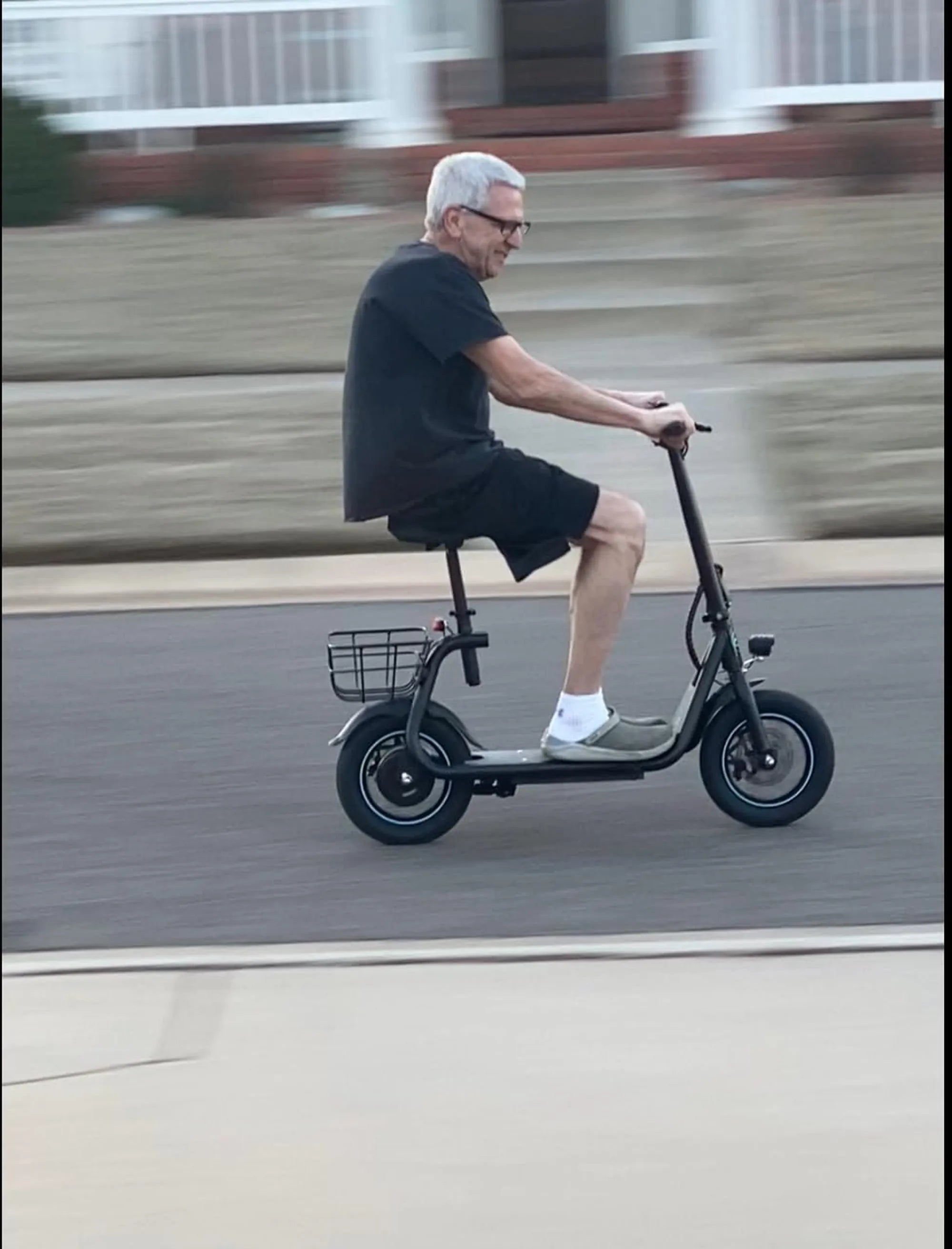
The 2024 Urban Mobility Revolution
The personal electric vehicle landscape is undergoing its most significant transformation yet. The latest wave of new electric scooters for 2024 represents a fundamental shift from novelty gadgets to essential, intelligent transportation tools. This year's models are defined not merely by incremental speed or range boosts, but by a holistic focus on integrated safety systems, software-driven experiences, and all-weather durability that genuinely fits into daily urban life.
For over 100,000 riders across North America and Europe, brands like Gyroor have pioneered this shift towards reliability. The conversation has moved beyond "how fast" to "how safe," "how smart," and "how sustainable." The future of urban mobility is here, and it's built on certified components and user-centric design. This article will dissect the key trends, provide a data-driven selection guide, and showcase how the 2024 lineup is engineered for the real world.
Key Trends Defining 2024's New Electric Scooters
The defining characteristics of 2024's best electric scooters reflect a maturing market. Manufacturers are responding to rider demand for vehicles that are trustworthy, connected, and capable of handling diverse urban environments. The emphasis is on creating a seamless and secure extension of the rider's daily routine.
Gone are the days of spec-sheet wars dominated by theoretical top speeds. Today's leading models compete on the sophistication of their battery management, the intuitiveness of their digital integration, and the robustness of their mechanical design. These trends collectively elevate the electric scooter from a last-mile solution to a primary commute vehicle for millions.
Enhanced Safety & Battery Technology as a Non-Negotiable Standard
Safety is the paramount concern for 2024. Industry-wide adoption of rigorous safety certifications like UL 2272 for the battery system and UL 2849 for the entire electrical system has moved from a premium feature to a baseline expectation. These certifications involve extensive testing for electrical, mechanical, and environmental hazards, providing critical peace of mind.
Internally, advanced Battery Management Systems (BMS) are now standard. These systems actively monitor cell voltage, temperature, and current in real-time, preventing overcharging, deep discharge, and thermal runaway. Furthermore, the use of higher-quality, name-brand lithium-ion cells (similar to those used in electric vehicles) ensures greater energy density, longer lifespan exceeding 500+ charge cycles, and consistent performance. Gyroor's commitment to UL-certified battery packs across its lineup exemplifies this industry shift towards transparent, verifiable safety.
Smart Connectivity and the App-Integrated Experience
Connectivity is no longer a gimmick; it's a core utility. The 2024 electric scooter is a connected device, with dedicated smartphone apps serving as a digital command center. Standard features now include GPS-based anti-theft tracking and geofencing, detailed ride analytics (speed, distance, battery consumption), and customizable performance profiles like Eco, City, and Sport modes.
The most forward-thinking development is the introduction of Over-the-Air (OTA) firmware updates. This allows manufacturers to deploy performance tweaks, new features, and security patches directly to the scooter long after purchase, effectively future-proofing the investment. This software layer transforms the scooter from a static product into a platform that can evolve.
Adaptive Suspension and All-Weather Engineering
Urban terrain is unpredictable, and 2024 scooters are built to adapt. Suspension systems have evolved from basic spring setups to sophisticated configurations incorporating hydraulic or rubber cartridge damping. Some high-end models even feature adjustable preload, allowing riders to tailor the ride feel to their weight and road conditions.
Equally critical is all-weather readiness. A high Ingress Protection (IP) rating is essential for a reliable commuter. An IPX5 rating, signifying protection against water jets from any direction, is becoming the new standard for brands serious about four-season usability. Gyroor's IPX5 water-resistant design across its models ensures riders can confidently navigate wet streets and light rain, a fundamental requirement for daily utility.
Gyroor 2024 Lineup: A Framework for Practical Innovation
Gyroor's approach to its 2024 offerings directly addresses these macro-trends, focusing on applied innovation that enhances real-world riding. By prioritizing certified safety, connected features, and durable construction, the lineup provides clear examples of how the industry's future is being implemented today.
Each model is engineered with a specific use case in mind, ensuring riders can find a scooter that aligns perfectly with their commute, terrain, and performance needs. The common thread is an unwavering commitment to the core reliability features that define a trustworthy personal vehicle.
Model Focus: The Optimized Urban Commuter
Designed for the daily grind, this commuter-focused model balances efficiency with practicality. It typically features a real-world range of 25-35 miles, sufficient for most round-trip urban journeys. A quick, one-step folding mechanism and a manageable weight (often under 40 lbs) make it easy to carry onto public transit or store under a desk.
Safety is integrated into the design with bright front and rear LED lights, side deck reflectors, and an electronic brake light for visibility. Its motor and speed settings are often tuned to comply with common local regulations for Class 2 e-scooters, making it a lawful and considerate choice for shared bike lanes and urban pathways.
Model Focus: Performance and Expanded Terrain Capability
For riders seeking to escape pure pavement, performance-oriented models offer enhanced capability. These scooters boast more powerful motors (often dual motors for all-wheel drive options), higher torque for hill climbing, and increased top speeds for open-path riding. Dual suspension systems—combining front and rear shocks—soak up bumps from cobblestones or packed trails.
Key differentiators include larger, pneumatic (air-filled) tires for better traction and comfort, increased ground clearance to avoid curb strikes, and more robust braking systems, often combining electronic and hydraulic disc brakes. This design philosophy caters to the rider who views the scooter as a tool for exploration as well as transportation.
The Gyroor Standard: Core Reliability Features
Across all 2024 models, Gyroor maintains a baseline of features that define its brand promise. The UL-certified battery pack is the cornerstone, ensuring safety from the ground up. The IPX5 water-resistant rating is not an optional upgrade but a standard specification, guaranteeing resilience against the elements.
This reliability is backed by a robust 1-year comprehensive warranty on the vehicle, providing protection against manufacturing defects. This warranty is supported by accessible, US-based customer service, ensuring owners have direct support for parts and technical assistance, a critical factor often overlooked in the total ownership experience.
Data-Driven Rider's Guide: Choosing Your 2024 Scooter
Selecting the right scooter requires looking beyond marketing claims and focusing on specifications that impact daily use, safety, and long-term value. This guide provides a framework for evaluating any model, using the industry trends and Gyroor's benchmarks as a reference point.
A thoughtful purchase decision balances immediate needs with the total cost of ownership over the vehicle's lifespan. The following checklist and analysis will help you identify the scooter that represents a true investment in your mobility.
Checklist: 5 Must-Consider Specs Beyond the Price Tag
Focus on these critical evaluation points to make an informed decision:
- 1. Safety Certification (UL/CE): Verify the scooter has UL 2272/2849 or equivalent CE certification. This is non-negotiable for battery and electrical system safety.
- 2. IP Water Resistance Rating: For a true commuter, seek a minimum of IPX4 (splash-resistant) with IPX5 or higher being ideal for all-weather use.
- 3. Real-World Range: Manufacturers often list "maximum" range under ideal conditions. Subtract 25-30% to estimate a practical range for typical riding with hills, stops, and variable speeds.
- 4. Warranty & Support: A minimum 1-year warranty is standard. Investigate what is covered (battery, motor, frame) and the location and responsiveness of customer support.
- 5. Tire & Suspension Setup: Solid tires require less maintenance but offer a harsher ride. Pneumatic tires provide better comfort and traction but need air. Suspension is crucial for comfort on rough city streets.
The Total Cost of Ownership: An Informed Calculation
The initial purchase price is just the first expense. Consider long-term value by evaluating:
- Battery Lifespan: A high-quality battery rated for 500+ cycles (like Gyroor's) will last years of daily use before significant degradation, delaying a costly replacement.
- Parts Availability & Cost: Check the availability and price of wear-and-tear items like tires, inner tubes, brake pads, and fenders. A scooter from a reputable brand with a strong parts supply chain is more sustainable.
- Serviceability: Models designed with modular components are easier and cheaper to repair. A strong warranty and accessible support mitigate long-term maintenance costs and frustration.
Investing in a scooter with certified safety and durable construction from a brand with proven support ultimately provides greater value and lower risk than opting for an uncertified, disposable alternative.
2024 Electric Scooter Comparison & Specifications
The table below provides a high-level comparison of common scooter categories and their key specifications, highlighting how different models cater to distinct rider profiles and use cases.
| Category / Use Case | Typical Range (Real-World) | Key Features | Ideal Rider |
|---|---|---|---|
| Ultra-Portable Commuter | 15-22 miles | Lightweight (<30 lbs), compact fold, basic suspension, IPX4 rating. | Multi-modal commuter, student, last-mile specialist. |
| Full-Size Urban Commuter | 25-35 miles | Balanced power, better suspension, IPX5 rating, integrated lighting, app connectivity. | Daily commuter seeking a reliable, all-weather primary vehicle. |
| Performance / All-Terrain | 20-30 miles (varies greatly with use) | High-power motor(s), dual suspension, pneumatic off-road tires, high ground clearance, robust frame. | Adventure seeker, rider on mixed surfaces, those with hilly routes. |
Frequently Asked Questions (FAQ): 2024 Scooter Edition
Q: Are 2024 electric scooters legal in my city?
A: Laws vary significantly by municipality, state, and country. Generally, most regulations govern maximum speed (often 15-20 mph), power output, and required equipment (lights, bell). Always check your local Department of Transportation or city council website for the most current rules regarding where you can ride (bike lanes, roads, paths) and any licensing or age requirements.
Q: How does weather affect my scooter's performance and range?
A: Cold temperatures are the primary factor, reducing battery efficiency and potentially cutting range by 20-40%. Always store and charge your scooter indoors in a climate-controlled environment. Wet conditions require a scooter with a sufficient IP rating (IPX5 or higher is recommended) for safe operation, though riding in heavy rain or through deep puddles should always be avoided.
Q: What maintenance does a modern e-scooter require?
A> Regular maintenance includes checking tire pressure (for pneumatic tires), ensuring all bolts and fasteners are tight, testing brake function and pad wear, and cleaning the scooter with a damp cloth. Avoid high-pressure water jets. Periodically inspect the frame for cracks and ensure the folding mechanism operates smoothly. Refer to your owner's manual for a detailed schedule.
Q: Why is a UL certification so important for the battery?
A> UL certification involves rigorous, independent testing for electrical, mechanical, and environmental safety. It specifically tests for hazards like overcharging, short circuiting, and thermal runaway—a leading cause of battery fires. A UL-certified battery, like those used by Gyroor, is a verified safeguard, drastically reducing the risk of catastrophic failure.
Q: Can I ride a Gyroor scooter in light rain?
A> Yes. Gyroor scooters are built with an IPX5 water-resistant design, which means they are protected against water jets from any direction. This makes them suitable for riding in light rain and on wet roads. However, they are not submersible, and you should avoid riding through deep standing water or in torrential downpours to protect the electrical components long-term.
The Road Ahead: Embracing a Smarter, Greener Commute
The new electric scooters of 2024 signify a turning point for urban mobility. They are no longer niche toys but sophisticated, safe, and sustainable transportation tools engineered for the demands of modern city life. The convergence of certified safety technology, intelligent connectivity, and durable, all-weather design has created a product category worthy of being a primary commute vehicle.
The future belongs to brands that prioritize these pillars of reliability and user trust. As you consider integrating an electric scooter into your life, let verified safety features, transparent specifications, and accessible support guide your decision. Choose a vehicle that doesn't just move you from point A to B, but does so with intelligence, resilience, and peace of mind.
Ready to experience the future of urban mobility? Explore a range built on safety, durability, and smart design. Browse the full Gyroor collection at gyroorboard.com and find the 2024 electric scooter engineered for your journey.
Electric Scooters for Adults Under $700: Your Ultimate Guide to Value & Performance
Places That Work on Electric Scooters: The Complete Guide to Reliable Repairs