



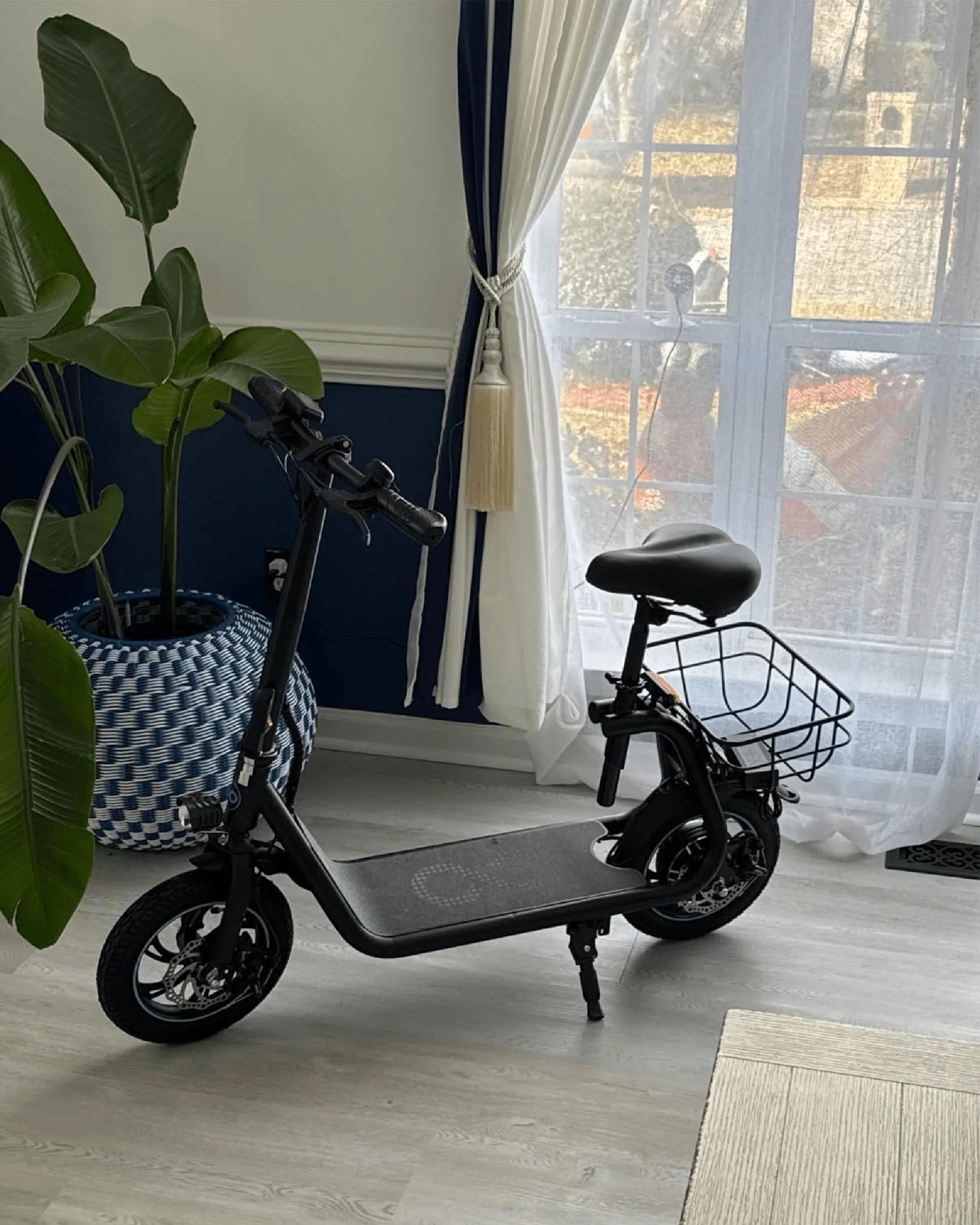
Your electric scooter suddenly stops responding, or a strange noise emerges from the motor. Finding reliable places that work on electric scooters becomes an urgent priority, directly impacting your safety, your scooter's performance, and your wallet. This guide provides a complete roadmap to navigating the repair landscape, from brand-authorized experts to versatile local mechanics and essential DIY maintenance you can perform yourself. Knowing your options for places that work on electric scooters is the first step toward ensuring longevity and reliable performance from your personal electric vehicle.
Why Knowing Your Repair Options is Crucial for E-Scooter Longevity
Electric scooters are complex machines integrating electrical systems, mechanical components, and software. Unlike a simple bicycle, they contain a battery pack, motor, controller, and often proprietary firmware. A breakdown in any of these systems can leave you stranded. Proactive knowledge of repair avenues prevents costly mistakes, such as using incompatible parts or voiding warranties.
Regular maintenance and timely professional repairs are investments. They preserve your scooter's resale value and ensure critical safety systems like brakes and lights function correctly. Ignoring minor issues often leads to major, more expensive failures. For instance, a poorly adjusted brake can wear down pads prematurely and damage the rotor.
Understanding the hierarchy of places that work on electric scooters empowers you to make informed decisions. You'll know when a task is suitable for a weekend DIY project and when it necessitates a certified technician with specific tools and knowledge. This discernment saves time, money, and frustration.
Brands like Gyroor design their scooters with durability in mind, using UL-certified batteries and IPX5 water-resistant designs. However, even the most reliable models require occasional care. Knowing where to turn for support extends the life of your investment and keeps your rides smooth and safe.
Authorized Service Centers: The Gold Standard for Repairs
For complex, warranty-covered, or brand-specific issues, authorized service centers are the definitive solution. These are places that work on electric scooters with direct backing from the manufacturer. They operate as an extension of the brand's quality assurance, ensuring repairs meet original specifications.
The primary advantage is access to genuine, factory-original parts. For electrical components, especially batteries and controllers, using non-OEM parts can be dangerous and void warranties. Authorized centers use parts designed for your specific model, ensuring perfect compatibility and performance.
Technicians at these centers receive direct training from the manufacturer. They understand the nuances of the scooter's design, proprietary software, and diagnostic procedures. This expertise is invaluable for troubleshooting elusive electrical faults or performing firmware updates that a general mechanic might not be equipped to handle.
The process is typically streamlined. You provide your model and serial number, and the center can quickly identify the issue, order the correct part, and perform the repair with certified expertise. While often the most expensive option, it provides peace of mind for critical repairs.
Gyroor's Official Support Network
Gyroor provides a robust support structure for its riders across North America and Europe. Every Gyroor electric scooter and e-bike is backed by a comprehensive 1-year warranty, covering manufacturing defects in the frame, motor, battery, and controller.
Riders can access Gyroor's official support network through their website. The support portal offers troubleshooting guides, warranty registration, and direct contact with the US-based customer service team. For repairs requiring hands-on work, Gyroor's team can direct you to authorized service partners or provide detailed guidance for part replacement.
This network is designed to minimize downtime. By working with certified partners who have direct access to Gyroor's inventory of UL-certified battery packs and other genuine components, riders ensure their scooter is restored to its original, safe operating condition. It's the most reliable of all places that work on electric scooters for Gyroor models.
Local Bike and Small Engine Repair Shops: The Versatile Alternative
A growing number of traditional bicycle shops and small engine repair businesses have successfully expanded into micro-mobility. These local shops are becoming common places that work on electric scooters for mechanical issues. Their existing skill sets in braking systems, tire changes, and general mechanics translate well to e-scooters.
They excel at handling routine wear-and-tear repairs. This includes fixing flat tires (both pneumatic and solid), replacing brake pads and discs, adjusting brake calipers, truing wheels, and tightening loose bolts and stem assemblies. Their turnaround time is often faster than authorized centers, and labor rates can be more competitive.
Many of these shops have also developed proficiency with basic electrical diagnostics. They can often test a battery's output voltage, check connections for corrosion, and replace wiring harnesses or switches. For riders with scooters from brands that lack a dense authorized network, a competent local mechanic is an invaluable resource.
It's important to note their limitations. They may not have access to proprietary diagnostic software or specific OEM parts for every brand. For deep electrical issues like a faulty motor controller or a battery management system (BMS) failure, their capabilities may be limited compared to a brand-authorized technician.
What to Ask Before You Go
Vetting a local shop is crucial. Don't assume all mechanics have e-scooter experience. Start by calling ahead and asking specific questions. First, inquire directly: "Do you have hands-on experience repairing electric scooters or e-bikes?" Ask for examples of common repairs they perform.
Secondly, discuss parts. Ask, "If my scooter needs a replacement part, can you source genuine parts, or will you use universal alternatives?" For a Gyroor scooter, clarify if they are comfortable working with official parts you might order separately. Their willingness to collaborate is a good sign.
Finally, establish clear communication on process and cost. Always ask, "Do you provide a written estimate before beginning work?" and "What is your typical turnaround time for a brake service or tire change?" A reputable shop will be transparent about costs and timelines, making them trustworthy places that work on electric scooters.
DIY Maintenance: Tasks You Can Safely Handle at Home
Proactive owners can handle numerous routine maintenance tasks, saving money and deepening their understanding of their vehicle. Establishing a basic home maintenance routine is the first line of defense against major repairs. These are personal places that work on electric scooters—your own garage or workspace.
Regular DIY care prevents common issues. It fosters familiarity with your scooter's normal sounds and feel, helping you detect abnormalities early. The tools required are minimal: a set of Allen keys, screwdrivers, a tire pressure gauge, a soft cloth, and perhaps a torque wrench for critical bolts.
Safety is the paramount rule. Always turn the scooter completely off and, if possible, disconnect the battery before performing any inspection or maintenance. Never attempt to open or repair the battery pack, motor, or controller yourself. DIY is for mechanical upkeep, not core electrical repair.
Consistency is key. Spending 10-15 minutes every few weeks on a basic check can add years to your scooter's life. It also ensures that when you do need a professional, you can provide a clear, accurate description of the issue and its history, leading to a faster diagnosis.
Essential DIY Checklist
Follow this simple checklist for safe and effective home maintenance. First, Tire Pressure: Check pneumatic tires weekly with a gauge. Under-inflated tires increase rolling resistance, reduce range, and risk pinch flats. Inflate to the PSI rating on the tire sidewall.
Second, Brake Inspection: Squeeze brake levers to ensure they engage firmly without touching the handlebar. Visually inspect brake pads for wear. Listen for grinding noises that indicate worn-out pads. Clean brake rotors with isopropyl alcohol to remove dirt and oil.
Third, Bolt Check: Periodically go over the scooter with the appropriate Allen key and tighten key bolts: stem folding mechanism, handlebar clamp, brake caliper mounts, and wheel axles. Avoid over-tightening. Refer to your manual for specific torque values if available.
Fourth, Cleaning: Wipe down the scooter with a damp cloth. Avoid high-pressure water jets, especially near charging ports and deck seams. Keep the charging port clean and dry. For Gyroor's IPX5-rated models, gentle cleaning is safe but avoid submersion.
Fifth, Battery Care: Follow optimal charging practices. Avoid leaving the scooter plugged in for days after a full charge. Store in a cool, dry place. If storing long-term, leave the battery at a 50-60% charge level. This preserves the health of the UL-certified cells.
When to Seek Professional Help: Recognizing Beyond-DIY Issues
Certain problems unequivocally require a trained professional. Attempting these repairs yourself can be dangerous, cause further damage, and void your warranty. Recognizing these red flags helps you quickly identify the right professional from the various places that work on electric scooters.
Electrical system failures top the list. If your scooter completely loses power, experiences intermittent cutting out while riding, or displays persistent error codes on the dashboard, the issue likely lies in the battery, controller, wiring harness, or BMS. These components require specialized diagnostic tools.
Any issue with the battery itself is a major safety concern. Signs include the battery not charging, losing charge extremely quickly, swelling or deforming, getting abnormally hot during charging or use, or showing visible damage. UL-certified batteries are safe by design, but physical damage or internal faults necessitate professional replacement.
Problems with the motor, such as strange grinding, whining, or clicking noises, a loss of power under load, or the motor seizing entirely, require professional attention. Motor repairs often involve disassembling the wheel hub and dealing with high-power magnets and windings.
Significant physical damage to the frame, fork, or stem is a structural safety hazard. Cracks, deep bends, or compromised welding joints should only be assessed by a professional. Riding on a damaged frame risks catastrophic failure while in motion.
Red Flags for Professional Repair
- Battery Issues: Not charging, rapid discharge, swelling, overheating, or physical damage.
- Motor Failure: Unusual noises (grinding, screeching), loss of torque, complete failure to engage.
- Controller/Electrical Faults: Scooter cutting out, throttle unresponsiveness, dashboard error codes that persist after rebooting.
- Structural Damage: Visible cracks in the frame, bent fork, or a loose/wobbly stem that tightening doesn't fix.
- Warranty-Covered Repairs: Any defect you suspect is covered under the manufacturer's warranty, like a premature motor bearing failure or a faulty display unit.
Comparing Your Options: A Quick-Reference Guide
This table provides a clear comparison to help you decide where to take your electric scooter based on the problem type, cost, and urgency. Use it as a quick guide to navigate the different places that work on electric scooters.
| Service Type | Best For | Avg. Cost Range | Turnaround Time | Key Consideration |
|---|---|---|---|---|
| Authorized Service Center | Warranty work, battery/controller/motor replacement, complex electrical faults, firmware updates. | $$$ (Potentially $0 under warranty) | Days to Weeks (parts shipping) | Uses 100% genuine parts; required for warranty claims on major components. |
| Local Bike/Small Engine Shop | Flat tires, brake pad/rotor replacement, bolt tightening, basic electrical checks, wheel truing. | $$ | Hours to Days | Verify e-scooter experience; may use universal or aftermarket parts. |
| DIY Home Maintenance | Tire pressure checks, brake cleaning/inspection, bolt checks, general cleaning, proper charging habits. | $ (Cost of basic tools) | Minutes | Essential for preventative care; never attempt to open sealed electrical units. |
FAQ: Your Electric Scooter Repair Questions Answered
Does my warranty void if I go to a non-authorized shop?
It depends. For repairs unrelated to the warrantied component, it may not void the overall warranty. However, if a non-authorized shop causes damage (e.g., using the wrong battery that fries the controller), that damage won't be covered. For work on warranty-covered parts like the motor or battery, using an unauthorized shop typically voids the warranty for those components. Always check your specific warranty terms.
How often should I get my e-scooter professionally serviced?
For most casual riders, an annual check-up at a reputable shop is advisable. Heavy commuters or those riding in harsh conditions should consider a check every 6 months. This service should include a thorough inspection of brakes, bearings, tires, and electrical connections. Daily and weekly DIY checks are still essential between professional services.
What's the most common repair needed on electric scooters?
Flat tires and brake pad replacements are by far the most frequent repairs, followed by issues with loose bolts and stems from vibration. These are often quick fixes for local shops or capable DIYers. Electrical issues, while less common, are typically more complex and expensive.
Can I buy official Gyroor parts myself for a repair?
Yes, Gyroor offers a selection of official replacement parts through its customer service channels and authorized partners. This includes items like inner tubes, tires, brake pads, and even batteries and controllers for out-of-warranty models. For complex parts, they may recommend professional installation to ensure safety and correctness.
What should I do if there are no authorized service centers near me?
First, contact the manufacturer's support. Gyroor's US-based team, for example, can often arrange mail-in service for certain components or provide detailed repair guides. Secondly, carefully vet local bike or small engine shops using the questions outlined earlier. A skilled local mechanic, working with official parts you provide, can be an excellent solution.
Ride with Confidence Through Proactive Care
Knowing the landscape of places that work on electric scooters transforms you from a passive owner into an empowered rider. You can now match the right repair solution to the problem at hand, whether it's a simple tire inflation in your garage or a complex controller replacement at an authorized center. This knowledge minimizes downtime, controls costs, and, most importantly, prioritizes your safety on every ride.
Proactive maintenance is the cornerstone of reliability. The routine tasks of checking tire pressure, inspecting brakes, and keeping your scooter clean are simple yet profoundly effective. They are the first and most important line of defense, reducing the frequency of visits to professional places that work on electric scooters.
Choosing a scooter built with durability and support in mind from the start is the ultimate strategic decision. Brands like Gyroor design their products with features like UL-certified batteries, IPX5 water resistance, and robust frames specifically to withstand daily use and minimize repair needs. Their comprehensive 1-year warranty and direct support network provide a safety net for the issues that do arise.
Your electric scooter is an investment in freedom and fun. Protect that investment by being informed, proactive, and choosing quality from the start. For a range of electric scooters and e-bikes engineered for reliability and backed by strong support, browse the full Gyroor collection at gyroorboard.com.
New Electric Scooters 2024: The Future of Urban Mobility
Do Electric Scooters Use a Lot of Electricity? The Truth Revealed