



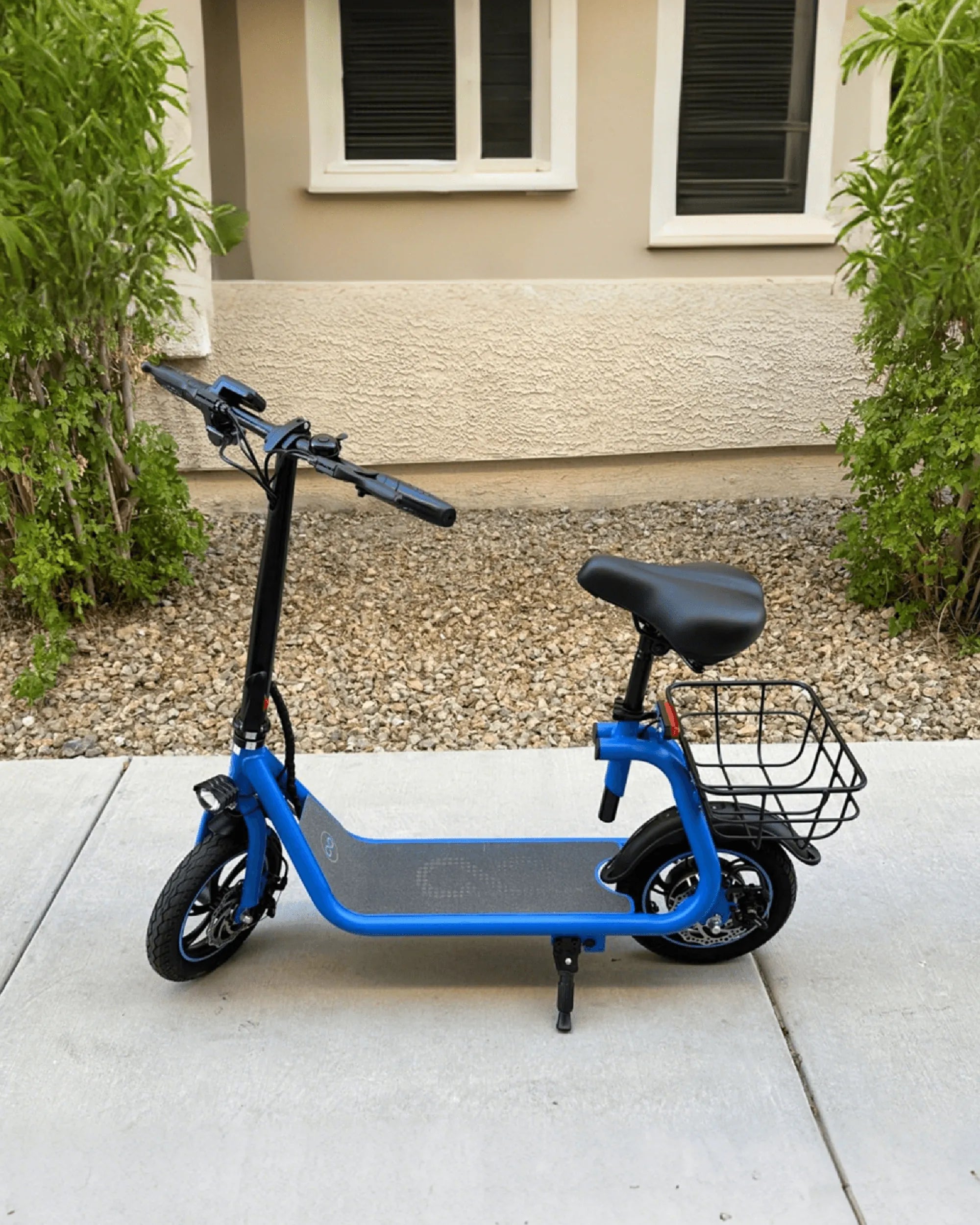
Looking for a vehicle that combines effortless mobility with undeniable charm? The pink electric tricycle represents a perfect fusion of practical engineering and personal expression. This guide will provide you with a complete understanding of this unique vehicle, from its core mechanics and ideal user profiles to the critical specifications that ensure a safe, reliable, and joyful riding experience. You'll learn why stability is its superpower, how to evaluate motor and battery performance, and what separates a quality-built e-trike from a subpar one.
Introduction to Pink Electric Tricycles
A pink electric tricycle is a three-wheeled personal electric vehicle powered by a rechargeable battery and an electric motor. Its defining characteristics are the stable triangular wheelbase and the integrated pedal-assist or throttle-controlled electric drive system. The vibrant pink color is more than an aesthetic choice; it's a statement of visibility and personality. This vehicle category has seen significant growth, moving beyond niche markets to become a popular choice for urban commuters, seniors, and anyone seeking a car-alternative for short trips.
The appeal of the pink electric tricycle lies in its ability to solve multiple mobility challenges simultaneously. It offers the freedom of a bicycle without the physical exertion, the stability missing from a two-wheeled scooter, and the cheerful, custom feel of a personalized vehicle. Whether for grocery runs, leisurely park rides, or a short commute, it provides a unique blend of utility and delight. This article will dissect every aspect, helping you make an informed decision.
Understanding the components is key. Every quality pink electric tricycle consists of a sturdy frame, a hub or mid-drive motor (typically 350W to 750W), a UL-certified lithium-ion battery pack, a controller, a comfortable saddle, and reliable braking systems. The three-wheel design fundamentally alters the riding dynamics, eliminating the need to balance at a standstill. This core feature opens up e-mobility to a much broader audience who may lack the confidence or physical ability for two-wheeled balance.
We will explore not just the 'what' but the 'why' and 'how.' Why is a pink electric tricycle often a safer choice than a two-wheeled e-scooter? How do you interpret motor wattage and battery watt-hours? What does a 1-year warranty actually cover? By the end, you'll have a clear framework for selecting a model that prioritizes safety, performance, and long-term satisfaction, with insights into how established brands engineer their products for real-world use.
Why Choose a Pink Electric Tricycle? Key Benefits & Target Riders
The decision to choose a pink electric tricycle is driven by a combination of practical needs and personal preference. Its benefits cater to specific lifestyles and physical requirements, making it an ideal primary or secondary vehicle for millions. The target rider is not defined by age but by priority: stability, ease of use, and low-impact mobility take precedence over high speed or sporty handling. This makes it exceptionally versatile across demographics.
For seniors and individuals with mobility or balance concerns, the pink electric tricycle is a gateway to renewed independence. The fear of falling is a major barrier to cycling. The trike's design removes that barrier entirely, allowing riders to enjoy the outdoors and run errands without anxiety. The electric assist means hills and distances are no longer intimidating, promoting an active lifestyle without strain. It's a tool for maintaining autonomy and social connection.
Urban dwellers and casual commuters represent another core demographic. Navigating city streets for short trips under 10 miles is where the pink electric tricycle shines. It bypasses traffic, requires no parking fees, and has minimal operating costs. Adding a cargo basket transforms it into a practical grocery-getter or parcel carrier. The pink color adds a layer of fun to the daily grind, turning a utilitarian trip into a more enjoyable experience. It's a pragmatic choice with a personality.
Finally, the pink electric tricycle appeals strongly to style-conscious individuals and families. Parents might choose one for safe, supervised rides with children. The color itself is a powerful attractor—it symbolizes joy, vibrancy, and visibility. In a sea of black and silver vehicles, a pink e-trike stands out, making the rider more noticeable to drivers, which is a subtle safety feature. It’s a vehicle that doesn’t ask you to compromise your personal style for functionality.
Enhanced Stability and Safety
The three-wheel configuration is the foundational safety feature of any pink electric tricycle. Unlike two-wheeled vehicles that require constant micro-adjustments to maintain balance, especially at low speeds or when stopped, a trike remains upright on its own. This eliminates the risk of tipping over when starting from a stop sign or navigating a crowded pathway. The center of gravity, spread across three contact points, is inherently more stable and forgiving.
This stability directly translates to confidence for the rider. There is no need to put a foot down at stops, which is a significant advantage for those with limited flexibility or strength. Maneuvering at walking speeds in tight spaces, like a garage or a crowded market, becomes significantly easier and less stressful. The learning curve is almost non-existent; if you can steer, you can ride. This accessibility is a primary reason for its popularity in retirement communities and rehabilitation settings.
Safety is further enhanced by predictable handling. While a trike has a different turning dynamic than a bicycle (caution is needed on sharp turns at higher speeds to avoid tipping), its straight-line stability is superior. This makes it ideal for paved trails, bike lanes, and neighborhood streets where consistent, predictable travel is key. When combined with proper lighting, reflectors, and a bright pink color for daytime visibility, the pink electric tricycle becomes one of the safest personal electric vehicle options available.
Build quality underpins this inherent stability. A well-constructed pink electric tricycle from a reputable brand will have a rigid, welded steel or aluminum frame that can handle the torsional forces of three-wheeled operation. Lax manufacturing can lead to frame flex, which compromises handling and safety. This is why examining warranty terms and brand reputation is not about luxury, but about fundamental operational security.
Effortless and Accessible Riding
The 'electric' in pink electric tricycle is what transforms it from a niche pedal-powered vehicle into a mainstream mobility solution. The electric motor provides assistance that can be activated via a thumb throttle (like a scooter) or through pedal-assist sensors (like an e-bike). This means riders can travel significant distances—typically 20 to 40 miles on a charge—without breaking a sweat or experiencing joint strain.
Accessibility is engineered into the design. Most models feature a low-step or step-through frame, allowing riders to mount and dismount easily without swinging a leg over a high crossbar. The seating position is upright and comfortable, with a wide saddle and easy-to-reach handlebars. Controls are simple: an on/off switch, a mode selector for assist levels, and brake levers. This intuitive interface ensures the technology serves the rider, not the other way around.
This effortlessness expands the range of possible trips. A quick 3-mile trip to the post office or a 5-mile loop around the park is no longer a calculated effort. Hills become manageable, and headwinds are neutralized. For commuters, it means arriving at work presentable and energized, not fatigued. The pink electric tricycle effectively flattens terrain and shortens distances, giving riders a larger, more accessible world without relying on a car.
The utility is amplified by practical accessories. Front or rear cargo baskets, often included or available as options, turn the pink electric tricycle into a capable load carrier. It can easily transport a week's worth of groceries, a small pet carrier, or a work bag. This combination of effortless propulsion and cargo capacity addresses a significant portion of modern urban travel needs, making it a genuinely car-replacement tool for many local journeys.
A Statement of Personal Style
In a transportation landscape dominated by monochrome and metallic finishes, the choice of a pink electric tricycle is a deliberate expression of individuality. The color pink carries cultural connotations of warmth, playfulness, and optimism. Choosing it for a vehicle rejects the anonymous, purely utilitarian approach to mobility, instead embracing the idea that your daily travel can and should be a source of joy.
This stylistic choice has functional benefits. High-visibility colors are a well-documented safety feature for cyclists and pedestrians. A bright pink vehicle is more likely to be seen by drivers in peripheral vision, especially in low-light conditions like dawn or dusk. The color makes the pink electric tricycle stand out against grey asphalt and green foliage, providing an extra layer of passive protection. Style and safety are not mutually exclusive; here, they are synergistic.
For many riders, the color is empowering. It can represent a reclaiming of fun in later years, a bold statement from a younger rider, or simply a favorite color enjoyed without reservation. The pink electric tricycle becomes an extension of personality, much like the choice of a car color or wardrobe. It sparks conversations and smiles, fostering a more positive and connected community experience. It turns the rider into a subtle ambassador for alternative, joyful transportation.
Brands like Gyroor understand this fusion of form and function. Offering models in distinctive colors like pink isn't just about expanding a palette; it's about acknowledging that riders have diverse tastes and that e-mobility should cater to the whole person. When you invest in a pink electric tricycle from a trusted brand, you're investing in a reliable machine that also reflects your personal aesthetic, proving that serious engineering and delightful design can coexist.
Critical Features to Look for in a Quality E-Trike
Selecting a pink electric tricycle requires moving beyond color and examining the technical specifications that determine performance, safety, and longevity. A checklist of critical features acts as your guide, separating marketing hype from genuine quality. These components—the motor, battery, brakes, frame, and warranty—are the heart of the vehicle. Compromising on them for a lower price often leads to higher long-term costs and potential safety issues.
The first principle is to prioritize certified safety, particularly in the battery system. Electrical fires from poorly manufactured lithium-ion batteries are a real risk in the micro-mobility world. A UL certification (like UL 2271 or UL 2849) for the battery pack and electrical system is non-negotiable. It signifies that the components have undergone rigorous independent testing for electrical, mechanical, and environmental safety. This should be your foremost filter when evaluating any model, pink or otherwise.
Next, consider the intended use case and match the specifications to it. Will you be tackling steep hills? Then motor torque and wattage are paramount. Planning longer rides between charges? Battery capacity (measured in Watt-hours, Wh) is key. Riding in a climate with occasional rain? Water resistance ratings matter. A quality pink electric tricycle is a system where all parts work in harmony. Understanding these specs allows you to buy for your needs, not just for the appealing color.
Finally, assess the support structure behind the product. A comprehensive warranty (like Gyroor's 1-year coverage on the vehicle) indicates the manufacturer's confidence in their build quality and their commitment to standing behind it. Easy access to customer service and available replacement parts (tires, brakes, batteries) are crucial for long-term ownership. A beautiful pink electric tricycle is a poor investment if it becomes an unrepairable ornament after a minor component failure.
Motor Power and Hill Climbing Ability
The motor is the muscle of your pink electric tricycle. Its power, typically rated in watts (W), directly influences acceleration, top speed, and, most importantly, hill-climbing capability. For most adult riders and typical urban terrain with moderate inclines, a 350W motor is considered the minimum for satisfactory performance. A 500W motor provides more confident acceleration and better hill performance, while 750W motors offer power for steeper, sustained grades.
However, wattage alone doesn't tell the full story. Torque, measured in Newton-meters (Nm), is the rotational force that gets you moving from a stop and pushes you up a hill. A motor with high torque at low RPMs is ideal for a trike, as it provides that initial 'push' without needing to build up speed first. Hub motors, commonly used in e-trikes, are integrated into the wheel and provide direct drive. Their performance is sufficient for most uses and they are generally low-maintenance.
When evaluating a pink electric tricycle for hilly areas, don't just look at the motor spec; consider the total system weight (bike + rider + cargo) and the gear system. Some models may feature a mid-drive motor that works through the trike's gears, making it more efficient on hills by allowing the motor to operate in its optimal RPM range. Ask the manufacturer or read reviews for specific feedback on hill performance. A quality 500W system should handle a 10% grade with a 180 lb rider without struggling.
Remember, a pink electric tricycle is not a high-speed vehicle. Top speeds are usually limited to 20 mph or less for safety and regulatory reasons. Therefore, the motor's primary job is not raw speed but providing ample, reliable assist to make riding feel effortless across varied terrain. Overheating is a sign of an underpowered or poorly designed motor system. Quality motors from established suppliers will have thermal protection and be rated for continuous use.
Battery Range and Certification
The battery is the fuel tank of your pink electric tricycle, and its quality is the single most important factor for safety and satisfaction. Range anxiety is a common concern, but it can be mitigated by understanding the specifications. Battery capacity is measured in Watt-hours (Wh), which is the voltage (V) multiplied by the Amp-hour (Ah) rating. For example, a 48V 10Ah battery is a 480Wh pack. Generally, a higher Wh number means a longer potential range.
Manufacturer range claims (e.g., "up to 40 miles") are often based on ideal conditions: a light rider on flat ground using the lowest assist level. Real-world range is affected by weight, hills, wind, tire pressure, assist level, and temperature. A practical estimate is to derate the claimed range by 30-40%. For a pink electric tricycle with a 480Wh battery, a realistic range for mixed use is 25-35 miles. This is ample for multiple days of local errands for most users.
Battery certification is non-negotiable. The UL mark (Underwriters Laboratories) on the battery pack itself is your assurance of safety. UL 2271 is the standard for the battery cells and pack construction, while UL 2849 encompasses the entire electrical system of the vehicle. Brands like Gyroor use UL-certified battery packs tested for over 500 charge cycles, meaning the battery should retain significant capacity for years of regular use. Avoid any model that cannot provide clear certification documentation; the risk of fire is simply not worth the cost savings.
Battery placement and removal are also practical considerations. A well-designed pink electric tricycle will have the battery mounted low and centrally to aid stability, and it should be easily removable for charging indoors. Charging a lithium-ion battery in a moderate-temperature environment (not a freezing garage or hot shed) prolongs its life. A quality charger will have overcharge protection. Investing in a certified battery from a reputable brand is an investment in both safety and long-term value.
Build Quality, Warranty, and Water Resistance
The frame and components of a pink electric tricycle must withstand constant stress from the unique three-point loading. Look for frames made from welded steel or aluminum alloy. Steel is durable and often used on more cargo-oriented models for its strength, while aluminum is lighter and rust-resistant. Check weld points for consistency and finish for quality powder-coating that resists chipping—especially important for maintaining that vibrant pink color.
Braking systems are critical for a vehicle that can carry considerable weight. Disc brakes, whether mechanical or hydraulic, offer superior stopping power and performance in wet conditions compared to traditional rim brakes or cheap drum brakes. At a minimum, a pink electric tricycle should have a reliable front brake and a rear brake, with some models adding a parking brake for added security on inclines. Test the brake feel; levers should engage smoothly and firmly without excessive travel.
Water resistance is specified by an IP (Ingress Protection) rating. An IPX5 rating, like that found on Gyroor models, means the electrical components are protected against low-pressure water jets from any direction. This allows you to confidently ride on wet roads or through light rain without worrying about water shorting the controller or motor. It does not mean the trike is submersible or suitable for heavy downpours, but it provides essential peace of mind for everyday all-weather usability.
The warranty is the manufacturer's guarantee of their build quality. A 1-year comprehensive warranty on the vehicle, like Gyroor offers, should cover defects in the frame, motor, battery, and electronics. Read the terms to understand what is excluded (often wear items like tires and brake pads). A strong warranty signals that the company uses quality components and is prepared to support its product. It transforms your pink electric tricycle from a disposable gadget into a durable appliance for personal transport.
Gyroor’s Commitment to Reliable and Stylish E-Mobility
As a leader in personal electric transportation, Gyroor's approach to e-mobility is built on a foundation of certified safety, robust engineering, and user-centric design—principles that directly benefit the rider of a pink electric tricycle. With over 100,000 riders across North America and Europe and a 4.5/5 average customer rating, Gyroor has demonstrated a consistent commitment to producing vehicles that are not only fun but fundamentally trustworthy. This reliability is crucial when the vehicle is intended for daily use by riders who prioritize stability and peace of mind.
Gyroor's philosophy recognizes that style and substance are not separate pursuits. A pink electric tricycle must be vibrant and appealing, but its color is the finish on a platform engineered for real-world demands. This means starting with the core safety systems: the battery and electrical architecture. By adhering to strict UL certification standards, Gyroor ensures that the most energy-dense and critical component in the vehicle meets the highest independent safety benchmarks available.
Beyond certification, Gyroor designs for durability. The IPX5 water-resistant rating is not an afterthought but a integral feature, ensuring that a sudden shower doesn't end your ride or damage the trike's electronics. The use of quality motors from reputable suppliers, paired with robust controllers, provides smooth, reliable power delivery that riders can depend on trip after trip. This engineering rigor supports the joyful, carefree experience that the pink color promises, ensuring the vehicle remains a source of delight, not frustration.
For the potential buyer of a pink electric tricycle, choosing a brand like Gyroor means accessing a ecosystem of support. The 1-year warranty provides a clear safety net. A history of supplying over 20 models of e-scooters, e-bikes, and hoverboards indicates deep expertise in micro-mobility. When you invest in a Gyroor, you're investing in a product from a company that understands the long-term relationship between a rider and their vehicle, backing it with the service and parts to maintain that relationship for years.
Safety Engineered for Peace of Mind
Gyroor's safety engineering begins with the power source. Every Gyroor model utilizes UL-certified battery packs. This certification process involves brutal stress testing for overcharge, short circuit, vibration, crush, and temperature extremes. For a pink electric tricycle rider, this translates to a dramatically reduced risk of battery-related fire—a concern that has plagued the cheaper, uncertified end of the e-mobility market. The batteries are also rated for 500+ charge cycles, ensuring long-term capacity retention and value.
The electrical system safety extends to the battery management system (BMS) and the charger. The BMS actively monitors each cell within the battery pack, balancing charge, preventing over-discharge, and managing temperature. The included smart charger communicates with the BMS to stop charging once the battery is full, preventing overcharging which degrades battery life. This multi-layered protection is invisible to the rider but works constantly to ensure the pink electric tricycle is as safe to park and charge as it is to ride.
Vehicle dynamics are also part of safety engineering. While the three-wheel design of a trike provides inherent stability, Gyroor's focus on frame integrity and component quality ensures that stability is maintained under load and over time. Using reliable braking components and ensuring proper weight distribution are key aspects of the design process. The goal is to create a pink electric tricycle that feels solid, predictable, and instills confidence from the first ride, allowing the rider to focus on enjoyment rather than operation.
This engineered peace of mind is perhaps the most valuable feature a brand can offer. It allows the rider to fully embrace the benefits of their pink electric tricycle—the freedom, the fun, the utility—without an undercurrent of worry about component failure or safety hazards. When you choose a brand that prioritizes certified safety, you are not just buying a vehicle; you are buying the confidence to integrate it seamlessly and safely into your daily life.
Built for Real-World Use
The IPX5 water resistance rating on Gyroor models is a prime example of building for real-world conditions. A pink electric tricycle is an outdoor vehicle. It will encounter puddles, wet pavement, and unexpected drizzle. An unprotected electrical system can fail in these conditions, leaving you stranded. The IPX5 standard means the controller, motor connections, and display are sealed against water jets, making the trike resilient to the kind of moisture it will actually face during typical use.
Durability is also about withstanding the vibrations and shocks of daily riding on varied surfaces. Gyroor employs quality welding techniques, corrosion-resistant finishes, and component mounting that minimizes stress on electrical connections. The tires are another critical point; using puncture-resistant liners or high-quality rubber compounds reduces the frequency of flats, a major inconvenience for any rider. These considerations ensure the pink electric tricycle remains a dependable tool, not a fragile toy.
Practicality is designed into the user experience. Removable batteries allow for convenient indoor charging, which is better for battery longevity. Intuitive control panels with clear battery level indicators prevent you from being caught with a dead battery far from home. The inclusion of mounting points for baskets or racks acknowledges that riders carry things. This holistic approach to design ensures that the pink electric tricycle fits into your life, adapting to your needs rather than forcing you to adapt to its limitations.
Ultimately, being built for real-world use means providing consistent performance. A Gyroor pink electric tricycle is designed to deliver the same smooth assist, the same reliable braking, and the same comfortable ride on the 500th trip as it did on the first. This consistency is what builds trust and transforms the vehicle from a novelty into an indispensable part of a rider's routine. It’s the difference between a product that works in a showroom and one that works in your life.
Pink E-Tricycle vs. Other Personal E-Transport
Choosing the right personal electric vehicle requires matching the machine's strengths to your primary needs. The pink electric tricycle occupies a unique niche, offering a blend of features distinct from two-wheeled e-bikes, stand-up e-scooters, and traditional bicycles. The following comparison highlights key differentiators to help you determine if a trike is the ideal solution for your mobility goals.
| Feature | Pink Electric Tricycle | Electric Bicycle (2-Wheel) | Electric Scooter (Stand-Up) | Traditional Bicycle |
|---|---|---|---|---|
| Primary Stability | Excellent. Stable at all speeds, including stops. No balancing required. | Good only when moving. Requires balance at low speeds and when stopped. | Poor at low speeds. Requires constant balance and a kickstand when stopped. | Good only when moving. Requires balance at low speeds and when stopped. |
| Ease of Use / Accessibility | Exceptional. Low-step frame, easy mount/dismount. Intuitive for all ages/abilities. | Moderate. Requires mounting over frame and basic cycling skill/balance. | Moderate to Difficult. Requires good balance and core strength to stand. | Difficult for some. Requires fitness, balance, and cycling skill. |
| Cargo Capacity & Utility | High. Often includes large basket. Stable platform for heavy/awkward loads. | Moderate. Can add panniers, but load affects balance. | Very Low. Limited to backpack or small handlebar bag. | Moderate. Can add panniers, but load affects balance and requires more effort. |
| Riding Comfort | High. Upright seated position, wide saddle. No standing fatigue. | Varies (Upright to Sport). Seated, but posture depends on model. | Low. Standing only, transmits road vibration to feet/legs. Tiring on long rides. | Varies. Requires physical exertion. Comfort depends on fitness and bike fit. |
| Style & Personal Expression | High (Pink Model). Unique, highly visible, joyful aesthetic statement. | Moderate. Many styles, but less distinctive than a pink trike. | Low to Moderate. Generally utilitarian tech aesthetic. | Moderate. Depends on customization. |
| Parking & Storage Footprint | Wider. Requires more space than a two-wheeled bike. | Standard. Standard bicycle footprint. | Excellent. Often foldable, very compact. | Standard. Standard bicycle footprint. |
The pink electric tricycle is the undisputed champion for riders whose top priorities are stability, effortless operation, and accessible utility. If you never want to worry about balancing again, if you have mobility concerns, or if you regularly carry heavy or bulky items like groceries, the trike is the superior choice. Its seated, comfortable position makes it suitable for longer leisurely rides where a stand-up scooter would be impractical.
Conversely, if your primary need is compact storage in a small apartment, a foldable e-scooter may be more appropriate. If you are a confident cyclist seeking a more athletic, longer-range ride on varied terrain, a traditional two-wheeled e-bike might be a better fit. The pink electric tricycle does sacrifice some agility and has a larger footprint. However, for its target audience, these are acceptable trade-offs for the profound benefits of stability and ease.
The comparison underscores that the pink electric tricycle is not a direct competitor to sportier e-bikes or ultra-portable scooters. It serves a different, equally important purpose: providing inclusive, stress-free, and practical electric mobility. When you see a pink electric tricycle, you're looking at a vehicle chosen for joy, comfort, and capability over raw efficiency or minimalism. It's a lifestyle choice as much as a transportation one.
Frequently Asked Questions (FAQs)
1. Do I need a driver's license or insurance to ride a pink electric tricycle?
In most jurisdictions in the United States and Canada, a pink electric tricycle classified as a "low-speed electric bicycle" (with a motor under 750W and a maximum assisted speed of 20 mph) does not require a driver's license, vehicle registration, or insurance. Regulations can vary by state, province, or municipality, so it is always advisable to check your local laws regarding e-bikes and three-wheeled vehicles. Generally, they are treated similarly to bicycles on bike paths and roads.
2. How far can a typical pink electric tricycle go on a single charge?
Real-world range depends heavily on battery capacity, rider weight, terrain, assist level, and wind. A model with a 480Wh battery (e.g., 48V 10Ah) can typically achieve 20 to 35 miles per charge under mixed conditions. Using a lower level of pedal assist or the throttle sparingly will extend range. Riding on flat ground at a steady pace will maximize range, while frequent hill climbing and use of the highest assist level will reduce it. Always plan for a range about 30% less than the maximum advertised claim.
3. Is it difficult to store or park a pink electric tricycle?
A pink electric tricycle has a wider footprint than a standard bicycle due to its two rear wheels. It requires a parking space roughly the size of a motorcycle. It can be stored in a standard garage, shed, or on a covered patio. Some models may have features like a folding handlebar or a quick-release front wheel to slightly reduce width for transport or tight storage. It is not as compact as a foldable e-scooter, but its stability when parked (it stands on its own) is a major advantage over two-wheeled vehicles that require a kickstand.
4. Can it carry groceries or other cargo?
Absolutely. Carrying capacity is one of the key strengths of a pink electric tricycle. Most models come equipped with a large front or rear wire basket, and many have frames designed to accommodate additional pannier bags or aftermarket cargo platforms. The stable three-point stance means you can load the basket heavily without affecting the bike's balance when stopped. This makes it an exceptional vehicle for grocery shopping, carrying library books, or transporting small pets in a carrier.
5. How do I maintain a pink electric tricycle?
Maintenance is relatively simple but important. Regular tasks include checking and inflating tires to the recommended PSI (crucial for range and comfort), ensuring all bolts (especially on wheels and the handlebar stem) are tight, and keeping the chain lubricated if it has a pedal-assist system. Brake pads should be inspected for wear periodically. The most important maintenance is for the battery: avoid fully draining it, store it in a cool, dry place, and use only the provided charger. An annual check-up at a bike shop familiar with e-bikes is recommended for safety.
Conclusion: Finding Your Perfect Ride
The journey to choosing a pink electric tricycle is ultimately about aligning a vehicle's capabilities with your desire for freedom, safety, and self-expression. This guide has detailed how the trike's three-wheel design provides unparalleled stability, how its electric assist opens up mobility to all fitness levels, and how its vibrant color turns a practical machine into a personal statement. The data is clear: for riders prioritizing these attributes, the pink electric tricycle is an unmatched solution.
Your decision should be guided by a focus on certified safety and proven reliability. Specifications like UL-certified batteries, IPX5 water resistance, a robust motor, and a comprehensive warranty are not mere checkboxes—they are the pillars of a safe and satisfying ownership experience. These features ensure that the joy of riding your pink electric tricycle is built on a foundation of trust, allowing you to explore your community with confidence for years to come.
Brands like Gyroor have demonstrated that it is possible to deliver this combination of style, substance, and safety at scale. By engineering their vehicles to meet rigorous independent standards and supporting them with strong warranties, they provide a benchmark for what to look for in the market. Your perfect pink electric tricycle is one that doesn't ask you to choose between looking good and riding safely; it delivers both.
Ready to experience the stable, effortless, and joyful ride a pink electric tricycle can offer? Begin your search with brands that prioritize the safety features and build quality discussed here. Explore the full range of reliable, UL-certified e-mobility solutions designed for real life. Browse the full Gyroor collection and find your perfect ride at gyroorboard.com.
48 Volt E Bike Charger: The Complete Guide to Safe, Fast Charging
How Fast Can a Class 2 Ebike Go: The Complete Speed Guide