



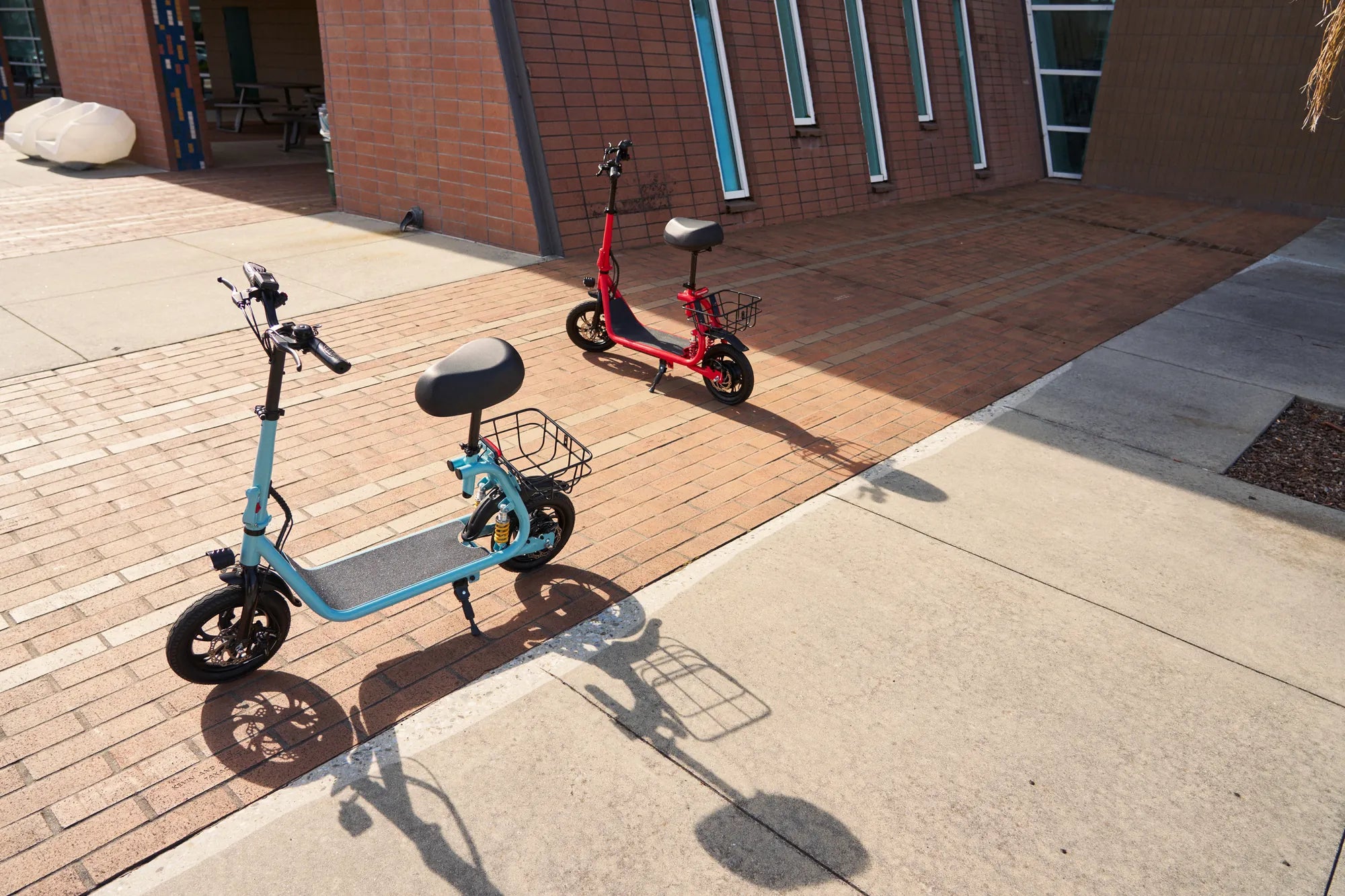
Introduction: The Critical Role of Your 8-Inch Scooter Tire
Your scooter tyre for 8inch wheels is the single point of contact between your vehicle and the road. This critical component directly influences acceleration, braking, comfort, and overall safety. For popular commuter and off-road electric scooters, the 8-inch diameter offers a unique balance of agility, stability, and ground clearance.
Choosing the right tire and maintaining it properly is not an accessory consideration; it's a fundamental aspect of responsible ownership. As a leader in personal electric transport trusted by over 100 thousand riders, Gyroor engineers its scooters with specific tire performance in mind, ensuring that the UL-certified battery and robust motor are matched with appropriate rubber for a reliable ride.
This guide will provide you with the comprehensive, data-driven knowledge needed to make informed decisions about your 8-inch scooter tires. You will learn about different tire types, how to select the perfect match for your needs, and the essential maintenance protocols to maximize safety and longevity.
Anatomy of an 8-Inch Scooter Tire: What You Need to Know
Understanding the basic construction of a scooter tyre for 8inch wheels is the first step to making an educated purchase. These tires are more than just a ring of rubber; they are engineered systems designed to handle specific loads, speeds, and terrains.
The primary components include the tread, which provides traction; the carcass or casing, which gives the tire its shape and strength; and the bead, which locks the tire securely onto the rim. For pneumatic tires, the inner tube or the tubeless design holds the air pressure that defines the ride quality.
Specifications are typically printed on the tire's sidewall. A common marking like "8x2.0" indicates an 8-inch outer diameter and a 2.0-inch width. The width is crucial, as a wider tire (e.g., 8x2.5) generally offers more stability and grip, while a narrower one may provide slightly better acceleration and lower rolling resistance.
The material compound also plays a significant role. Softer rubber offers superior grip but may wear faster, while harder compounds prioritize mileage. The ply rating, often seen as "2PR" or "4PR," indicates the number of reinforcing fabric layers in the casing, contributing to puncture resistance and load capacity.
Tire Types: Air-Filled (Pneumatic) vs. Solid (Airless)
The first major decision is between pneumatic and solid tires. Each has distinct advantages and trade-offs that cater to different rider priorities.
Pneumatic (Air-Filled) Tires: These are the standard for most performance and comfort-focused scooters. They contain an inner tube or are designed as tubeless. Their primary advantage is the air cushion, which absorbs road vibrations and impacts, providing a significantly smoother and more comfortable ride. This also improves traction, as the tire can conform slightly to road surfaces.
The main drawback is the risk of punctures from glass, thorns, or sharp debris. They also require regular pressure checks and occasional inflation. Many Gyroor commuter models utilize pneumatic tires to ensure a comfortable daily ride, complementing their IPX5 water-resistant designs which help protect the scooter itself in wet conditions.
Solid (Airless) Tires: Constructed from a solid rubber or polyurethane compound, these tires are completely immune to punctures. They require virtually no maintenance—no air pressure checks, no risk of going flat. This makes them appealing for riders who prioritize convenience and want to eliminate the hassle of flats entirely.
However, the trade-off is ride quality. Solid tires are much less effective at absorbing shocks, leading to a harder, more jarring experience on uneven pavement. They can also offer slightly less grip, particularly in wet conditions, as they cannot deform to the same degree as a pneumatic tire. They are often found on entry-level or ultra-durable utility scooters.
Understanding Tire Markings and Dimensions
Decoding the sidewall is essential for compatibility and performance understanding. Let's break down a typical marking: 8 x 2.0 30 PSI MAX.
The "8" denotes the tire's overall diameter in inches. This must match your rim diameter. The "2.0" is the tire width, also in inches. A wider tire increases the contact patch with the ground, enhancing stability and cornering grip, but may also increase rolling resistance slightly.
The "30 PSI MAX" indicates the maximum recommended air pressure. Operating at the correct pressure is critical for pneumatic tires. Under-inflation causes excessive sidewall flex, poor handling, increased rolling resistance (reducing range), and higher risk of pinch flats. Over-inflation makes the ride harsh and reduces the tire's contact patch, compromising traction.
Other markings may include load indexes and speed ratings, though these are less common on standard scooter tires. Always refer to your scooter's manual for the manufacturer's recommended tire specifications to ensure optimal performance and safety.
Choosing the Right 8-Inch Tire: A Buyer's Guide for Every Rider
Selecting the ideal scooter tyre for 8inch wheels is not one-size-fits-all. Your choice should be dictated by your primary riding environment, performance expectations, and scooter model. This decision impacts your safety, comfort, and the longevity of your scooter's components.
Consider the terrain you most frequently encounter: smooth bike paths, cracked city streets, or loose gravel trails. Also, factor in your riding style—are you a cautious commuter or an enthusiastic explorer? Your answers will guide you toward the tire with the appropriate tread pattern, compound, and construction.
It is also vital to consider the total system. A high-performance tire on a scooter with a basic suspension will behave differently than on a model with advanced shock absorption. Gyroor designs its scooters as integrated systems, where the tire choice complements the frame geometry and suspension for a balanced ride.
Investing in the correct tire from the start prevents premature wear, poor handling, and potential safety issues. It is a direct investment in your riding experience and the preservation of your scooter's value.
For Urban Commuters: Prioritizing Puncture Resistance & Longevity
The urban rider faces a unique set of challenges: pavement seams, potholes, road debris (glass, nails), and variable weather conditions. For this rider, reliability and low maintenance are often top priorities.
An ideal urban commuter scooter tyre for 8inch wheels often features a medium-soft rubber compound for good wet and dry grip. Look for tires with a tread pattern that channels water away to prevent hydroplaning. Some models incorporate a puncture-resistant layer, such as a Kevlar belt under the tread, which significantly reduces the chance of flats from common street debris.
While pneumatic tires are preferred for comfort, there are robust options designed for city use. Maintaining the correct PSI (typically between 35-50 PSI, but always check your manual) is the commuter's most important weekly task. This simple habit ensures optimal range, handling, and puncture protection.
This focus on durable, reliable components aligns with Gyroor's engineering philosophy, where features like UL-certified batteries and IPX5-rated water resistance are paired with tires suited for daily, real-world use, ensuring a dependable commute.
For Off-Road & Trail Enthusiasts: Maximizing Traction & Durability
Off-road riding demands a tire that can handle loose dirt, gravel, mud, and uneven surfaces. Traction, durability, and sidewall strength are the key attributes here.
An off-road scooter tyre for 8inch wheels will have a pronounced, knobby tread pattern. These lugs dig into soft terrain to provide forward drive and lateral grip when cornering on trails. The spacing between knobs is also important; wider spacing helps prevent mud from clogging the tread.
The tire casing must be robust, often with a higher ply rating (4PR or more) to resist cuts and impacts from rocks and roots. The rubber compound may also be tougher to resist abrasion. These tires are almost exclusively pneumatic, as the air pressure can be adjusted lower to increase the contact patch and improve grip on soft surfaces, a technique not possible with solid tires.
Riders should be aware that these aggressive tires will be louder and may vibrate more on paved surfaces, and they typically have higher rolling resistance, which can slightly reduce battery range compared to slicker commuter tires.
Compatibility Check: Ensuring a Perfect Fit for Your Scooter
Purchasing the wrong size tire is a frustrating and potentially dangerous mistake. Compatibility extends beyond just the 8-inch diameter.
Rim Width: The tire width must be appropriate for your rim's width. A tire that is too narrow or too wide for the rim will not seat properly, leading to poor handling and possible bead dislodgement. Consult your scooter's manual for the approved tire size range.
Valve Type: Ensure the tire's valve stem (Schrader or Presta) matches what your rim and pump can accommodate. Schrader valves (like those on car tires) are most common on scooters.
Motor and Brake Clearance: This is critical, especially for rear tire changes. A wider or differently patterned tire might rub against the motor housing, swingarm, or brake caliper. Always check for adequate clearance on all sides.
The safest approach is to use tires specified by the scooter manufacturer. For Gyroor scooter owners, consulting the official manual or reaching out to customer support ensures you get a tire that fits perfectly and maintains the designed performance and safety characteristics of your vehicle.
Installation, Maintenance, and Safety Protocols
Proper installation and consistent maintenance are the practices that transform a quality tire into a guarantee of safety and performance. Neglecting these areas can void warranties, damage your scooter, and put you at risk.
A well-maintained scooter tyre for 8inch wheels ensures predictable handling, efficient braking, and maximum battery range. It also protects other components like the suspension, bearings, and frame from undue stress caused by an out-of-balance or under-inflated wheel.
Establishing a simple, regular maintenance routine takes only minutes but pays dividends in safety, cost savings, and riding pleasure. This hands-on care complements the built-in safety features of brands like Gyroor, creating a comprehensive safety ecosystem for the rider.
Remember, mechanical upkeep is as important as battery care. While Gyroor's UL-certified battery pack undergoes rigorous testing, the tires are the components you interact with every meter of your journey.
Step-by-Step: How to Replace an 8-Inch Scooter Tire
Replacing a tire requires patience, the right tools, and attention to safety. If you are not mechanically confident, seeking professional help is strongly advised.
Tools Needed: Tire levers (plastic or nylon to avoid rim damage), wrenches or hex keys to remove the wheel, a pump with a pressure gauge, and optionally, soapy water for lubrication.
Process Overview: First, securely lift and support your scooter. Remove the wheel by loosening the axle nuts and disconnecting any brake cables or electronic connectors for the motor. Deflate the tube completely if present. Use tire levers to carefully pry the tire bead over the rim, starting opposite the valve stem. Remove the old tire and tube. Inspect the rim tape and clean the rim bed.
To install, slightly inflate the new tube (just enough to give it shape) and place it inside the new tire. Start seating one side of the tire bead onto the rim. Insert the valve stem through the rim hole. Work the second bead onto the rim, using tire levers with care to avoid pinching the tube. Inflate slowly to the recommended pressure, checking that the bead seats evenly all around. Reinstall the wheel, ensuring all bolts are torqued securely.
Maintenance Routine: Pressure Checks, Wear Inspection, and Cleaning
A consistent maintenance routine is simple but critical. Follow this checklist weekly or before any significant ride.
Pressure Check: Use a reliable gauge to check PSI when tires are cold. Refer to your scooter's manual for the exact range. The table below provides general guidelines:
| Tire Type | Typical PSI Range | Check Frequency |
|---|---|---|
| Urban Commuter (Pneumatic) | 40 - 50 PSI | Weekly |
| Off-Road (Pneumatic) | 25 - 40 PSI (adjust for terrain) | Before each ride |
| Solid (Airless) | N/A | Visual inspection only |
Wear Inspection: Visually inspect tread depth and look for signs of uneven wear, which can indicate alignment or inflation issues. Look for cuts, cracks in the sidewall, or embedded debris like glass or small stones that could work their way in deeper.
Cleaning: Wipe tires down with a damp cloth to remove dirt and grime. Avoid harsh chemical cleaners that can degrade the rubber. Keeping tires clean makes inspection easier and prevents abrasive dirt from accelerating wear.
Safety First: The Direct Link Between Tire Health and Rider Safety
The condition of your tires is the most direct mechanical factor in your safety while riding. Worn or improperly maintained tires dramatically increase stopping distances, reduce cornering stability, and elevate the risk of skids or blowouts.
A tire with low tread depth has significantly less grip, especially on wet roads, as it cannot effectively channel water away. This can lead to hydroplaning. Under-inflated tires can overheat during extended use, potentially leading to a sudden failure.
Regular inspection for damage is crucial. A small cut or bulge in the sidewall can be a precursor to a catastrophic failure at speed. Your proactive maintenance is the first and most important layer of safety.
This mechanical vigilance pairs with the integrated safety designed into quality scooters. For instance, Gyroor's commitment extends from its UL-certified battery packs—tested for over 500 charge cycles—to the expectation that riders will maintain their tires, ensuring the entire vehicle operates as a safe, reliable system backed by a 1-year warranty.
Frequently Asked Questions (FAQ) About 8-Inch Scooter Tires
Q1: How often should I replace my scooter tires?
Replacement is based on wear, not time. Inspect tread depth regularly. For pneumatic tires, look for the wear indicators (small rubber bars in the tread grooves). If these are flush with the tread, replace the tire. Significant cracking (dry rot), visible cord, or sidewall damage also necessitates immediate replacement. Aggressive riders may need new tires every 6-12 months, while casual commuters might get 1-2 years.
Q2: Can I put off-road tires on my commuter scooter, or vice versa?
Physically, if the size matches, you can often swap them. However, it is not always optimal. Putting aggressive off-road tires on a pavement-only scooter will increase noise, vibration, and rolling resistance (reducing range). Putting slick commuter tires on an off-road scooter will result in poor and dangerous traction on loose surfaces. Always ensure there is adequate clearance for any different tire profile.
Q3: What is the correct tire pressure for my 8-inch pneumatic tires?
The only definitive answer is in your scooter's owner's manual. Do not rely on the MAX PSI on the tire sidewall. The manufacturer determines the optimal pressure for your scooter's weight and performance. As a general rule, most 8-inch commuter tires perform best between 40-50 PSI. Always check pressure when tires are cold for an accurate reading.
Q4: Does changing my tires affect my Gyroor warranty?
Performing a tire change yourself does not automatically void the overall warranty. However, any damage caused to the scooter (e.g., to the rim, motor, or brake system) during an improper tire change would not be covered. Using tires of an incorrect size or specification that leads to component failure could also affect coverage. For warranty assurance, using genuine or manufacturer-approved replacement parts and following proper procedures is recommended.
Q5: Where can I purchase genuine replacement tires for my Gyroor scooter?
The most reliable source is directly from Gyroor or through its authorized dealers and service centers. This guarantees correct fitment, quality, and compatibility. You can browse official replacement parts and accessories alongside the full Gyroor collection at gyroorboard.com. Third-party tires of the correct size may work, but always verify compatibility as described in the Compatibility Check section above.
Conclusion: Investing in Performance and Peace of Mind
Your choice and care of a scooter tyre for 8inch wheels is a direct investment in your riding experience, safety, and the long-term health of your scooter. From the smooth-rolling commuter tire that soaks up city streets to the knobby off-road tire that claws into trails, the right rubber transforms how your scooter feels and performs.
Prioritize the fundamentals: understand the types, select based on your primary use case, and commit to a simple maintenance routine of pressure checks and inspections. This proactive approach ensures that your scooter's advanced features—whether it's a powerful motor or a Gyroor UL-certified battery—are supported by a solid foundation of traction and control.
Safety is a system, blending responsible rider maintenance with robust product engineering. By choosing quality tires and caring for them, you elevate your daily commute or weekend adventure, ensuring every journey is as secure as it is enjoyable. Explore the range of performance-engineered electric scooters and find the perfect model to match your chosen terrain. Browse the full Gyroor collection at gyroorboard.com.
Trike Prices Near Me: A Complete 2024 Buyer's Guide to Cost & Value
How to Ride a Scooter for Adults: The Complete 2024 Guide