

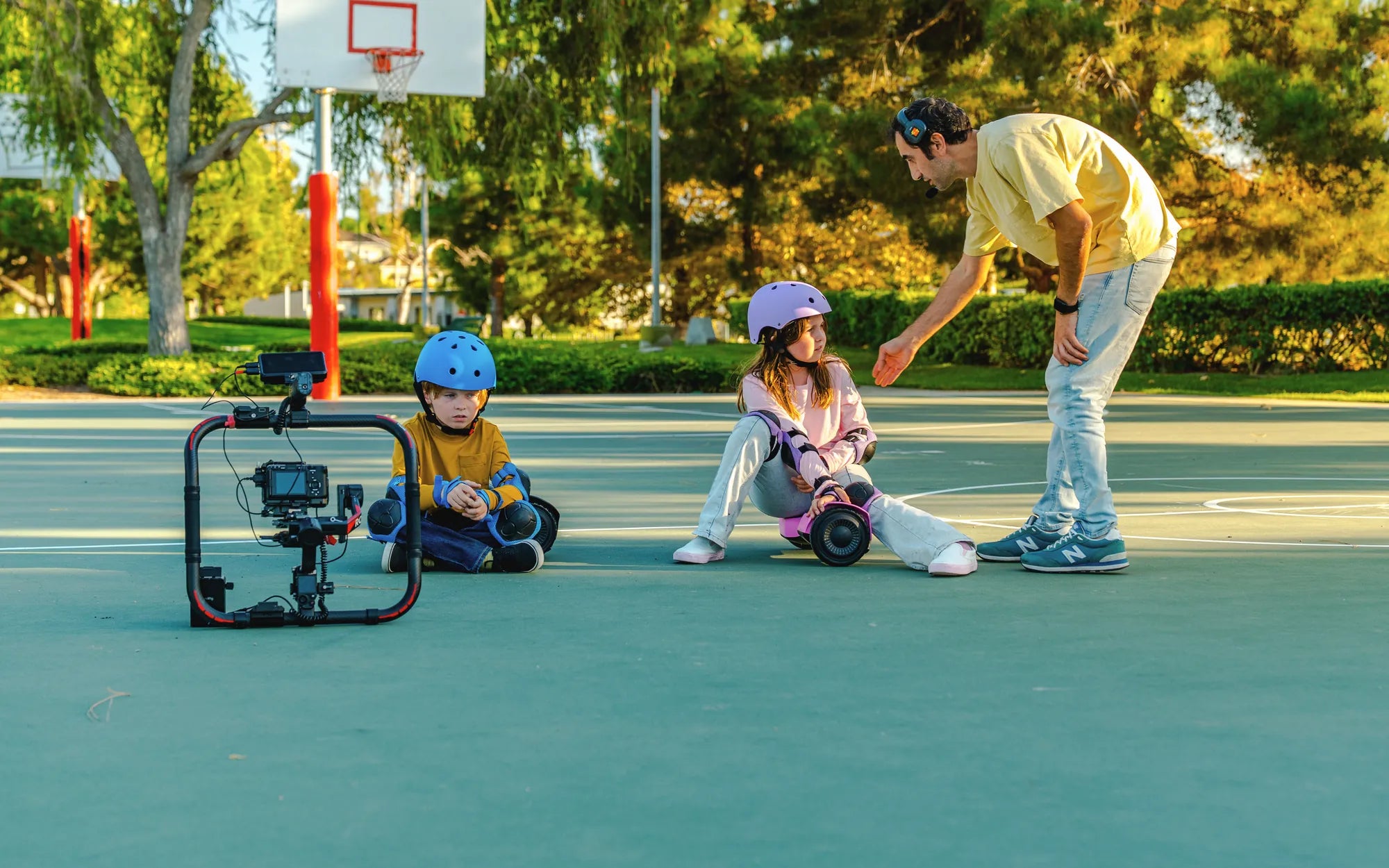
Choosing the right first vehicle for your child is a pivotal decision in their physical development. A top quality self balance bike scooter for kids, often called a balance bike or glider, offers a revolutionary approach to learning that builds natural coordination and confidence. Unlike training wheels that teach dependency, these scooters allow children to master balance, steering, and braking intuitively, leading to a seamless transition to a pedal bike. This guide will provide comprehensive, data-driven insights into selecting a durable, safe, and fun model, drawing on engineering principles from leading mobility brands like Gyroor, known for its UL-certified batteries and robust designs trusted by over 100,000 riders. You’ll learn to identify critical features, understand safety benchmarks, and implement proven teaching techniques to ensure your child's riding journey begins with joy and security.
Why a Self-Balance Bike Scooter is the Perfect First Ride
The traditional method of learning to ride a bicycle with training wheels has been largely supplanted by the balance bike approach, and for compelling developmental reasons. A self-balance bike scooter functions as a pure tool for learning equilibrium and spatial awareness. By removing the complexity of pedals, children from 18 months to 5 years can focus entirely on the core skill of balancing on two wheels, which constitutes over 70% of the challenge in riding a conventional bike.
This method aligns with natural gross motor skill progression. Children start by walking the bike while seated, progress to striding, and eventually lift their feet to glide, discovering balance through their own body movements. Studies and parental surveys consistently show that children who learn on balance bikes often transition to pedal bikes without ever needing training wheels, typically at a younger age and with significantly less fear and frustration.
The psychological benefits are as important as the physical ones. Successfully gliding independently builds immense self-confidence and a sense of autonomy. A well-designed balance scooter becomes a source of pride and a catalyst for outdoor play, promoting healthy activity levels. When selecting a top quality self balance bike scooter for kids, you are investing in a tool that develops foundational skills for cycling while fostering a lifelong positive association with physical activity and exploration.
Brands that excel in adult electric mobility, like Gyroor, bring a rigorous engineering mindset to this category. Their expertise in frame integrity, weight distribution, and safety testing directly translates into creating superior, child-specific products that prioritize durability and security, ensuring the learning experience is both effective and safe from the first push-off.
What Makes a "Top Quality" Kids' Self-Balance Scooter? Key Features Breakdown
Not all balance bikes are created equal. The market is flooded with options, but a truly top quality self balance bike scooter for kids is defined by specific, measurable characteristics that impact safety, longevity, and the child's experience. Discerning these features is crucial for parents seeking value and performance.
A high-quality model will use premium materials not just for aesthetics but for functional superiority. The construction must withstand years of active use, including drops, curb jumps, and weather exposure, while remaining light enough for a small child to control. The design must incorporate safety features that protect the child during inevitable learning tumbles.
Furthermore, adjustability is non-negotiable. Children grow rapidly, and a scooter that cannot adapt will be outgrown in a single season. A top-tier model will offer a wide range of seat and often handlebar adjustment to accommodate a growth span of several years, making it a lasting investment. Every component, from the wheels to the bearings, should be selected for smooth operation and minimal maintenance, allowing the focus to remain on fun.
Frame & Build: Lightweight Yet Durable
The frame is the skeleton of the scooter. Top-quality models utilize materials like aircraft-grade aluminum or magnesium alloy. These alloys offer an exceptional strength-to-weight ratio. A lightweight frame, typically between 6 to 10 pounds, is critical; a child who can easily lift and maneuver their bike will feel more in control and less fatigued.
Durability is tested at the weld points and joints. Look for reinforced, smooth welds and gussets at high-stress areas like the head tube and seat tube junction. A poorly welded steel frame may be cheap but can be dangerously heavy and prone to failure. The frame geometry should also ensure a low center of gravity, enhancing stability for novice riders. A well-built frame from a reputable brand is the foundation of a safe and long-lasting product.
Wheels & Tires: Stability and Smooth Ride
Wheels are the primary interface with the ground and a major determinant of ride quality. There are two main types: air-filled (pneumatic) tires and solid foam or EVA tires. Pneumatic tires, similar to bicycle tires, offer superior shock absorption, providing a smoother ride on bumpy sidewalks, gravel paths, and grass. This comfort can encourage longer riding sessions.
Solid tires are essentially maintenance-free—no risk of punctures—and are ideal for perfectly smooth surfaces like indoor floors or pristine pavement. However, they transmit more vibration. Regardless of type, high-quality sealed bearing hubs are essential. These bearings allow the wheels to spin freely and quietly with minimal friction, enabling longer, more satisfying glides. Loose or poor-quality bearings create drag and can seize, hindering the learning process.
Adjustability: Growing with Your Child
The hallmark of a thoughtful design is easy, tool-free adjustability. The seat post should have a quick-release clamp or a simple bolt that allows height adjustment in seconds. The ideal seat height allows the child to sit squarely on the saddle with their feet flat on the ground and a slight bend in the knees (approximately a 25-30 degree angle).
Some premium models also feature adjustable handlebar height. This ensures the child can maintain an ergonomic, upright riding position as they grow, preventing hunching or overreaching, which can affect control and comfort. A scooter with a wide adjustment range, say from a 12-inch inseam to a 20-inch inseam, can serve a child from age 2 to 5 or 6, delivering exceptional long-term value.
Safety & Design: Thoughtful Details Matter
Safety features on a top quality self balance bike scooter for kids are often subtle but critical. Rounded, capped handlebar ends prevent injury in a fall. A steering limiter—a built-in restriction on how far the front wheel can turn—prevents sharp, jackknife turns that can cause the rider to be thrown over the handlebars.
The footrest area should be textured or rubberized to provide grip for small shoes. The overall design should have no sharp edges, pinch points, or exposed fasteners. Additionally, a rear hand brake is increasingly found on models for older toddlers (3+). It introduces the concept of braking early and provides an alternative to dragging feet, which is useful on hills or for preserving shoe soles. These integrated safety elements demonstrate a brand's commitment to holistic child protection.
The Gyroor Advantage: Engineering Trust for Your Child's First Wheels
When venturing into the world of children's ride-ons, brand heritage in engineering matters. Gyroor, a leader in electric scooters and e-bikes for adults, applies its core competencies in vehicle dynamics, material science, and safety testing to its range of kids' products. This translates into a tangible advantage for parents seeking a top quality self balance bike scooter for kids.
The company's reputation is built on reliability. With a customer base of over 100,000 riders and a 4.5/5 average rating, Gyroor has proven its ability to deliver durable, high-performance personal transportation. This same ethos of creating trustworthy products is channeled into designing balance scooters that aren't mere toys, but properly engineered first vehicles. Parents can leverage the brand's established expertise in creating stable, safe platforms, even in a non-electric format.
Choosing a Gyroor product means accessing a ecosystem built on verified safety standards and responsive customer support. This is a significant differentiator in a market segment often characterized by anonymous brands and limited accountability. The peace of mind that comes from a known entity with a track record is invaluable.
Built to Last: Premium Materials and Construction
Gyroor's electric models are known for their robust frames that withstand daily commutes. This philosophy directly informs their approach to kids' balance scooters. Expect the use of high-grade aluminum alloys that are both light and exceptionally strong. The manufacturing process likely involves the same quality control checks for weld integrity and component alignment used in their adult-oriented line.
This results in a product that can endure the rigors of childhood. It can handle being tipped over, left outside, and ridden hard on various surfaces without compromising its structural integrity. The longevity offered by such construction means the scooter can be passed down to siblings, maximizing the investment and ensuring more children benefit from a quality learning tool.
Safety as a Standard, Not an Option
Gyroor's paramount concern in its electric products is battery and operational safety, evidenced by its use of UL-certified battery packs tested for 500+ charge cycles. This ingrained safety-first culture extends to every product category. For a balance scooter, this means proactive hazard mitigation in the design phase.
Beyond the basic rounded edges, one can expect thoughtful implementation of steering limiters, secure fasteners that won't vibrate loose, and stable geometry that prevents easy tipping. The brand's experience in designing stable platforms at speed gives it unique insight into creating a supremely stable platform for a beginner. Safety isn't an afterthought or a marketing bullet point; it's the foundational principle of the engineering process.
The Value of a Trusted Brand & Warranty
In the children's product space, a strong warranty is a direct reflection of a manufacturer's confidence in their materials and workmanship. Gyroor backs its products with a reliable 1-year comprehensive warranty, a commitment that stands out. This warranty provides a clear recourse in the unlikely event of a manufacturing defect, offering financial protection and hassle-free resolution.
Furthermore, access to dedicated customer service from a known brand is a significant advantage. Whether it's a question about adjustment, a request for a replacement part, or general advice, having a responsive support channel is reassuring. This level of post-purchase support is rare for children's ride-ons and underscores the long-term value proposition of choosing a reputable manufacturer over an unknown entity.
Choosing the Right Model: A Data-Driven Comparison for Parents
Selecting the ideal balance scooter requires matching the product's specifications to your child's individual needs and your family's lifestyle. The following table provides a framework for comparison, highlighting key decision factors. Remember, the best top quality self balance bike scooter for kids is the one that fits your child perfectly and is suited to their primary riding environment.
| Feature / Model Type | Standard Lightweight | All-Terrain (Pneumatic) | Premium with Brake |
|---|---|---|---|
| Best For Age | 18 mos - 4 years | 2 - 6 years | 3 - 6 years |
| Frame Material | Aluminum Alloy | Aluminum/Steel Composite | Magnesium/Aluminum Alloy |
| Wheel Type | Solid EVA Foam | Air-Filled (Pneumatic) | Pneumatic or Premium Foam |
| Key Advantage | Ultra-light, low maintenance | Smooth ride on bumps/grass | Teaches braking, longest lifespan |
| Ideal Environment | Smooth pavement, indoors, driveways | Park paths, gravel, uneven sidewalks | All surfaces, including gentle hills |
| Weight Limit | ~50 lbs | ~60 lbs | ~65 lbs |
| Consideration | Less shock absorption | Requires occasional tire inflation | Higher price point |
When analyzing options, always prioritize the correct size. The child must be able to stand over the frame with both feet flat. The scooter's weight should not exceed 30-40% of the child's body weight for optimal control. Consider where they will ride most often: pneumatic tires are vastly superior for anything other than perfect pavement. Finally, factor in longevity—a model with a wider adjustment range and a hand brake may have a higher initial cost but will provide more years of usable life.
Getting Started: A Parent's Guide to Safe and Fun Riding
Once you've selected a top quality self balance bike scooter for kids, proper introduction is key to a positive experience. The goal is to build confidence through incremental success. Avoid the temptation to push or hold the bike; the child must be in control to internalize the feeling of balance.
Start in a safe, open, and flat area free of traffic and major obstacles, like an empty parking lot or a quiet cul-de-sac. Grass can be a softer landing surface for the very first attempts, though it provides more rolling resistance. Ensure your child is dressed in closed-toe shoes and the essential safety gear before they even sit on the scooter. Your role is that of a calm, encouraging coach, not a director.
The First Ride: Setup and Adjustment
Before the child gets on, perform a pre-ride safety check. Ensure all bolts (especially on the handlebars and seat clamp) are tight. Spin the wheels to confirm they rotate freely and don't wobble. Check tire pressure if using a pneumatic model—they should be firm but not rock-hard.
Adjust the seat height correctly. With the child standing beside the scooter, set the saddle height to about 1-1.5 inches below their inseam. When seated, they should be able to place the entire sole of their foot flat on the ground with a slight knee bend. This position allows them to propel themselves effectively and use their legs as stabilizers without feeling tippy. A proper fit is the first step to safety and control.
Learning to Glide: Teaching Techniques
The learning process follows a natural progression. Start by having your child simply walk the bike while sitting on the saddle. Encourage them to take big, confident steps. This gets them accustomed to the weight and steering. Next, encourage "running" strides while seated. As they gain speed, they will naturally begin to lift their feet for brief moments.
Celebrate these short, one-second glides! Use positive reinforcement. You can place a small marker on the ground and challenge them to glide from one point to another. Avoid holding the handlebars or seat, as this disrupts their natural balance learning. If they are hesitant, demonstrate on your own bicycle or simply walk alongside them. The moment they discover they can balance on their own is magical and self-driven.
Safety Gear is Non-Negotiable
A properly fitted helmet is an absolute requirement for every ride, no exceptions. Look for a CPSC (U.S.) or CE (Europe) certified bicycle helmet designed for children. It should sit level on the head, covering the forehead, and the straps should form a "V" under each ear with the chin strap snug.
For beginners, knee and elbow pads are highly recommended. Falls are part of the learning process, and pads prevent painful scrapes that can discourage further practice. Palm-protecting gloves can also be beneficial. Making safety gear a non-negotiable part of the "riding uniform" from day one establishes a critical habit that will protect them as they graduate to pedal bikes, scooters, and beyond. Safety enables sustained fun.
Frequently Asked Questions (FAQs)
Q: What is the ideal age to start on a balance bike?
A: Most children are ready between 18 months and 2.5 years, once they can walk and run steadily. The key indicator is the child's inseam height; they must be able to stand over the bike's frame with feet flat. Models exist for a range from 12-inch to 20-inch inseams, catering to ages up to 5 or 6.
Q: How is a balance bike different from a tricycle or a bike with training wheels?
A: Tricycles and training wheels teach pedaling first but circumvent the challenge of balance. A balance bike focuses exclusively on mastering balance and steering—the most difficult parts of riding. This foundational skill, once learned, makes the addition of pedaling trivial. Children who use balance bikes typically skip training wheels entirely.
Q: Can my child use a balance bike on grass or gravel?
A> Yes, but the type of tire matters significantly. Models with wide, air-filled (pneumatic) tires are excellent for soft surfaces like grass and hard-packed gravel, as they provide traction and shock absorption. Scooters with narrow, solid foam tires will struggle and provide a bumpy, slow ride on such terrain.
Q: How long does it take for a child to learn to glide and balance?
A> The learning curve varies greatly. Some confident toddlers are gliding within 30 minutes of their first attempt; others may take several short sessions over a week or two to feel comfortable. The average is a few hours of cumulative practice. The process should be pressure-free and child-led.
Q: What maintenance does a balance bike require?
A> Maintenance is minimal. Regularly check and tighten fasteners (handlebar, seat clamp). For pneumatic tires, check air pressure monthly. Keep the bike clean and dry. Periodically check that the wheels spin freely; if they become gritty or stiff, the bearings may need cleaning or replacement, though this is rare on quality models.
Investing in Confidence and Joy: The Lasting Impact of a Great Start
Selecting a top quality self balance bike scooter for kids is far more than a simple toy purchase. It is an investment in your child's physical development, confidence, and the pure, unadulterated joy of independent movement. The right scooter provides the tools to master a complex motor skill in a safe, intuitive, and empowering way, setting the stage for a lifetime of active enjoyment.
The data is clear: children who learn on balance bikes develop better coordination, transition to pedal bikes earlier and with less fear, and gain a profound sense of accomplishment. By prioritizing key features like a lightweight durable frame, appropriate tires, and thoughtful safety design, you ensure this first vehicle is a reliable partner in adventure. Choosing a brand with a proven engineering heritage, like Gyroor, amplifies this value through superior construction, ingrained safety standards, and dependable customer support.
Watching your child discover the thrill of their first sustained glide—feet up, wind in their hair, a smile of triumphant concentration on their face—is a priceless moment. It marks the beginning of their journey into a wider world of exploration and capability. Equip them with the best tools for that journey, and you give them the gift of confidence on two wheels.
Ready to find the perfect balance scooter to launch your child's riding adventure? Explore engineering-driven designs that prioritize safety and durability. Browse the full Gyroor collection at gyroorboard.com to discover a range of trusted products built for real-world fun.
How Many Years Does a Hoverboard Last? The Ultimate Guide to Lifespan and Durability
Hoverboard Man: The Future of Personal Transportation