


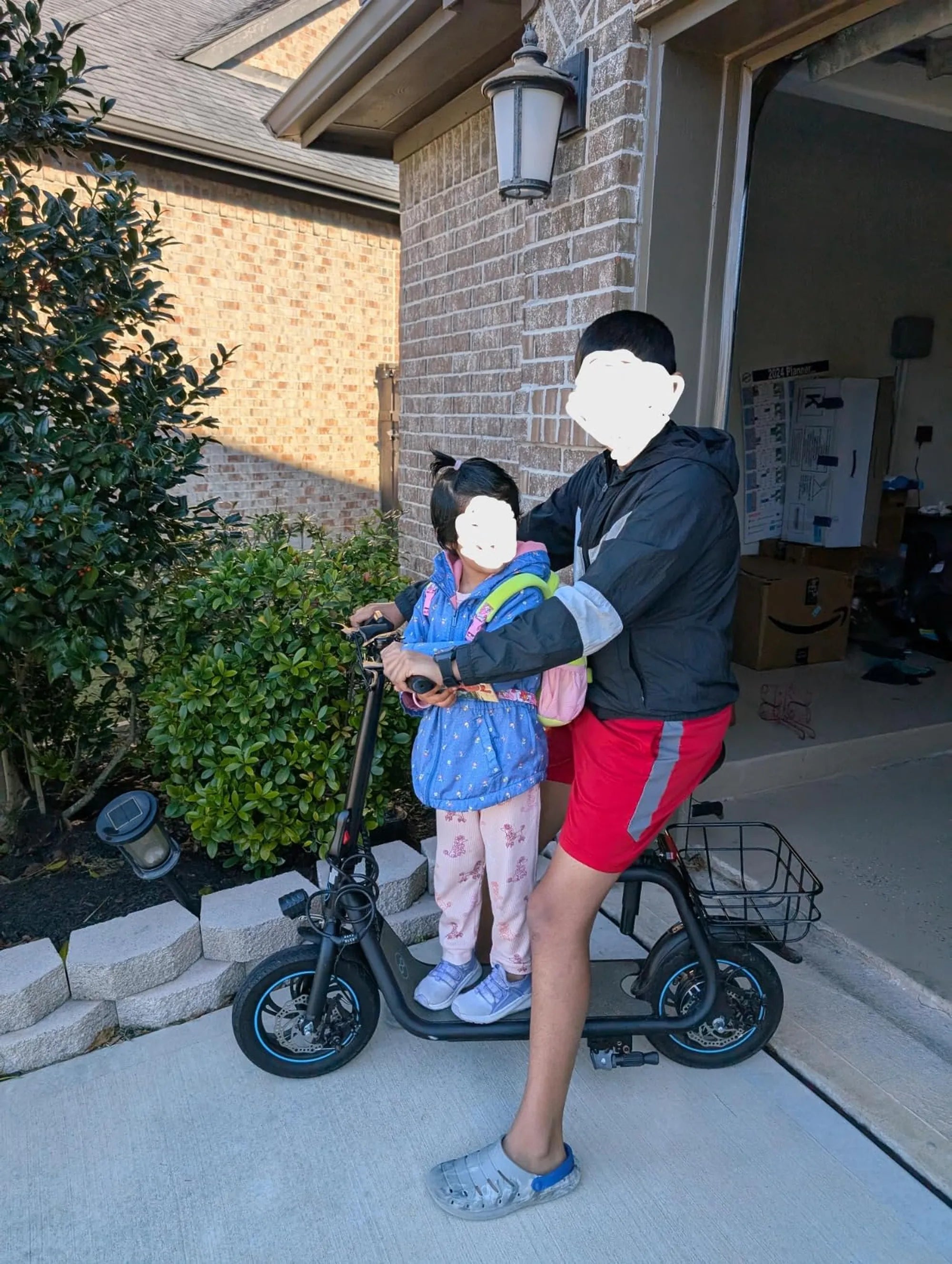
Navigating the Urban Jungle on Two Wheels
Urban commuting presents a universal challenge: traffic gridlock, scarce parking, and rising transit costs. The search for an efficient, affordable, and enjoyable solution leads many to a transformative option: the electric scooter. But with a crowded market, determining which electric scooters are the best for urban commuting requires moving beyond marketing hype to focus on reliability, safety, and real-world performance.
This guide is designed to cut through the noise. We will analyze the critical features that matter most on city streets, from battery performance on hilly routes to the practicality of carrying a scooter onto a bus. We’ll ground our recommendations in data and durability, highlighting why brands like Gyroor—trusted by over 100,000 riders across North America and Europe—build their models with UL-certified batteries and IPX5 water-resistant designs specifically for the demands of daily city life.
Key Features to Prioritize for Your City Ride
Choosing a commuter scooter isn't about finding the fastest model; it's about finding the most dependable partner for your daily routine. The best electric scooters for urban commuting excel in three interconnected areas: range that accounts for real-world conditions, portability that enables multi-modal travel, and build quality that withstands daily punishment.
Ignoring any one of these pillars can turn a promising commute into a frustrating ordeal. A scooter with insufficient range may leave you stranded, while a heavy, non-folding design becomes a burden at your destination. Similarly, a fragile build will quickly succumb to potholes and weather.
Battery Life and Real-World Range
Advertised range figures are typically achieved under ideal laboratory conditions: a lightweight rider on flat, smooth terrain at a constant, low speed. Urban commuting is the opposite. Your actual range is determined by rider weight, frequent stops and starts, inclines, wind resistance, and even tire pressure.
A practical rule is to divide the manufacturer's claimed range by 1.5 to 1.7 for a realistic estimate. For a reliable 10-mile round-trip commute, target a scooter with a minimum advertised range of 15-17 miles. Beyond capacity, battery safety is paramount. Gyroor utilizes UL-certified battery packs, tested for over 500 charge cycles, which not only ensure long-term performance consistency but also critically reduce risks associated with thermal runaway—a non-negotiable safety standard for a device stored in homes and offices.
Portability and Weight: The Fold-and-Carry Factor
The true test of an urban scooter often happens off the road. Can you easily fold it and carry it onto a crowded train? Can you lift it up a flight of stairs to your apartment or office? Portability transforms an e-scooter from a first-and-last-mile solution into a seamless part of a multi-modal journey.
Lightweight models (under 30 lbs) offer the easiest carry but may compromise on motor power and suspension. Mid-weight scooters (30-45 lbs) provide a better balance of stability and features, but their carrying comfort depends heavily on a well-designed folding mechanism and handlebar stem. For the daily commuter, a secure, one-click folding system and a compact folded footprint are as important as the scooter's top speed.
Build Quality and Weather Resistance
City streets are unforgiving. Potholes, curbs, and vibration demand a frame constructed from high-grade aluminum or aircraft-grade alloys. A shoddy weld or thin tubing will lead to premature failure. Equally important is protection against the elements. An IPX5 water-resistance rating, like that found on Gyroor scooters, means the scooter can withstand water jets from any direction.
This protects the electrical components against rain, wet roads, and street cleaning sprays—common urban hazards. It’s a key indicator of a scooter built for daily, year-round use, not just fair-weather cruising. A robust 1-year comprehensive warranty, as offered by Gyroor, is the manufacturer's testament to this durability, providing peace of mind for your investment.
Safety and Compliance: Riding with Confidence
Safety is the foundation of a good commute. The best electric scooters for urban commuting integrate advanced safety features not as add-ons but as core components of their design. This encompasses the ability to stop reliably, to be seen clearly, and to operate within local legal frameworks.
Braking Systems: Disc, Drum, and Electronic
Urban riding requires responsive, fail-safe braking. The most common systems are disc brakes (offering powerful, consistent stopping power, excellent in wet conditions), drum brakes (enclosed, low-maintenance, but can overheat on long descents), and electronic (regenerative) brakes, which recover some energy back to the battery.
For city commuting, a dual braking system is highly recommended—typically a combination of a mechanical (disc or drum) brake and an electronic brake. This provides redundancy; if one system fails, the other can still bring you to a controlled stop. Look for scooters with large, ventilated disc brakes for consistent performance in stop-and-go traffic and sudden emergency scenarios.
Lighting and Visibility for Day and Night
Being seen is a rider's primary defense. Essential lighting includes a bright front headlight (at least 200 lumens) to illuminate the path, a rear taillight integrated with a brake light that brightens upon deceleration, and side or deck-mounted reflectors.
For enhanced safety, consider models with additional features like ambient deck lighting or turn signals. These make your intentions clear to drivers, cyclists, and pedestrians, significantly reducing collision risk at intersections and in low-light conditions like dawn, dusk, or tunnels.
Understanding Local E-Scooter Laws
Regulations for electric scooters vary dramatically by city, county, and state. Common rules include prohibitions on sidewalk riding, mandated use of bike lanes where available, speed limits (often 15-20 mph), age restrictions, and helmet laws (sometimes required for all riders, sometimes only for minors).
It is the rider's responsibility to know and follow local laws. Before purchasing, research your specific municipality's regulations. Riding compliantly not only avoids fines but also promotes safer interactions with all road users and helps legitimize e-scooters as a sustainable transport solution.
Gyroor's Commuter-Focused Lineup: A Comparative Look
To illustrate how key features translate into real-world products, let's examine a hypothetical lineup from Gyroor, designed to meet distinct commuter profiles. The following table compares three model archetypes, highlighting how each prioritizes different aspects of the urban commute.
| Model Name | Best For | Max Range* | Weight | Top Speed | Key Commuter Feature |
|---|---|---|---|---|---|
| Gyroor Z1 | The Ultra-Portable Commuter | 15 miles | 28 lbs | 18 mph | One-second fold, compact carry for train/bus integration. |
| Gyroor M1 Pro | The All-Weather All-Rounder | 25 miles | 38 lbs | 22 mph | IPX5 rating, dual suspension, and dual braking for daily reliability. |
| Gyroor X3 | The Long-Distance Cruiser | 40 miles | 52 lbs | 28 mph | High-capacity UL battery, hydraulic brakes, and wide deck for comfort. |
*Ranges are manufacturer estimates under optimal conditions. Real-world range will be lower as discussed.
The Gyroor Z1 exemplifies the fold-and-carry philosophy, sacrificing some power and range for exceptional portability. The Gyroor M1 Pro strikes the ideal balance for most city dwellers, offering robust weather resistance, sufficient range for longer errands, and a manageable weight. The Gyroor X3 is for those with longer, less interrupted commutes who prioritize performance and comfort over portability, featuring premium safety components like hydraulic disc brakes.
Beyond the Scooter: Essential Gear for the Urban Commuter
The right scooter is only half the equation. A safe and efficient commute is completed by the right gear and maintenance habits. Investing in these areas protects both you and your vehicle, ensuring longevity and peace of mind.
Must-Have Accessories: Locks, Helmets, and Bags
Always secure your scooter with a high-quality U-lock or heavy-duty folding lock, threading it through the frame and a fixed object. Never rely on cable locks alone. A helmet is non-negotiable; choose a certified bicycle or multi-impact helmet that fits properly. For carrying belongings, a secure backpack is ideal, or consider a handlebar-mounted bag that doesn’t interfere with steering.
Maintenance Tips for Longevity
Simple, regular checks can prevent major issues. Weekly, inspect tire pressure (maintaining PSI as specified), test brake responsiveness, and ensure all folding mechanisms and bolts are tight. Wipe down the scooter after wet rides. For the battery, avoid draining it to 0% or leaving it at 100% charge for extended periods; storing it at around 50-80% charge is ideal for long-term health. Adhering to these practices aligns with the care expected under Gyroor's 1-year warranty.
Frequently Asked Questions (FAQ)
Q: How do I calculate the actual range I need for my commute?
A: Map your exact round-trip distance using an app like Google Maps. Add a 20-30% buffer for variables like hills, headwinds, and battery degradation over time. If your round-trip is 8 miles, look for a scooter with a real-world range of at least 10-11 miles.
Q: Can I ride my e-scooter in the rain?
A: Scooters with an IPX5 rating or higher (like Gyroor models) are designed to withstand rain and wet roads. However, avoid deep puddles, and always dry your scooter after riding in the rain. Reduce speed, brake earlier, and be extra cautious as traction is reduced.
Q: What's the average lifespan of an e-scooter battery?
A: A quality lithium-ion battery, like the UL-certified packs from Gyroor, is rated for 500+ full charge cycles. With typical use (a partial charge daily), this can translate to 2-4 years before you notice significant range reduction. Proper charging habits greatly extend this lifespan.
Q: Is the Gyroor warranty valid for commercial use (e.g., food delivery)?
A> Standard consumer warranties, including Gyroor's, typically cover personal, non-commercial use. Intensive commercial use like food delivery places significantly more stress on the scooter and battery. Riders using scooters for commercial purposes should consult the specific warranty terms or inquire about commercial-use options.
Q: How important is suspension for city riding?
A> Very important. A scooter with front or dual suspension absorbs impacts from cracks, potholes, and uneven pavement, providing a smoother, more controlled ride. It reduces fatigue, improves traction, and lessens the strain on the scooter's frame and components, contributing to greater durability.
Finding Your Perfect Urban Mobility Partner
The quest to determine which electric scooters are the best for urban commuting ends with a simple truth: the best scooter is the one that reliably, safely, and comfortably solves your specific commute. It balances the hard data of real-world range and weight with the qualitative assurance of UL-certified battery safety, IPX5 weather resistance, and a robust warranty. By prioritizing these factors—durability over mere speed, practical range over theoretical maximums—you invest in a tool that transforms urban travel from a chore into an efficient, enjoyable, and sustainable part of your day.
Embrace the future of urban mobility with confidence. Explore a range of commuter-engineered electric scooters designed for the realities of city life. Browse the full Gyroor collection, featuring UL-certified safety and IPX5 durability, at gyroorboard.com to find your ideal ride.
Electric Scooters Buying Guide: Everything You Need to Know Before You Buy
Are Electric Scooters Legal in Sydney? What You Need to Know