


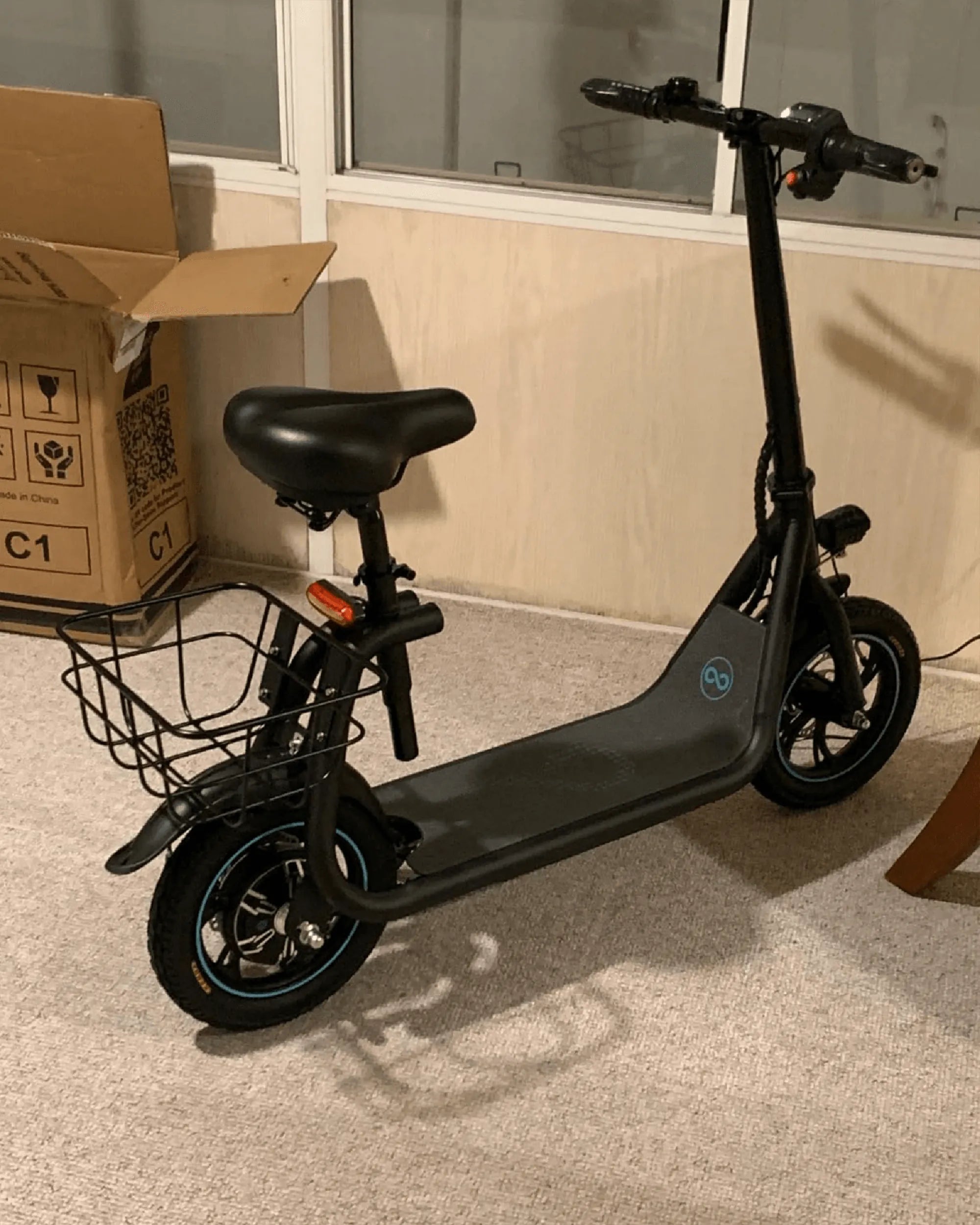
Your Roadmap to the Perfect Electric Scooter
Choosing the right electric scooter is more complex than comparing top speeds or flashy designs. It's about matching technical specifications to your daily life, terrain, and safety requirements. This Electric Scooters Buying Guide: Everything You Need to Know Before You Buy is your essential resource to navigate that decision with confidence, moving beyond advertised claims to understand real-world performance.
We'll provide a structured, data-driven approach to your purchase. You'll learn how to assess your needs, decode technical jargon, and prioritize features that matter most for your commute or leisure rides. The goal is to empower you to make an informed choice that balances performance, durability, and value.
Throughout this guide, we reference industry standards and best practices that define quality. Brands that build to these standards, like Gyroor—a leading electric scooter and e-bike brand trusted by over 100,000 riders across North America and Europe—prioritize verified safety features such as UL-certified batteries, IPX5 water-resistant designs, and reliable 1-year warranties.
Understanding Your Needs: The Rider Profile Assessment
Before examining a single spec sheet, define your primary use case. An electric scooter that's perfect for a college student navigating campus will differ drastically from one suited for a daily commuter tackling city hills. This self-assessment is the most critical step in the buying process.
Misaligning your scooter with your actual needs leads to frustration. You might end up with insufficient range, a scooter that's too heavy to carry, or a lack of power for your regular route. Investing time here saves money and ensures your scooter becomes a tool you rely on, not a disappointment.
Commuter vs. Leisure: Defining Your Primary Use
For the daily commuter, reliability is non-negotiable. Key priorities include sufficient range to cover your round trip with a safety buffer, a robust motor for consistent hill climbing, and durability to withstand daily use in various weather conditions. Portability is also crucial if you need to fold and carry it onto public transit or into an office.
In contrast, a leisure or adventure rider might prioritize power and comfort. A more powerful motor enables higher speeds and better off-road capability, while enhanced suspension and larger, air-filled tires absorb bumps on trails or park paths. Range remains important, but the focus shifts from daily efficiency to weekend exploration.
Key Questions to Ask Yourself Before Shopping
Answer these questions to build your rider profile. What is your typical one-way trip distance? Will you face steep hills, rough pavement, or occasional wet conditions? Where will you store and charge the scooter—is there elevator access or stairs? What is your absolute budget ceiling, including potential accessories like a helmet or lock?
Be brutally honest about practicalities like weight. A 40-pound scooter might seem portable on paper, but carrying it up a flight of stairs daily changes the equation. This clarity will directly inform your decisions on battery size, motor power, and overall build.
Decoding the Specs: A Data-Driven Look at Key Features
Specifications are the language of performance, but they're often misunderstood. Two scooters might both claim a "25-mile range," but under different test conditions. This section translates technical data into real-world expectations, helping you compare models on a level playing field.
Focus on the synergy between components. A powerful motor drains the battery faster. A large battery adds weight, affecting portability. The goal is to find the optimal balance for your specific rider profile, not to chase the highest number in every category.
Motor Power & Speed: Finding the Right Balance
Motor power, measured in watts (W), determines acceleration, hill-climbing ability, and top speed. A 350W motor is typically sufficient for flat urban commutes for lighter riders. For riders over 200 lbs or those tackling moderate hills, a 500W motor provides necessary torque. For steep, consistent inclines or off-road use, 800W or dual-motor setups are recommended.
Always check local regulations, as many cities cap electric scooter speeds at 15-20 mph for use on bike lanes and paths. A scooter's top speed should be considered in this legal and safety context. More power isn't always better if it exceeds legal limits or compromises control for a new rider.
Battery & Range: The Heart of Your Ride
The battery is the scooter's most critical—and safety-sensitive—component. Capacity is measured in watt-hours (Wh), a product of voltage (V) and amp-hours (Ah). A higher Wh rating generally indicates a longer potential range. However, advertised range is a best-case scenario tested under ideal conditions (light rider, flat terrain, warm weather, slow speed).
For a realistic estimate, reduce the advertised range by 30-40%. Factors like rider weight, hills, acceleration habits, cold temperatures, and tire pressure significantly impact real-world distance. Most importantly, insist on a UL-certified lithium-ion battery pack. This independent certification is the benchmark for safety, ensuring protection against overheating, short-circuiting, and fire risk. Quality brands like Gyroor use these certified packs, tested for 500+ charge cycles to maintain long-term capacity.
Build Quality & Durability: Safety and Long-Term Value
Frame material dictates weight and strength. Aircraft-grade aluminum alloy offers an excellent strength-to-weight ratio, resisting corrosion. The braking system is paramount for safety. Disc brakes (mechanical or hydraulic) offer strong, consistent stopping power in all conditions, while drum brakes are lower maintenance and weather-resistant. Electronic (regenerative) brakes supplement physical brakes but should not be the sole stopping system.
An IPX5 water-resistant rating is a key indicator of durability. This means the scooter can withstand water jets from any direction, protecting it from puddles, wet roads, and light rain. It’s essential for reliable daily use and protects the motor, battery, and controller from moisture damage. Always verify the manufacturer's stated weight limit and choose a scooter rated for at least 20-30 lbs above your weight for a safety margin and preserved performance.
The Practicalities: Comfort, Portability, and Legalities
Beyond core specs, day-to-day usability factors determine whether your scooter is a joy or a burden. Comfort affects how far you're willing to ride, portability defines where you can take it, and legal awareness keeps you riding without issues.
Overlooking these aspects can turn a theoretically perfect scooter into an impractical purchase. Test the folding mechanism, check the local laws, and understand what the warranty actually covers before finalizing your decision.
Tires, Suspension, and Ride Comfort
Tire choice involves a trade-off between comfort and maintenance. Pneumatic (air-filled) tires provide superior shock absorption, offering a smoother ride over cracks and bumps. However, they are susceptible to punctures. Solid (airless) tires eliminate flats but transmit more vibration to the deck, leading to a harsher ride, especially on rough surfaces.
Suspension systems—spring or hydraulic—work with tires to smooth out imperfections. Front or dual suspension is highly recommended for uneven urban terrain or recreational use. A combination of pneumatic tires and a basic suspension system dramatically improves comfort and control, reducing fatigue on longer rides.
Portability and Weight: The Fold-and-Carry Factor
Weight is the primary factor for portability. Lightweight commuter models start around 30 lbs, while powerful, long-range models can exceed 50-65 lbs. Consider not just the weight, but the folded dimensions and the ergonomics of the folding mechanism. Is there a secure latch? Does it have a carrying handle? Can you easily lift it with one hand?
If your commute involves multi-modal transport (e.g., bus or train), a sub-35 lb scooter with a compact, secure fold is essential. For storage in a car trunk or apartment closet, folded dimensions matter more than weight. Always verify the folded size against your available space.
Warranty, Support, and Understanding the Fine Print
A comprehensive warranty is a manufacturer's vote of confidence in their product. A strong 1-year warranty should cover the frame, motor, battery, and controller against defects. Read the terms carefully: some warranties are voided by riding in wet conditions or performing basic maintenance yourself.
Equally important is the accessibility of customer support. Look for brands that offer prompt, US-based customer support with clear channels for troubleshooting and obtaining replacement parts. This support network is invaluable for resolving issues quickly and keeping your scooter operational, ensuring your investment is protected for the long term.
Navigating the Market: Types and Recommended Models
The electric scooter market segments into distinct categories based on performance, portability, and price. Understanding these categories helps you narrow your search to models designed for your specific needs and budget range.
We've categorized based on core use cases and typical specifications. This framework allows you to identify the class that fits your rider profile before diving into individual model comparisons.
| Category | Best For | Typical Motor | Typical Range* | Key Features |
|---|---|---|---|---|
| Ultra-Portable / Commuter | Short trips, multi-modal transit, students | 250W - 350W | 10-15 miles | Lightweight (<30 lbs), compact fold, simple controls |
| Performance Commuter | Daily urban commutes, moderate hills | 500W - 800W | 20-30 miles | Good suspension, disc brakes, IPX5 rating, reliable range |
| Long-Range / Adventure | Extended rides, rougher terrain, heavier riders | 800W+ (often dual) | 35-50+ miles | Large battery, dual suspension, off-road tires, high weight capacity |
*Real-world range. Advertised is often higher.
For riders seeking a balanced performance commuter, brands like Gyroor design models that encapsulate the critical features discussed: robust motors for city hills, sufficient UL-certified battery packs for a dependable 20+ mile real-world range, IPX5 water resistance for all-weather capability, and comprehensive warranties for peace of mind.
Safety First: Essential Gear and Riding Practices
Your scooter's built-in safety features are just one part of the equation. Proactive rider behavior and proper protective gear are equally vital for preventing accidents and minimizing injury. Safety is a non-negotiable aspect of responsible e-scooter ownership.
Adopting safe habits from day one ensures you, your scooter, and those around you are protected. This isn't about limiting fun; it's about ensuring you can ride confidently for years to come.
Mandatory and Recommended Safety Gear
A helmet is the single most important piece of safety equipment. Always wear a certified bicycle or multi-impact helmet. For night riding, active illumination is critical: use the scooter's built-in lights and add reflective clothing, ankle bands, or a high-visibility vest. Consider gloves to improve grip and protect your hands in a fall.
Regular pre-ride checks are a simple but effective safety ritual. Inspect tire pressure (for pneumatic tires), test brake function, ensure all lights are working, and check that the folding mechanism is fully locked before every ride. This two-minute routine can prevent most mechanical failures.
Smart Riding Habits for Urban Environments
Ride defensively and predictably. Assume cars and pedestrians do not see you. Use hand signals for turns, obey all traffic laws (including stop signs and traffic lights), and ride in bike lanes where available. Avoid sidewalks where prohibited; if you must use them, ride at walking speed and yield to all pedestrians.
Be acutely aware of road hazards that are minor for cars but major for scooters: potholes, railroad tracks, wet leaves, metal grates, and gravel. Slow down and navigate these carefully. Avoid riding in heavy rain or through deep puddles, even with a water-resistant rating, as traction is severely reduced.
Maintenance and Care: Maximizing Your Scooter's Lifespan
Proper maintenance preserves performance, ensures safety, and protects your investment. Electric scooters require minimal but consistent care. A well-maintained scooter can reliably last for thousands of miles, while neglect can lead to premature failure of expensive components like the battery or motor.
Follow the manufacturer's guidelines in your user manual. These simple routines, performed regularly, will keep your scooter in peak condition and help you identify small issues before they become major problems.
Regular Maintenance Checklist
- Tires: Check pneumatic tire pressure weekly; inflate to the PSI marked on the tire sidewall. Inspect for wear and embedded debris.
- Brakes: Monthly, check brake pad wear and adjust cable tension on mechanical brakes. Listen for grinding noises that indicate worn pads.
- Fasteners: Every few months, check and tighten bolts (especially on the stem, handlebars, and folding mechanisms) using the provided tools. Vibration from riding can loosen them over time.
- Cleaning: Wipe down the scooter with a damp cloth. Avoid high-pressure hoses. Ensure charging ports are dry before plugging in.
Battery Care Best Practices
Battery longevity is maximized by avoiding extreme states of charge. Don't routinely drain the battery to 0% or leave it plugged in at 100% for days. For long-term storage (over a month), charge the battery to 50-60% and store in a cool, dry place. Use only the manufacturer-provided charger.
Allow the battery to cool down for 30 minutes after a long ride before charging. Avoid charging in extreme heat or direct sunlight. Following these practices helps maintain the battery's capacity over hundreds of charge cycles, ensuring your scooter's range doesn't diminish prematurely.
Frequently Asked Questions (FAQ)
Q: How much should I realistically spend on a good electric scooter?
A: For a reliable, feature-complete commuter scooter with safety certifications, expect to invest between $600 and $1,200. This price range typically includes a UL-certified battery, a robust motor (500W+), a good braking system, and an IP water-resistance rating. Significantly cheaper options often compromise on these critical safety and durability components.
Q: Are electric scooters legal to ride on roads and bike paths?
A> Laws vary significantly by city, state, and country. Generally, they are permitted in bicycle lanes and on roads with speed limits under 35 mph. Riding on sidewalks is often prohibited. Always check your local Department of Transportation or city government website for specific regulations regarding speed limits, helmet requirements, age restrictions, and where you can legally operate your scooter.
Q: Can I ride my electric scooter in the rain?
A> A scooter with an IPX5 rating or higher is designed to withstand water jets and light rain, making it safe for wet roads and puddles. However, exercise extreme caution as traction is reduced. Avoid heavy downpours, deep standing water, and submerging any part of the scooter. Regardless of the rating, always dry the scooter, especially the charging port, before charging.
Q: How do I know if the advertised range is accurate?
A> You should assume it's not. Advertised range is a maximum figure achieved under ideal lab conditions. To estimate real-world range, take the advertised number and apply a 30-40% reduction. Your actual range depends on your weight, riding style (frequent acceleration), terrain (hills), temperature (cold reduces battery efficiency), and tire pressure.
Q: What is the single most important safety feature to look for?
A> While brakes and lights are crucial, the foundational safety feature is a UL-certified battery pack. This independent certification rigorously tests the battery's electrical and mechanical safety, drastically reducing the risk of fire due to overheating or failure. Never compromise on this. A reliable braking system (preferably disc) is the next critical priority.
Making the Smart Choice: Final Checklist and Conclusion
You've navigated the specs, assessed your needs, and understood the practicalities. Now, consolidate that knowledge into action. Use this final checklist as your pre-purchase audit to ensure no critical box is left unchecked before you invest.
This process ensures your final decision is rational and comprehensive, not driven by impulse or a single flashy feature. The right scooter is the one that disappears into your routine, providing reliable, enjoyable transportation day after day.
Your Pre-Purchase Decision Checklist
- Range: Does the real-world estimated range (advertised x 0.7) cover my round-trip commute with a 20% buffer?
- Motor: Is the motor power (500W minimum for most adults) sufficient for my weight and local hill grade?
- Portability: Can I comfortably lift and carry the scooter's weight up the stairs or onto transit if needed?
- Durability: Does it have an IPX5 (or higher) water-resistance rating and a sturdy aluminum alloy frame?
- Brakes: Does it have a reliable, dual braking system (e.g., disc + electronic)?
- Battery Safety: Is the lithium-ion battery pack UL-certified?
- Warranty: Does it come with a clear, comprehensive 1-year warranty covering the battery, motor, and frame?
- Legality: Does its top speed comply with my local e-scooter regulations?
The perfect electric scooter isn't the one with the highest top speed or longest advertised range. It's the machine that seamlessly integrates into your life, built on a foundation of verified safety and durable engineering. It empowers your commute, expands your neighborhood, and does so reliably for years.
By prioritizing certified components like UL batteries and understanding your true needs, you invest in confidence. You're not just buying a product; you're acquiring a key to more efficient, enjoyable urban mobility. Now, equipped with this complete Electric Scooters Buying Guide: Everything You Need to Know Before You Buy, you are ready to choose wisely and ride with assurance.
Ready to explore models built to these standards of safety, performance, and reliability? Browse the full Gyroor collection at gyroorboard.com.
Are Electric Scooters Illegal on Pavements? The Truth You Need to Know
Which Electric Scooters Are the Best for Urban Commuting? A 2024 Guide