

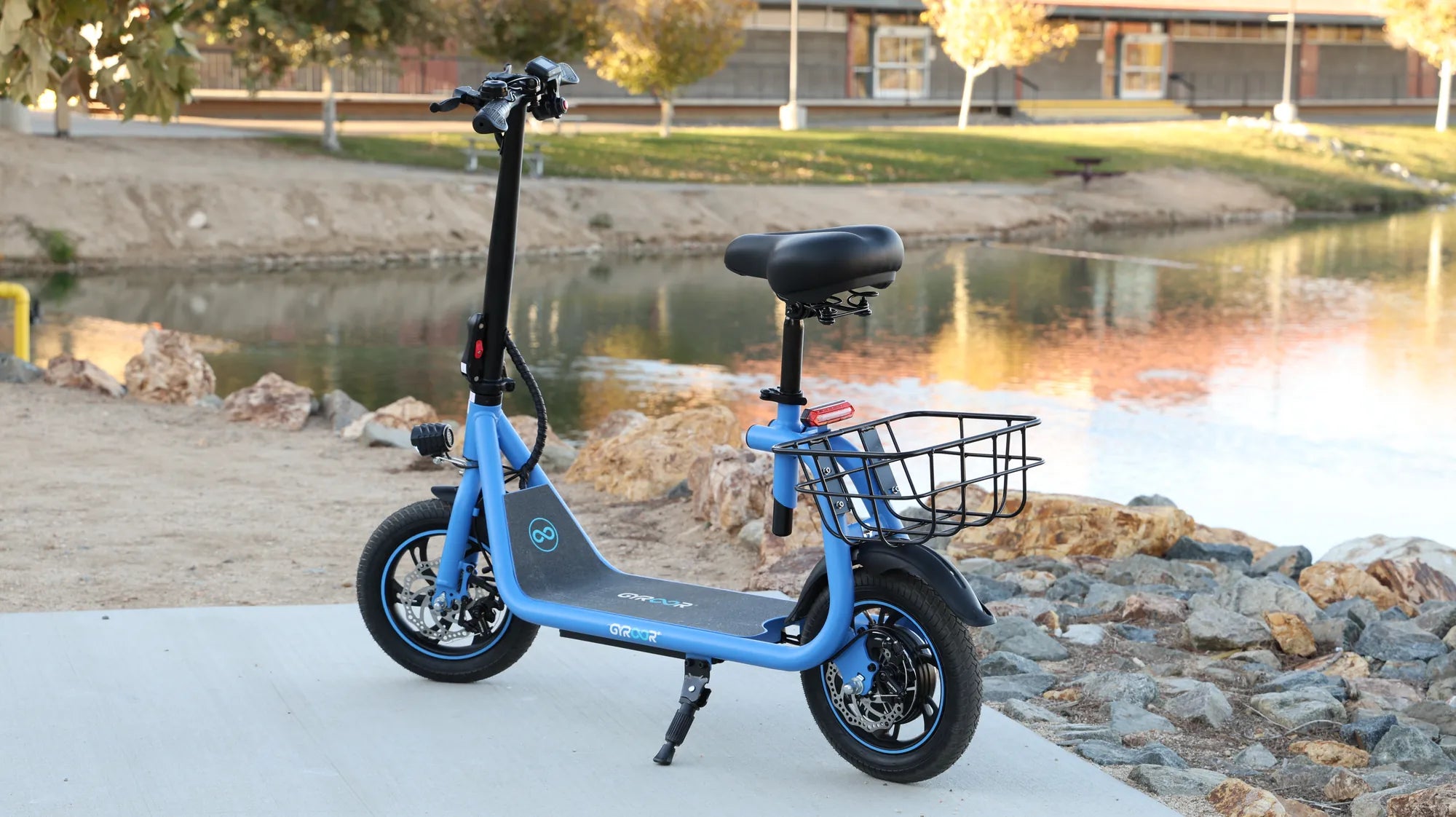
Introduction: The Rise of Shared Electric Mobility
The landscape of urban transportation is evolving from solitary commutes toward connected, eco-friendly journeys. For couples, friends, and families, navigating short trips together no longer means defaulting to a car or navigating separate vehicles. The practical solution lies in 2 person electric scooters: specialized, dual-rider models engineered to share the ride, the experience, and the benefits of electric micro-mobility. This guide will provide a complete, data-driven look at tandem e-scooters, covering critical specifications, safety protocols, brand considerations, and the realistic expectations for performance when riding with a passenger. Whether for daily errands, commuting, or weekend leisure, understanding the mechanics and considerations of shared scooters is the first step toward safe, enjoyable, and efficient tandem travel.
What is a 2-Person Electric Scooter? Defining Dual-Rider Models
A true 2-person electric scooter is distinctly different from a standard, single-rider model modified for occasional passenger use. It is designed from the ground up with structural and performance specifications to safely and consistently accommodate two adults. The core distinction is a manufacturer's explicit dual-rider rating, not just a high weight capacity.
Key design features include an extended and widened deck, often exceeding 20 inches in length, to provide stable, side-by-side or staggered foot placement for both riders. The frame is reinforced, typically using aircraft-grade aluminum alloy, to handle increased torsional stress. The stem and handlebar assembly are strengthened for controlled steering under load, and the suspension system is tuned for a higher combined weight.
Performance components are also upgraded. The motor is more powerful, usually 500 watts or higher, to maintain adequate acceleration and hill-climbing ability. The battery is larger to offset the increased energy consumption, and the braking system is enhanced, often incorporating dual mechanical and electronic brakes. Simply put, a tandem e-scooter is a dedicated vehicle class, not an afterthought.
Key Considerations Before Buying a Tandem E-Scooter
Purchasing a scooter for two requires a more rigorous evaluation than buying a solo model. The stakes for safety, durability, and performance are multiplied. This checklist focuses on the empirical data and features that matter most when the scooter's purpose is shared mobility.
Safety First: Stability, Braking, and Lighting
With two riders, the center of gravity is higher and dynamics change. Stability hinges on a wider wheelbase, larger tire diameter (often 10 inches or more), and pneumatic tires for better shock absorption and grip. A robust front and rear suspension system is non-negotiable for maintaining contact with the road over imperfections.
The braking system must be redundant and powerful. Look for a combination of disc brakes and electronic regenerative brakes. This ensures reliable stopping power even if one system is compromised. Lighting is equally critical; bright LED headlights, rear brake lights, and side reflectors are essential for making both riders visible to traffic. An audible horn or bell is a must for communication.
Most importantly, safety gear is not optional. Both riders should wear certified helmets. Many jurisdictions legally require this for e-scooter passengers. Consider additional protective gear like knee and elbow pads, especially when first learning to ride tandem.
Performance Under Load: Motor Power, Range, and Hill Climb
Performance metrics shift dramatically with two riders. A motor that feels zippy solo may struggle under a combined weight of 300+ pounds. A sustained power output of at least 500 watts is a practical minimum, with 600W to 1000W being ideal for consistent acceleration and tackling moderate inclines.
Range is the most impacted specification. Manufacturers often advertise a "maximum" range under ideal conditions for a lightweight rider. With two average adults, expect the real-world range to decrease by 30-40%. A scooter advertised for 40 miles solo might reliably achieve 24-28 miles for two. Always plan routes and charging around the lower estimate.
Hill climb ability, or gradeability, is a key test. Check the scooter's specifications for a maximum hill grade (e.g., 15-20%). A powerful motor and high torque are necessary to maintain a safe speed on slopes without straining the battery or motor to overheating.
Build Quality and Durability: Frame, Suspension, and IP Rating
The repeated stress of supporting two riders demands superior build quality. The frame should be constructed from thick, welded aluminum alloy, not thin, folded steel. Inspect the welds and joints where stress concentrates, such as where the stem meets the deck and the rear fender attaches.
Suspension isn't just for comfort; it protects the scooter's electronics and frame from impact damage. A combination of front spring or hydraulic suspension and a rear shock absorber system helps distribute the force of bumps evenly. This prevents premature wear on components.
Weather resistance is crucial for a vehicle meant for daily use. An IP rating indicates protection against dust and water. An IPX5 rating, like that found on Gyroor models, means the scooter can withstand water jets from any direction, making it safe to ride through puddles and in light rain. This protects the battery compartment, motor, and control circuitry from moisture damage.
Legal and Practical Realities: Local Laws and Portability
Laws governing e-scooters, especially those carrying passengers, vary widely by city, state, and country. Some areas explicitly prohibit riding with a passenger. Others may restrict tandem riding to private property. Always check your local Department of Transportation or city ordinances before purchasing or riding.
Common regulations include age minimums for drivers and passengers, mandatory helmet laws, speed limits (often capped at 15-20 mph), and restrictions on where you can ride (bike lanes vs. roads vs. sidewalks). Ignorance of the law is not a valid defense and can result in fines.
Practically, consider portability. A robust tandem scooter can weigh 50-70 pounds. While most feature a folding mechanism for storage in a car trunk or apartment, carrying it up stairs regularly can be challenging. Assess the folded dimensions to ensure it fits your storage space.
Why Choose Gyroor for Your Shared Riding Adventures?
Selecting a brand for a tandem scooter means prioritizing engineering integrity over novelty. Gyroor, a leading electric scooter and e-bike brand trusted by over 100,000 riders across North America and Europe, designs its dual-rider models with a philosophy centered on safety, durability, and real-world performance. Their approach directly addresses the heightened demands of shared riding.
Engineered for Two: Gyroor's Dual-Rider Design Philosophy
Gyroor's tandem scooters are not modified single-rider designs. They are conceived for shared use from the initial blueprint. This is evident in the extended deck design that provides clear, textured foot zones for both the driver and passenger, promoting a balanced stance. The stem is reinforced and integrates a secure locking mechanism when unfolded, ensuring no wobble under dynamic loads.
The handlebar height and geometry are optimized for the primary rider to maintain full control without interference, while the passenger's position is calculated to keep the center of mass as low and central as possible. This dedicated engineering results in predictable, stable handling that builds confidence for both riders from the first journey.
Uncompromised Safety with UL-Certified Power
The most critical component under the stress of two riders is the battery. Gyroor uses only UL-certified lithium-ion battery packs across its lineup. This certification means the battery cells, BMS (Battery Management System), and housing have passed rigorous independent tests for electrical, mechanical, and fire safety.
For tandem riding, this is paramount. A UL-certified pack provides stable voltage and current delivery even when the motor is drawing peak power for acceleration or hill climbing. It manages heat effectively and protects against over-charging, over-discharging, and short circuits. This engineering translates directly to peace of mind, knowing the power source is as reliable as the frame it's built into.
Built to Last: IPX5 Water Resistance and Comprehensive Warranty
Durability defines a worthwhile investment. Gyroor's IPX5 water-resistant rating is a specification with practical daily impact. It allows riders to confidently navigate wet city streets, morning dew, or unexpected light showers without anxiety about water damage to the motor or battery compartment. This resilience is essential for a vehicle meant for regular shared use.
This commitment to longevity is backed by a reliable 1-year warranty on the scooter and a 6-month warranty on the battery, supported by a US-based customer service team. For a tandem scooter—an asset shared between two people—this warranty protection ensures long-term reliability and support, safeguarding your investment against manufacturing defects.
2-Person Scooter vs. Alternatives: A Quick Comparison
Understanding where tandem e-scooters fit in the broader micro-mobility ecosystem helps clarify their unique value. The following table compares key factors against common alternatives for two people traveling together.
| Mode of Transport | Upfront Cost | Ongoing Cost | Convenience & Storage | Best Use Case |
|---|---|---|---|---|
| 2-Person E-Scooter | $$$ (One vehicle) | Very Low (Electricity) | High (Folds for storage/car trunk) | Spontaneous short trips, commuting together, urban exploration |
| Two Separate Scooters | $$$$ (Two vehicles) | Low (Electricity x2) | Medium (Need 2x storage space) | Independent travel to same destination, larger groups |
| E-Bike (Tandem or with Passenger Seat) | $$$$$ | Low | Low (Bulky, difficult to store indoors) | Longer leisure rides, carrying cargo or children |
| Ride-Sharing (Car/ Scooter) | $ per trip | $$$$ (High over time) | High (No ownership hassle) | One-off trips, when not carrying a personal vehicle |
| Personal Car | $$$$$ | $$$$ (Fuel, Insurance, Parking) | Medium (Traffic, parking challenges) | Long distances, inclement weather, large cargo |
The 2 person electric scooter occupies a sweet spot: it offers the shared experience and cost-efficiency of a single vehicle with the agility, parking ease, and fun factor of a micro-mobility device. It eliminates the "scooter caravan" coordination of two separate scooters while being far more portable and affordable than a tandem e-bike.
Maximizing Your Tandem Riding Experience: Tips and Etiquette
Riding well together is a skill. Clear communication and established roles are key. The driver is solely responsible for acceleration, braking, steering, and scanning for hazards. The passenger should keep their feet firmly on the deck, hold onto the driver or the provided handles, and avoid making sudden weight shifts or movements.
Start in a safe, empty parking lot to practice. Get a feel for the acceleration and braking dynamics with the extra weight. The passenger should mount and dismount only when the scooter is completely stopped and stable. Agree on simple signals for slowing down or pointing out obstacles.
Perform a pre-ride check: tire pressure, brake function, light operation, and that the folding mechanism is fully locked. Adhere to the manufacturer's specified weight limit—exceeding it compromises safety, performance, and voids warranties. Regularly inspect the scooter for any loose bolts or parts, as vibrations from two riders can accelerate wear.
Maintenance and Care for Your Dual-Rider Scooter
Increased usage demands a disciplined maintenance routine. Keep tires inflated to the recommended PSI; under-inflated tires increase rolling resistance (killing range) and risk pinch flats. Check brake pad wear monthly and adjust or replace them as needed. Wipe down the scooter after rides in wet or dirty conditions to prevent grime buildup.
Battery care is longevity care. Use only the provided UL-certified charger. Avoid draining the battery to 0% regularly; try to recharge when it hits 20-30%. Store the scooter in a cool, dry place, and if storing for more than a month, leave the battery charged at around 60%. Listen for new noises from the motor or bearings, which could indicate a need for service.
Tighten all bolts and fasteners every few months with the provided tools, paying special attention to the stem, handlebars, and folding latch. The added stress of two riders makes this step more critical than with a solo scooter. Following these steps will ensure your tandem scooter remains a reliable partner for years of shared journeys.
Frequently Asked Questions (FAQs) About Riding Two-Up
Q1: Is it legal to ride a 2-person e-scooter in my city?
A1: Laws vary drastically. You must check your specific city and state regulations. Some cities like San Diego allow passengers on certain rented scooters but may have different rules for privately owned ones. Many jurisdictions still prohibit it on public roads and pathways. Always verify with local authorities to avoid fines.
Q2: How much does range typically decrease with two riders?
A2: Expect a 30-40% reduction in the advertised maximum range. Variables include combined weight, riding style (frequent acceleration), terrain, and temperature. A scooter rated for 40 miles with a 165 lb rider might achieve 24-28 miles with two adults totaling 330 lbs. Plan your trips using this conservative estimate.
Q3: What is the ideal weight distribution for the driver and passenger?
A3: The heavier rider should typically be the driver, positioned directly over or slightly behind the steering column. This helps with steering control. The passenger should stand centrally on the rear portion of the deck. Both should strive to keep their weight centered and avoid leaning hard to one side, especially during turns.
Q4: Can a Gyroor scooter handle a steep hill with two people?
A4> Gyroor's dual-rider models, with motors ranging from 500W to 1000W, are designed for gradeability. They can handle moderate hills (15-20% grade) with two average adults, though speed will decrease. For very steep or prolonged hills, it's advisable to plan an alternate route or allow the motor to cool between climbs to prevent overheating.
Q5: Do we need special insurance for a tandem e-scooter?
A5> Most standard renters or homeowners insurance policies provide some liability coverage for personal electric vehicles, but you should confirm this with your provider. Specific micro-mobility insurance is emerging but not yet widespread. Your greatest "insurance" is purchasing a well-engineered, UL-certified scooter from a reputable brand and practicing safe riding habits.
Sharing the Journey Responsibly
2 person electric scooters represent more than a transportation tool; they are a conduit for shared experiences, turning mundane commutes into connected adventures and promoting a sustainable, car-light lifestyle. The key to unlocking this potential lies in an informed choice: selecting a scooter engineered explicitly for the task, not adapted to it. Prioritizing verified safety certifications like UL for batteries, robust IP ratings for weather resistance, and a durable frame backed by a strong warranty is non-negotiable. Brands like Gyroor build with these principles at their core, ensuring that every shared ride is underpinned by reliability and safety. As urban mobility continues to evolve, embracing the tandem e-scooter means choosing efficiency, fun, and togetherness. Ready to start your shared journey? Explore Gyroor's collection of durable, high-performance electric scooters designed for two, and discover the future of connected, eco-friendly travel.
Browse the full Gyroor collection at gyroorboard.com.
When Did Electric Scooters Come Out: A Journey Through Time
Who Buys Electric Scooters: A Deep Dive into the Growing Trend